Matching Solid Wood Furniture To A Warm Minimal Interior
A warm minimal interior is one of those looks that looks easy on Instagram and slightly trickier in real life, especially when you live in a 4-room HDB flat in Tampines with a 2.4 m wide corridor and a lift that only fits a 1.9 m package. I went through the process myself last month when I helped my colleague re-plan her 990 sqft Punggol condo after the keys were handed over, and the single piece that quietly made or broke every layout was the coffee table. Buy the wrong one and the whole room turns cold or cramped; buy the right one and the warm minimal tone suddenly has a centre.
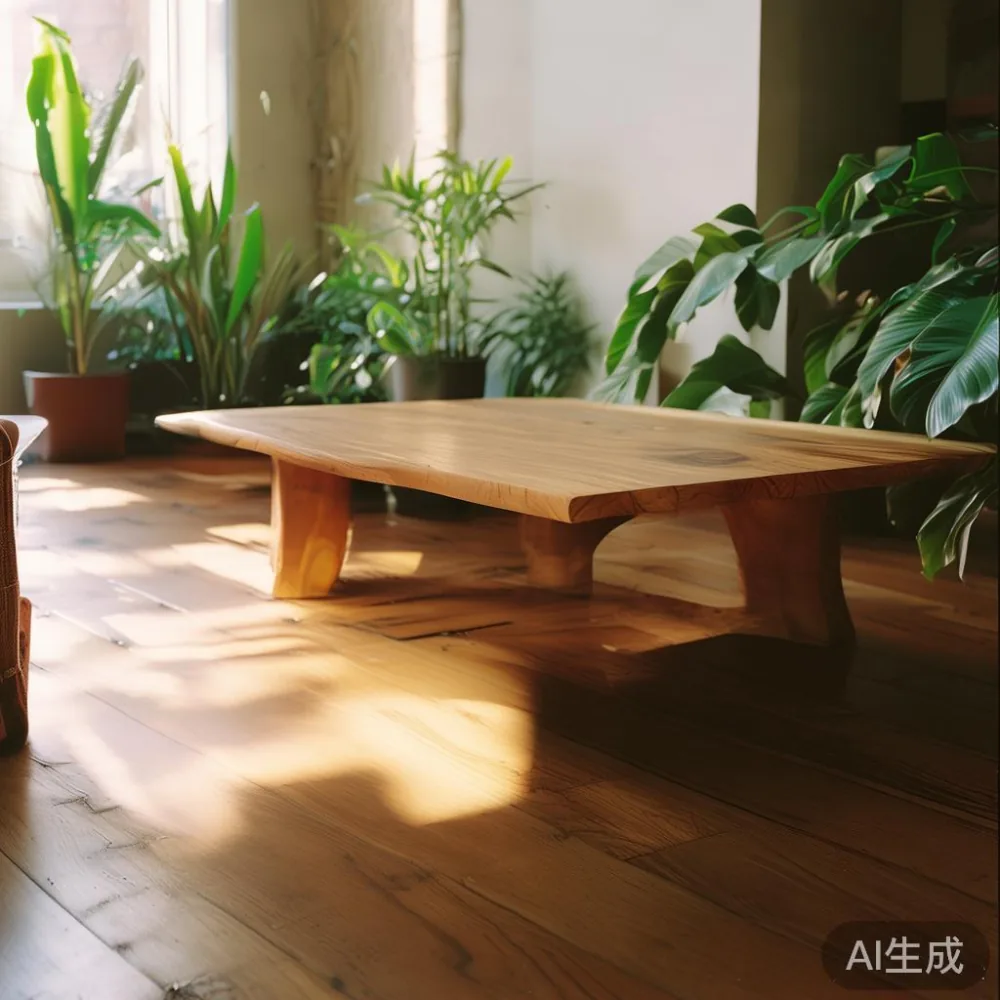
What does warm minimal actually mean for a Singapore home?
Warm minimal is not the same as Scandinavian pale. It is a softer, slightly creamier register: off-white walls rather than brilliant white, oak or walnut tones rather than ash grey, boucle or linen rather than glossy velvet. The look was popularised by French light luxury interiors and has been carried across Asia by Japandi and post-modern light luxury designers. For HDB flats in Bedok and Punggol where most units face morning sun, warm minimal also hides the inevitable dust and humidity marks that pure white surfaces show after week three.
The palette usually runs on four anchors: a warm off-white (think Dulux Natural White or Jotun White Cotton), a mid-tone timber (oak, ash, walnut), a single accent material (travertine, micro-cement, brushed brass), and one quiet textile colour (camel, rust, sage). Everything else, including your solid wood sofa, your bed frame, your dining table, and your wardrobe, is asked to stay inside that small box.
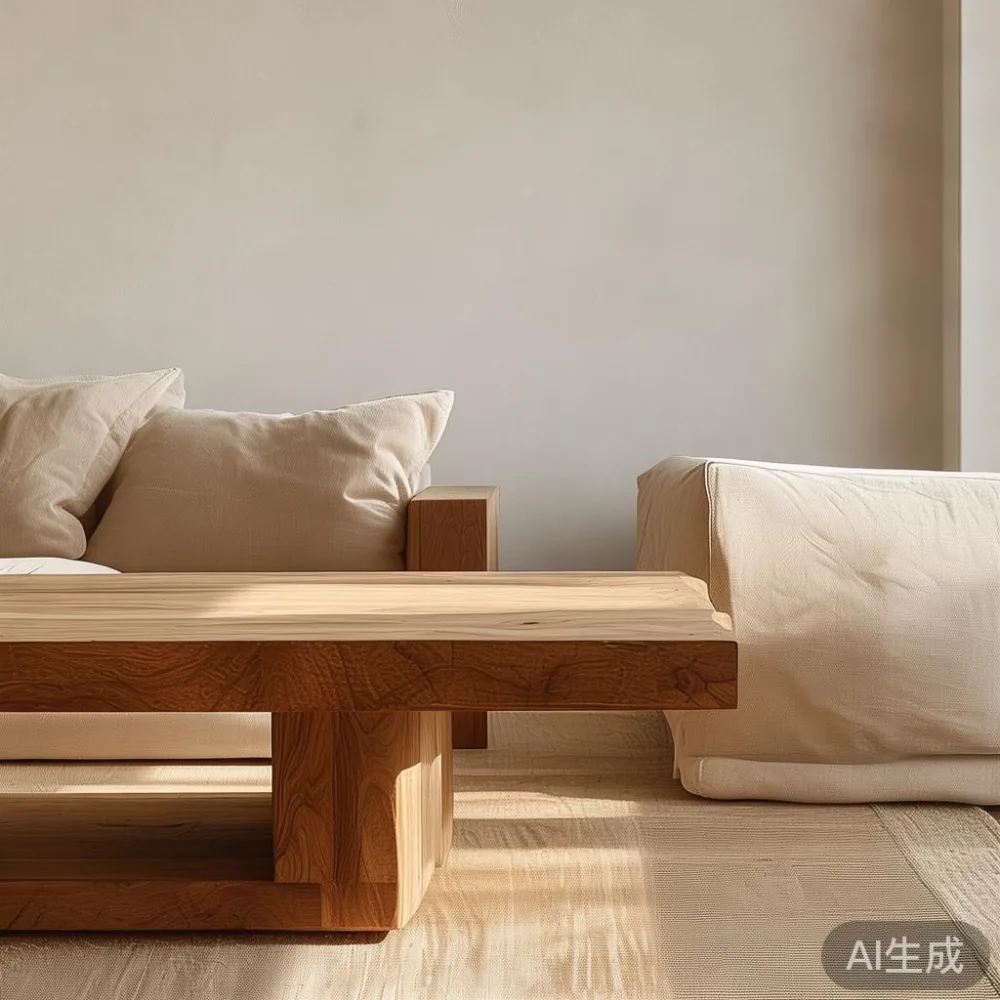
Which coffee table finishes work with a warm minimal palette?
The coffee table is the piece that sits closest to the eye line when you sit down, so its finish pulls more weight than almost any other furniture item in the living room. In a warm minimal room, three finishes tend to behave well:
1. Light oak or ash solid wood, 38–45 cm tall. This is the safest pair for Scandinavian-warm walls. Look for a rounded rectangle (110 × 65 cm is a friendly size for a 2.4 m sofa) so it softens the geometry of the room.
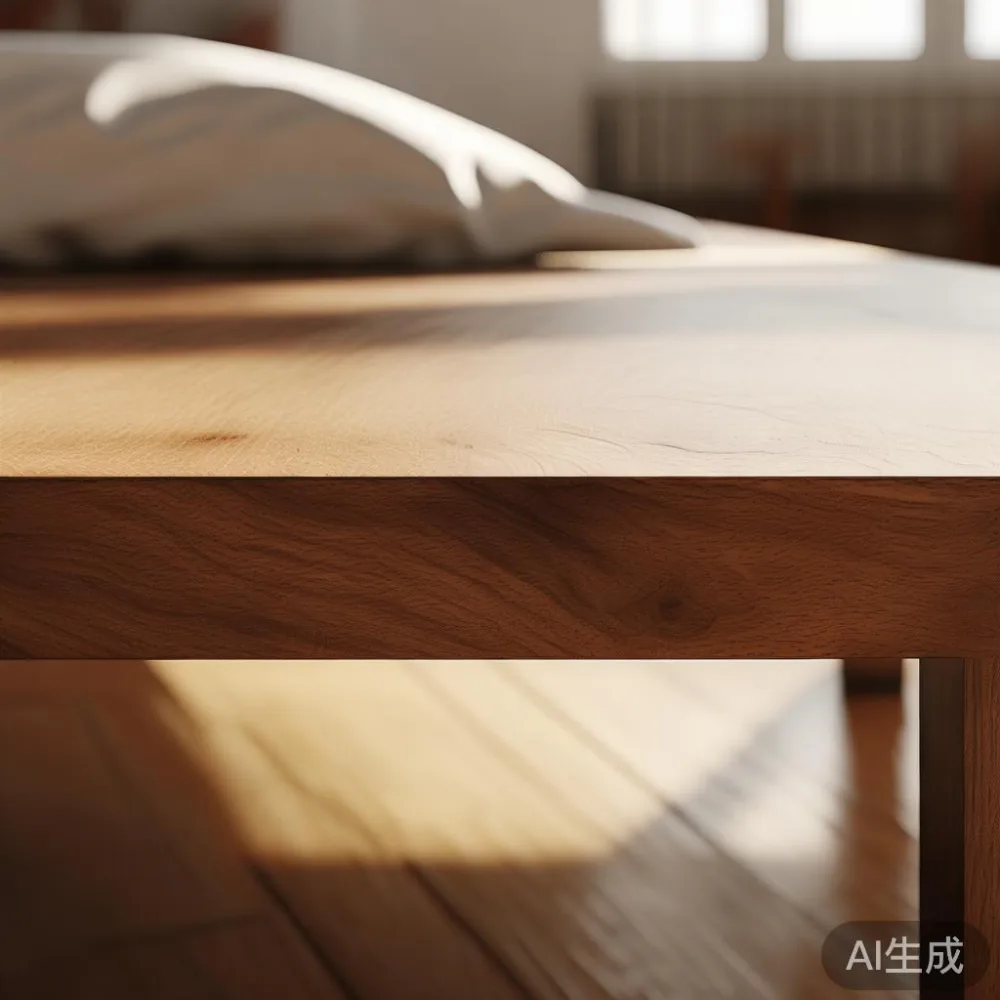
2. Walnut solid wood with a low satin sheen. Walnut reads warmer and richer than oak, and it pairs nicely with boucle or linen upholstery. Keep the top under 120 cm long so it does not overwhelm a 3 m living room .
3. A marble table top on a solid wood base. Travertine or honed Carrara gives you the warm minimal texture without the polish. A 90 cm round travertine coffee table is forgiving in tight condos because there are no corners to bruise shins.
Last week I visited a friend in a 1,020 sqft unit at Treasure At Tampines and she had picked a glossy black marble coffee table "because it looks expensive". Against her warm beige walls the black read harsh and modern, not warm minimal. Two weeks later she swapped it for a travertine oval and the room temperature visibly dropped by about three shades.
2How do you keep warm minimal from looking too sparse?
Warm minimal is not the same as empty. The trick is layering three to five objects on the coffee table and repeating the same restraint on the sideboard and the nightstand. A simple recipe I keep coming back to: one stack of two coffee-table books, one small ceramic vessel, one tray (wood, brass, or travertine), and one living element (a stem branch or a small pot of sage). Nothing taller than 25 cm so the eye line stays open across the sofa.
Texture is what keeps the look warm. Pair your solid wood coffee table with a wool rug (160 × 230 cm works for most 3-seater sofas), a linen throw on the solid wood sofa, and either a ribbed ceramic lamp or a paper lantern on the nearest console. If you have a TV, run a low oak media unit (180 cm wide, 38 cm tall) instead of a wall-mounted panel so the timber tone repeats across the room.
Which wood tones should match a warm minimal sofa?
If your solid wood sofa frame is light oak, your coffee table should ideally be one shade warmer or cooler than the frame, not the same tone. Same-tone timber is the most common mistake I see in Punggol walk-throughs; the whole living room turns into one beige blob. A useful rule of thumb: if the sofa is light oak, choose a walnut coffee table. If the sofa is walnut, choose an ash or white-oak coffee table. If the sofa is upholstered in linen with no visible wood frame, you have more freedom, and a marble table on a black-metal base can sit nicely.
For the dining table, repeat the same logic two zones away. A 1.6 m walnut dining table works against an oak sofa, and a 1.4 m oak dining table works against a walnut sofa. This repetition is what designers call "tonal echo", and it is the cheapest way to make a 90 sqm flat feel curated.
What about wardrobes and beds — do they follow the same rules?
Yes, and probably more strictly. A wardrobe is the largest single piece of furniture in most HDB bedrooms, and a bed frame is the second largest. If your warm minimal living room is built around light oak, bring that tone into the bedroom too, or use a painted finish in the same warm off-white so the wood does not feel random. This is also why a Modern light luxury wardrobe with oak-veneer sliding doors or a floor-to-ceiling cream laminate build has become a default in new BTOs at Bedok and Punggol — it visually disappears into the wall.
For the bed, stay under 1.8 m wide if your bedroom is under 12 sqm, and pick a frame with a low or no headboard to keep the silhouette quiet. A European light luxury bed with a curved boucle headboard can be the single soft accent in an otherwise quiet room; if you would rather keep costs down, a low oak platform with two linen pillows reads equally warm. Lift access is worth checking here too — a king-size European light luxury bed frame in a flat-pack box rarely fits a Tampines passenger lift, so confirm the unpacked dimensions before delivery. Most Singapore freight lifts accept 2.1 m × 1.0 m × 1.8 m; if your frame exceeds that, expect a S$80–S$150 hoist-fee surcharge.
How do I keep the budget sensible without losing the warm minimal look?
Singapore prices for solid wood furniture have moved up with GST at 9%, but warm minimal is actually easier to budget than, say, American light luxury interiors, because the palette is small and most pieces are standard sizes. A reasonable 4-room HDB warm-minimal furniture set, including a 2.4 m solid wood sofa, a 110 cm oak coffee table, a 1.6 m walnut dining table, a queen bed frame, a 2.4 m wardrobe, and two nightstands, lands somewhere between S$8,500 and S$14,000 if you shop direct from a Foshan factory with consolidated shipping.
A few practical budget moves that do not damage the look:
- Spend the most on the coffee table and the dining table (you use them daily), and save on side tables and stools.
- Choose one hero material — for most warm minimal rooms that means solid oak or walnut — and let everything else be paint-grade laminate or micro-cement.
- Buy the largest pieces from one maker so the timber tone matches across the solid wood sofa, the bed frame, and the dining table. This is also where direct-from-factory brands such as MIDHILL tend to outperform retail showrooms, because they cure and finish timber in the same batch.
- If you are tempted by French provincial curves, you do not need the full set; a single French provincial side chair or an arched mirror can carry the reference without flooding the room. For shoppers browsing for sale French provincial furniture, one accent piece is usually enough in a warm minimal flat.
Shipping is the line item people forget. Consolidated sea freight from Foshan to Singapore door-to-door typically runs S$280–S$450 per cubic metre, with 25–35 day transit. Lift landings on HDB floors 7 and above sometimes add S$60–S$120 for a two-man carry, so measure the lift before you commit.
Will a Japandi or Japanese-style bed frame clash with warm minimal?
No, it sits right inside it. Japandi is a near-cousin of warm minimal, and a low Japanese bed frame in ash or oak with a plain linen headboard is one of the easiest ways to extend the palette from the living room into the bedroom. If you are shortlisting the best Japanese bed for 2026, the category to focus on is platform beds at 28–35 cm total height, with slatted bases and either no headboard or a short, soft upholstered one. Anything taller than 45 cm starts to read Western and pulls the eye away from the warm minimal ceiling line.
The same goes for seating. The best Japanese sofa for 2026 is typically a low, deep, three-seater with a floor-skirted base in oak or ash and feather-wrapped cushions. It pairs well with a round or oval coffee table at 38 cm height so the two heights feel intentional rather than mismatched. Avoid sofas with metal legs higher than 15 cm if you want the Japandi reading to hold.
How do you style a wardrobe so it does not break the warm minimal wall?
This is the question I get most often from friends renovating in Punggol. A 2.4 m wardrobe in dark walnut will always dominate a 12 sqm bedroom, no matter how warm the rest of the palette is. Two fixes that consistently work: either build the wardrobe as a full-height flush panel in the same warm off-white as the wall (paint-grade laminate is fine), or recess a sliding-door wardrobe into a 600 mm stud wall so the doors sit flush with the corridor side. Both approaches let the wardrobe disappear into architecture, which is exactly what warm minimal is trying to do.
If you want the timber to show, restrict it to the sliding-door front panels in light oak and keep the interior carcass in a lighter cream laminate. For readers specifically researching how to style Japandi wardrobe in apartment settings, the rule is simple: one material on the outside, one quieter material on the inside, and as few handles as possible. Push-to-open or recessed finger pulls keep the facade clean. MIDHILL ships Japandi wardrobes in 600 mm, 800 mm, and 1,000 mm module widths so the carcass can be tailored to almost any HDB or condo bedroom, which is the kind of detail that matters once you start measuring walls.
Are light luxury accents worth the extra spend?
Light luxury is a finish category, not a furniture category, and the upgrade usually shows up in three places: drawer runners, fabric weight, and surface treatment. A soft-close runner on every wardrobe drawer and bedside drawer costs roughly S$18–S$35 per drawer over a standard runner. A 400 gsm boucle on a headboard is about 30–40% more expensive than a 250 gsm linen. A hand-oiled walnut finish is around S$120–S$220 more per piece than a sprayed PU finish. None of those upgrades change the warm minimal silhouette, which is exactly why they are worth budgeting for if you can.
The pieces where light luxury pays back fastest, in my experience, are the ones you touch every day: the nightstand drawer, the coffee table edge, the wardrobe handle. The pieces where it pays back slowest are the ones you look at but rarely touch, such as the top shelf of a wardrobe or a decorative side table. Spend accordingly.
How should a coffee table behave at night?
Warm minimal rooms tend to glow rather than shine, so the lighting around the coffee table matters as much as the table itself. A 2700K floor lamp about 35 cm behind the sofa, a small 2200K picture light on the wall art above, and a single candle or salt lamp on the tray is usually enough. Anything cooler than 3000K will read clinical and undo the warm tone of the oak or walnut.
If you entertain, a 90 cm round or 110 × 65 cm oval coffee table seats four drinks comfortably; a 120 × 60 cm rectangle fits five but starts to crowd a 2.4 m sofa. Height should sit 5 cm below the sofa seat or exactly level with it. Anything taller than the seat by more than 5 cm will catch elbows and look like a dining table that lost its way.
What real numbers should I plan around?
A few figures worth pinning to the wall before you order:
- Coffee table: 110 × 65 cm, 38–42 cm tall, 12–18 kg for solid oak, 22–30 kg for marble-on-wood.
- Standard HDB corridor width: 1.2–1.5 m; measure the lift door (usually 0.9 m wide × 2.1 m tall) and the lift car (typically 1.6 m wide × 1.5 m deep) before ordering anything longer than 1.8 m.
- Lead time from a Foshan direct-factory order to a Singapore door: 25–35 days by sea, 7–12 days by air, with GST 9% on the declared value plus a S$8–S$15 customs fee per consignment.
- Typical warm-minimal set budget for a 4-room HDB: S$8,500–S$14,000 all-in, depending on whether the dining table is solid timber or timber-and-veneer.
- Returns window: 14 days is standard for direct-factory online orders, but custom wardrobe sizes are usually non-returnable, so confirm measurements twice.
For shoppers browsing for sale French provincial furniture, MIDHILL lists a small French provincial accent range on midhill.co alongside its core warm-minimal and Japandi collections, so the accent pieces can be ordered in the same shipment as the main set and save on freight. That kind of consolidation is what brings a five-figure furniture set back down into a four-figure landed cost once you share the container with your own sofa, bed frame, dining table, wardrobe, nightstand, and marble table.
Will the look still feel current in five years?
Warm minimal is one of the more resilient interior directions because it is built on natural materials rather than fashion colours. Oak, walnut, linen, boucle, travertine, and brushed brass have all been in circulation for a decade and will continue to be, with the accent shades shifting slightly every two or three years. A 2026 warm-minimal living room will look very similar to a 2024 one, with the only obvious update usually being a swap of textile accents — sage for rust, rust for caramel — and a refresh of the coffee table styling tray.
If you invest in solid timber for the long-haul pieces (the bed frame, the dining table, the wardrobe, the coffee table) and keep the textile and decor pieces replaceable, the room will age gracefully. That is also why direct-from-factory solid wood has real value in this category: the pieces can be sanded and re-oiled every 7–10 years and come back looking close to new, which is not something a veneer or laminate piece can promise.