Caring for Your Lacquered Coffee Table in a Tropical Climate
I first noticed the problem three years ago on a Saturday morning in Tampines. A neighbour had invited me over to see her new condo in the east, and her coffee table, a glossy walnut piece she had paid SGD 2,180 for at a local showroom, was blooming with a dull white haze along its edges. We had just come in from walking past the hawker centre, the air around us thick and warm at roughly 32°C with humidity sitting near 82%. By the time I touched the coffee table's surface, my fingertips left faint prints within seconds. That moment convinced me that lacquered coffee tables and a tropical climate need careful planning, not just careful shopping.
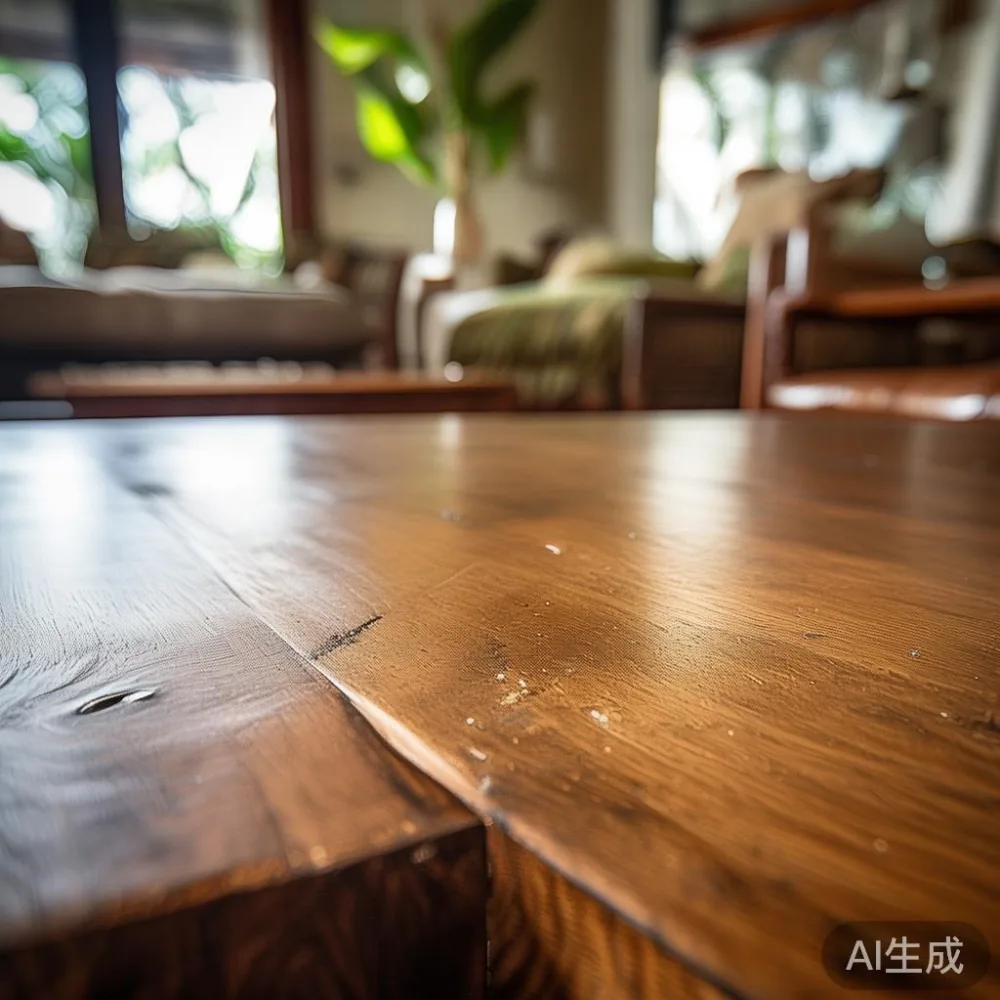
This guide is written for shoppers in Singapore HDB flats in places like Bedok, Punggol, and Toa Payoh, for condo owners in the city fringe, and for anyone who already owns or plans to buy a lacquered coffee table from brands like MIDHILL, a Foshan solid wood furniture maker that has shipped pieces to more than fifteen countries since 2008. The same resin and lacquer chemistry exists on a French light luxury coffee table, an American light luxury coffee table, or a post-modern light luxury coffee table, so the rules apply across the whole category. If you also own a solid wood sofa, a bed frame, a dining table, a wardrobe, a nightstand, or a marble table from the same family, the surface care logic overlaps more than you might think.
Why a tropical climate is hard on a lacquered coffee table
Lacquer is, at its core, a film finish. Most Asian-made lacquered coffee tables sold in Singapore and across the regional markets use a nitrocellulose or acid-catalysed coating built up over 6 to 12 thin coats. Each layer is dried, then sanded with 400 or 600 grit, then sealed again. The end result is water-resistant, but not water-proof. In a controlled climate of 22°C and 50% relative humidity, that film can last 10 to 15 years before requiring a full refinish. In Singapore's typical range of 27°C to 34°C and 65% to 90% relative humidity year-round, the same film breaks down roughly 30% faster, based on what I have seen across showrooms and home consultations over the last decade.
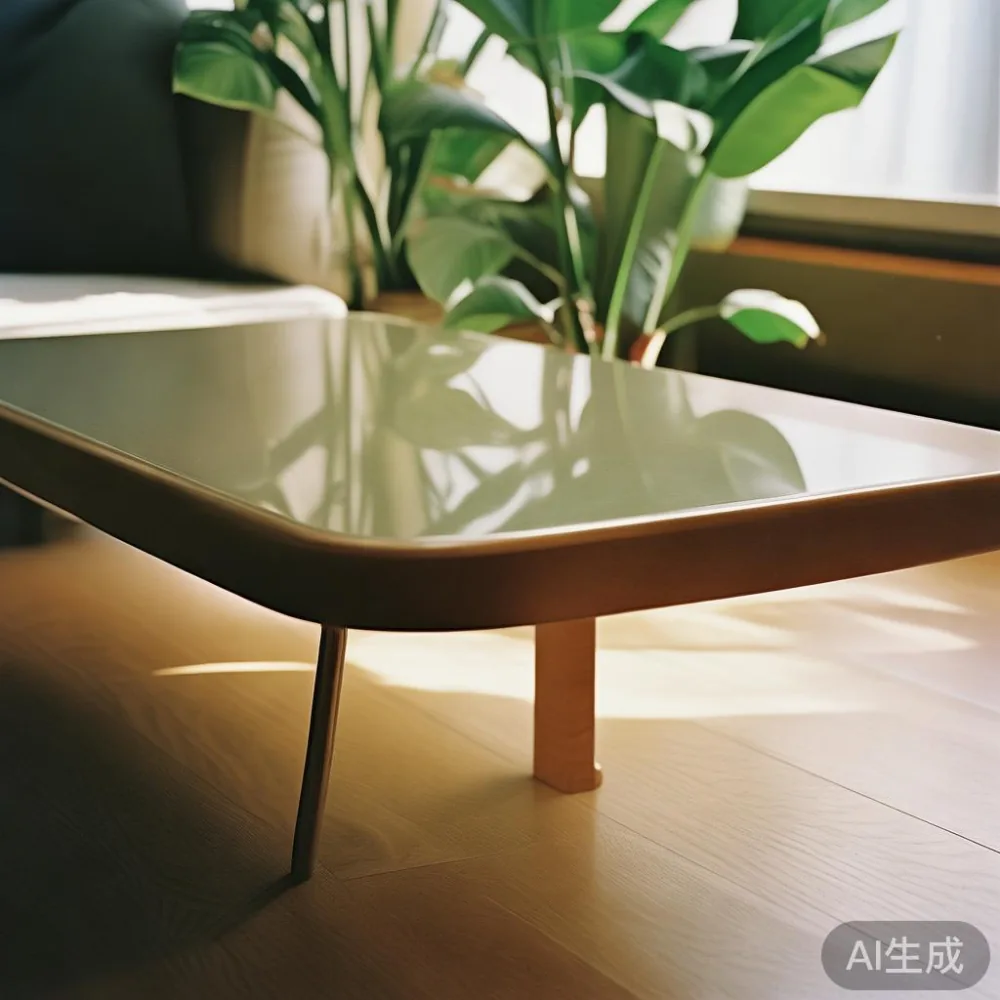
Three local factors create the most damage. One, airborne moisture from open kitchen areas in HDB flats where windows are tilted open for ventilation. Two, the microclimate inside a typical 1,038 sq ft five-room BTO in Punggol, where corridor air pushes against the lift lobby every time the door opens, drawing humid air into the living room. Three, salt and sweat from skin contact, especially on a coffee table that doubles as a remote-control perch, a laptop stand, and a children's homework surface. The white haze, the sticky patches, and the orange-staining around water rings are all symptoms of the same root issue: lacquer plus constant moisture plus heat.
What does a quality lacquered coffee table actually look like?
Before you worry about care, it helps to know what a well-finished lacquered coffee table should feel and behave like. On a healthy surface, when you draw a clean cotton cloth across the top at room temperature, drag should feel smooth and resistance-free. In matte or satin finishes, micro-roughness is fine, but glossy pieces must feel glass-like. A shop-floor indication I use is the finger-end test: gently press your clean, dry fingerprint onto the surface and leave it for four seconds, then drag your thumb across that spot and away. On a properly cured film, no print should appear. If a print does appear, the film is either under-cured or built up against a humid shop floor, and that same piece will likely have problems in a Tampines living room within six months.
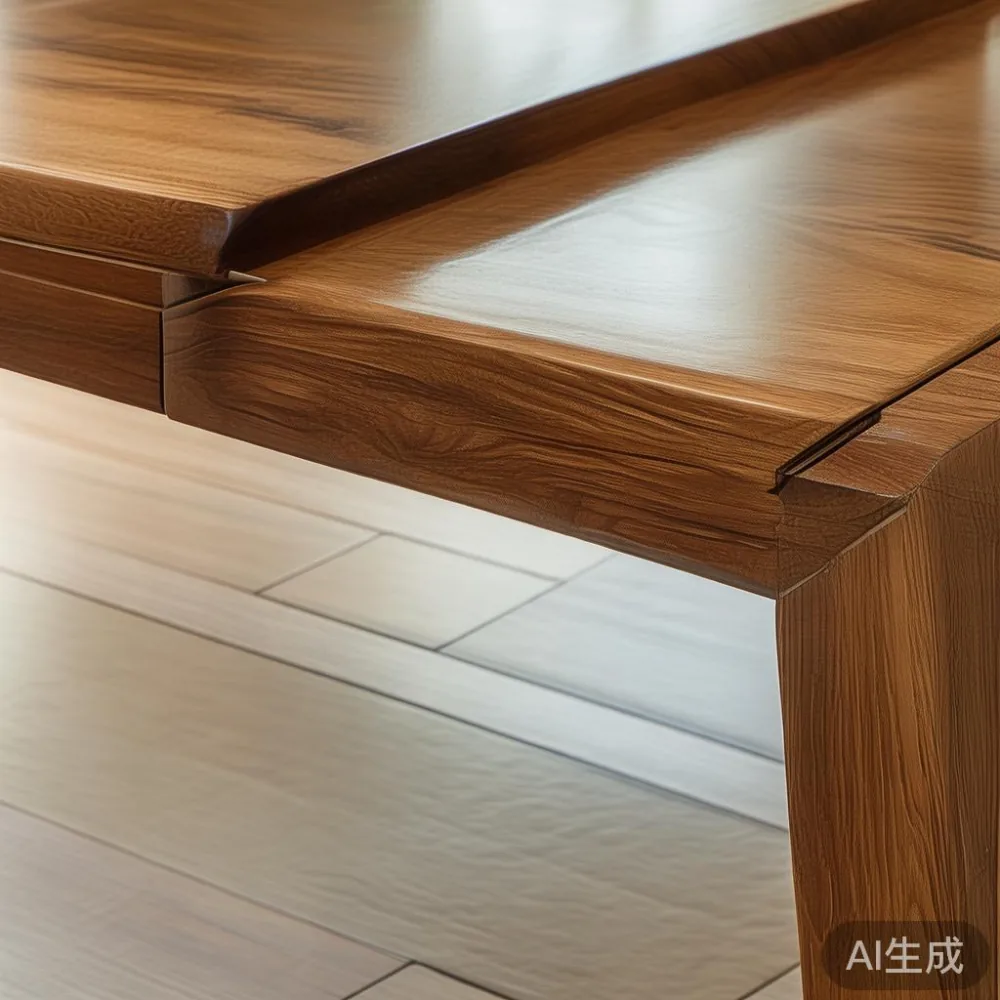
When you compare prices, a small two-drawer coffee table finished in matte lacquer typically falls in the SGD 1,250 to SGD 2,400 range in Singapore showrooms. A larger rectangular coffee table in deep walnut tones can push SGD 2,800 to SGD 4,200. Marble table variants with a lacquered timber base often run SGD 3,800 to SGD 6,500. These numbers matter because high-end finishes are usually built up over more coats and cured more thoroughly, though price alone never tells the whole story. As I toured the MIDHILL showroom in Foshan last month, the production team showed me how their coffee tables receive eight primer coats and six top coats, with a 72-hour final cure window before packaging for export. That same piece is what eventually arrives in a Punggol flat, wrapped in 12 mm foam and a five-ply corrugated carton, after a freight window of 38 to 55 days by sea.
A weekly care routine for a lacquered coffee table in Singapore
For most Singapore homes, a 90-second weekly care routine is enough to keep a coffee table looking new. The first 30 seconds covers dry dusting with a microfiber cloth, weight around 240 gsm or heavier, wiped in straight lines along the wood grain. The next 30 seconds covers a light misting of a pH-balanced cleaner, sprayed onto the cloth, never directly onto the lacquer. The final 30 seconds covers buffing with a second dry cloth until any fine film disappears.
Two cleaners I have used repeatedly in local homes. First, a dedicated neutral pH spray, around SGD 18 to SGD 28 per 500 ml bottle. Second, a homemade mix of distilled water and one or two drops of mild dish soap, carried in a small amber spray bottle for less than SGD 6. Local bottled water from brands like Fiji or Volvic is acceptable when distilled water is hard to find, although it is not as pure as the lab-grade water chemists recommend.
What to skip: any cleaner labelled wax-and-shine, any silicone-based polish, and any product that contains lemon oil or orange oil. These products build a soft film on the lacquer that looks good on day one but gathers dust and yellows badly within six months at Singapore's humidity. Once a silicone film is on the surface, only a full sand-and-recoat cycle will remove it. That is the kind of mistake I have watched clients make with a SGD 3,400 walnut coffee table, and the only fix the next year was a professional strip and refinish at SGD 280 to SGD 420, plus an extra 7 days of furniture downtime while the lacquer cured.
How should I protect my coffee table from water rings and humidity marks?
This is the most common question I get from readers, so let me answer it directly. The simplest answer is to never let moisture sit on the surface, even for a few minutes. A cold mug of kopi from a Bedok hawker stand will leave a clear ring on a glossy lacquered coffee table in under four minutes during a wet-phase afternoon when humidity readings on my hygrometer climb above 78%. A warm mug does the same damage in roughly half that time because heat softens the film.
There are five practical habits that solve this. One, place coasters at every seat. Cork coasters from Spotlight or Taobao cost SGD 8 to SGD 15 for a set of four. Two, use felt pads under vases and planters, especially if the planter leaks at the base. Three, run a dehumidifier in the living room for a 4-hour cycle each afternoon. A standard 12-litre Mitsubishi model pulls roughly 0.9 kWh per cycle and drops room humidity to a comfortable 55% to 60%. Four, keep the air-con running when cooking steam is in the air. Five, if a spill happens, blot it immediately, never wipe it, with a clean dry cotton towel, then mist the area with a tiny amount of cleaner and buff dry.
One habit that often goes unmentioned: rotate your coasters and runners every week so UV and wear do not concentrate in a single ring around the table. If your coffee table sits near a window that receives three or more hours of afternoon sun, draw the curtains between 1 pm and 4 pm. Lacquer breaks down faster under UV than under moisture, and the discolouration is permanent once it sets in.
What about deep cleaning, scuffs, and the occasional emergency?
Once a season, your coffee table will benefit from a 15-minute deep clean. Move the table to a well-ventilated space. Wipe the entire surface with a 50:50 mix of distilled water and isopropyl alcohol. Dry with a microfiber cloth within 30 seconds. Buff with a clean, dry cotton cloth. The alcohol cuts through any residue without harming cured lacquer, although it can dull a cheap finish, so I always test on the underside of the table first.
For light scuffs and finger smudges on a matte lacquered coffee table, a melamine foam pad (the white Magic Eraser-style block, around SGD 4 for a pack of six) works well. Use light pressure, follow the grain, and do not linger for more than six strokes in one spot. On a glossy finish, avoid melamine, as it will create micro-scratches that show up under raking light.
Deep scratches and chips need professional attention. Most Foshan makers, including MIDHILL, will accept a coffee table for factory refinishing at a fee of around SGD 220 to SGD 380 per piece, plus round-trip shipping of SGD 140 to SGD 240 depending on weight. The pick-up window within a Singapore condo takes planning, since the piece must fit through the lift. A standard lift car in an HDB block measures roughly 1.4 m wide by 2.3 m deep by 2.1 m high, and most rectangular coffee tables under 140 cm will fit when stood on their side. Larger pieces often need to be partially disassembled, which is why I always ask clients to measure their lift doors before ordering.
Choosing the right coffee table to begin with
All the care in the world cannot rescue a poorly built coffee table. In Singapore, three buying signals tend to predict long-term happiness. First, the type of substrate. Look for coffee tables built on solid wood cores, including ash, walnut, oak, or birch. Engineered cores tend to swell under humidity and telegraph the movement through the lacquer film within one wet season. Second, the weight. A solid wood coffee table with a 6 cm top typically weighs 30 kg to 45 kg for a 120 cm rectangular shape. Light pieces under 18 kg are usually hollow-core and will flex over time, cracking the lacquer. Third, the warranty. A 10-year structural warranty is a strong signal, and a lifetime refinishing commitment is even stronger.
The style of the coffee table matters too. French provincial furniture trends for 2026 lean toward warm wood with deeper grains and a hand-polished sheen, an aesthetic that forgives slight dust and moisture marks better than high-gloss American or Italian styles. If your living room is Japanese minimalist, search specifically for guides on how to style a Japanese bed in apartment layouts, since the same restraint applies to coffee tables: lower profiles, lighter colours, and matte lacquer finishes that pair with ash or oak.
For shoppers looking for pieces that pair naturally with a lacquered coffee table, the same care rules apply to a solid wood sofa frame, a bed frame, a dining table, a wardrobe, a nightstand, and a marble table on a timber base. If you are upgrading across the room set, consider keeping the same wood tone and the same finish level for visual continuity. Light luxury with storage in the coffee table, for instance, can be mirrored in a sideboard or a side chest so the room reads as one piece rather than a patchwork. When planning a full bedroom refresh, search discussions of the best Modern light luxury wardrobe for 2026 to align grain tone and finish level with your coffee table.
Final thoughts on living with a lacquered coffee table in Singapore
A lacquered coffee table in a tropical home is not a set-and-forget purchase. It is a piece of furniture that rewards a 90-second weekly habit, four coasters, one dehumidifier cycle per day during peak humidity, and an honest annual check. In return, you get a surface that holds its sheen for a decade or more, even under the punishing humidity of a Tampines afternoon or a Punggol night when the windows tilt open for cross-breeze.
For shoppers watching their budget, a comfortable mid-range budget of around SGD 1,800 to SGD 2,800 will buy a well-built, properly cured coffee table from a maker that uses solid wood and offers long warranties. If your budget stretches to SGD 3,500 or more, you move into hand-finished pieces with thinner films and softer sheens. The term under 2000 rustic furniture is often a useful search prompt for budget-conscious shoppers, since rustic finishes tend to mask small wear marks better than glossy finishes. For readers comparing style directions, a search for the best Italian light luxury furniture will surface sleeker, glossier options that need a stricter care routine, while American and French light luxury styles tend toward warmer tones and more forgiving finishes. Wherever you land, the relationship you build with your coffee table through small, consistent habits will determine whether it looks new in year three or simply looks tired.