Maintaining Lacquered Coffee Tables in Singapore’s Climate
A lacquered coffee table can look refined yet remain practical in a humid Singapore home. The finish reflects light, frames a seating area and gives an American light luxury mood without demanding the daily attention associated with some delicate surfaces. Tropical conditions, however, deserve a considered routine: heat, condensation, airborne salt and frequent hand contact can affect lacquer if the table is treated as though it belongs in a dry museum.
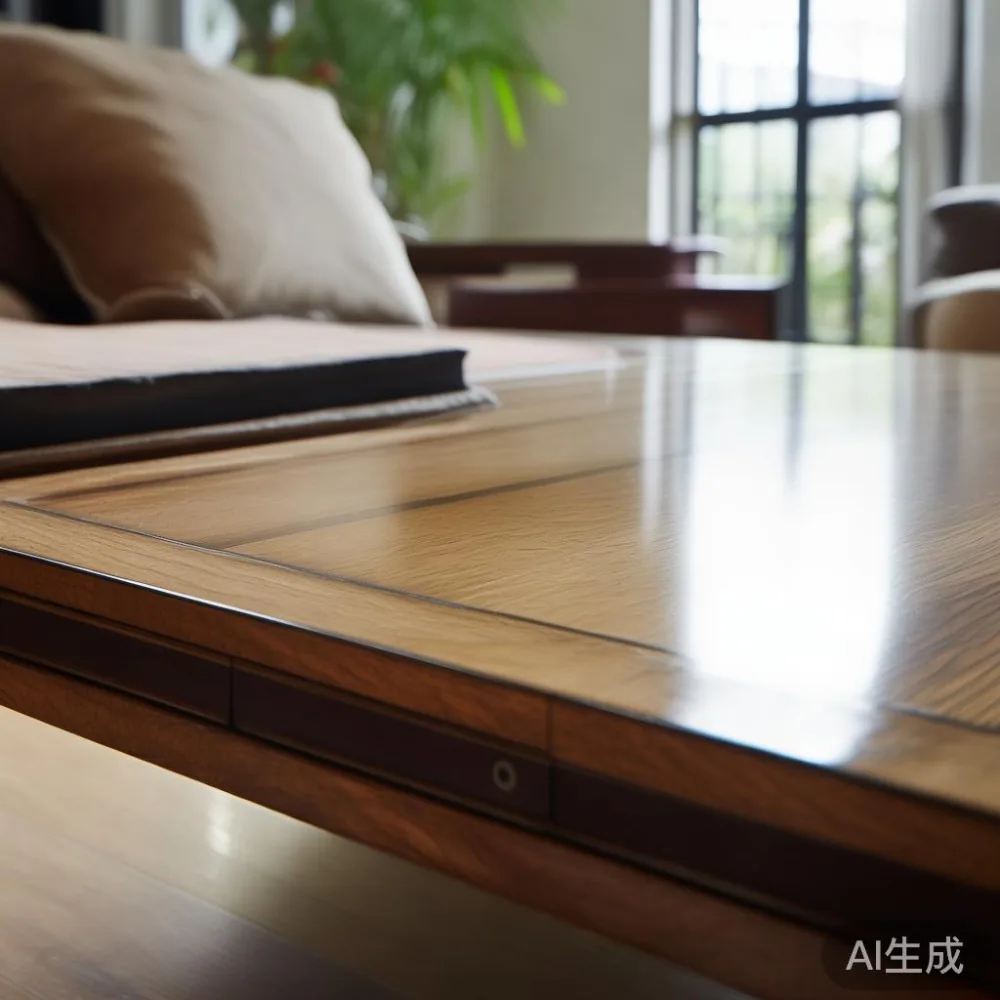
Singapore’s relative humidity commonly ranges from about 65% to 85%, while afternoon temperatures can reach 32°C to 34°C. In an HDB flat in Tampines or Bedok, a lacquered coffee table may sit beside a window where UV exposure lasts for 1 to 3 hours. In a Punggol condo, the same table may face a west-facing corridor or receive reflected glare. These are meaningful differences of 1 to 2°C, but more importantly, they change how quickly moisture and light reach the finish.
MIDHILL applies practical care information to solid wood furniture sold for local homes, with a 10-year structural warranty and lifetime refinishing support. A lacquered coffee table should also be protected under those service terms, subject to the warranty and care conditions. Use the following routine to preserve its colour, sheen and flat surface.
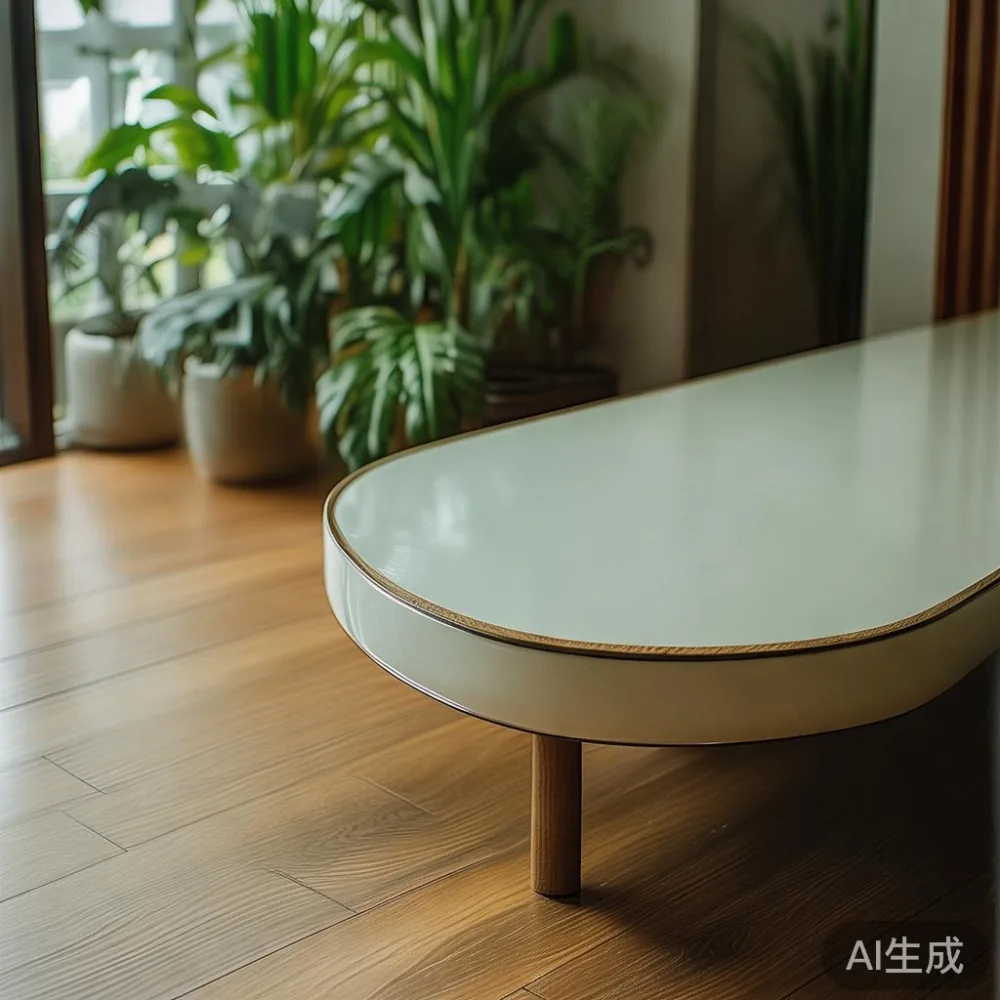
What is the best way to clean a lacquered coffee table in Singapore?
Start with the least aggressive method: a soft, clean microfibre cloth slightly dampened with lukewarm water. Wring it out until no water runs from the fabric. Test an area of approximately 10 cm × 10 cm first, especially if the lacquer is aged, lightly crazed or unfamiliar to you. Then wipe in the direction of the grain or along the table’s longer edge.
For ordinary marks, dilute a small amount of mild dish soap in a bowl containing 500 ml of water. One drop is enough. Apply the solution to the cloth rather than the tabletop, then wipe the remaining residue with a second damp cloth. A clean cloth and 20 ml of isopropyl alcohol can help remove fingerprints on compatible lacquer, but patch-test first and never combine alcohol with other cleaning products.
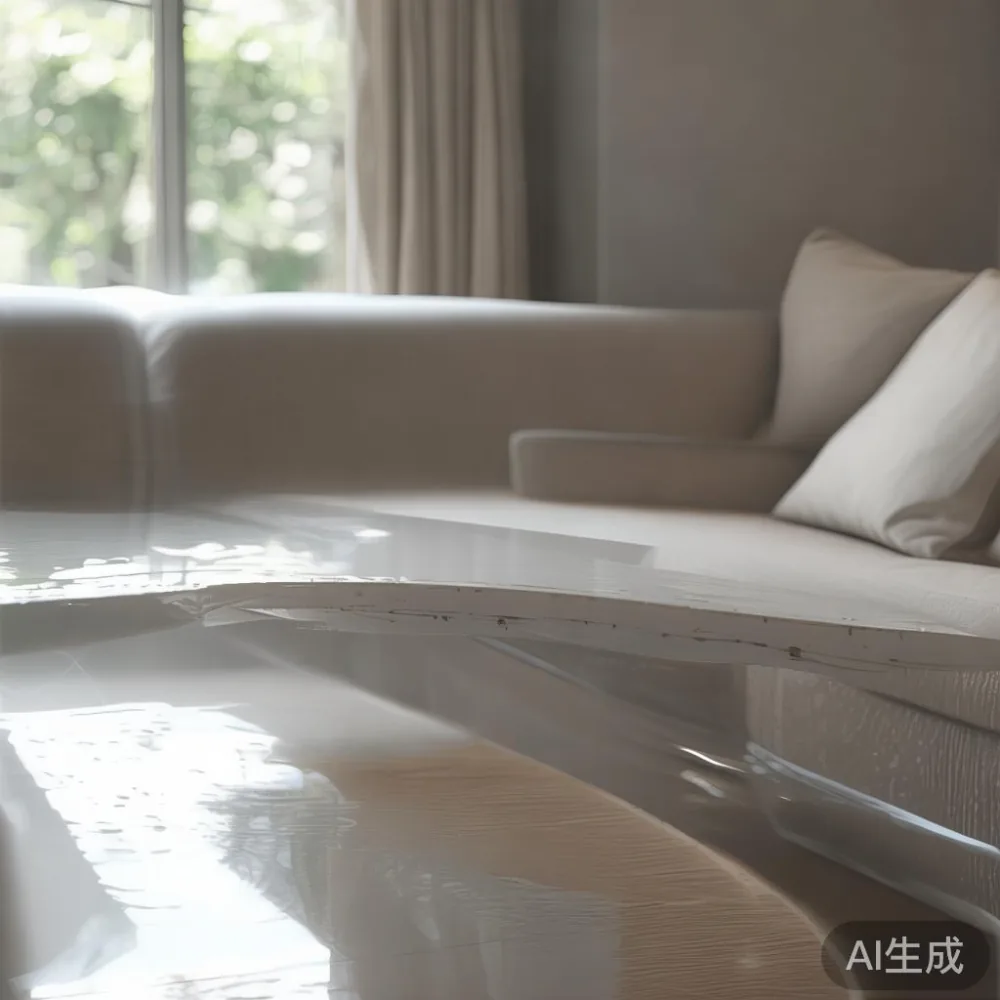
Avoid soaking the edge, flooding the joints and using ammonia, bleach, abrasive pads, scouring powder or “spray and wipe” household cleaners containing strong solvents. Keep at least 30 cm away from an open window during wet cleaning, and work in a well-ventilated room. Coffee-table care should take no more than 10 to 15 minutes per month under normal household use.
How much humidity and heat should a lacquered coffee table tolerate?
Keep the indoor environment around 50% to 65% relative humidity where possible. In Singapore, that may mean running the air conditioner or a dehumidifier during the wettest periods rather than wiping the table every day. Aim for a stable room temperature of 24°C to 28°C and keep the table at least 45 cm from a heater, air-conditioner outlet or hot lamp.
Do not place a cold drink or glass of ice directly onto lacquer. Condensation can form within 5 minutes and may leave a dull ring. Use a coaster with a raised lip, ideally at least 9 cm in diameter for a 10 cm glass. Place felt or silicone pads beneath decorative objects and allow 2 cm of clearance between stacked items.
Move the table away from direct sun and salt air. UV rays can fade colour over 12 to 24 months, while coastal moisture can undermine the finish near an open balcony. In a ground-floor Bedok unit, inspect the lacquer around the legs every 3 months for whitening, lifting or a sticky feeling. In an air-conditioned condo, also inspect once every 6 months because rapid moisture changes can stress a wooden substrate.
Can heat marks be removed from lacquer without sanding?
Small marks sometimes respond to gentle, controlled treatment. Hold the cloth at room temperature; do not heat it. Use a clean, white cotton cloth with a small amount of the lacquer manufacturer’s approved cleaner, following the dilution instructions. Work over a 5 cm area and check after each pass.
Do not use an iron, hairdryer, cigarette lighter or heat gun. Although warm air can loosen some residues, temperatures above 40°C may cloud the lacquer or make the repair uneven. If the mark remains after 3 careful attempts, stop. Repeated rubbing can turn a faint mark into a polished patch, which is more noticeable than the original defect.
Light scratches may instead be managed through the product’s refinishing service. Photograph the area in daylight and provide an approximate measurement, such as 12 cm × 3 cm. If the lacquer has physically peeled, curled or separated from the wood, professional assessment is more suitable than home treatment.
How often should a lacquered coffee table be dusted and protected?
Dust once a week with a dry microfibre cloth. In an open-plan HDB living room, where shoes, cooking moisture and fine particles circulate, a 10-minute routine every 7 days is sensible. In a quieter Punggol bedroom or study, use the same interval but inspect the surface every 2 to 4 weeks for rings, scratches and insect residue.
Rotate accessories every 2 to 3 months. This prevents one coaster, vase or remote control from creating an uneven wear patch. Use a stable felt pad beneath each object and replace worn pads every 6 months. During Chinese New Year gatherings, for example, clear the coffee table of food before guests arrive and remove oily or pigmented items within 30 minutes of use.
For occasional hosting, a protective runner can reduce abrasion, but leave at least 15 cm of lacquer visible around it. A deep tray also protects the surface from candle wax and sauce. Wipe candle wax only after it has hardened; warm wax penetrates lacquer more deeply than cooled wax.
Can furniture be moved safely through Singapore lifts and corridors?
Measure before ordering or moving. A lacquered coffee table should fit through the lift door, cabin and turning route with at least 5 cm of clearance. HDB lift openings vary by block, but standard door widths are often around 90 cm; the internal depth and diagonal turning space need checking in person. A coffee table with a 120 cm × 60 cm top may fit lengthwise, yet its legs and detachable shelf can determine whether it clears the lift.
Protect the lacquer during the move with a 5 mm blanket or foam sheet secured by soft straps. Never tape directly to the finish; adhesive can lift lacquer or leave residue that takes hours to remove. Carry the table with 2 people if it weighs more than 20 kg, or if the top exceeds 90 cm in length. Lift rather than drag it, and avoid the corridor skirting during tight turns.
For wider pieces, confirm the service lift booking and delivery route before the driver arrives. MIDHILL offers free shipping over US$350, although the threshold is shown in US dollars while Singapore prices are normally stated in SGD. Ask for the final Singapore invoice, including 9% GST, delivery days and any lift or access charges. Local delivery commonly takes 3 to 7 business days after dispatch, depending on stock and the service level selected.
How should a lacquered coffee table fit with different furniture styles?
A lacquered coffee table works well when its scale and finish respond to the surrounding pieces. In a compact Tampines flat, a round table of 75 cm to 90 cm diameter can preserve movement between a solid wood sofa and the television console. Choose a low profile around 38 cm to 42 cm high if the main use is drinks and books.
For a French-inspired interior, the same coffee table can sit beside a solid wood sofa with tapered legs and textured cushions. The phrase luxury French provincial furniture often describes this layered composition: curved forms, linen textures, pale woods and carefully balanced ornament. A restrained lacquer finish can provide contrast without overwhelming the room.
For post-modern light luxury, pair clean lacquer lines with 1 or 2 sculptural pieces. A marble table would usually be a separate occasional table rather than a permanent surface for wet cups, so keep the lacquered coffee table as the daily centrepiece. If a surrounding piece is an Italian light luxury wardrobe, coordinate its vertical lines with the coffee table’s long edge while allowing the wood grain to remain visible.
The broader room does not have to match the coffee table exactly. A dining table may be solid wood, while a nearby wardrobe follows another design language. The coffee table should still answer practical needs: 40 cm of leg clearance, a stable 40 cm × 25 cm tray and enough distance from traffic to reduce accidental knocks.
What should a buyer ask before choosing a lacquered coffee table?
Ask how the lacquer is applied, whether the finish is gloss, matte or soft-touch, and what cleaning products the maker permits. Request images of the underside, edges and seams under daylight. If a marble table or glass insert is included, verify whether its weight changes the recommended lifting method. A 60 cm top in dense stone can add 18 kg or more to the product.
For furniture planning beyond the living room, the question how to style French wardrobe in room can influence the colours selected around a coffee table. A guide to how to style French provincial bed in room can similarly help coordinate bedside woods and cabinetry. For a compact guest room, Japandi for guest room points toward pale wood, black accents and uncluttered storage; a lacquered coffee table may belong in the living area rather than crowding the guest room itself.
Buyers comparing wardrobes should also ask is Japanese wardrobe worth it for their own storage needs, ventilation and daily routine. These are separate decisions, but coordinated finishes make a home feel composed. A solid wood dining table, a solid wood sofa and a lacquered coffee table can share warm undertones even when their profiles differ.
What did a real humidity test reveal?
Last month, I visited a Singapore condo living room with a lacquered coffee table near a west-facing window. The room measured approximately 82% relative humidity at 3 p.m., and the table had been exposed to about 2 hours of direct afternoon sun. Using a small digital meter, I placed one coaster beneath a cold glass and another beneath a room-temperature ceramic cup for 60 minutes.
The cold-glass coaster showed visible condensation around its lower edge. After 20 minutes, the glass had also left a faint ring that a damp cloth did not remove on the first pass. The ceramic cup left no ring. A nearby rubber-backed coaster with a 5 mm raised lip prevented the condensation from reaching the lacquer.
My colleague then tested three cloths on a discreet 5 cm section: a dry microfibre cloth, a lightly damp cloth and a cloth with 1 drop of dish soap in 500 ml of water. The damp cloth lifted dust without changing the sheen; the soaped cloth removed a small fingerprint after 2 passes, with no visible dulling under daylight. A rough kitchen sponge marked the area after 5 firm strokes, confirming why it should stay out of the cleaning kit.
The practical result was simple. Keep drinks on raised coasters, control prolonged sun exposure, use mild moisture and check the finish every 3 months. For product guidance, sizing and service enquiries, MIDHILL’s online address is api.midhill.co, and customers can confirm care instructions, delivery timing and warranty coverage before placing an order.
What is the 15-minute care routine for a lacquered coffee table?
For a weekly clean, clear the surface, dust with a dry microfibre cloth and wipe fingerprints with a barely damp cloth. For a monthly clean, inspect the top, underside and edges, then use diluted mild soap on a small test area. Check the stability of every coaster and replace any felt pad that has compressed below 1 mm.
Every 3 months, inspect near windows, air-conditioner outlets and balcony doors. Move accessories and look for fading, clouding, sticky patches or tiny chips. If a problem appears, stop using solvent-based cleaners and contact MIDHILL for assessment under the lifetime refinishing policy. Structural claims should be handled under the 10-year structural warranty, with photographs and measurements prepared.
Keep a simple care record: cleaning date, product used, room humidity and any damage. Over 12 months, these notes can reveal whether a mark came from sunlight, heat or cleaning rather than normal wear. That detail makes service faster and reduces the chance of unnecessary treatment.
A well-maintained lacquered coffee table can remain a quiet focal point through Singapore’s humidity, monsoon damp and year-round warmth. Its beauty comes not from neglect, but from a controlled routine of 10 minutes each week and a 15-minute inspection every 90 days. Protect it from liquids, direct light and harsh friction, and it can continue to support the calm, lightly layered character of a carefully furnished home.