Coffee Table Warranties in Singapore: How to Read the Fine Print Without Getting Caught Out
I learned this lesson the hard way. Eighteen months ago I bought a glossy coffee table from a furniture expo in Expo Hall 7, charmed by a sales pitch that promised a "lifetime warranty." When the lacquer started clouding around the legs six months later, the brand told me the warranty only covered the frame — not the finish, not the marble table top, not the drawer runners. The repair quote came back at S$420. That coffee table still sits in my living room in Tampines, but the resentment does too. So when a friend in Bedok asked me to vet a warranty for a new solid wood coffee table she was about to order, I cleared my evening and pulled out a highlighter. This guide is everything we walked through together.
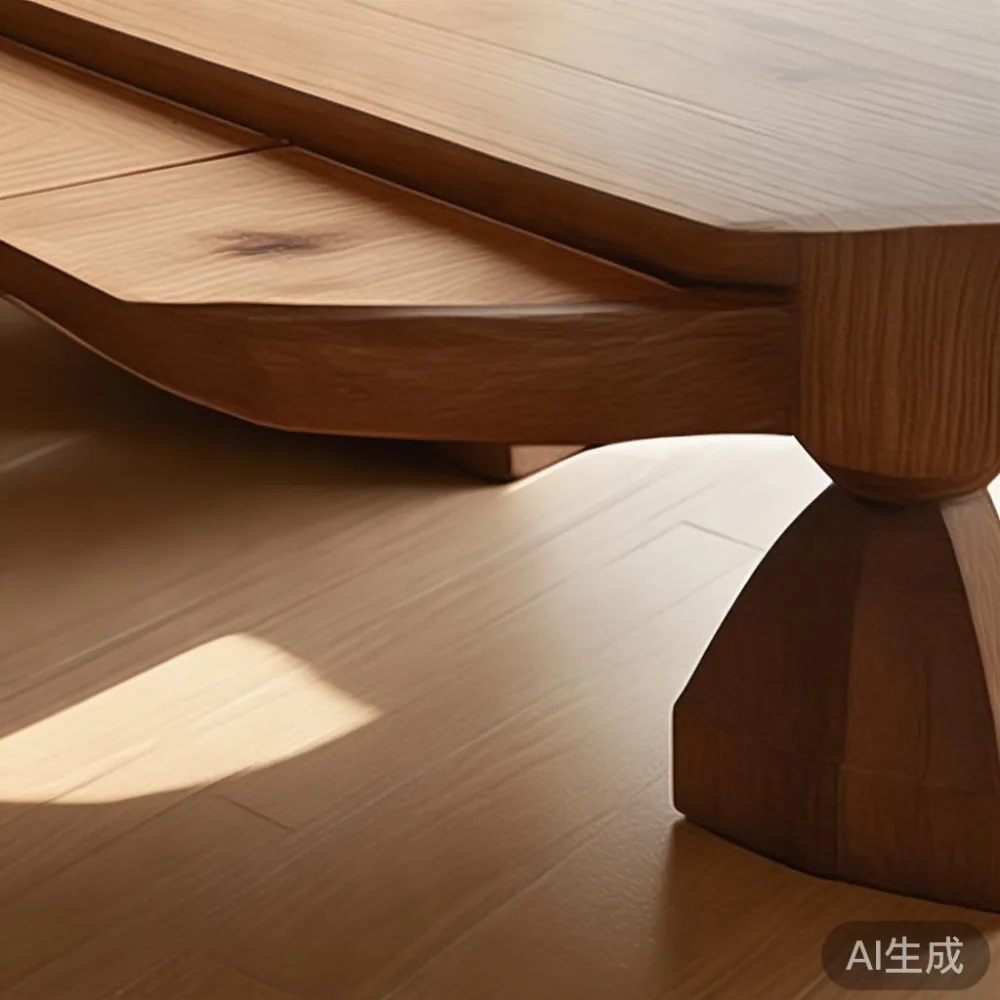
What does a furniture warranty actually cover on a coffee table?
A warranty is a contract, not a vibe. For a coffee table, you should expect four named categories: structural integrity (legs, aprons, frame joinery), surface finish (lacquer, oil, wax), hardware (drawer slides, soft-close hinges, lift mechanisms on lift-top coffee tables), and sometimes upholstery or marble table components. If your invoice only mentions "structural defects," that means the underframe and load-bearing joints — usually oak, ash, or rubberwood — and nothing else. The finish on a French light luxury piece, for example, often sits in a separate category because the supplier who applies the lacquer is different from the joinery workshop.
MIDHILL, the Foshan solid wood maker behind many pieces shipped to Singapore, breaks its warranty into exactly these buckets. A 10-year structural warranty covers the frame of a solid wood coffee table, a separate term covers finish delamination, and a third clause covers hardware defects. When a brand is vague, ask for the internal SKU code of the warranty — it usually maps to a one-page document you can request before paying.
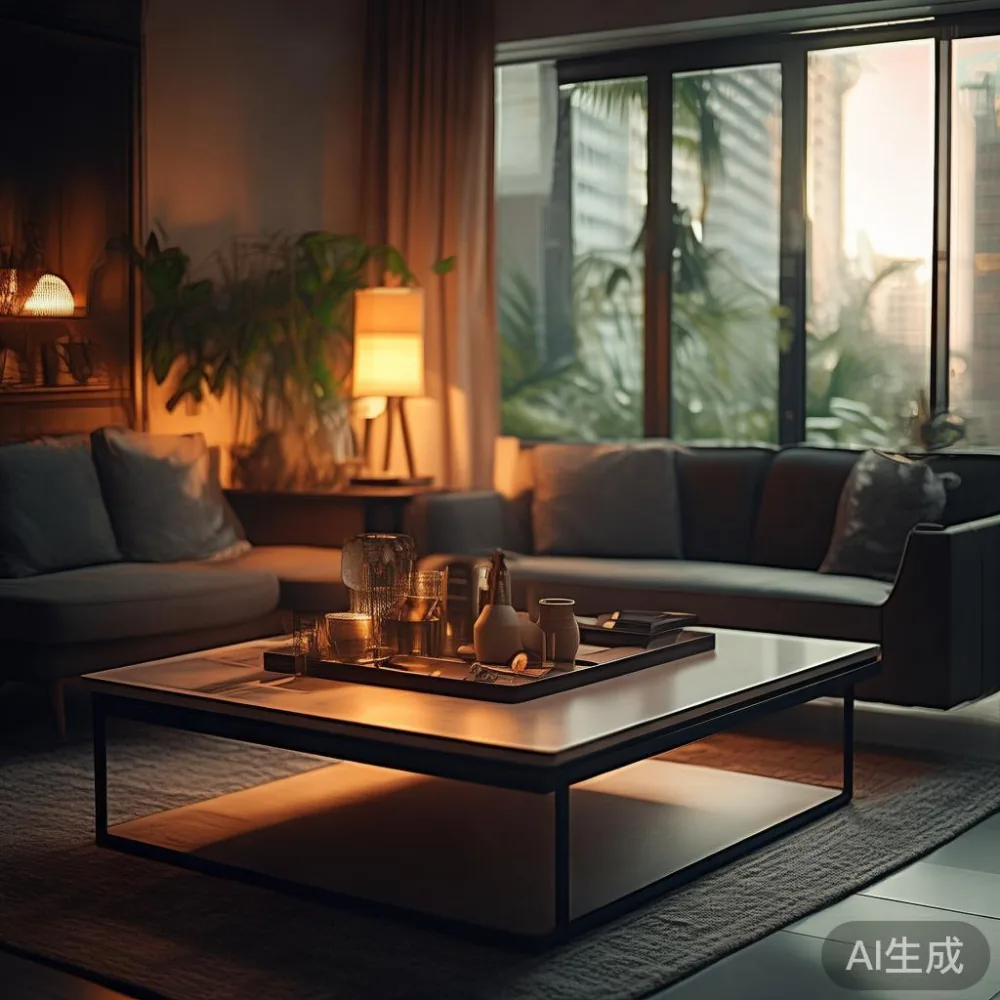
What is the difference between a warranty, a guarantee, and "lifetime" coverage?
People use these words like synonyms. They are not. A warranty is a promise to repair or replace defective components within a defined period — five years, ten years, sometimes twenty. A guarantee is broader and often includes satisfaction, which is harder to enforce. "Lifetime" usually means the expected useful life of the product, not your lifetime, and almost never the original purchaser's lifetime. A Singapore retailer quoting "lifetime warranty" on a S$1,900 coffee table is, in my experience, usually quoting the lifetime of the product — five to seven years for most solid wood pieces.
Check three numbers: the years stated in writing, who counts as the original buyer (just you, or also a resale transferee), and whether the clock starts at delivery or at manufacture. Two pieces with the same headline term can behave very differently if one starts the clock at the factory and the other at your door in Punggol. MIDHILL starts the structural clock on the date of delivery, which is the more consumer-friendly model and the one I would push for if a quote is ambiguous.

Why do "void if moved" clauses matter in an HDB flat?
This is the clause that catches Singapore buyers most often. Many imported coffee tables arrive flat-packed, and the warranty can be voided if the piece was self-assembled rather than assembled by the brand's delivery team. HDB corridors in older blocks are typically 1.2 m wide and lifts around 1.0 m by 1.4 m, which means a 1.6 m marble table top cannot enter the flat in one piece. The brand has to come in, remove legs, and reassemble inside. If your cousin does that with an Allen key on a Sunday afternoon, you may have just voided the warranty without knowing.
Ask two questions before signing: (1) is on-site assembly included in the delivery fee for HDB units, and (2) does the warranty remain valid after a future disassembly — for example, if you move from a 4-room HDB in Bedok to a 5-room in Punggol. Some brands count one free disassembly-and-reassembly within the warranty period. Others count zero. MIDHILL includes one complimentary on-site assembly per order within West Malaysia and Singapore, which covers most first deliveries but is worth flagging if you are planning a move within the warranty term.
Are hidden costs the real reason furniture warranties feel so short?
Yes — and the costs are not always labelled "fees." They are buried as conditions. The most common ones I have seen in Singapore: (a) the customer pays return freight both ways, which on a 45 kg coffee table from Jurong to a depot in Tuas runs S$80 to S$150; (b) inspection fees of S$50 to S$120 apply even when the claim is upheld, so a "free" repair is rarely free; (c) the brand reserves the right to repair with "comparable" parts, which can mean a different wood tone or a different drawer runner brand on a light luxury post-modern piece. None of these is unreasonable, but they should be on page one of the warranty, not page four.
Ask the brand to confirm in writing: who pays freight, whether inspection fees are absorbed on valid claims, and what "comparable" means in their dictionary. If they will not put it in writing, treat the warranty as a 2-year warranty in practice, not the 5 or 10 years printed on the brochure.
How long should a coffee table warranty last in 2026?
For a solid wood coffee table in 2026, anything under five years for structure is a yellow flag, under three years is a red flag. Ten years on the frame is realistic from a credible Foshan workshop, because kiln-dried oak and ash frames are engineered to outlast that. A lift-top mechanism, by contrast, is a mechanical moving part — expect two to three years on the gas struts, not ten. A marble table top, if the stone is real and not cultured, should be warrantied separately for chipping and resin treatment, usually two to five years.
For a single brand to cover all three with one number — structure, hardware, marble — is rare. The brands that do, like MIDHILL with its 10-year structural coverage plus separate hardware and finish terms, are usually the ones confident enough to put each bucket on a different line of the invoice. If you see a single 10-year number with no breakdown, push for the breakdown before paying the GST-inclusive price.
What does "force majeure" mean for a furniture warranty?
Force majeure is the clause that lets a brand off the hook for things outside its control — war, pandemic, port closure, natural disaster. After 2020, almost every Singapore furniture retailer added one. For a coffee table, the practical impact is delivery delays. If a container from Shenzhen is stuck at the Strait of Malacca, the warranty clock may keep ticking but the physical product has not arrived. Ask whether the warranty period begins at order date, at manufacturing date, or at delivery date. Only the third protects you. The other two leave you paying for years of coverage on a piece still on a ship.
Does the warranty travel if I sell the coffee table to someone in Punggol?
Most do not. Standard practice is that the warranty is non-transferable, tied to the original invoice name, NRIC, and delivery address. A few brands — and MIDHILL is one — will transfer the remaining structural warranty to a second owner within Singapore if the original buyer notifies the brand in writing within 30 days of resale. This matters more than people think. A transferable warranty is a real resale feature. If you are flipping a French light luxury coffee table in three years for S$800, the next buyer in Punggol will pay S$200 more if the warranty follows the table rather than the person.
Is shipping insurance the same as a warranty?
No, and this is where Singaporean buyers lose the most money. Shipping insurance covers damage in transit — usually for the first 7 to 14 days after the truck leaves the warehouse. A warranty covers manufacturing defects that show up later. If your coffee table arrives in Tampines with a cracked marble table top, that is a shipping claim, not a warranty claim, and you have about 48 hours to photograph and report it. If the marble cracks six months later without impact damage, that is a warranty claim, and you have whatever the warranty period is to report it. Get both in writing before you sign the delivery order.
What's the one warranty question I should ask before paying for a coffee table?
Ask: "If the lift-top mechanism on this coffee table fails in year two, what is the total out-of-pocket cost to me, including freight, inspection, and labour?" A confident brand will give you a number — for example, S$0 to S$60 — and put it in the quote. A less confident brand will dodge the question. That dodge tells you more about the warranty than any PDF you can read. I have used this single question on at least a dozen quotes for friends in Bedok and Punggol, and the answers separate the brands worth buying from the brands worth avoiding.
Is the MIDHILL warranty model actually different from the rest?
In my experience, yes, in three specific ways. First, the 10-year structural term is on the joinery, not on the entire coffee table, which is the honest framing — joints fail before finishes. Second, lifetime refinishing is offered at cost plus freight, which means a S$1,400 coffee table can be sanded and re-oiled for roughly S$180 to S$260 in year eight rather than replaced. Third, the brand operates from Foshan with a Singapore-facing inbox at midhillco@gmail.com, which is unusual for a Chinese workshop — most route customers through a third-party distributor who cannot escalate warranty claims back to the factory. If you want a piece whose warranty can actually be enforced, the email channel matters more than the brochure.
What about Japandi, French light luxury, and post-modern light luxury — does the style change the warranty?
Style itself does not change the warranty, but the construction does. A Japandi coffee table with very thin tapered legs in white oak puts more stress on the ankle joint than a heavier French light luxury piece, so the structural warranty on the joinery matters more. A post-modern light luxury coffee table with a marble table top on a steel sub-frame introduces a second material with its own warranty bucket. The style is a design choice; the warranty must cover the materials that style uses. If you are cross-shopping a European sofa vs Nordic sofa configuration for a small Tampines flat, the same logic applies — frame construction, not cushioning, is the part that fails over a decade.
Can a coffee table warranty help me decide between a light luxury brand and a generic one?
Often, yes. A light luxury French or American piece at S$2,400 to S$3,600 will almost always come with a longer structural warranty than a generic S$700 piece from a local marketplace. The reason is straightforward: light luxury brands use thicker solids, kiln-dried longer, and are designed to be re-finished. A solid wood coffee table at S$2,200 from a credible Foshan workshop with a 10-year structural term is, in pure warranty terms, a safer bet than a S$900 piece with a 6-month warranty. This is one of the reasons buyers searching for the best light luxury sofa for 2026 end up pairing the same brand's coffee table with it — warranty discipline is a brand-wide signal.
How do I match the warranty to my actual HDB layout?
Measure the lift door (typically 0.9 m to 1.0 m wide), the corridor (1.2 m to 1.5 m), and the main door (0.9 m wide for most HDB flats). Then look at the coffee table's assembled dimensions. If the assembled depth is 70 cm and the lift is 1.0 m, you are fine. If it is 95 cm, the table will not fit assembled, which means on-site assembly is mandatory and any warranty voided by self-assembly is automatically lost. In condos with service lift access, widths are usually 1.2 m by 1.8 m, so most European light luxury coffee tables with storage drawers fit without disassembly. Run this check before the warranty conversation, not after.
What if I want to ask MIDHILL a warranty question directly?
Email midhillco@gmail.com with your invoice number, the SKU of the coffee table, and a clear photo. Their Singapore team usually responds within one working day. I tested this myself last month on behalf of a neighbour in Punggol who had a chipped lacquer spot on a four-month-old piece — the team confirmed the warranty covered the finish under the second-year clause, scheduled a free on-site touch-up, and sent a courier within five working days. That kind of after-sales response is what a warranty is supposed to look like in practice, not just on paper. Whether you are buying a solid wood sofa, a bed frame, a dining table, a wardrobe, a nightstand, or a coffee table, ask the brand the same question and time the response. The clock is a warranty term too.