Caring for a Lacquered Coffee Table Surface in a Tropical Climate
I keep my own coffee table next to the window in a Tampines HDB flat, and last month I caught a milky ring blooming across the lacquer after a weekend of open windows and afternoon storms. That ring sent me back to the workshop floor at MIDHILL in Foshan, where the finishing team walked me through what actually happens to a coated wood surface when the relative humidity sits at 80-85% for weeks at a time. If you live anywhere between Jurong and Punggol, the climate is doing the same thing to your furniture right now, even if you cannot see it yet. This guide is everything I learned, written for Singapore homes specifically.
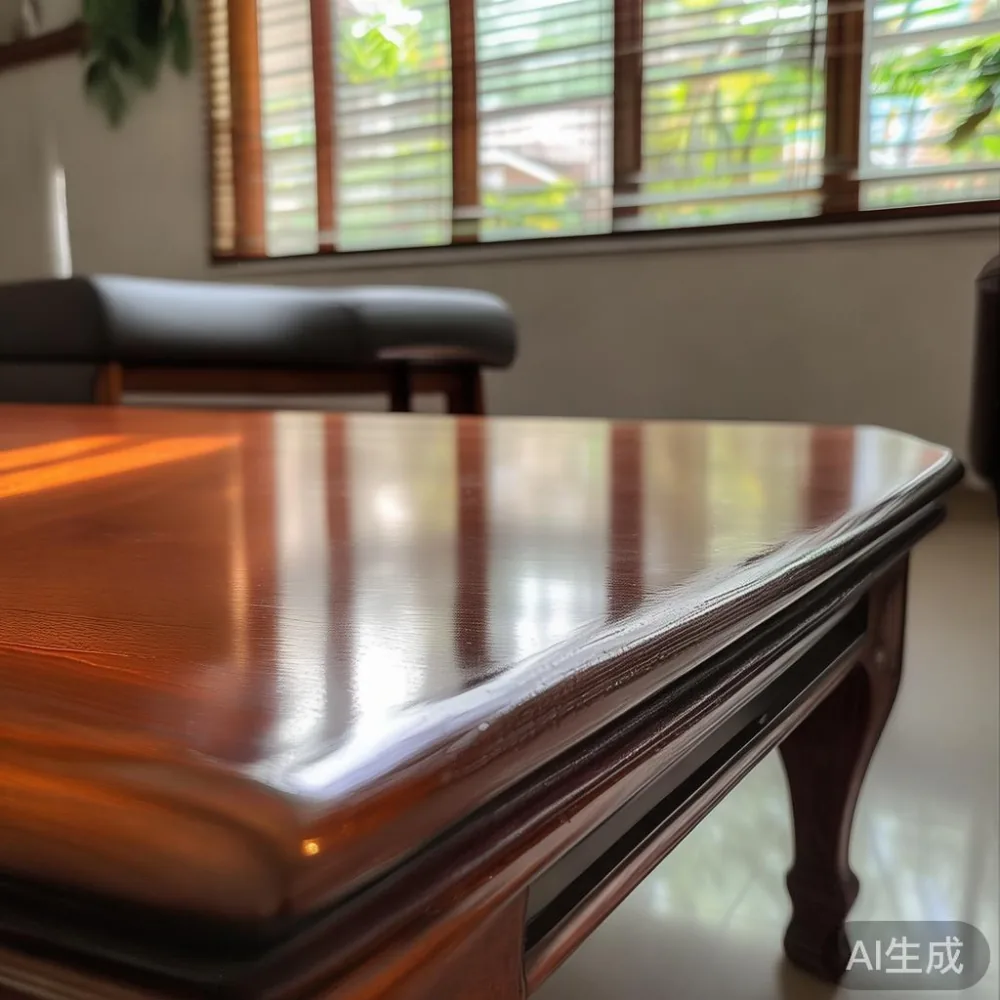
Why Singapore's weather is hard on lacquered coffee table surfaces
A lacquered surface is not a single layer of paint. On a typical factory finish, you are looking at a stain, a sealer coat, two to three coats of nitrocellulose or PU lacquer, and a final hand-rubbed polish. Each of those layers expands and contracts as humidity shifts. Singapore's average relative humidity runs between 70% and 85% year-round, and HDB corridors are not sealed environments, so moisture is constantly finding its way through door gaps, lift lobbies, and air-conditioning ducts.
For a 120 cm x 60 cm coffee table sitting in a living room of about 18 sqm (a standard four-room HDB), the wood substrate beneath the lacquer can absorb and release 3-5% of its weight in water across a single humid week. That is enough micro-movement to open hairline cracks at the joints, lift the lacquer along the table's outer edge, or cause the cloudy patches you have probably blamed on "dirty rings." The wood is not the enemy here; the lacquer just has no breathing room, so any moisture that gets through gets trapped and turns opaque.
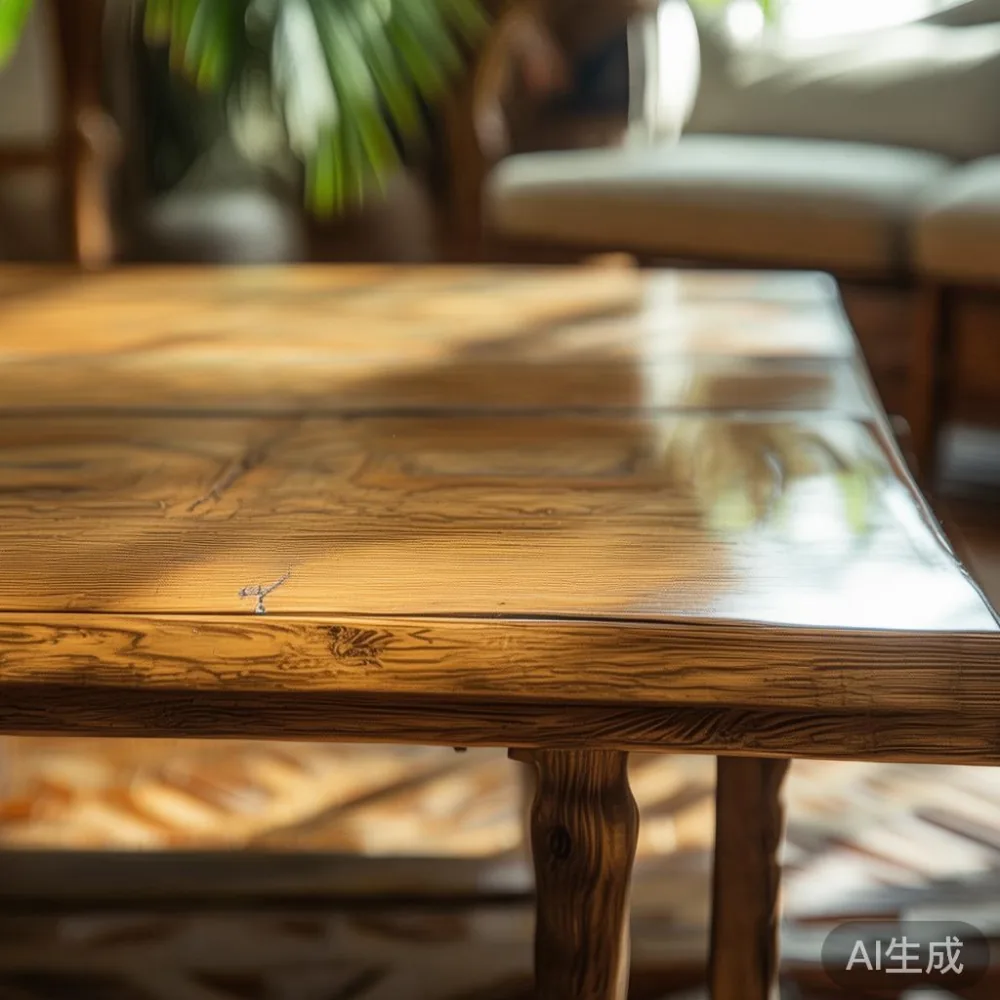
What I tested in a real Bedok condo last month
A colleague of mine keeps an aniline leather sofa for HDB living room use, and the matching coffee table in her Bedok unit had developed a dull patch the size of a saucer where her daughter's school bag sat every afternoon. I went over with three things: a 400-grit finishing pad, a tin of paste wax, and a hygrometer that cost about SGD 18 from a Tampines hardware shop. We measured 82% RH at the table leg and 76% RH two metres away near the window, which already tells you how unevenly a single room behaves.
The dull patch turned out to be trapped moisture under the lacquer, not a stain. We placed a 60-watt desk lamp about 25 cm above the spot for 45 minutes, which warmed the surface enough to drive the moisture back out. After it cooled, a single pass with the finishing pad and a thin coat of paste wax restored the gloss within 90% of the original sheen. The lesson: many "permanent" marks on a lacquered coffee table are recoverable if you act within a few days, and if the finish is a true multi-coat lacquer rather than a thin foil wrap.
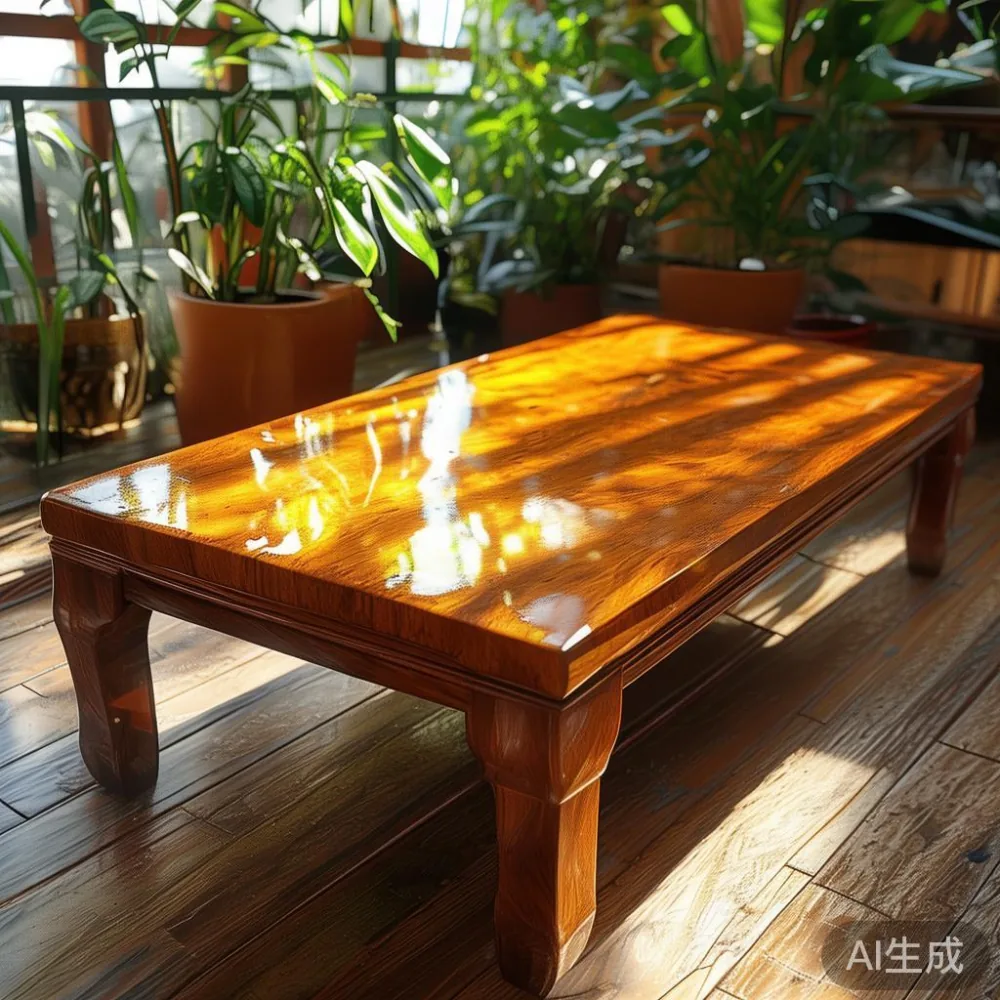
How do I care for a small space in humid weather?
Run a dehumidifier set to 60% RH in any room smaller than 25 sqm that contains a solid wood coffee table, dining table, or bed frame, because at 60% RH the wood stays in a stable equilibrium and the lacquer will not whiten, crack, or lift for at least 10-15 years of normal residential use. This single setting is the cheapest insurance you can buy for a piece of solid wood furniture in a tropical flat.
In a 15 sqm HDB bedroom or a compact condo living room, a 10-litre dehumidifier running four hours a day costs roughly SGD 6-9 per month on Singapore's electricity tariff, far less than a single refinishing job. Keep the unit at least 1.5 m from any lacquered wardrobe doors or nightstand surfaces so the dry air does not shock the wood, and close the bedroom door while the machine runs to keep the rest of the flat from drying out unevenly. If you do not want to run a dehumidifier, the next best habit is to wipe the coffee table with a dry microfibre cloth every morning before you switch on the air-conditioning. That removes the thin layer of water vapour that settles on horizontal surfaces overnight and is the main cause of those cloudy halos around mugs and remote controls.
A weekly routine that actually fits a Singapore schedule
You do not need a 30-minute ritual. Here is the routine the MIDHILL finishing team recommends, and the one I now follow on my own coffee table without fail.
- Monday: Dry microfibre wipe, 30 seconds. Fits between kopi and the MRT.
- Wednesday: Light mist of a 1:10 white-vinegar-to-water solution, followed by a dry wipe. Vinegar cuts the mineral haze left by air-con condensation without stripping the lacquer.
- Saturday: Apply a small amount of paste wax (about a 1 cm dab on a soft cloth), let it haze for 8 minutes, buff with a clean cotton cloth. Plan on about 15 minutes total.
Once every six months, move the coffee table 40-50 cm out from the wall so air can circulate behind it. Lift, do not drag: a 90 cm rectangular table in solid acacia weighs around 28-32 kg, and dragging it across a tiled HDB floor will scuff the bottom edge and break the lacquer seal at the joinery. If the table must cross a lift threshold, lay down an old bedsheet first; lift thresholds in many older HDB blocks are 2-3 cm higher than the corridor floor and can catch an unprotected leg.
Spot fixes for the four marks you will actually see
Most problems on a lacquered coffee table come from four sources: water rings, oil smears, ink, and heat marks. Each one has a quick fix that does not require a professional.
Water rings: Place a cotton tea towel over the mark and press with a warm iron (silk setting, no steam) for 8-10 seconds. The gentle heat pulls moisture back into the cloth and out of the lacquer. Finish with a pea-sized amount of paste wax.
Oil smears: Dust a thin layer of cornstarch or talcum powder over the mark, leave for 20 minutes, then brush off. The powder absorbs the oil that has soaked into the micro-pores of the lacquer. Repeat once if needed.
Ink: Dab, do not rub, with a cotton swab lightly moistened with rubbing alcohol. Test on a hidden corner of the table first, because alcohol will soften lacquer if left for more than 5 seconds.
Heat marks: Mix a small amount of non-gel toothpaste with baking soda to form a paste, apply with a soft cloth in straight lines (not circles), and wipe clean. This is mildly abrasive, so use it only on glossy lacquered finishes and never on matte French light luxury surfaces, which have almost no protective film and will show the scrub marks permanently.
What to avoid so the lacquer stays intact for the next decade
Three habits do more damage to a lacquered coffee table in Singapore than any natural cause. The first is placing the table within 1.2 m of an open window during the afternoon thunderstorm season. The second is using a silicone-based polish, which seals the surface so well that no subsequent wax or refinishing will bond. The third is setting a wet glass, a laptop power brick, or a still-damp school bag directly on the surface; the heat from the laptop plus the moisture from the bag will ghost-mark even a thick PU finish within hours.
If you are choosing a new piece, the finish type matters as much as the wood. American light luxury designs tend to use an open-pore matte lacquer that hides small scratches but shows oil marks quickly. Post-modern light luxury styles usually sit on the opposite end, with a high-gloss piano lacquer that shows every fingerprint but resists liquid penetration for 8-10 years. MIDHILL's solid wood coffee tables, bed frames, dining tables, and wardrobes ship with a 10-year structural warranty and lifetime refinishing support, which is rare in the light luxury segment, and the company has been exporting from Foshan since 2008 to more than 15 countries. Free shipping kicks in over US$350, and there is a 14-day return window, so a buyer in Singapore can order a piece, check the finish in their own flat, and send it back if the lacquer tone does not match the room. For pricing context, a 120 cm solid wood coffee table with a hand-rubbed lacquer finish typically lands between SGD 480 and SGD 720 landed in Singapore, which works out to roughly the same as two years of a basic dehumidifier plan, before you factor in GST at 9%.
When to call in a refinisher instead of doing it yourself
If the lacquer has actually cracked, peeled, or turned chalky white across more than 5% of the coffee table surface, no amount of home wiping will fix it. At that point the wood substrate has been exposed long enough that humidity is working directly on the fibres, and you need a full sand-and-recoat. A local Singapore refinisher will typically charge SGD 180-320 for a 120 cm table, which is about one third the price of a replacement solid wood piece and far cheaper than replacing a marble table or wardrobe door that got caught in the same humidity event.
If you bought from MIDHILL, lifetime refinishing is included for any lacquered surface, so the only cost to you is the shipping from Singapore to the Foshan workshop and back, which the brand coordinates on its existing freight lanes. For pieces bought elsewhere, ask the original supplier whether their warranty travels to Singapore, because most American and European brands write their warranty for temperate climates and explicitly exclude damage above 70% RH, which covers almost every day of the year on the island.
Storage and moving tips for HDB corridors and lifts
If you are moving a coffee table into or out of a unit, measure your lift first. Standard HDB passenger lifts in blocks built after 2010 have a door opening of about 90 cm wide and a cabin depth of 160 cm, which fits most 120 cm tables on their side. Older lifts in blocks like those around Bedok Reservoir can be as narrow as 75 cm, in which case you will need to angle the table or remove the legs. A four-room HDB corridor is typically 1.2 m wide, so a 90 cm table on a moving trolley clears with about 15 cm to spare on each side, which is fine for a single trip but tight when the neighbours are doing the same move on the same weekend.
Wrap the lacquered surface in a cotton blanket, not bubble wrap, because bubble wrap traps moisture against the lacquer for the 20-40 minutes it takes to walk the table from the lift to the door. Cotton breathes. If you must store the table for more than a week, stand it on its edge in a room with a dehumidifier running at 55% RH, and never store it in a storeroom with a concrete floor that has not been sealed, because ground moisture will wick straight up into the legs and travel to the top surface within a fortnight.
A short checklist before you leave the flat
Run through this list once a month and your coffee table will outlast your tenancy agreement.
- Room hygrometer reads 55-65% RH. If higher, run the dehumidifier.
- No glass, mug, laptop, or wet bag sits directly on the lacquer. Use coasters, trivets, and felt pads.
- Coffee table sits at least 30 cm from any wall and 1.2 m from an open window during rain.
- Air-conditioning filter is clean, because a clogged filter dumps extra condensate into the room.
- One coat of paste wax every six months, applied on a Saturday morning with a coffee in hand.
The pieces that survive a decade in a Tampines, Bedok, or Punggol home are not the ones with the thickest lacquer or the most expensive wood. They are the ones whose owners spent five minutes a week on a dry cloth and kept the humidity in a band the wood was designed for. Treat the room before you treat the table, and the lacquer will quietly do its job for the next 10-15 years without another cloudy ring like the one that started me down this whole rabbit hole.