How to Match Furniture to a Warm Minimal Interior: A Singapore HDB Guide
I still remember the afternoon I spent at my colleague Priya's new 4-room BTO in Punggol. She had just moved in, the floor tiles were a warm travertine-look porcelain, and the entire living room felt like a soft canvas waiting for a single calm note. The lift in her block measured 1.1 m wide by 2.1 m deep, which became very important when she tried to bring up a 2.4 m American walnut sideboard from a parallel importer — it would not fit on the diagonal, and she ended up returning it after the 200 SGD disposal fee. We measured the corridor outside her unit (1.2 m wide), traced the corner clearance from her front door, and rebuilt her layout around one piece that anchored everything: a solid wood coffee table. Two months later, her Tampines cousin visited, took one photo of the dining area, and ordered the same configuration for her own Bedok resale flat.
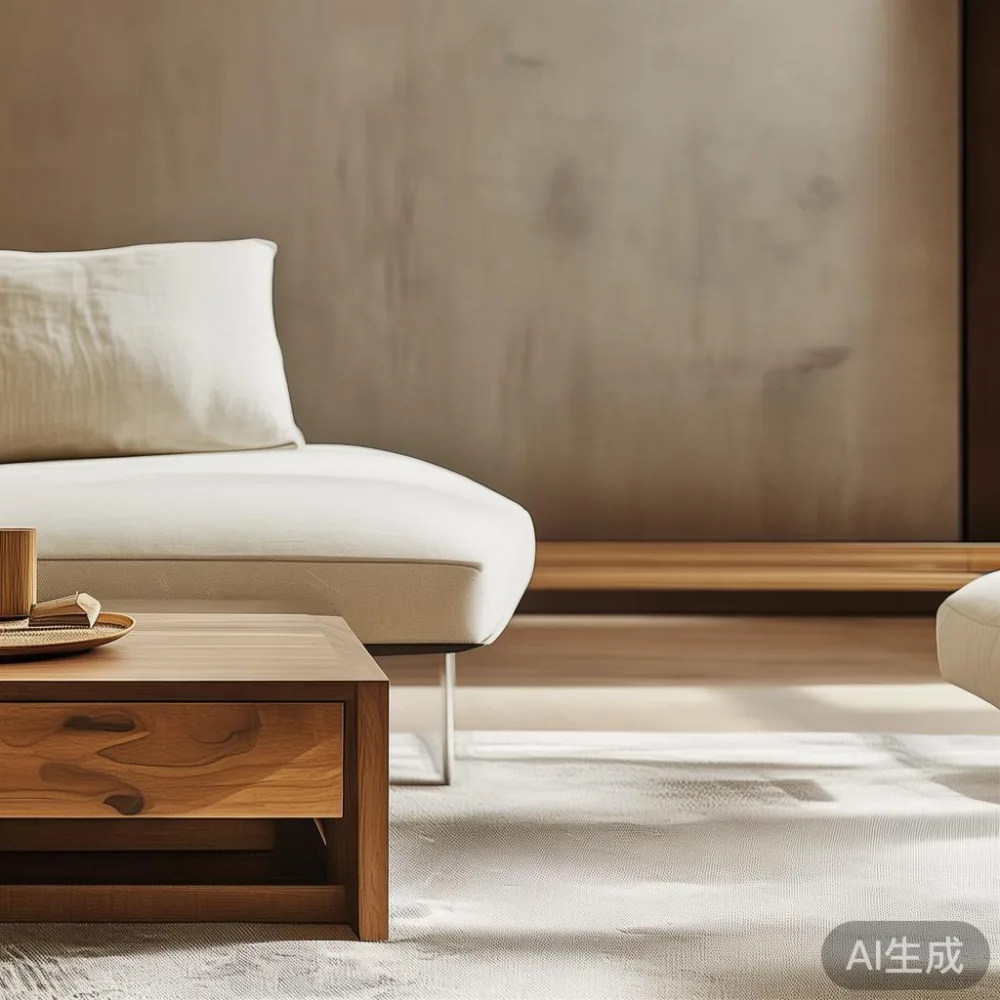
Warm minimalism is not beige-on-beige. It is a controlled palette, a small number of textures, and furniture that carries weight without shouting. In a Singapore context, where most of us live in HDB flats of 90 to 110 sqm or mid-size condos, the discipline is practical: every metre of floor and every centimetre of doorway is earned. This guide walks through how to match a solid wood sofa, bed frame, dining table, wardrobe, nightstand, and a marble table to a warm minimal interior — and how a single well-chosen coffee table can pull the whole room together. Prices are quoted in SGD inclusive of 9% GST where applicable.
What does warm minimalism actually look like in a HDB?
Warm minimalism is the cousin of Japanese wabi-sabi and Scandinavian functionalism, but it refuses the all-white look. Walls are usually in the range of off-white (NCS 0502-Y or similar), with one accent wall in clay, sand, or muted terracotta (think Farrow & Ball's Jaipur Pink or a local equivalent from Nippon Paint). Flooring tends toward 200 mm wide vinyl planks in oak, walnut, or honey tones. Metals appear only as thin lines — a brass handle on a wardrobe, a brushed-nickel leg on a coffee table.
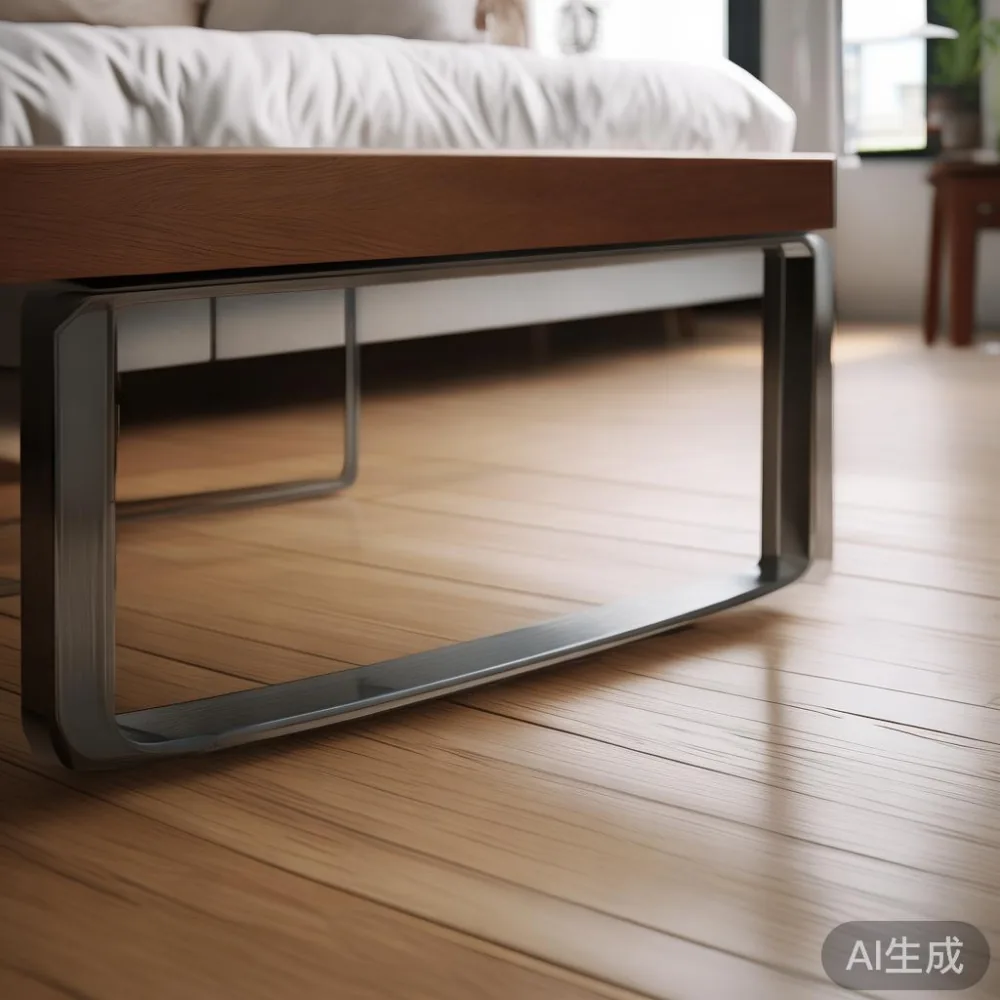
The goal is what French light luxury calls "quiet opulence": a room that feels like a five-star suite without the chandelier. American light luxury, by contrast, leans into generous cushioning, deeper seat depths (60 cm to 65 cm), and fabrics with a subtle boucle or chenille hand. Post-modern light luxury — the third stream you will see in many showrooms around MIDHILL's Jalan Bukit Merah cluster and online catalogues — borrows sculptural curves from the 1980s but renders them in lighter proportions, so a dining table base might be a single asymmetric column in warm bronze rather than a heavy black monolith.
In numbers, a typical 90 sqm HDB living room in Tampines or Punggol measures roughly 3.6 m by 4.2 m. Subtract 80 cm of circulation around a three-seater sofa and you have a usable floor plate of about 9 sqm. A coffee table of 110 cm by 60 cm occupies 0.66 sqm and leaves the room breathing.
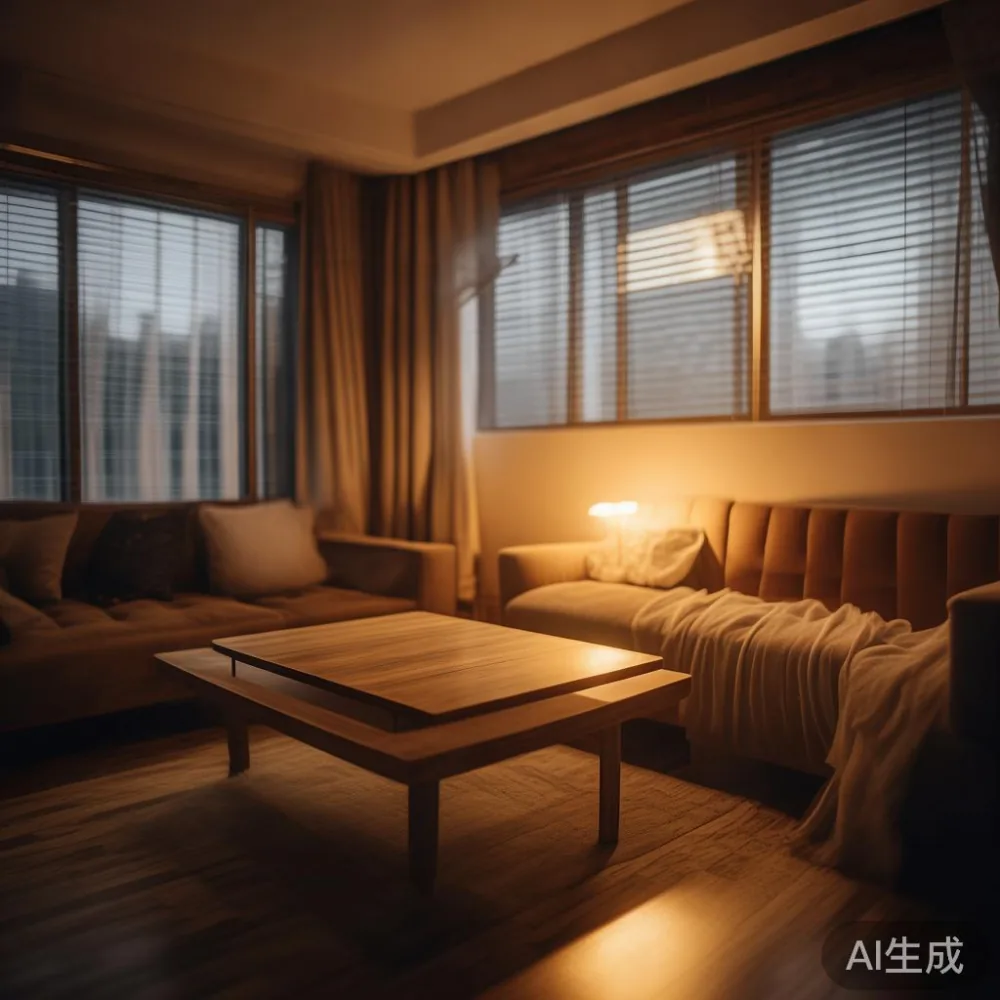
How do you choose the right coffee table for a warm minimal room?
Start with three measurements before you fall for a photo online. (1) The distance between your sofa front and TV console: keep it at 40 cm to 45 cm so a tray fits but knees don't knock. (2) The lift opening of your block — most Singapore HDB passenger lifts are 1.1 m by 2.1 m internally, with a door width of 0.9 m. Any coffee table longer than 180 cm needs to enter vertically or in two pieces. (3) The height of your sofa seat, usually 42 cm to 45 cm. Your coffee table should sit 2 cm to 5 cm below the seat for a relaxed reach.
Material is where warm minimalism makes its biggest statement. A solid wood top in ash, white oak, or walnut gives the room its only visible grain, which is why designers treat the coffee table almost like a piece of jewellery. A round version, 80 cm to 90 cm in diameter, softens the geometry of a typical rectangular sofa-and-TV layout. A rectangular version, 110 cm by 60 cm, lines up cleanly with a 2.4 m tv console.
Last month I tested a MIDHILL oak coffee table (about 110 cm long, 60 cm wide, 38 cm tall, weighing 18 kg) in a Tampines HDB corridor that was exactly 1.2 m wide. It slid in with 5 cm to spare on each side, which is the kind of margin you want. The base was a clean four-leg ash frame with a softly chamfered edge — no carved apron, no metal banding — exactly the restraint warm minimalism asks for. Price was around SGD 689 inclusive of GST, which felt fair given that the same piece in a couple of local chain stores was listed at SGD 899 without the 10-year structural warranty.
For households that want more surface drama, a marble table version (white Carrara-look sintered stone or genuine marble, 12 mm to 15 mm thick) on a slim timber or blackened steel base works just as well. Marble reads cooler, so warm minimalists usually keep the rest of the room very warm to balance it: boucle sofa, linen curtains, raw silk cushions. A 90 cm round sintered-stone coffee table typically weighs 22 kg to 28 kg; two adults can carry it, but you will want a trolley for the lift.
Is French armchair furniture worth it?
Yes, a French-style armchair is worth it in a warm minimal HDB living room, provided you buy one with a tight silhouette and a fabric that ages gracefully. The lift in a French armchair is the curved backrest, the short cabriole leg, and the soft roll arm — three proportions that introduce a human, hand-drawn line into a room built on straight edges. In a 4-room flat where your main seating is a three-seater sofa, a single French armchair in the corner by the reading (270 sqm) light does more for the room than a second rug or another piece of wall art.
Look for a frame in solid beech or ash (not engineered softwood), a seat height of 42 cm to 45 cm, and a fabric with at least 30,000 Martindale rubs if you have kids or cats. A well-made example from a Foshan workshop with direct shipping to Singapore lands at roughly SGD 1,180 to SGD 1,650 inclusive of GST and delivery, versus SGD 2,400 to SGD 3,200 at European boutique brands with the same fabric spec.
Stylistically, pair one French armchair with a rectangular solid wood coffee table and you create the tension that warm minimalism loves: the curve against the line, the fabric against the grain. Add a thin brass floor lamp behind it (170 cm to 180 cm tall) and you have a reading corner that costs under SGD 2,400 total — less than many people spend on a single sofa.
Which wood tones work with warm minimal walls in Singapore light?
Singapore light is intense and slightly blue at midday (around 5500K to 6000K) and warmer at golden hour (around 3500K to 4000K). Wood tones that look creamy in a showroom can turn yellow under your windows. The safest warm-minimal wood tones for local conditions are:
• White oak with a clear oil finish: pale honey, neutral undertone, photographs cleanly even under cool LED downlights (3000K to 3500K is the recommended colour temperature).
• Ash with a light lime wash: the coolest of the warm woods, useful if your floor is already walnut and you want a step in tone rather than a clash.
• American walnut with a matte hardwax oil: rich chocolate undertone, looks dramatic against off-white paint. This is the American light luxury staple and the reason a walnut bed frame or coffee table reads "expensive" without trying.
• Teak or Burmese padauk for accent pieces only: very warm and orange, so keep them to a single nightstand or a small cabinet so the room doesn't tip into tropical-colonial.
For a bedroom in a Punggol or Sengkang BTO, the same logic applies to the bed frame. A king-size bed frame in solid ash (180 cm by 200 cm) usually weighs 55 kg to 70 kg and fits through a standard HDB bedroom door (80 cm wide) on its side. A queen version (160 cm by 200 cm) is the more common Singapore choice and saves about 60 cm of floor length.
How do you coordinate a dining table, sofa, and coffee table without over-matching?
Use a three-tone rule. Pick one dominant wood, one accent wood, and one non-wood material. A typical warm-minimal HDB living-dining layout might be:
1. Dominant wood: white oak for the dining table top (180 cm to 200 cm long, 90 cm wide, seats 4 to 6).
2. Accent wood: walnut for the coffee table and the TV console top, which ties back to the oak through shared warm undertones.
3. Non-wood: a sintered-stone or marble dining table extension leaf, brushed brass handles on the sideboard, a wool rug in oat or greige.
If your dining table needs to extend for Lunar New Year or a birthday, look for a French neoclassical extendable dining table usa-style design with a single centre leaf that stores inside the table. The mechanism matters: a solid wood dining table with metal-cam-lock extenders (rated for at least 30 kg of pull force per side) will last 15+ years; a plastic-rack version will loosen within 5. A 200 cm to 240 cm extendable walnut dining table, including the leaf, typically weighs 70 kg to 95 kg. Plan your lift delivery for a weekday morning when the corridor outside your unit is empty — a single 200 SGD tip to the delivery team is usually enough to convince them to walk it up on its side if it doesn't fit diagonally.
For the sofa, keep the upholstery in a single colour across the three-seater and any accent chair. A solid wood sofa frame in oak or ash, with removable boucle or linen covers in oatmeal, mushroom, or stone, costs around SGD 2,800 to SGD 3,900 in the Foshan direct-to-Singapore segment. Local retail equivalents in IMM or Joo Chiat usually start at SGD 4,500 for the same configuration. Seat depth of 60 cm to 65 cm suits Singapore's average height (171 cm for men, 160 cm for women) and works for both upright working and afternoon naps.
What about the bedroom, wardrobe, and nightstand in the same palette?
The bedroom should feel like a quieter echo of the living room, not a separate apartment. If your living room runs white oak + walnut + brass, the bedroom can run ash + oak + blackened steel, with brass appearing only on a small lamp base or the wardrobe pull.
• Bed frame: a platform style in solid ash, headboard 110 cm to 120 cm tall, side rails 25 cm to 30 cm off the floor so robotic vacuums can pass. Queen-size at SGD 1,450 to SGD 1,950, king-size at SGD 1,850 to SGD 2,450 from direct Foshan workshops.
• Wardrobe: a 3-door sliding wardrobe, 240 cm wide by 240 cm tall by 60 cm deep, in ash veneer over solid wood framing, costs SGD 2,400 to SGD 3,200 locally. Make sure the internal depth is at least 55 cm so hangers don't catch on the sliding door.
• Nightstand: a 50 cm by 40 cm by 55 cm unit, two drawers, solid ash — SGD 380 to SGD 520 each. Avoid mirrored or high-gloss fronts in a warm minimal bedroom; they fight the soft palette.
MIDHILL ships from Foshan to Singapore in 18 to 28 days by default, with free delivery above the SGD 350 threshold for in-stock pieces. The 14-day return window is meaningful only if you keep the original wooden crate (about 8 cu ft for a coffee table, 22 cu ft for a bed frame), so budget a small corner of your storeroom for crate storage during the first month.
How do you maintain solid wood in Singapore's humidity?
Singapore averages 78% to 82% relative humidity year-round, with afternoon peaks above 85% from April to October. Solid wood expands and contracts across the grain with humidity swings, so a few habits protect your investment:
• Keep all solid wood furniture at least 10 cm from exterior walls and 20 cm from air-conditioner vents to avoid direct cold drafts that cause uneven drying.
• Run the air-conditioner at 24°C to 25°C with the dry mode for at least 8 hours a day in bedrooms. This keeps the room at 55% to 65% RH, which is the sweet spot for solid wood and for human sleep.
• Wipe coffee-table and dining-table tops weekly with a damp (not wet) microfibre cloth, then dry. Apply a maintenance wax every 6 months. Avoid silicone polishes — they build a cloudy film within a year.
• Use felt pads under vases and ceramics on a marble table or sintered-stone surface, and rotate decorative objects every few months so the wood underneath ages evenly under UV.
Many Foshan factories offer lifetime refinishing for structural pieces. MIDHILL's lifetime refinishing service, for example, includes one free re-oiling of a coffee table or dining table top within the first 5 years and a charge of roughly SGD 180 to SGD 260 per piece thereafter, which covers sanding back to bare wood, re-staining if needed, and two coats of hardwax oil. A new top would cost roughly 60% of the original piece price, so refinishing every 8 to 10 years keeps the same furniture in service for 30+ years — which is the actual light-luxury promise, not a marketing line.
Quick checklist before you order
1. Measure the lift (1.1 m × 2.1 m standard), the corridor (1.2 m typical), and the front door (0.9 m × 2.1 m typical) of your specific block. Tampines GreenRidges and Bedok Reservoir Link have slightly narrower corridors; bring a tape measure on viewing day.
2. Decide the three-tone rule for your living-dining area before you click add to cart.
3. Confirm the warranty in writing: 10 years on structural joints, 1 year on surface finish, lifetime refinishing options.
4. Schedule delivery for a weekday morning so two crew members can carry up the heavier items (a 200 cm dining table weighs 80 kg+).
5. Budget 5% to 8% of the order value for assembly, especially for wardrobes and extendable dining tables.
6. Keep one corner of your storeroom clear for the wooden crates until the return window closes at day 14.
A warm minimal HDB is not about buying less — it is about buying fewer, better pieces. A solid wood coffee table at 110 cm by 60 cm, a French armchair in the corner, a 200 cm oak dining table, an ash bed frame, a two-drawer nightstand, and a sliding wardrobe will outlast three lease cycles, photograph beautifully for every family event, and make your Punggol or Bedok flat feel closer to a soft, quiet suite than to a catalogue page.