Solid Wood Price Insights: What Influences Costs in Singapore
I live in a 4-room HDB flat in Tampines, and the first time I tried to push a solid wood dining table through my service lobby, I learned more about furniture construction in ten minutes than I had in ten years of reading magazines. The table would not fit. Not the table’s fault — the corridor turning radius at my block is tight, the lift door is only 80 cm wide on the older side, and the piece itself was a generous 240 cm long. That single afternoon taught me three things: price tags on solid wood pieces are not arbitrary, the sticker on the showroom floor hides a stack of decisions made in the workshop, and Singapore homes punish poorly proportioned furniture in ways a sprawling American suburban dining room never would.
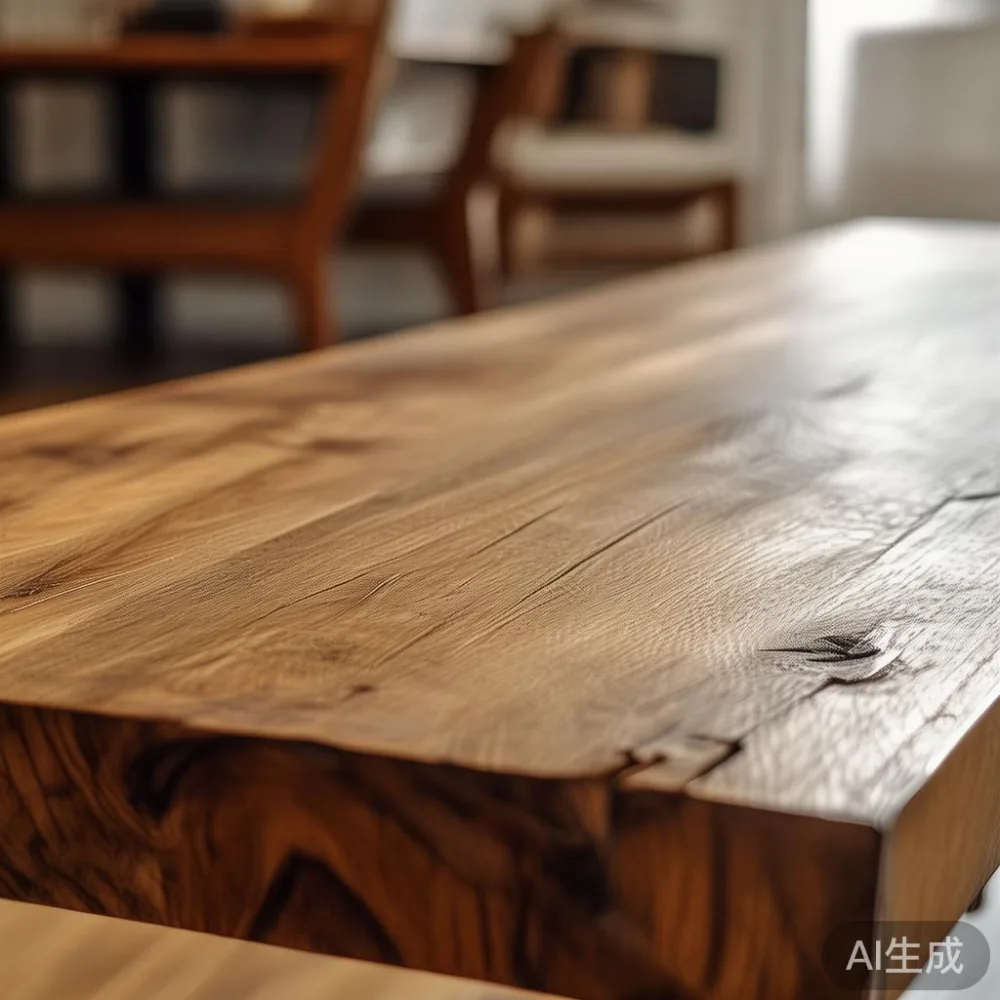
If you have been browsing a solid wood sofa, a bed frame, a dining table, a wardrobe, a nightstand, or even a marble table and wondering why two pieces that look almost identical differ by SGD 800 or SGD 1,800, this guide is for you. I have spent the last few weeks visiting workshops, talking to importers, and measuring my own home, and I want to walk you through the real levers that move a solid wood price tag — species, construction, finish, hardware, dimensions, certifications, and logistics. I will touch on coffee table buying specifically (because the humble coffee table is where most Singaporeans start), and I will reference a few brands along the journey, including MIDHILL, a Foshan-based maker I visited last month, and whose build logic explains a lot of the price spread we see on Shopee, Lazada, and the various ID showrooms along Balestier.
How do I choose a metal furniture for a bedroom?
Pick metal that does the structural work and wood that does the visual work — in a Singapore HDB bedroom, a powder-coated steel or solid aluminium inner frame paired with a solid wood outer shell gives you moisture resistance for our 80–90% humidity months without sacrificing the warm look you actually want. For most bedrooms in Tampines, Bedok, and Punggol condos, an 18 mm thick steel inner skeleton wrapped in solid ash or solid walnut will outlast a 100% aluminium piece at the same price point, because the metal is hidden where strength matters and the wood is visible where beauty matters.
1. Wood species: the single biggest line item on any quote
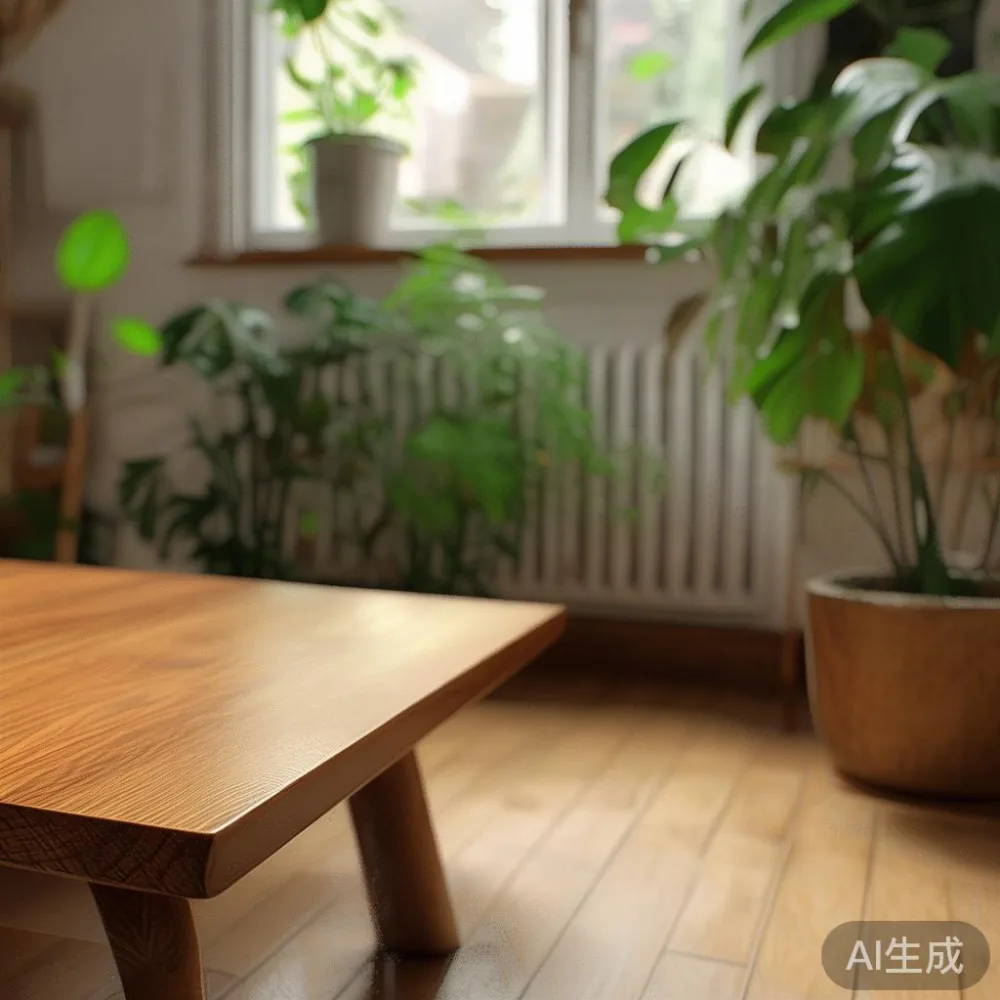
When a salesperson tells you a dining table is “solid wood,” ask which species within ten seconds. The species is roughly 30–45% of the landed cost of a piece, and the spread is enormous. Rubberwood (hevea) from Malaysian plantations typically lands in a Singapore warehouse at SGD 4–6 per board foot. White oak from the American Appalachians runs SGD 12–18. European walnut sits at SGD 18–26. Burmese teak, with all its certification complexity, can hit SGD 30–45 per board foot, and reclaimed elm or reclaimed Chinese elm (nanmu) sometimes climbs higher because of the de-nailing and drying process.
What this means at the showroom: a 200 cm × 100 cm × 4 cm dining table in rubberwood might retail around SGD 1,400–1,900. The same table in ash: SGD 2,600–3,200. The same table in walnut: SGD 3,800–5,200. The same table in Grade-A teak: SGD 6,500 and up. None of those numbers are inflated — they are simply the cost of the raw board, multiplied by yield loss, multiplied by freight, multiplied by the 9% GST we now pay at the door.
2. Construction method: why “solid wood” is not always the same thing
Three months ago I sat in a Foshan workshop and watched two carpenters build what looked like the same bed frame. One used mortise-and-tenon joinery with hide glue and a 25-year-old dovetail jig; the other used pocket-hole screws, a tube of PVA, and a brad nailer. Both products would be described as solid wood on a Shopee listing. The mortise-and-tenon frame took 9 hours to assemble. The pocket-hole frame took 90 minutes. That gap shows up in your invoice.
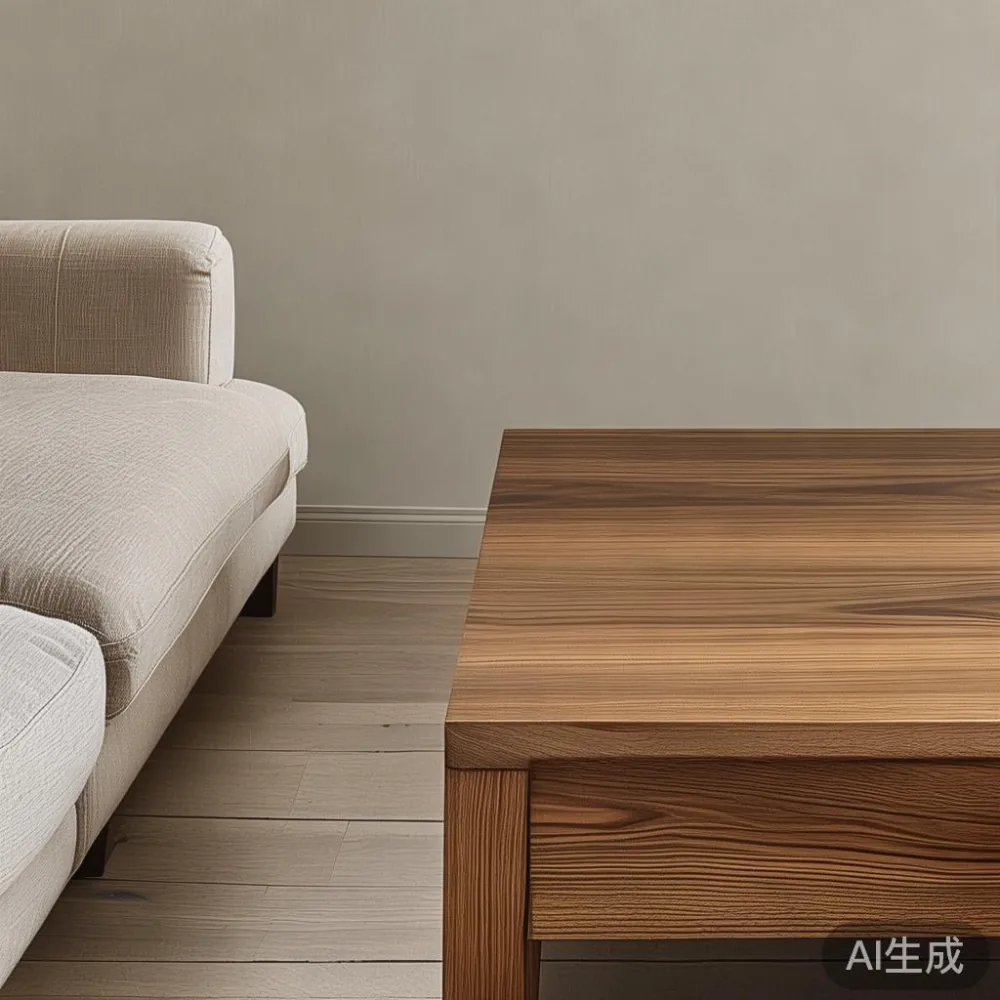
Construction details that quietly raise the price of any solid wood sofa, wardrobe, or nightstand include: through-tenons versus blind tenons, dovetailed drawer boxes versus stapled drawer boxes, full-height drawer sides (12 mm) versus economy 8 mm sides, dovetailed corner blocks on chairs, and the use of floating tenons (Domino or biscuit) versus glued straight rails. A kiln-dried hardwood coffee table with a true mortise-and-tenon apron and through-tenoned legs will outlast a glued-and-screwed version by 15–20 years in our climate, and you will feel that difference in the SGD 600–1,200 price gap.
3. Dimensions, proportions, and the Singapore lift problem
Here is a number every Singaporean buyer should memorise: the inside width of a standard HDB passenger lift is roughly 110 cm wide by 140 cm deep, with a door that swings open to about 80 cm. Service lifts in newer condos are better (around 150 cm × 180 cm), but most of us are moving through the regular one. A 240 cm dining table will not fit. A 200 cm one might, if you tilt it. A 180 cm dining table fits every time.
What does this have to do with price? Everything. Workshops that sell internationally (and the export-focused Foshan factories I toured last month — MIDHILL among them) know that Singapore corridors punish oversized pieces, so they offer modular dining table programs: 180 cm base that extends to 220 cm with a butterfly leaf, or 160 cm that becomes 220 cm with two end leaves. The hardware (steel runners, brass cams, alignment pins) on those extension mechanisms is the single most expensive component on the whole table — sometimes SGD 280–420 of the retail price. A non-extending table of the same wood and finish will be SGD 350–500 cheaper, and you can see why in Beijing. A fixed-size wardrobe that arrives in two halves instead of one is cheaper to ship and easier to carry up four flights, so good manufacturers design for it.
4. Finish, hardware, and the hidden 20%
I asked the MIDHILL finishing manager how much of the per-piece cost goes into sanding, sealing, and topcoat. His answer: between 18% and 22% on most pieces, more on dark walnut or fumed oak where the dye has to be hand-rubbed. A seven-coat conversion varnish finish with hand-rubbed satin topcoats is the difference between a nightstand that looks tired at year three and one that still looks new at year ten. Cheap pieces skip coats. The savings are real (SGD 60–140 per piece) and the regret is also real.
Hardware follows the same rule. Soft-close drawer runners from Blum or Hettich add SGD 45–80 per drawer. A wardrobe with three drawers means SGD 135–240 of hardware alone, which is why imported soft-close wardrobes start at SGD 2,400 instead of SGD 1,200. European hinges (110-degree opening, three-way adjustment) versus Chinese bulk hinges: SGD 8–14 per door, multiplied across six doors of a typical three-metre wardrobe, that is SGD 50–85 of swing weight on the final invoice. For a marble table, the stone itself and the substrate it is bonded to (aluminium honeycomb, plywood, MDF) can shift the price by SGD 600–1,200 for what looks like the same shape on Instagram.
5. Certifications, drying, and the question you should always ask
Ask any solid wood seller — including the team at MIDHILL when I visited their Foshan facility last month — what moisture content their wood is dried to. The honest answer is 8–12% for indoor furniture, kiln-dried and then equalised in a conditioning chamber. The wrong answer is “don’t worry about it.” Wood that is shipped too damp will move in your HDB bedroom during the first dry season (typically February here), and you will see a 3–5 mm gap open between dining table planks that were perfectly tight on delivery day. Movement is not a warranty issue (most warranties exclude it), and it is the most common complaint I hear from friends in Punggol and Sengkang.
Certifications cost money too. FSC-certified wood adds roughly 6–12% to the raw material cost. CARB Phase 2 and EPA TSCA Title VI compliance for formaldehyde emissions adds 2–4% on the finishing side because the glues and lacquers are more expensive. A piece with both FSC wood and CARB-compliant finishes will cost SGD 180–320 more than the same shape without. For families with young kids or anyone with respiratory sensitivities, that premium is worth it. For a basement coffee table in a guest room, it might not be.
6. Style premium: where French light luxury and American light luxury enter
Two aesthetic schools quietly inflate solid wood prices in Singapore showrooms right now. The first is French light luxury — think slim tapered legs on a dining table, brushed brass sabots on a nightstand, and a quiet mineral palette of travertine, pale oak, and off-white lacquer. The pieces are usually smaller and very precisely proportioned. The premium here is in the brass hardware and the tighter tolerances: a brushed brass cap on each leg of four chairs is SGD 80–140 of hardware on its own.
The second is American light luxury — deeper walnut tones, channel-tufted solid wood sofa frames, thicker marble tops on marble table designs, and oversized bed frame headboards. This look uses more material by volume, which is why an American-influenced king bed frame in solid ash at a Singapore retailer will often price higher than a sleeker French-style equivalent in the same wood.
Then there is the category buyers forget about: post-modern light luxury, which blends the two — a travertine top on an oak coffee table, or a slim walnut wardrobe with brass vertical pulls. Post-modern light luxury commands a premium because the materials list is longer: wood, stone, metal, sometimes leather or glass. A 110 cm round coffee table in this category at MIDHILL starts around SGD 1,680 for the post-modern light luxury version and SGD 1,180 for the same silhouette in plain solid ash.
7. Freight, GST, and the Singapore-specific items worth knowing
An imported dining table from a Foshan workshop typically ships by sea in a flat-pack crate. The crate itself is SGD 35–55 of cost. The freight from Shenzhen or Guangzhou to Singapore port is roughly SGD 180–280 per cubic metre. Delivery from the Singapore port to your home, with lift-up service, runs SGD 80–160 depending on floor. Add the 9% GST on the CIF value (cost + insurance + freight), and a SGD 2,000 table from a Foshan maker arrives at your door around SGD 2,490 landed.
Free-shipping thresholds matter. MIDHILL, which has been exporting solid wood pieces since 2008 to 15-plus countries, offers free shipping above US$350 — that is roughly SGD 470, which a single nightstand or small coffee table comfortably clears. Below that threshold, expect a SGD 60–120 freight surcharge. White-glove delivery (two men, packaging removal, placement in the room of your choice) adds another SGD 80–140 per piece, and is what most condo buyers in Punggol and Bedok end up paying.
8. Warranty, returns, and the lifetime refinishing clause
Price is not just what you pay on day one. A piece with a 10-year structural warranty and lifetime refinishing (which MIDHILL offers) is genuinely a different product from a piece with a one-year warranty. The refinishing service — strip, sand, re-stain, re-seal — typically costs SGD 280–520 if you pay a third-party refinisher in Singapore at year eight. If the maker includes it for the life of the piece, that is SGD 280–520 of value baked into the original price. Worth it.
Returns matter too. A 14-day return window with the seller covering return freight is meaningfully better than “no returns” on a SGD 1,500+ purchase. The catch: most sellers only offer this on undamaged, unassembled pieces in original packaging. Measure your lift, your corridor, and your service door before you check out — and if your HDB has a tight turning radius at the lift lobby, ask the seller for the unassembled carton size in cm before you commit.
9. The honest answer: where the SGD goes on a SGD 2,400 piece
On the SGD 2,400 dining table I almost bought last month (200 cm ash, extension leaf, soft-close runners, walnut stain, conversion varnish finish), here is roughly how the money breaks down: raw kiln-dried ash boards, SGD 480; yield loss and machining, SGD 220; joinery labour, SGD 180; extension mechanism hardware, SGD 220; drawer runners and hardware, SGD 90; sanding and seven-coat finish, SGD 280; crating and export packing, SGD 90; sea freight to Singapore, SGD 240; Singapore port handling and last-mile delivery, SGD 160; 9% GST on the CIF value, SGD 180; showroom overhead and warranty reserve, SGD 260. That sums to about SGD 2,400, and you can see why two pieces that look the same on a product page can sit at very different prices once you actually price them in at three levels.
If you want a coffee table that will outlast two HDB leases, spend on joinery and finish, save on hardware you cannot see, and pick a wood species you actually like the colour of. A 110 cm solid ash coffee table with a mortise-and-tenon apron at SGD 980 will serve you better than a 130 cm rubberwood coffee table with stapled joinery at SGD 720. The first one will look better in five years. The second one will already be in a Pasir Ris bulk-waste pile.
10. So what should you actually buy?
If you are kitting out a new BTO in Punggol or refreshing a resale HDB in Bedok, my honest shortlist is this. Start with the bed frame in solid ash or solid oak — it is the piece you use every day for 10–15 years, and it anchors the room. Then a dining table sized for your actual lift, in the species you can afford, with an extension leaf if you host family during Chinese New Year. Then a wardrobe if the built-in has not solved storage already. Then a solid wood sofa frame (cushions are replaceable; the frame should not be). Then a nightstand in the same species as the bed frame so the bedroom reads as one material story. And a coffee table, last, in the wood species that ties the living room back to the dining area.
For the coffee table specifically, skip anything below SGD 600 if you want it to last past the next renovation cycle. The sweet spot for a 100–120 cm solid ash or solid walnut coffee table with proper joinery is SGD 1,100–1,600. Anything priced below that is making a compromise you cannot see in the showroom — usually the wood species, the joinery, or the finish. Anything priced above SGD 2,200 is paying for design name, brand marketing, or a marble top you may not need. A solid ash coffee table at SGD 1,200 from a workshop that publishes its moisture readings, kiln-dries properly, and offers a 10-year structural warranty is the actual sweet spot, and that combination is rarer than the marketing would have you believe.
If you want to pair that coffee table with a dining chair for visual rhythm, a Mid-century modern dining chair in solid walnut with a woven leather or fabric seat reads beautifully next to a French light luxury coffee table and ties the room together for under SGD 320 per chair. That is the kind of cross-category thinking that separates a showroom-looking home from a magazine-looking one, and it is where knowing what drives the price actually pays off in the room you live in.