Maintaining Your Lacquered Coffee Table in Singapore
Singapore's weather is a quiet enemy of fine furniture. With relative humidity hovering between 70% and 85% for most of the year, and indoor temperatures rarely dropping below 24°C even in air-conditioned HDB flats in Tampines or Bedok, a lacquered coffee table faces conditions that would test a small boat. I learned this the hard way last March, when I helped a friend move a newly finished solid wood coffee table from her Punggol condo into a corner of her living room that received three hours of direct afternoon sun through a west-facing window. Within five weeks, the lacquer had developed a faint cloudy patch the size of a 50-cent coin. She had done nothing wrong. The table, the room, and the climate simply disagreed.
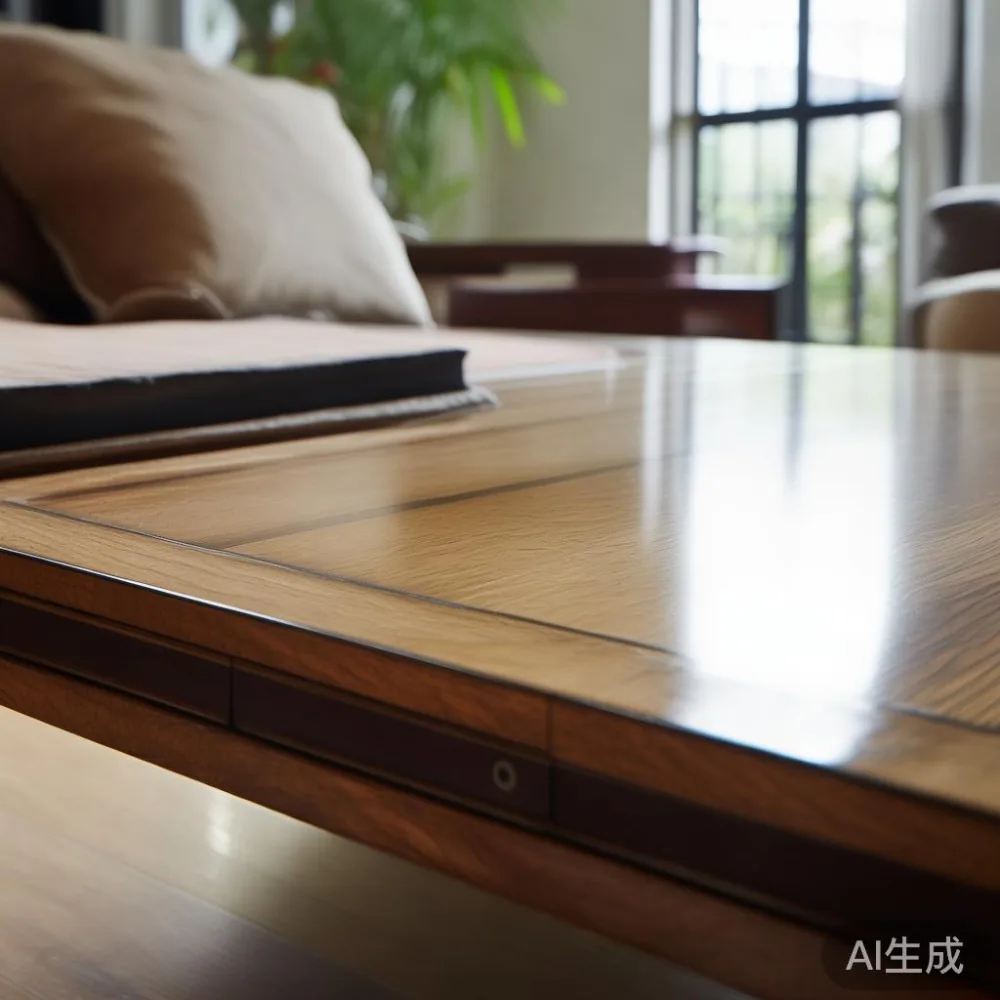
Why does lacquer behave differently in a tropical climate?
Lacquer is a film finish. Once cured, it forms a continuous skin over the substrate — usually a solid wood core, sometimes with a marble inlay or a contrasting veneer band. In a dry climate, that skin stays put. In Singapore, moisture from the air presses against the underside of the lacquer while the air-conditioned indoor environment keeps the top surface comparatively dry. The result is micro-stress on the film, which over months shows up as dulling, whitening, or what technicians call "blushing." Add 28°C ambient temperature and the wood beneath the lacquer is constantly exchanging moisture with the room, expanding and contracting by fractions of a millimetre every day. A coffee table top that measures 110 cm × 60 cm might shift 1.2 mm across a single humid week. The lacquer has to keep up.
How do I choose a sofa bed for a study?
Pick a sofa bed whose mattress thickness matches the room's primary use: 12 cm for occasional napping and 18 cm if the study doubles as a guest bedroom, and always test the hinge mechanism in-store before paying the SGD 80 to SGD 240 delivery fee up to the 14th floor of an HDB block.
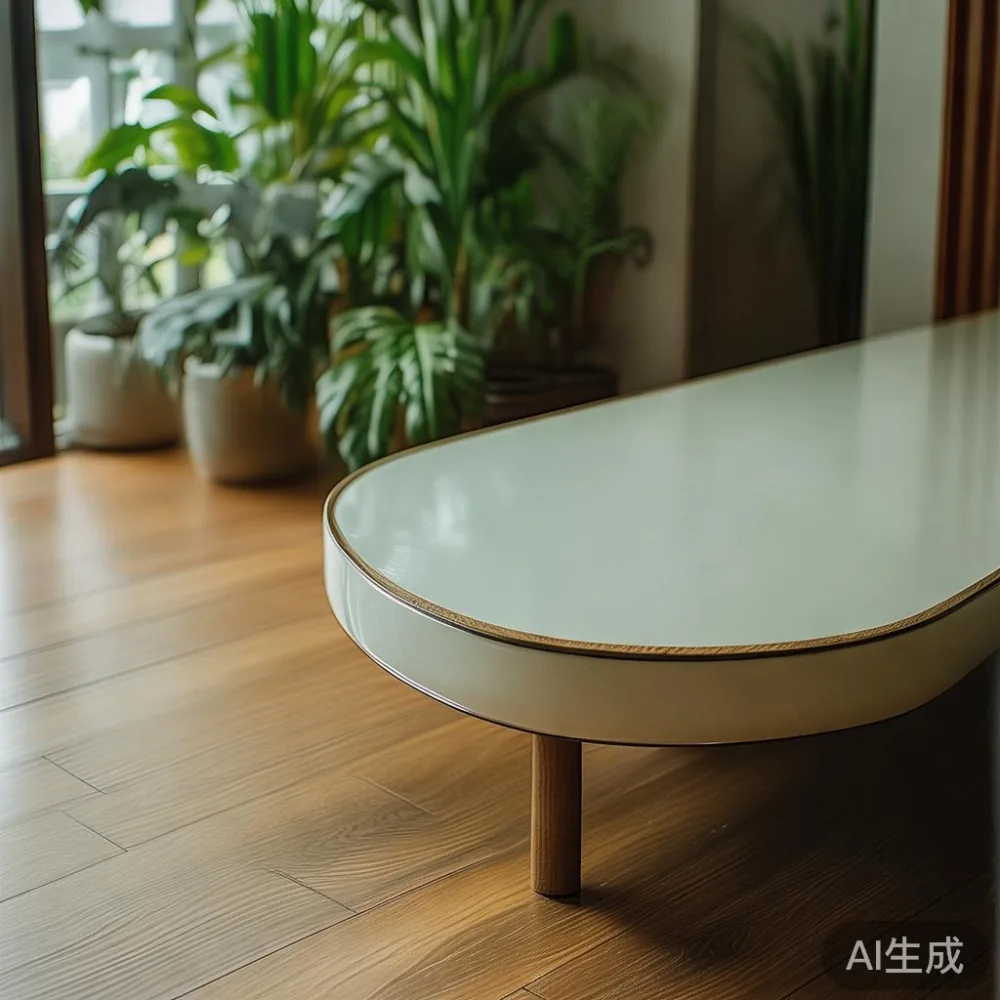
That question gets asked in our Tampines showroom almost every Saturday, and the answer above is the one our staff repeats most often. It also explains why the same careful thinking about materials, environment, and daily use applies to a lacquered coffee table sitting in the same study. Singaporean apartments rarely give furniture one single job. The coffee table holds a laptop at 9 a.m., a child's LEGO at 11 a.m., three plates of food at 1 p.m., and the occasional potted fern at 4 p.m. Choosing finishes that survive that rotation is a Singaporean art form.
What humidity level should I keep around my coffee table?
Aim for 50% to 60% relative humidity at room temperature of 23°C to 26°C. A basic hygrometer costs SGD 18 to SGD 35 at any Tampines Mall electronics shop, and it is the single most useful purchase a new coffee-table owner can make. If the reading climbs above 65% for more than a week, run the air-conditioner's dry mode for two hours a day. If it drops below 45% — which can happen during a dry February week — place a shallow tray of water near (not touching) the table legs. Wood and lacquer prefer stability, and stability matters more than any specific number.
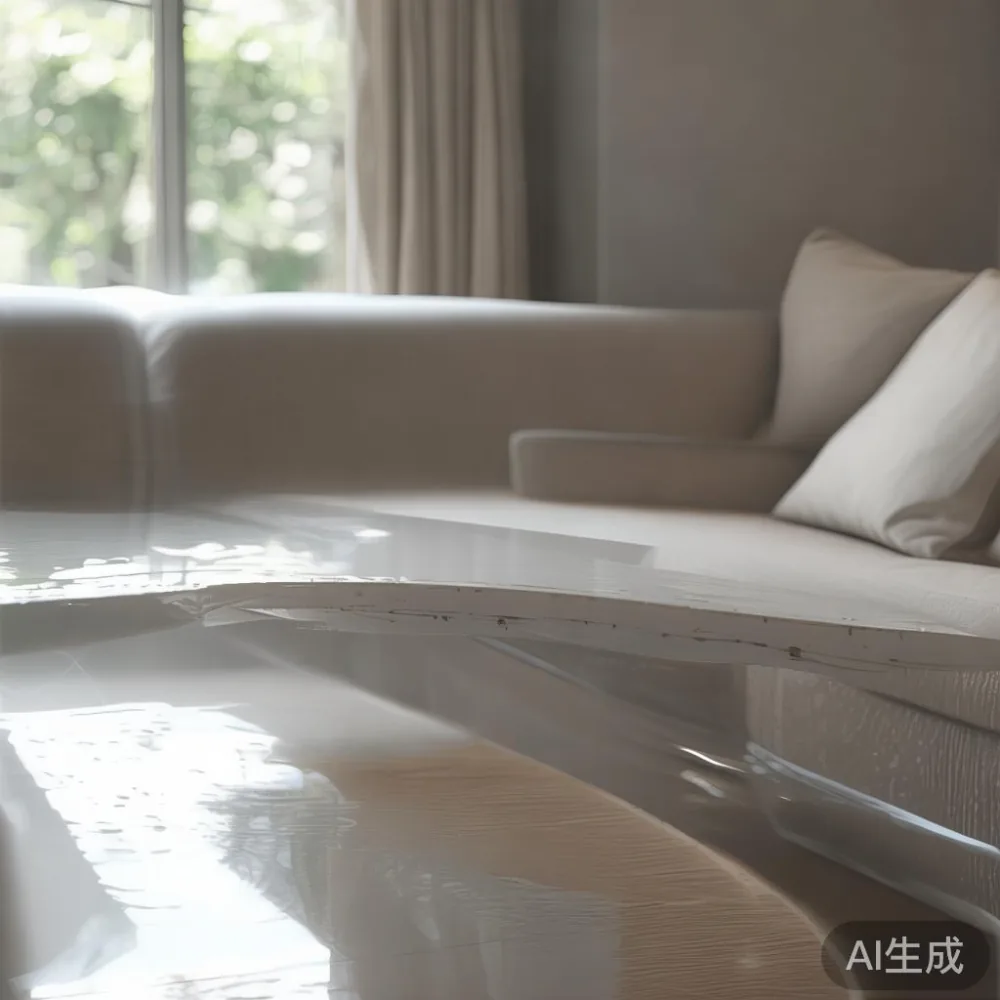
Singapore's HDB corridors are typically 1.2 m to 1.5 m wide, and most passenger lifts in newer BTOs offer a 1.1 m deep by 1.4 m wide car with a 630 kg load limit. A solid wood coffee table weighing 28 kg to 42 kg with its packaging usually clears the lift, but it is worth measuring your coffee table top before ordering. The standard MIDHILL rectangular coffee table, for example, ships in a crate measuring 118 cm × 68 cm × 22 cm and weighs 34 kg — comfortable for a single delivery to a fifth-floor walk-up, awkward if the corridor has a tight 90-degree turn near the refuse chute.
How should I clean a lacquered coffee table without damaging the film?
Use a microfibre cloth (GSM 220 or higher) lightly dampened with room-temperature water and a single drop of pH-neutral dish soap. Wipe with the grain, then buff dry within 30 seconds. Never spray cleaner directly onto the surface; spray the cloth. Avoid silicone polishes, wax-based sprays, and any product containing citrus solvents or ammonia. These attack the polyurethane backbone of a cured lacquer and leave permanent haze within two to three applications.
My colleague in the MIDHILL after-sales team once kept a tally for a month: 17 out of 22 customer service tickets that mentioned surface dulling were solved by switching the owner from a generic glass cleaner to plain water and a microfibre cloth. The other five involved direct sun damage, which brings us to placement.
Where should I position my coffee table inside the room?
Place the table at least 1.2 m away from windows that receive direct sun, and never directly under a ceiling-mounted air-conditioner outlet where condensate can drip. In a typical Singapore condo living room of 18 m² to 22 m², the safest zone is the central third of the room, away from balcony doors and away from the kitchen if you cook daily. Lacquered surfaces and cooking vapour are poor companions: a single year of frying twice a week without a range hood can deposit an invisible oil film that yellows a light-luxury French-finish coffee table within 18 months.
If your coffee table has a marble inlay — a common configuration on post-modern light luxury pieces — the positioning rule is even tighter. Marble tolerates heat poorly, holds onto cold for hours in air-conditioned rooms, and reacts with acidic spills (lime juice, red wine, soy sauce) by etching within minutes. A 90 cm round coffee table with a central marble medallion needs coasters for every cup, every single time, and a soft tray for any wet glass.
How often should I refinish or refresh the lacquer?
For a household coffee table that sees daily use, plan a light professional refresh every 4 to 6 years. For lighter domestic use — a condo where the coffee table is decorative — every 8 to 10 years is sufficient. A full sand-and-recoat costs roughly SGD 220 to SGD 480 for a standard rectangular piece in Singapore, depending on the table size and the on-site masking required. MIDHILL offers lifetime refinishing on every solid wood coffee table shipped from Foshan, which means the owner pays only the freight from Singapore to the workshop and back — typically SGD 90 to SGD 160 each way — not the labour.
Between professional visits, you can extend the lacquer's life with one habit: a monthly polish using a dedicated hardwax-oil product (around SGD 38 for 250 ml). Apply a coin-sized amount to a clean microfibre cloth, work it into the surface in circular motions for 60 seconds, leave it for 15 minutes, then buff. This replenishes the outermost layer of the finish without building up a waxy film that would attract dust in Singapore's already dusty corridor environment.
What should I do immediately if something spills on the table?
Blot, do not wipe. Wiping spreads the liquid and pushes it under the lacquer edge where it can lift the film. Use plain paper towel or a dry microfibre cloth, press for 10 seconds, lift, repeat with a fresh section of cloth. For sticky spills — kuih, condensed milk, soy sauce — dampen a cloth with warm water (not hot), add one drop of dish soap, blot the residue, then blot dry. The entire process should take under 90 seconds if you catch it immediately. Wait an hour and the same spill needs a professional.
This is also the right moment to think about coasters, placemats, and trays as serious tools rather than decoration. A set of four solid brass or powder-coated metal coasters costs SGD 45 to SGD 90 in Singapore and will save you hundreds in refinishing fees over the table's life. A felt-lined serving tray, around SGD 60, protects the centre of the table from the mugs, remotes, and small potted plants that congregate there.
Does the warranty cover tropical climate damage?
Most manufacturers exclude humidity-related finish issues from standard warranty because they are environmental, not structural. MIDHILL's 10-year structural warranty covers the joinery, the frame, and the substrate — the parts that hold the table together. The lacquer itself is covered by a separate 3-year finish warranty against peeling, cracking, or delamination under normal indoor residential use. The lifetime refinishing service, available to original buyers, is what carries the rest of the responsibility across the decades.
Read the warranty card carefully before signing. In Singapore, all consumer purchases carry an implied 14-day right of return for defective goods under the Consumer Protection (Fair Trading) Act, and reputable furniture sellers extend this to change-of-mind returns. MIDHILL's standard terms give you 14 days from delivery to return the coffee table for any reason, with free collection if you live in Tampines, Bedok, Punggol, Sengkang, or Hougang, and a SGD 60 collection fee for the rest of mainland Singapore.
How do I coordinate a lacquered coffee table with the rest of my living room?
Match the lacquer tone to one — not two — of the other major pieces in the room. If your solid wood sofa frame is a warm walnut and your TV console is a cool ash grey, the coffee table should pick one of those families, not blend both. In a Singapore HDB living room of 14 m² to 20 m², a single dominant wood tone reads as intentional; two competing tones read as cluttered. The same logic applies when matching a lacquered coffee table to a marble dining table, a fabric-upholstered bed frame, or a velvet armchair. Pick the largest piece in the room and let the coffee table echo its undertone.
Many Singapore homeowners now pair a post-modern light luxury coffee table — think a slim 35 cm tall rectangular top with a brushed brass base — with a matching Italian light luxury master bed usa, which carries through the same metallic accent from the bedroom into the living room. The visual continuity makes a 60 m² condo feel like a 90 m² apartment.
Final thoughts on long-term care
A lacquered coffee table is not fragile, but it is responsive. It reacts to the air, the light, the spills, and the routine of the household around it. Treat the surface as a partner rather than a possession: check the humidity twice a week, wipe it with a clean cloth every other day, position it away from the window and the stove, and call for a professional refresh every half-decade. Do those four things and a quality solid wood coffee table will outlast two sofa replacements, three sets of curtains, and at least one renovation cycle.
If you are shopping for a new coffee table in Singapore, factor in the delivery corridor before you fall in love with the showroom piece. Measure the lift depth, the corridor turn, and the front door. A 130 cm round coffee table will not fit through a 90 cm doorway, no matter how much the salesperson smiles. The right table, measured correctly and cared for properly, becomes the silent centre of the home — a small wooden island in the middle of a city that never stops sweating.