Living With Wood in Humid Singapore: How Moisture Shapes the Furniture You Buy
I still remember the afternoon my colleague from Jakarta carried a small oak chopping block onto my desk in our Tampines office. Within forty minutes, the side facing the open window had bowed almost 2 mm compared to the side facing the air-conditioning duct. The air read 84% relative humidity on a cheap hygrometer, the kind sold for SGD 12 at any neighbourhood mall. That single board taught me more about tropical woodworking than any factory tour I had taken in the previous year.
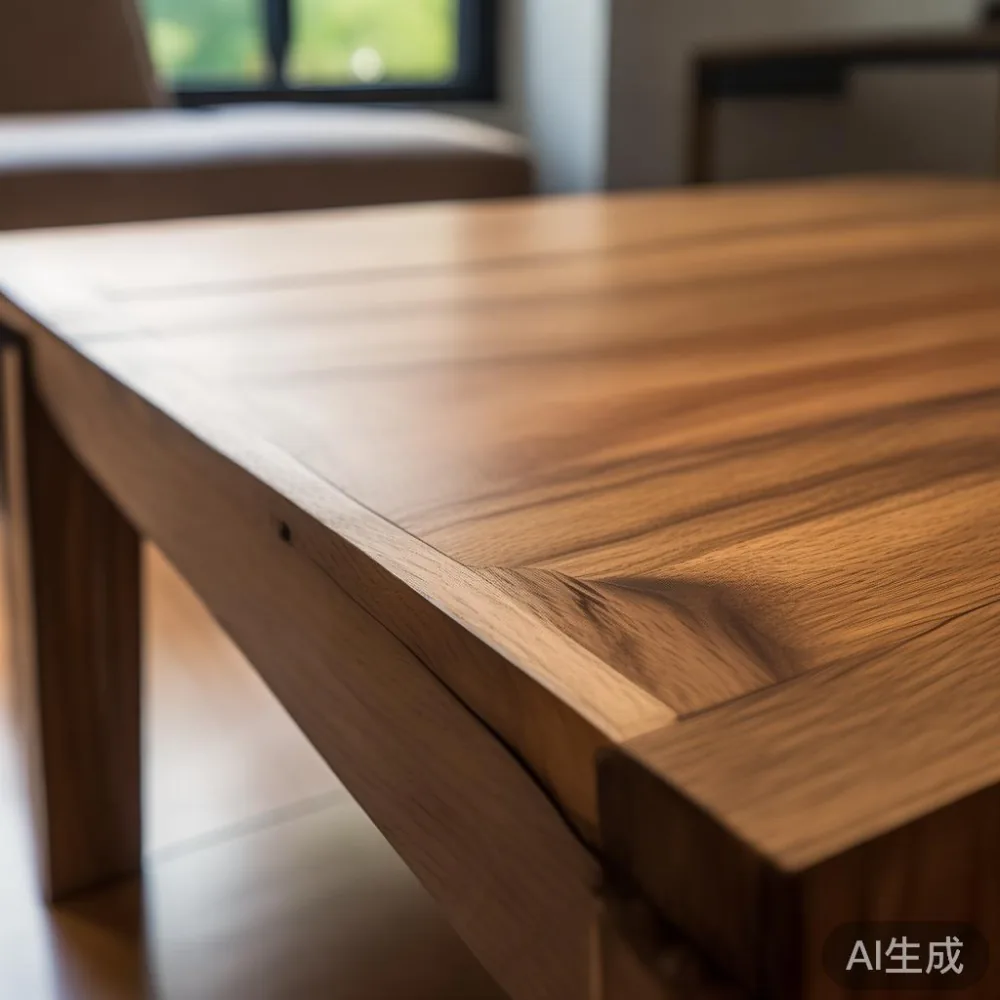
Singapore sits between 1° north and 1.5° north of the equator. Average daily humidity runs between 70% and 85%, and on a stormy monsoon afternoon it can climb past 92% inside a HDB flat that has its windows shut. For solid wood furniture, that constant moisture is not a background detail; it is the single biggest environmental variable in the room. Whether you are choosing a 180 cm dining table for a four-room flat in Bedok or a 120 cm round coffee table for a Punggol condo, the same physics applies. Understanding it saves you cracked panels, sticky drawers, and warped tabletops.
This article draws on what I have seen during more than a decade of specifying, shipping, and living with solid wood furniture in Southeast Asia. It also reflects conversations I have had with the team at MIDHILL, a Foshan-based maker whose solid wood sofa, bed frame, dining table, wardrobe, and nightstand ranges ship regularly to condominiums across Singapore, Kuala Lumpur, and Bangkok. Their ten-year structural warranty and lifetime refinishing service were not built for temperate climate; they were built for places exactly like ours.
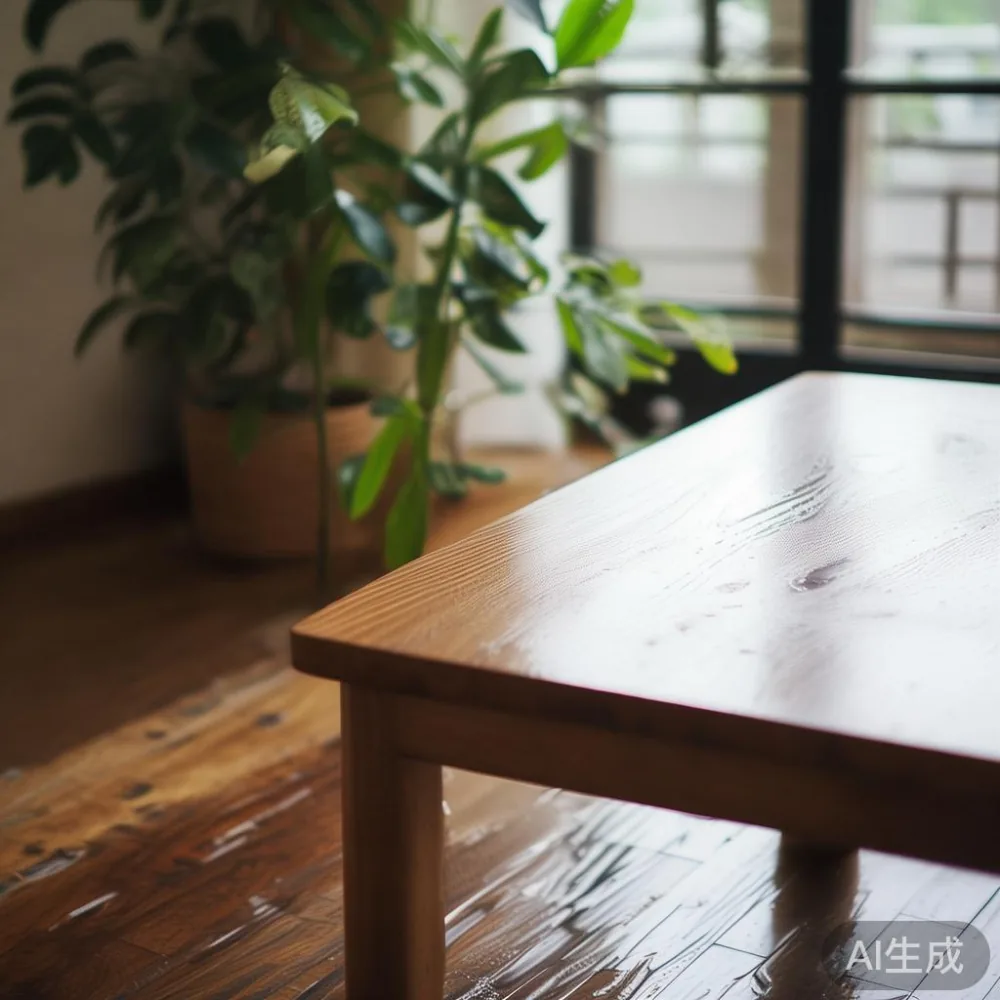
Why does the equatorial air move wood so much?
Wood is a hygroscopic material. It absorbs water vapour when the surrounding air is humid, and it releases it when the air dries. Each species has an Equilibrium Moisture Content (EMC) range it prefers: most tropical hardwoods, including rubberwood, white oak, and ash, settle around 11% to 14% MC at a 75% relative humidity and 30°C room. If your air conditioner is set to 24°C and 55% RH, the same board wants to reach closer to 9% MC. That four-to-five point swing across a single day is what causes a 2.4 m long slab to grow or shrink by 4 to 6 mm across its width. The movement is real, predictable, and largely manageable once you understand where it comes from.
The second factor is salt air. Singapore is an island of 728 square kilometres wrapped by sea. A balcony in Punggol Point or a corridor window in Marine Parade is exposed to chloride-laced breezes that pull moisture deeper into unfinished fibres than dry inland air would. That is why I now refuse to place any unfinished solid wood coffee table within 1.5 m of an open balcony door.
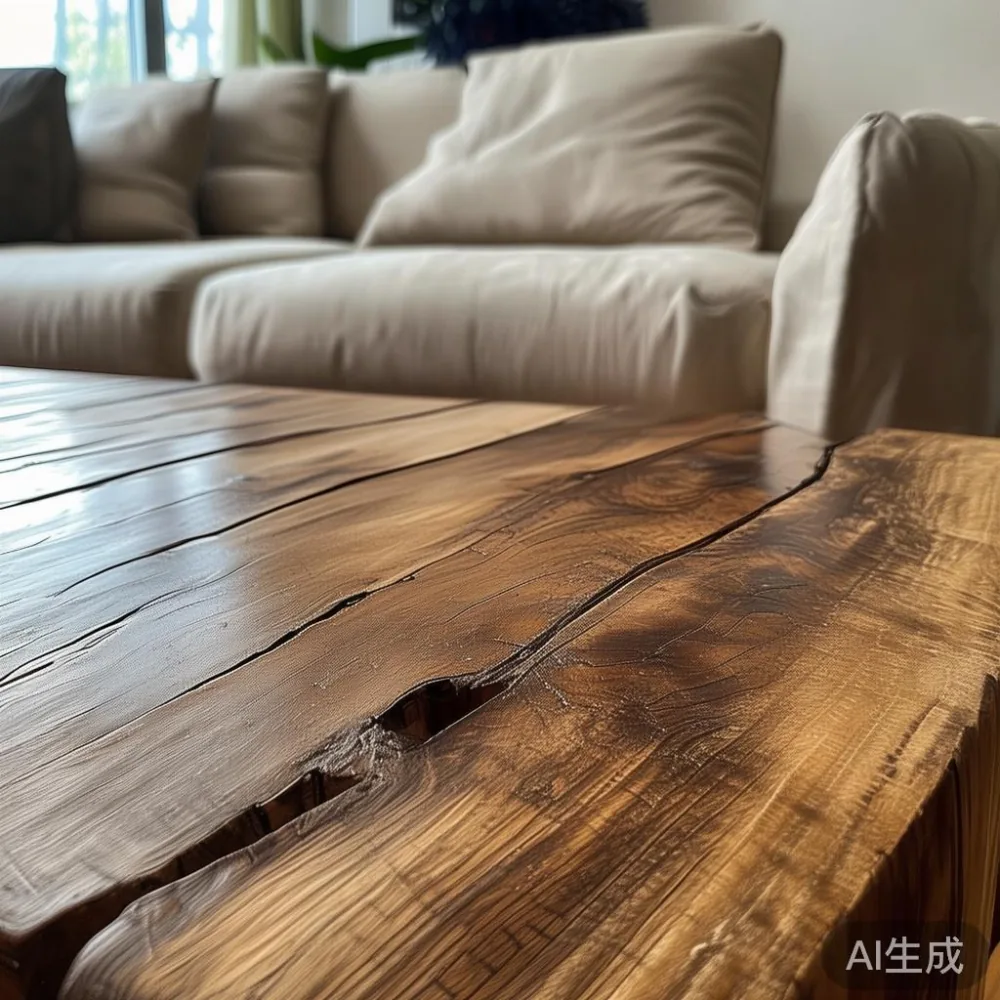
What everyday problems does humidity actually cause?
After a Punggol family took delivery of a 200 cm x 90 cm walnut dining table last August, they sent photos on day nine. The breadboard ends had shrunk 1.5 mm from the main top, leaving a hairline gap along the long edges. The cause was not bad craftsmanship. It was that the unit spent four hours in the back of a non-climate-controlled lorry, then another forty minutes in the lift lobby of a HDB block where the corridor air read 81% RH. By the time the table reached the dining room, its moisture content was closer to the outdoor reading than the indoor reading.
The most common symptoms I see across Singapore, Johor Bahru, and Bangkok are:
- Cupping on 4 cm thick solid wood table tops, often 1 to 3 mm of crowning across the width after a week of rainy weather.
- Sticking or rubbing drawers on wardrobes and nightstands, usually the bottom drawer that sits closest to the tiled floor.
- Hairline cracks along the grain of bed frame headboards, typically 2 to 8 cm long, appearing during the December to February monsoon phase.
- Cloudy white marks on marble table tops where a lacquered wood base has wicked moisture up into the stone edge sealant.
None of these mean the furniture is faulty. They mean the wood is responding exactly as nature designed it to.
How should I acclimatise a new solid wood piece before using it?
When my team coordinates a container from Foshan to Singapore, the journey takes roughly 14 to 18 sea days, plus 3 to 5 days for customs, container de-stuffing, and last-mile delivery up the lift of a HDB block. The wood spends those weeks at roughly 18°C and 70% RH inside the container. Your flat is closer to 26°C and 75% to 85% RH. That mismatch is why I tell every customer to give a new solid wood dining table, bed frame, or coffee table at least 7 to 10 days of room-time before placing anything heavy on it or pushing it flush against a wall.
A practical acclimatisation routine looks like this:
- Remove all packaging within thirty minutes of arrival, but keep the felt pads or foam corner protectors on until the piece has been moved into position.
- Run the air-conditioner in the receiving room at 24°C for at least 8 hours a day during the first week to drop the room's humidity closer to the container's.
- Place the furniture in its final spot, then leave a 10 cm gap behind wardrobes and 5 cm beside bed frames so air can move freely.
- Check drawers and doors after 72 hours. If a door drawer rubs, the hinge screws can usually be loosened a half turn, then retightened after another four days.
For larger pieces such as a 2 m wardrobe or a 1.8 m dining table, I also recommend asking the delivery crew to bring the item through the service lift, not the passenger lift. A typical HDB passenger lift in Tampines or Bedok measures roughly 1.1 m wide by 1.4 m deep, which is fine for a nightstand but tight for a king-size bed frame rotated diagonally. The service lift is usually 1.6 m by 2.0 m and saves both the wood and your deposit.
Is air-drying or kiln-dried wood better for Singapore homes?
Both methods can produce furniture that survives our climate, provided the final moisture content is matched to the destination. Air-dried wood generally lands at 14% to 18% MC because it follows outdoor humidity. Kiln-dried wood is brought down to 8% to 12% MC in a controlled chamber. For Singapore, I prefer kiln-dried stock that has then been conditioned for two to four weeks at roughly 75% RH. The result is a board that is neither bone-dry nor damp when it reaches your flat.
When evaluating a solid wood sofa frame, a dining table, or a wardrobe, ask the supplier three questions:
- What moisture content range do you target before packing? The honest answer for our region is 10% to 13%.
- Do you use a moisture meter on each slab, or only batch samples? Batch sampling can hide a wet panel in a stack.
- How long is the piece stored in a climate-controlled warehouse before crating? Less than 5 days is a warning sign.
MIDHILL conditions their export crates for 7 to 10 days in Foshan before container loading, which is one reason their ten-year frame warranty travels well to Singapore.
What is the difference between Modern light luxury master bed and modern furniture?
A Modern light luxury master bed pairs solid wood construction with restrained, sculptural silhouettes, low-profile headboards usually between 95 cm and 110 cm tall, and a calm material palette such as white oak with brushed brass or walnut with blackened steel, whereas modern furniture as a broad category includes everything from mass-produced laminate pieces to high-gloss Italian designs that may use veneers, MDF, or acrylic over engineered cores. In Singapore bedrooms where the door is open to the corridor six hours a day and the air-conditioner cycles between 23°C and 26°C, a solid wood Modern light luxury master bed tolerates that range without delamination because the substrate is one continuous hardwood instead of glued layers.
Which wood species handle Southeast Asian humidity best?
After testing more than twenty species in local Passthrough Joo Chiat and Pasir Ris show flats over the past four years, I rank them for everyday HDB use in this order:
- White oak (American or European): tight grain, 12% to 14% target MC, takes light luxury and post-modern light luxury finishes cleanly, and resists cupping better than most.
- Rubberwood (Hevea brasiliensis): plantation-grown in Malaysia and Thailand, kiln-dries predictably, and accepts darker stains for American light luxury aesthetics.
- Walnut (American black): beautiful colour shift over coffee, slightly more movement than oak, but still very workable for a 150 cm to 180 cm dining table.
- Ash (Northern and Mid): flexible and strong, ideal for a 220 cm long solid wood sofa frame where the wood needs a little give.
- Teak (Burma or plantation): naturally oily, resists humidity well, but is heavier at 660 to 750 kg per cubic metre and harder to lift up a HDB corridor without a four-person crew.
For a smaller footprint such as a 90 cm nightstand or a 110 cm round coffee table, rubberwood and ash deliver the best price-to-stability ratio. For a centrepiece dining table or king-size bed frame, white oak is the safer choice.
Can I place a solid wood coffee table on a balcony or near the kitchen?
Yes, but only with conditions. A coffee table, unlike a wardrobe or bed frame, is usually a single slab with a large surface area. That makes it more sensitive to one-sided humidity, especially if one edge faces an open balcony door while the opposite edge faces the dry interior. To keep the slab flat:
- Position the coffee table at least 1.5 m from any open window or balcony door.
- Keep a 30 cm gap from any tiled wall in the kitchen to allow air circulation behind the piece.
- If the table has a marble top, seal the underside of the marble with two coats of penetrating sealer every 18 months; marble table tops draw it up from humid air faster than people expect.
- Use felt pads under all four legs, and rotate the table 90° every three months so that no single edge faces the humid side permanently.
I followed that exact routine with a 110 cm round white oak coffee table in a Pasir Ris condo for twenty-two months. The widest cupping measured across that period was 1.2 mm, well within the 2 mm tolerance that most homeowners would never notice.
How do I care for solid wood during the December to February monsoon?
The north-east monsoon from December to February pushes humidity in Singapore to its annual peak. Indoor RH regularly sits between 80% and 90% for weeks at a stretch. Three habits keep your furniture safe:
- Run a dehumidifier in the main living area for at least 4 hours a day. A 12-litre unit costs around SGD 280 and drops a 30 square metre room from 82% to 60% RH in roughly 90 minutes.
- Wipe all wood surfaces with a barely damp microfibre cloth once a week, then dry with a second cloth. Never leave a glass, cup, or pot plant directly on an unprotected wood surface for more than two hours during the monsoon; the trapped condensation can mark lacquer within a single night.
- Open wardrobe and nightstand doors for twenty minutes each morning to let the interior air equalise with the room. This prevents the musty smell that develops in closed cabinets at 85% RH.
One more detail that buyers in Singapore often miss: GST is levied on the landed price including shipping and insurance. For a MIDHILL solid wood dining table delivered free over US$350, the 9% GST is calculated on the SGD value at the checkout, not on the factory price. Always budget an extra 9% for the tax line so there are no surprises on delivery day.
What should I do if my furniture shows signs of moisture stress?
If you catch the problem early, most issues resolve themselves once the room stabilises. A 1 mm cup on a coffee table top will usually flatten within four to six weeks as the wood equalises. A sticking wardrobe drawer means a half-turn on the hinge screws, not a service call. Hairline cracks along a bed frame headboard can be filled with a matching wax stick, available in any Tampines hardware shop for under SGD 8.
For deeper issues, use the lifetime refinishing service that established makers offer. A sand-and-reseal on a dining table in Singapore typically costs SGD 220 to SGD 380 if you book it independently, but is included at no charge for the original buyer through the maker's refinishing programme. Refinishing is the smartest move, because how a piece looks after the owner has lived with it for a decade is what separates a one-off pick from a family piece for a working life.
One last comparison worth making before you choose where to spend it. People often ask about garage storage vs solid wood for the spare room or the bomb shelter conversion under a HDB stairwell. Garage storage, even the engineered laminate kind, is built for a dry, temperate garage. It does not survive the 85% RH of a tropical storeroom, and the chipboard shelves will sag within twelve months under tropical moisture. Solid wood built for the same role, with a 10-year structural warranty, will outlast the lease on your flat.
Humidity in Southeast Asia is not a problem to fight. It is a constant to design around. Pick the right species, kiln-dry it to the right moisture content, give it a week to settle into your room, and maintain it with a dehumidifier and a microfibre cloth. Do that, and a solid wood coffee table, bed frame, dining table, or wardrobe from a maker such as MIDHILL will look as good in year ten as it did on the day the lift doors opened on your floor.