The Silent Challenge: How Humidity Affects Your Solid Wood Coffee Table in Singapore
Walking into a Singaporean home, especially one of the many Housing and Development Board (HDB) flats in Tampines or Bedok, you'll notice a common thread: the warmth, the vibrant greenery outside the window, and the ever-present, almost tangible moisture in the air. This humidity, a defining characteristic of our tropical climate, is what makes Singapore the 'Garden City'. For us, it's a way of life. For a solid wood coffee table, however, it presents a silent, ongoing challenge. Understanding this relationship between your furniture and the environment is the first step towards ensuring its beauty and longevity for years to come.
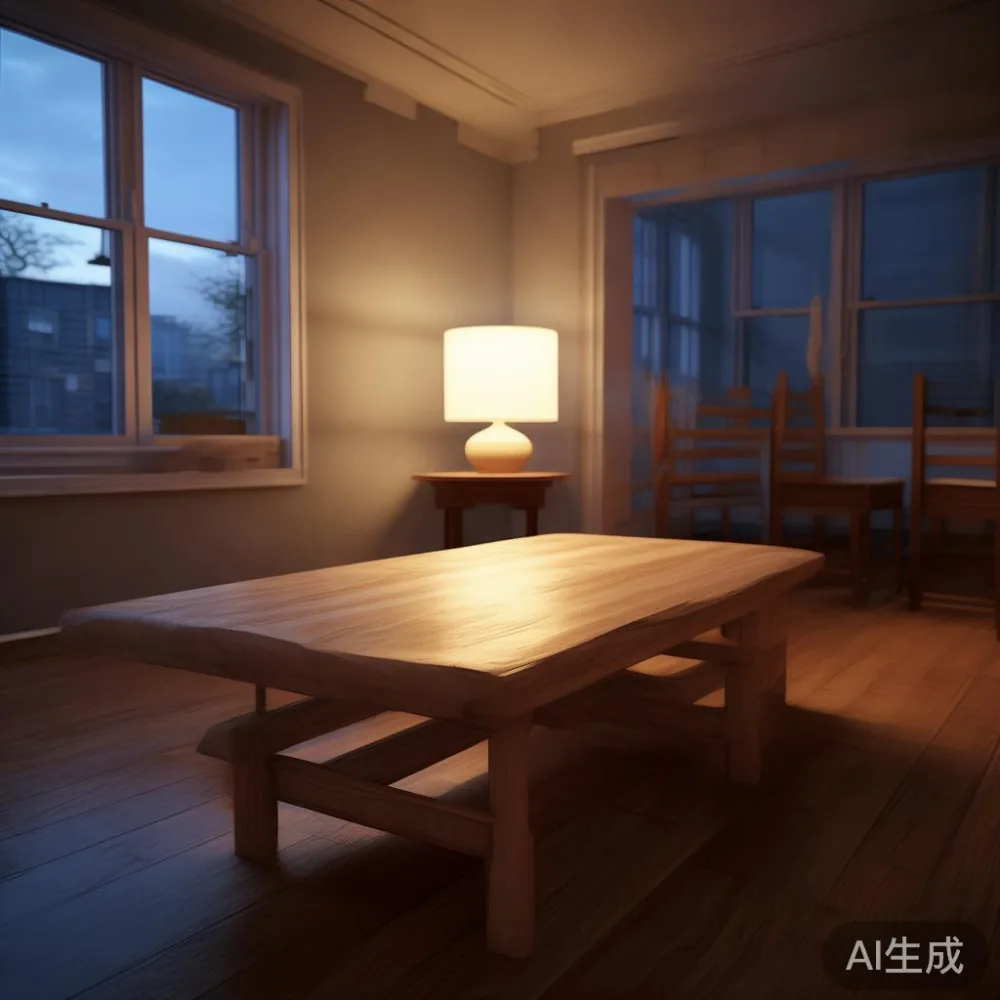
Why Your Wood Coffee Table Reacts to Singapore's Humidity
Wood is a natural, hygroscopic material. This scientific term simply means it absorbs and releases moisture from the surrounding air. In Singapore, the relative humidity often hovers between 70% and 90%, a level that is constant and high. A solid wood coffee table is not a static object; it's a living piece that breathes. When the air is saturated with moisture, the wood fibres absorb it, causing them to swell. Conversely, during the occasional dry spell or when the air-conditioning is blasting, the wood releases moisture and contracts. This natural cycle of expansion and contraction is the fundamental reason your coffee table reacts to our climate.
Think of it like a sponge. A dry sponge expands when you add water. A wood coffee table does the same, just on a much slower, more subtle scale. The extent of this movement depends on the wood species. Hardwoods like oak, teak, and walnut, which are commonly used for high-quality furniture, are more stable than softwoods. However, no wood is completely immune to the effects of high humidity. The visible signs might be subtle at first—a slight widening of a seam, a panel that doesn't sit perfectly flush—but over time, these changes can become more pronounced if not managed.
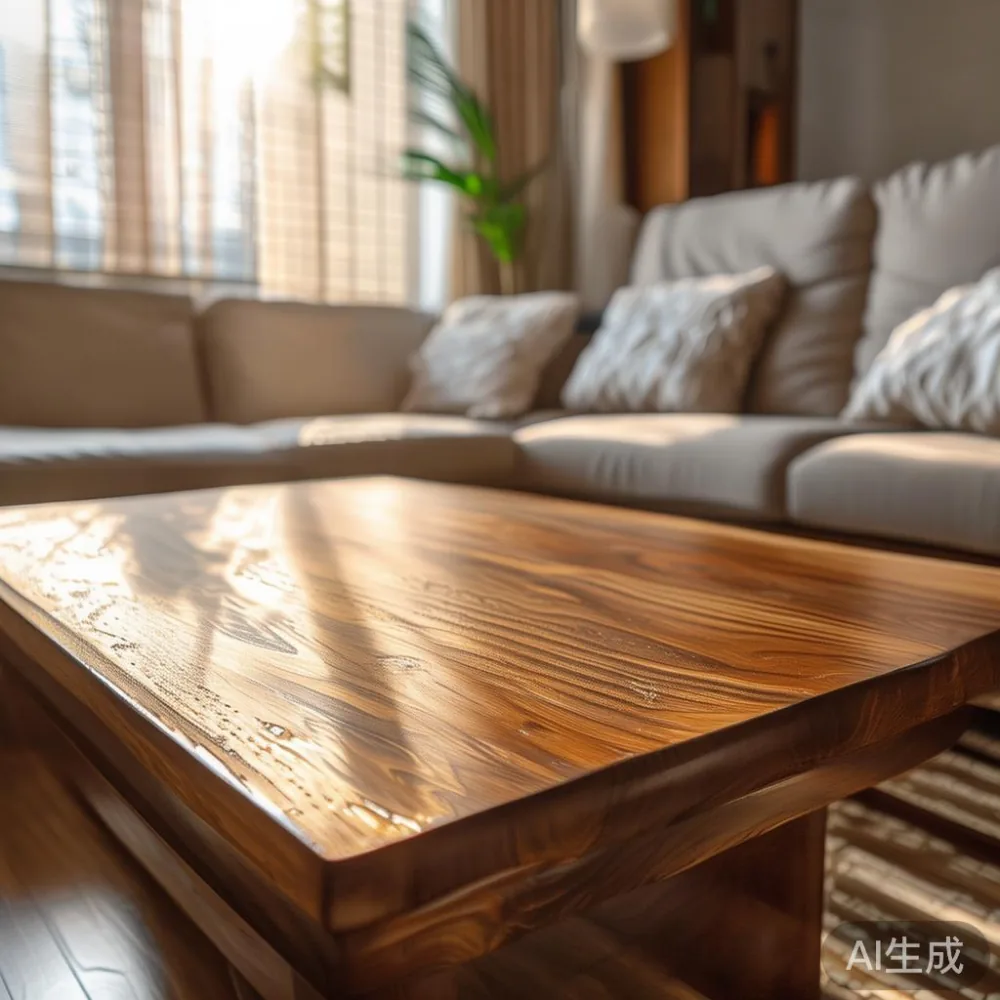
Visible Signs of Humidity Stress on Your Coffee Table
So, what does this humidity-induced stress look like in your living room? Recognising the early signs can help you take action before minor issues become major problems. The most common indicators are often found on the surfaces and joints of your coffee table.
One of the first things you might notice is a change in the surface finish. A high-quality lacquer or oil finish can become hazy or cloudy in very high humidity. This is moisture trapped between the finish and the wood itself. You might also see tiny beads of moisture forming on the surface of a raw wood coffee table, especially if it's been placed near a frequently opened window or balcony door in a Punggol apartment. This is a clear sign that the wood is saturated.
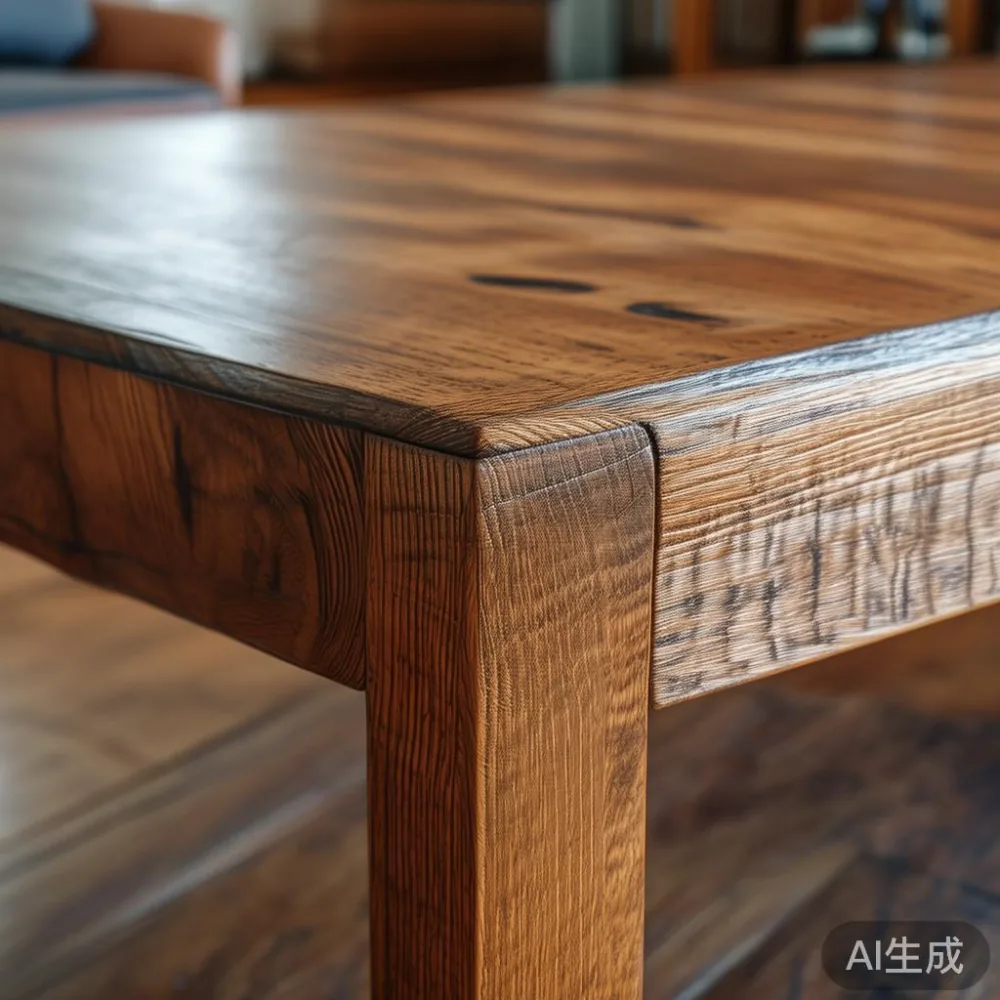
More structurally, you might observe gaps opening and closing in the table's construction. Solid wood furniture is typically made with panels that are allowed to 'float' within the frame. This is a design feature that accommodates the wood's movement. If you see a gap between the tabletop and the side apron that is wider in the morning and narrower in the afternoon, your table is simply doing its job. However, if gaps are consistently large, or if you hear creaking and popping sounds as the wood expands, it could indicate a problem with the construction or the acclimatisation process.
Another tell-tale sign is 'cupping' or 'crowning'. This is when the edges of a plank in the tabletop rise up, creating a concave or convex curve. This happens because the top surface of the wood absorbs moisture faster than the bottom, causing it to expand unevenly. A well-made coffee table is designed to minimise this, but in extreme conditions, it can still occur. Paying attention to these details helps you understand the language your furniture is speaking.
How to Protect Your Coffee Table: Acclimatisation is Key
The single most important step you can take to protect your new solid wood coffee table is proper acclimatisation. This process allows the wood to gradually adjust to the specific humidity levels of your home before it is put into full use. I learned this the hard way when I visited a colleague's new condo last month. He had just received a beautiful teak coffee table and immediately placed it in his living room. Within a week, the seams had widened noticeably. He was worried his table was defective, but the issue was simply that it hadn't been given time to settle into its new environment.
The acclimatisation process is straightforward but requires patience. When your new coffee table is delivered, do not unpack it immediately. Instead, leave it in its sealed packaging in the room where it will be used for at least 48 to 72 hours. This allows the wood inside the box to slowly adapt to the room's temperature and humidity without the stress of sudden exposure. After the acclimatisation period, unpack the table and let it stand in its final position for another 24 hours before placing any objects on it. This simple step can prevent a host of future problems.
For those living in HDB flats where lift widths are a standard 110 cm and corridor widths can be narrow, the delivery process itself is part of the acclimatisation. Ensure the delivery team has enough space to manoeuvre the furniture. A coffee table with dimensions of 120 cm long will require careful handling in a typical Bedok HDB corridor. Proper handling prevents accidental damage, which can create entry points for moisture and exacerbate humidity-related issues.
Can You Use an Air Conditioner to Protect Your Wood Furniture?
This is a question many homeowners in Singapore ask, and the answer is nuanced. While air conditioning can help control humidity, it's not a perfect solution and must be used thoughtfully. The ideal humidity range for wood furniture is generally considered to be between 40% and 60%. Running your air conditioner constantly can bring the indoor humidity down to this level, which is good for the wood's stability.
However, there are two significant risks. First, rapid fluctuations are just as damaging as consistently high humidity. If you run the AC all day and then turn it off at night, the humidity will spike as the air warms up. This constant yo-yo effect can stress the wood more than a stable, high humidity level. Second, air conditioning can make the air too dry. If the humidity drops below 40%, the wood can lose too much moisture, leading to shrinkage, cracking, and joints pulling apart.
The best approach is to use your air conditioner as a tool for moderation, not elimination. Aim for a comfortable setting that keeps the humidity relatively stable. A dehumidifier can be a better option in some cases, as it removes moisture without drastically lowering the temperature. Placing a dehumidifier in the same room as your coffee table, especially during the wettest months from November to January, can help maintain a healthier environment for the wood. The goal is consistency, not perfection.
What is the Best Post-modern wardrobe for 2026 if Humidity is a Concern?
While this article focuses on the coffee table, note that the principles of wood care apply across all your furniture. If you are considering other pieces like a wardrobe, the same humidity challenges apply. When selecting a wardrobe, the construction and material are paramount. For example, looking for the best Post-modern wardrobe for 2026 means finding one that is not just aesthetically pleasing but also built with an understanding of local climate conditions.
A well-constructed wardrobe will feature solid wood frames and panels designed to move with the seasons. Look for dovetail joints on drawers and mortise-and-tenon joints on the main carcass, as these are strong and allow for natural wood movement. Avoid furniture made with particleboard or MDF (Medium-Density Fibreboard) cores, as these materials are not hygroscopic and can swell and disintegrate when exposed to moisture, leading to a complete failure of the piece. Solid wood construction, while a higher initial investment, pays for itself in durability and longevity in our climate.
At MIDHILL, a Foshan-based maker with over 15 years of experience exporting to Singapore, we focus on precisely this kind of thoughtful construction. Our pieces are designed to withstand the unique challenges of a tropical environment, from the coffee table to the wardrobe. The 10-year structural warranty we offer is a reflection of our confidence in the durability of our furniture when it is properly cared for. It’s a promise that your investment is protected against structural defects for a decade.
Long-Term Care and Maintenance for Your Coffee Table
Protecting your coffee table is an ongoing commitment, not a one-time event. Regular maintenance will keep it looking beautiful and functioning perfectly for decades. The most important rule is to clean it properly. Use a soft, dry cloth to dust the surface daily. For deeper cleaning, use a cloth lightly dampened with water, but always wipe the surface dry immediately afterward. Never leave a wet glass or cup on the table without a coaster, as the moisture can soak into the wood and leave a permanent mark.
Every 3 to 6 months, depending on how dry the air is, you should apply a suitable wood polish or oil. This serves two purposes: it nourishes the wood, keeping it from drying out, and it provides an additional protective layer against moisture absorption. For a coffee table with a matte or oiled finish, a natural beeswax polish is an excellent choice. For a high-gloss lacquered finish, a specialized furniture polish will restore its shine without damaging the finish. This simple ritual helps maintain the wood's natural oils and resilience.
Finally, be mindful of your coffee table's placement. Avoid positioning it directly in front of an air-conditioning vent or a heater, as this will cause uneven drying. Also, keep it away from direct sunlight, which can fade the wood's colour and dry it out excessively. If you have a marble-topped coffee table, remember that marble is porous and can also be stained by acidic liquids, so it requires its own specific care with pH-neutral cleaners.
Why a 10-Year Structural Warranty Matters for Wood Furniture in Singapore
When investing in a solid wood coffee table or any piece of furniture, the warranty is a critical factor to consider. It speaks volumes about the manufacturer's confidence in their product's quality. A 10-year structural warranty, like the one offered by established makers, is a significant commitment. It covers the core integrity of the furniture—the frame, the joints, the legs—protecting you against defects that would render the piece unusable.
In a high-humidity environment like Singapore, a strong structure is non-negotiable. The constant expansion and contraction put immense stress on every joint and connection. A warranty ensures that if a joint fails due to a structural defect, not just normal wear and tear, the manufacturer will stand behind their product. This provides peace of mind, knowing that your substantial investment is protected. It also serves as a guarantee of quality craftsmanship, assuring you that the furniture was built to last.
Complementing the structural warranty is a lifetime refinishing service. This is a unique and valuable offer. Over many years, even the best-cared-for wood can show signs of age or minor surface damage. A refinishing service can strip the old finish and reapply a new one, in effect giving your coffee table a new lease on life. This commitment to the entire lifespan of the product is what separates premium furniture from mass-market alternatives. It means you can pass down a piece that looks as good as new, generation after generation.
How to Style an American Sofa in an Apartment with a Solid Wood Coffee Table
Once you've ensured the longevity of your coffee table, you can focus on creating a beautiful living space. Styling is where personal taste shines. For instance, many homeowners in Singapore enjoy the question of how to style American sofa in an apartment. An American sofa, often characterised by its deep seats, plush cushions, and clean lines, pairs wonderfully with a solid wood coffee table. The warmth and natural grain of the wood provide a beautiful contrast to the soft textures of the sofa.
The key to this style is balance. Place a low-profile coffee table in front of the sofa to maintain an open, airy feel, which is ideal for Singapore's smaller living spaces. You can accessorise the coffee table with a few items: a ceramic vase with a single tropical flower, a stack of art books, and a woven tray to keep remotes organised. The natural materials of the wood, ceramic, and weave will create a cohesive, harmonious look. This combination brings a sense of relaxed luxury into the home, perfect for unwinding after a long day.
For those who prefer a different aesthetic, the same principles apply. A French provincial coffee table, with its elegant curves and distressed finish, can create a romantic, timeless feel. Alternatively, a minimalist post-modern coffee table with clean lines and a metal base can lend a sleek, contemporary vibe to a space. The coffee table is the anchor of your living room arrangement, and its style will define the entire room's character.
Understanding the Value of Quality Furniture in Singapore
When you purchase a solid wood coffee table from a reputable brand like MIDHILL, you are not just buying a piece of furniture. You are investing in quality, durability, and a piece of art that will enhance your home for years to come. The price point reflects this value. A high-quality solid wood coffee table can range from SGD 800 to over SGD 2,500, depending on the wood species, size, and design. While this may seem like a significant expense, it's important to consider the long-term cost.
Cheap, mass-produced furniture often has a lifespan of just a few years in our climate. It may warp, crack, or simply fall apart, forcing you to replace it. Quality furniture, on the other hand, is an investment. With proper care, a solid wood coffee table can easily last 30 or 40 years. When you amortise the initial cost over its lifespan, the monthly expense is minimal. Also, many retailers offer free shipping for orders over SGD 350, and a 14-day return policy, which allows you to shop with confidence.
Don't forget to factor in the 9% Goods and Services Tax (GST) on your purchase. This is a standard tax in Singapore, so the final price you see will include it. While it adds to the cost, it's a standard part of all retail purchases. The value lies in the peace of mind that comes with a 10-year warranty, the beauty of a timeless design, and the knowledge that you have chosen a piece of furniture that is truly built for the Singaporean home.