The Silent Challenge: How Singapore's Humidity Impacts Your Solid Wood Coffee Table
For many homeowners in Singapore, from the compact apartments in Tampines to the sprawling condos in Punggol, the coffee table is more than just a piece of furniture. It's the central hub of the living room, a surface for morning coffee, afternoon work, and evening conversations. When you invest in a solid wood coffee table from a maker like MIDHILL, established in 2008 and exporting to over 15 countries, you're investing in natural beauty and lasting craftsmanship. However, Singapore's unique climate presents a constant, silent challenge to this investment. The high humidity, a fact of life in our HDB flats and condos, can exert significant pressure on wood, potentially affecting its appearance and structure over time. Understanding this relationship is key to preserving the beauty and integrity of your furniture for years to come.
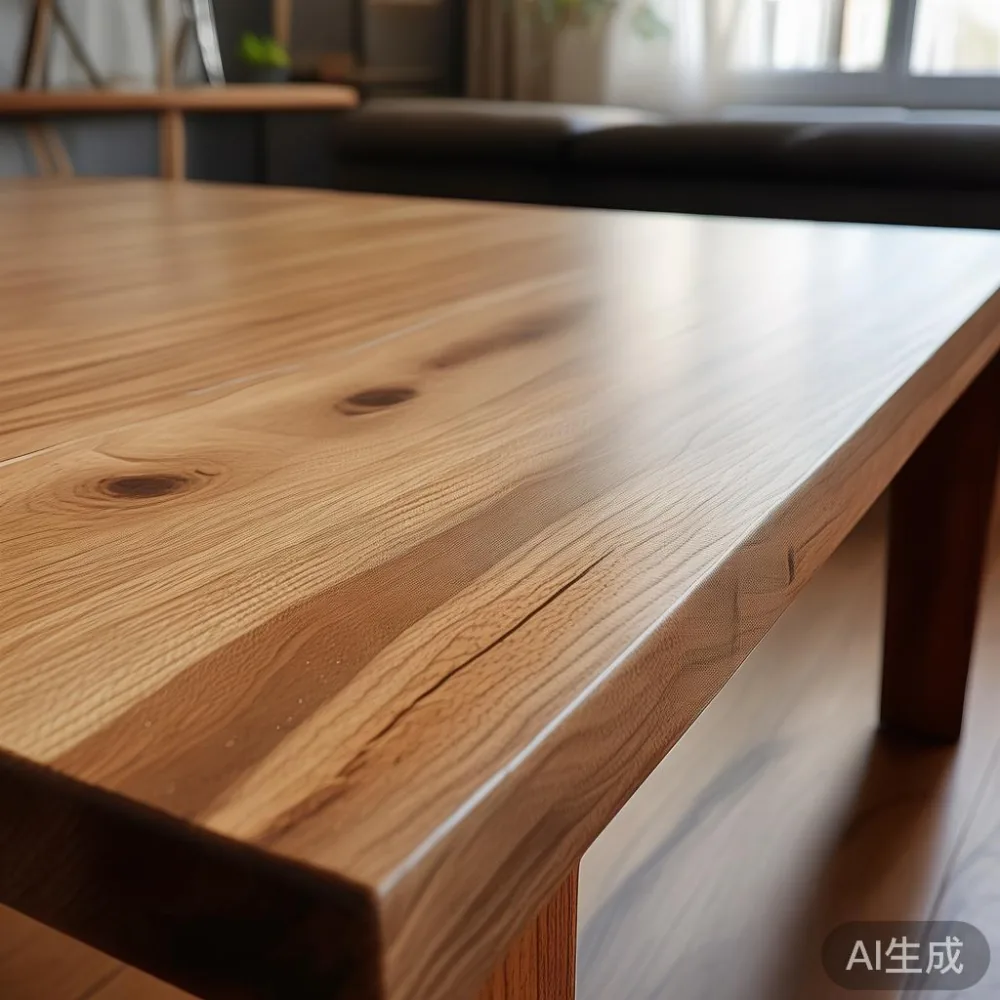
Understanding the Science: Wood and Water in Singapore
Wood is a hygroscopic material, which is a scientific way of saying it absorbs and releases moisture from the air. In Singapore, where relative humidity often hovers between 70% and 90%, the air is saturated with water vapor. This constant exposure means your solid wood coffee table is always in a state of flux, trying to find equilibrium with its environment. When humidity rises, the wood fibers absorb moisture, causing them to swell. Conversely, when humidity drops, the wood releases moisture and contracts. This natural process, known as movement, is a fundamental characteristic of all solid wood furniture.
The problem arises when this movement is excessive or uneven. A coffee table made from a single, large slab of wood, for example, is more prone to cupping or warping than one constructed from smaller, more stable pieces. Singapore's climate doesn't just have high humidity; it also experiences temperature fluctuations between day and night, and sudden, heavy downpours that can cause indoor humidity to spike dramatically. This constant cycle of swelling and shrinking puts stress on the wood's cellular structure. For a piece of furniture that might cost SGD 1,200 or more, this is a significant consideration. The goal is not to stop wood from moving, but to manage it through proper material selection, construction, and care.
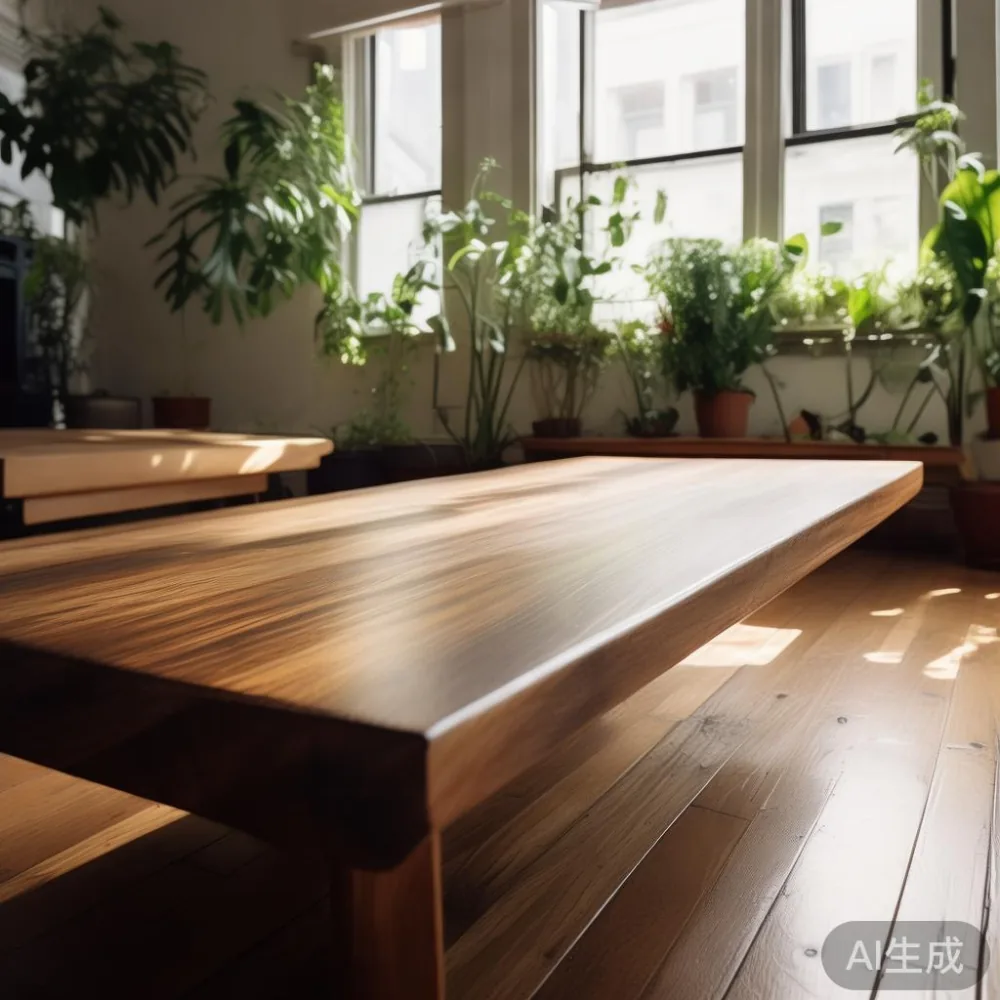
Why Your Coffee Table is Particularly Vulnerable
While all solid wood furniture is affected by humidity, the coffee table faces a unique set of challenges. Its position in the living room means it's often subjected to direct and indirect sources of moisture. A vase of fresh flowers, a wet umbrella left on its surface after a sudden shower in Bedok, or even the condensation from a cold glass of water can all introduce localized moisture to the wood. Unlike a wardrobe or a bed frame, which are often more protected, the coffee table is an active, frequently used surface.
Also, the design of many coffee tables, with their large, flat surfaces, makes them susceptible to uneven moisture absorption. If a damp cloth is left on one corner, that section will absorb moisture and swell while the rest of the table remains stable, leading to a warped surface. This is why a high-quality coffee table from a reputable Foshan factory will often feature a protective finish. A well-applied lacquer or oil finish creates a barrier, slowing down the rate of moisture exchange and giving the wood more time to adapt to changes in the environment without causing immediate damage. The finish on a good coffee table should be durable enough to withstand everyday use but not so thick that it prevents the wood from breathing entirely.
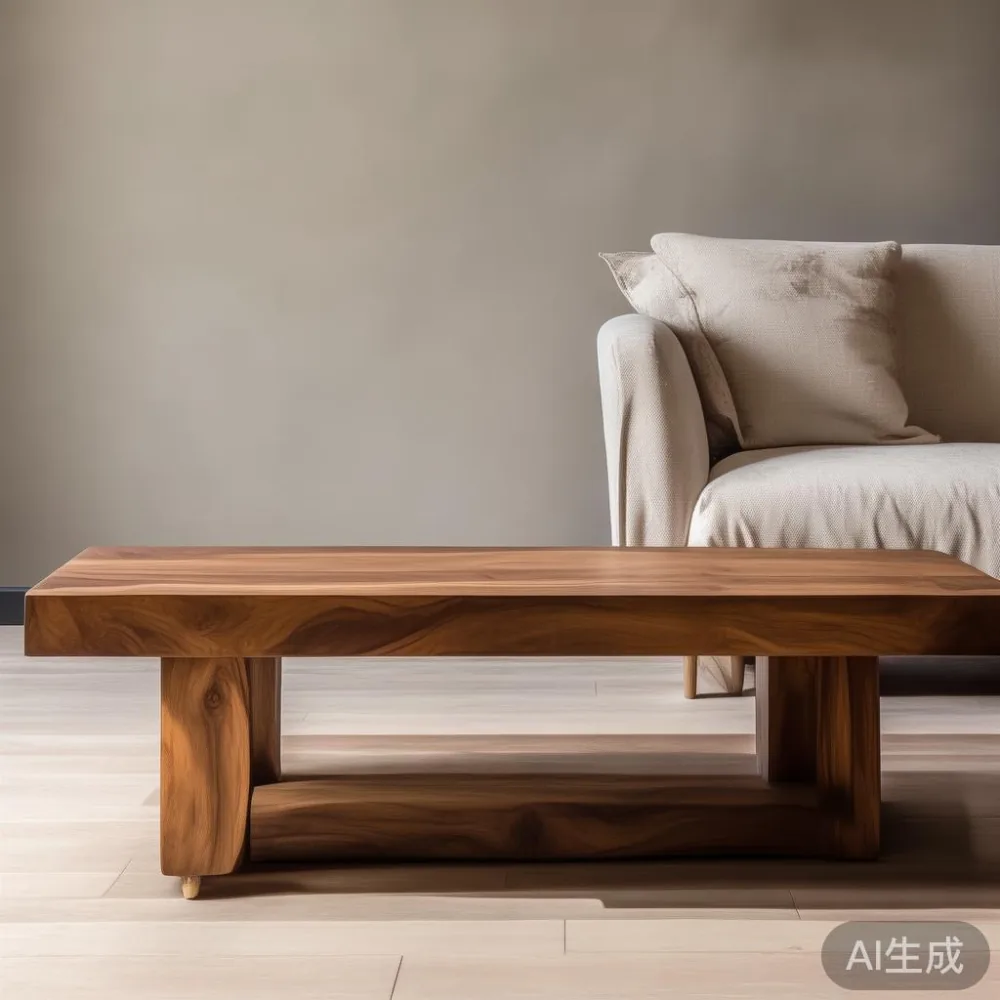
Can a Solid Wood Coffee Table Survive a Singaporean HDB Flat?
This is a question we hear often from customers, especially those living in older HDB flats with less controlled environments. The short answer is a resounding yes, but with the right conditions and care. A solid wood coffee table can not only survive but thrive in a Singaporean HDB flat or condo, provided you understand its needs and provide a stable environment. The key is to minimize extreme and rapid fluctuations in humidity. Think of your coffee table like a person; it prefers a consistent, comfortable climate rather than extremes.
In a modern condo in Punggol with air-conditioning, you have a significant advantage. Running your air-conditioner helps to dehumidify the air, keeping indoor humidity levels in a more stable range, typically between 50% and 60%. This is a much healthier environment for wood. If you don't have air-conditioning in your living room, you should consider using a dehumidifier, especially during the monsoon season. Placing your coffee table away from direct sources of moisture is also critical. Avoid positioning it directly under an air-conditioning vent, as the cold, dry air blowing onto one spot can cause that section of the wood to contract and crack. Similarly, keep it away from open windows during a heavy downpour. By creating a micro-climate around your furniture, you can protect your investment and ensure your coffee table remains a beautiful centerpiece of your home for decades.
Practical Care Tips for Your Humidity-Exposed Coffee Table
Protecting your solid wood coffee table in Singapore's climate is about adopting a few simple, consistent habits. The first and most important rule is to clean up spills immediately. Use a soft, dry cloth to wipe away any liquid. For stubborn spots, a slightly damp cloth is acceptable, but be sure to follow up immediately with a dry one to remove any residual moisture. Never let water sit on the surface.
Second, be mindful of placement. Avoid placing hot items, like a steaming mug of coffee or a hot plate of food, directly on the wood without a trivet or coaster. The heat can cook the wood's finish and make it more susceptible to damage from moisture. Use coasters under glasses and placemats under dishes to create a protective barrier. Third, regular dusting with a soft, lint-free cloth helps prevent the buildup of abrasive particles that can scratch the finish over time. Every few months, you might consider applying a high-quality furniture polish or oil that is suitable for your table's finish. This helps nourish the wood and replenish the protective layer, acting as an extra shield against humidity. A colleague of mine recently visited a client's home in Tampines and noticed a beautiful coffee table that was beginning to look dull. A simple application of the right oil brought back its lustre and provided a renewed layer of protection against the humid air.
What to Look for When Buying a Humidity-Resistant Coffee Table
If you're in the market for a new coffee table and live in Singapore, making an informed choice can save you a lot of headaches down the line. When evaluating options, pay close attention to the type of wood used. Hardwoods like teak, oak, and walnut are generally more stable and less prone to dramatic movement than softer woods like pine. Teak, in particular, is renowned for its high natural oil content, which makes it exceptionally resistant to moisture and decay, making it an excellent choice for our climate.
Construction is equally important. Look for tables made with techniques that accommodate wood movement. A well-constructed coffee table will have a floating top mechanism, where the tabletop is attached to the base with metal brackets that allow it to expand and contract without cracking the frame. The finish is your next point of inspection. A multi-layered lacquer finish offers superior protection against humidity compared to a simple wax or oil finish. Ask the seller about the warranty. A 10-year structural warranty, like the one offered by some manufacturers, is a strong indicator of confidence in the product's ability to withstand environmental stress. It’s also wise to consider delivery logistics. For a coffee table, ensure the delivery service can work through your HDB lift and corridor widths, which are often a standard 80cm. A reputable company will offer free shipping for orders over SGD 350 and a 14-day return policy, giving you peace of mind with your purchase.
Styling Your Coffee Table for Singaporean Living
Once you've chosen a durable coffee table, styling it becomes the fun part. The key is to complement the natural beauty of the wood while respecting its need for a clear surface. A small tray can be a stylish and practical addition. It creates a defined zone for items like a remote control, a candle, or a small plant, making it easier to keep the surface clear and preventing scratches. When selecting decorative items, opt for materials that won't trap moisture. Ceramic, stone, or metal objects are excellent choices. Avoid placing potted plants directly on the wood; instead, use a saucer or a decorative tray to catch any excess water.
The style of your coffee table should harmonize with the aesthetic of your living room. If you're drawn to a European light luxury sofa vs modern sofa debate, your coffee table can help bridge the gap. A sleek, minimalist marble table can complement a modern sofa, while a rustic, solid wood table with a live edge can enhance a more Boho for dining room feel. The coffee table is an opportunity to express your personal style while ensuring the longevity of your furniture. For those who appreciate a more post-modern light luxury approach, a coffee table with clean lines and mixed materials can serve as a stunning focal point. Remember, the goal is to create a space that is both beautiful and functional, a space where your coffee table can thrive in the unique environment of your Singaporean home.