The Anatomy of a Price Tag: Understanding Solid Wood Coffee Tables
The allure of solid wood furniture is undeniable, especially in spaces like Singapore's HDB flats and condos, where every centimeter counts and style meets functionality. A solid wood coffee table is more than just a surface for your television remote or a cup of kopi; it's a statement piece, a centrepiece that anchors the living room. However, walking through a showroom in Tampines or browsing online for a piece to fit your Bedok apartment, you might notice a staggering price range. A simple coffee table might cost SGD 800, while another, seemingly similar, could be priced at SGD 3,500. What creates this disparity? This article peels back the layers to reveal the concrete factors that determine the price of a solid wood coffee table, helping you make an informed decision for your home.
Is the Type of Wood Really That Important for a Coffee Table?
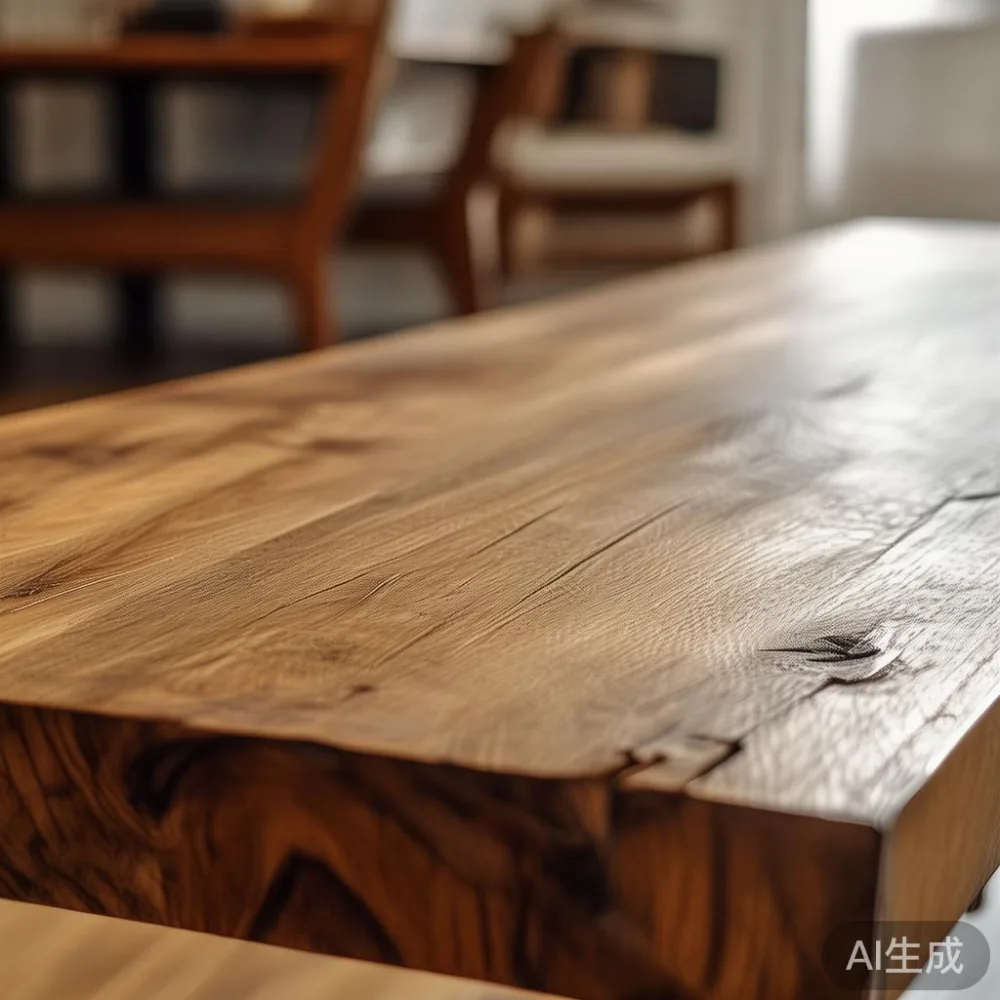
Absolutely. The type of wood is the single most significant factor influencing the price of a solid wood coffee table. It dictates not only the final cost but also the piece's durability, weight, and natural character. High-end furniture makers, including those like midhill, often use premium hardwoods known for their longevity and beautiful grain patterns. Last month, I visited a workshop in Foshan to understand the sourcing process, and the difference in material cost between wood species was immediately clear.
For a coffee table destined for a Singapore HDB flat, the choice of wood is a balance of aesthetics, practicality, and budget. Let's look at some common options and their typical price points for a standard-sized coffee table (approximately 120cm x 60cm x 45cm):
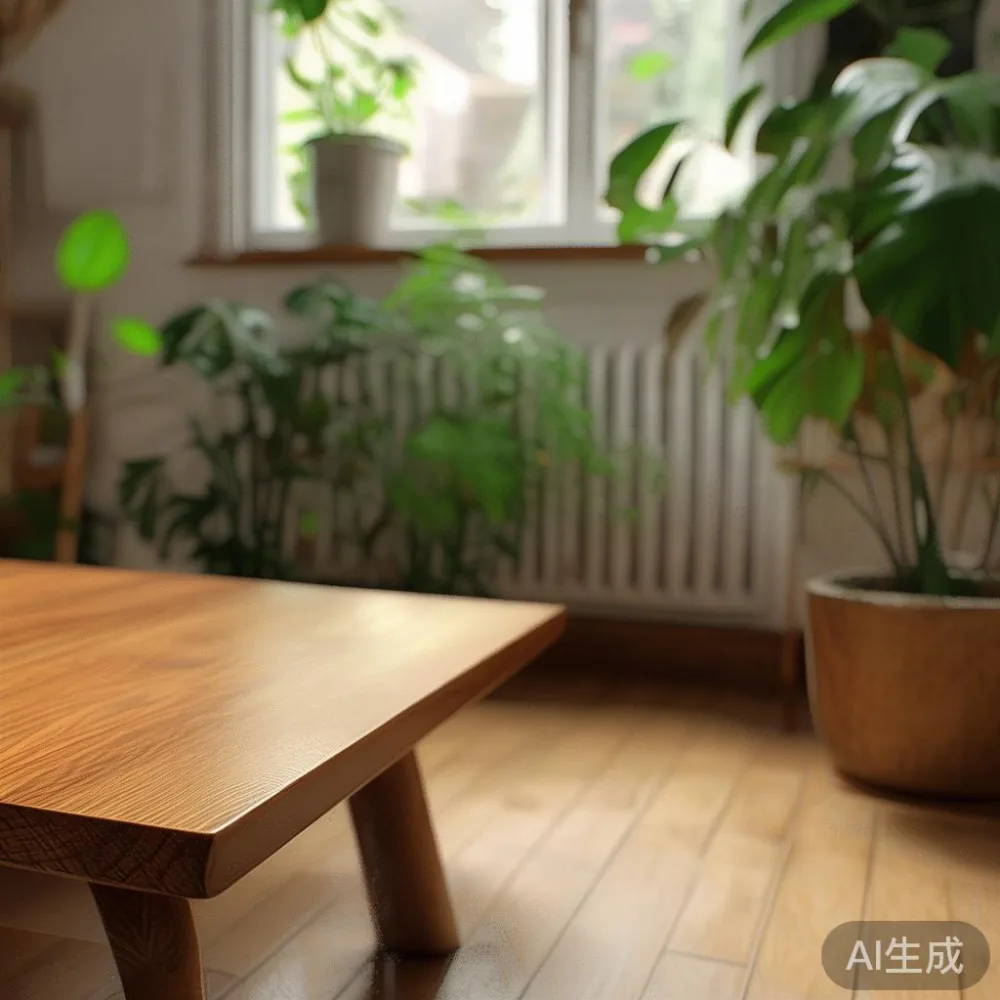
- Rubberwood: A popular and sustainable choice, rubberwood is relatively affordable. A solid rubberwood coffee table typically costs between SGD 800 and SGD 1,500. It's durable and takes stains well, making it a practical option for families.
- Mango Wood: Known for its distinctive, often dramatic grain, mango wood offers a unique look at a mid-range price point. Expect to pay from SGD 1,200 to SGD 2,200 for a mango wood coffee table. It's a fantastic choice for adding a rustic yet sophisticated touch to a condo in Punggol.
- Sheesham Wood (Indian Rosewood):strong> A premium hardwood, sheesham is dense, durable, and features a rich, dark grain. A coffee table made from sheesham wood will generally be priced from SGD 2,000 to SGD 3,500. This investment ensures a piece that will last for decades and can even be passed down.
- Teak: The gold standard for outdoor and indoor furniture, teak is incredibly resistant to moisture, insects, and warping. A solid teak coffee table is a significant investment, often costing SGD 3,000 to SGD 5,000 or more. Its natural oils make it virtually maintenance-free, a key consideration for Singapore's humid climate.
The price difference is not arbitrary. It reflects the tree's growth rate, availability, and the complexity of working with the wood. Teak, for example, is slow-growing and highly sought after, driving up its cost. When you choose a coffee table, you are not just buying wood; you are investing in its inherent properties.
How Does Craftsmanship and Design Impact the Final Price?
If the wood is the canvas, then craftsmanship and design are the artistry. Two coffee tables made from the exact same wood can have vastly different prices due to the level of skill and design involved. This is where the distinction between a mass-produced item and a handcrafted piece becomes apparent.
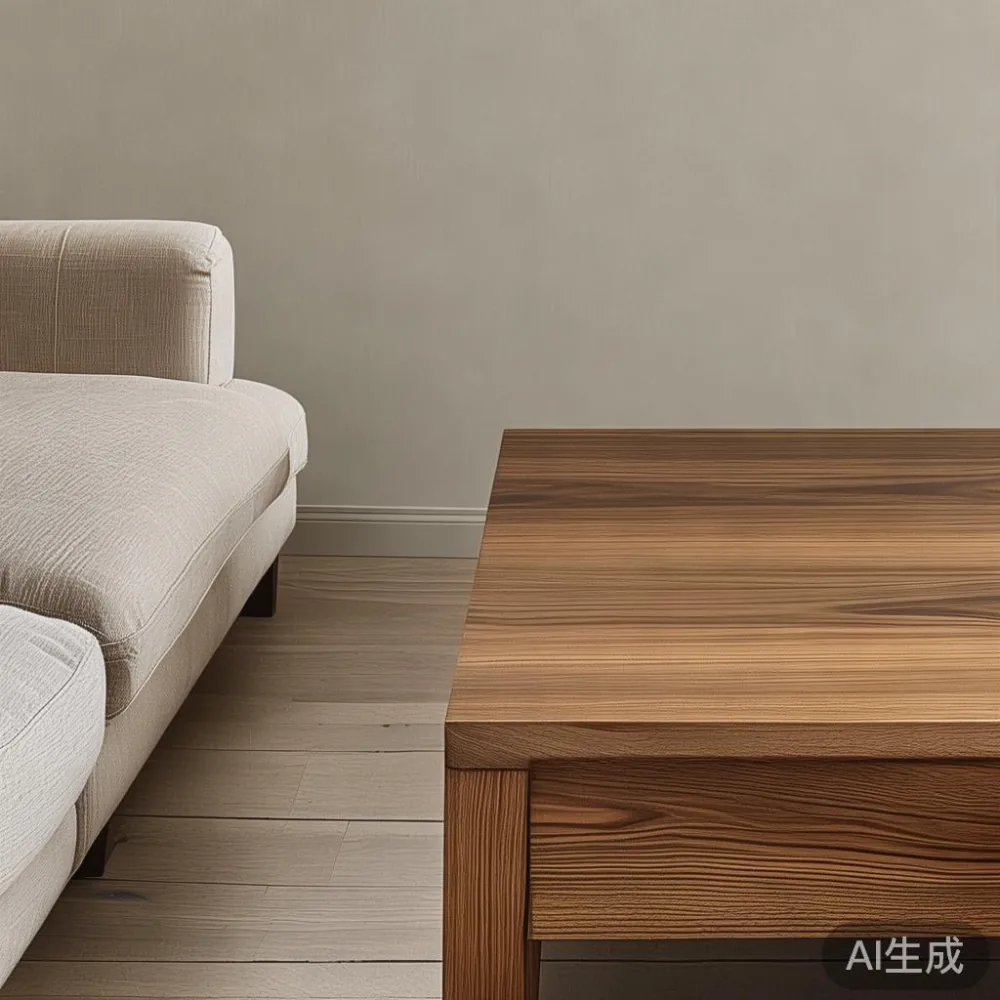
Consider a simple, clean-lined coffee table with straight edges and a smooth, level surface. This design requires less complex joinery and finishing, keeping the cost down. A piece like this might fall into the lower end of the price range for its wood type. However, introduce design elements, and the cost escalates. Intricate dovetail joints, which are stronger and more visually appealing than basic butt joints, require a higher level of skill and add to the price. Hand-carved details, such as floral motifs or geometric patterns on the table apron or legs, transform a functional item into a work of art, easily adding hundreds or even thousands to the final cost.
Design also encompasses the style. A coffee table with a French light luxury aesthetic, featuring elegant, tapered legs and a soft, distressed finish, will command a higher price than a more utilitarian design. This style emphasizes understated elegance and meticulous attention to detail, which are hallmarks of quality furniture. Similarly, a post-modern light luxury design that blends sleek, minimalist lines with bold material contrasts, perhaps incorporating a marble inlay, will also be priced at a premium due to its conceptual complexity and the skill required to execute it flawlessly.
My colleague, a designer who works with many clients in Singapore's high-rise condos, recently shared an experience. She helped a client choose a coffee table for their new apartment and noted that the client was willing to pay an extra SGD 800 specifically for a hand-rubbed finish that gave the wood a deep, lustrous sheen, a process that takes an experienced craftsman an additional day to complete. This demonstrates that the value of craftsmanship is often in the details that the eye can see and the hand can feel.
Why Does the Size and Shape of a Coffee Table Affect Its Price So Much?
It seems intuitive that a larger object costs more, but the relationship between size and price in furniture is not always linear. A coffee table that is 50% larger in surface area does not necessarily cost 50% more. The price increase can be more significant due to several factors.
First is the sheer volume of material. A coffee table measuring 140cm x 80cm x 50cm requires substantially more solid wood than a 100cm x 60cm x 45cm model. This means higher material costs and more time for the wood to acclimate and be shaped. Second, larger pieces are often heavier. A solid sheesham coffee table of the larger dimensions could weigh over 40kg, requiring more solid internal supports and stronger materials for shipping and handling.
Shape also plays a critical role. A rectangular coffee table is the most straightforward and economical to produce from a standard plank of wood. A round or oval coffee table, however, is more complex. Creating a curved top from solid wood often involves joining multiple smaller pieces of wood, a process called book-matching, to ensure a smooth and stable surface. This extra labour and the potential for more wastage contribute to a higher price. A round marble table, for instance, involves not only the woodworking but also the precise cutting and polishing of the marble slab, adding another layer of cost.
In Singapore, physical constraints are a real consideration. The standard lift width in most HDB flats is about 110cm x 110cm, and corridor widths can be narrow. This means a coffee table wider than 110cm will likely not fit through the lift and will have to be disassembled for delivery. A disassembled coffee table requires more complex joinery, such as bolt-together systems, which add to the manufacturing cost and the final price. A custom-sized coffee table designed to perfectly fit a specific awkward space in a condo can also be more expensive due to the bespoke nature of the work.
What Are the Real Costs of a Warranty and Brand Reputation?
When you look at the price tag of a solid wood coffee table, a portion of that cost is for the peace of mind that comes with it. A reputable brand, one that has been around for years like MIDHILL (est. 2008), invests heavily in quality control and customer service. These costs are factored into the price of the product.
A warranty is a key indicator of a manufacturer's confidence in its product. A 10-year structural warranty on a coffee table means the company stands behind the integrity of its joinery, frame, and construction. This assurance is not cheap to provide. It requires a solid system for handling claims, skilled technicians for repairs, and financial reserves to cover potential long-term issues. A brand that offers a lifetime refinishing service is making a significant commitment, ensuring that the piece can be restored to its original beauty decades down the line. This level of service is a hallmark of premium furniture and justifies a higher price point compared to a no-frills brand with a one-year limited warranty.
Brand reputation is built over time through consistent quality and customer satisfaction. A brand that exports to 15+ countries, like midhill, has to meet a diverse set of international standards, which often exceeds local requirements. This global experience ensures a higher level of manufacturing precision and product reliability. You are paying for the assurance that the coffee table you buy in Singapore is the same high-quality piece sold in Europe or North America. This trust factor is invaluable, especially for a significant purchase like a dining table or a bed frame that you expect to last for many years.
| Feature | Impact on Price (SGD) | What It Provides the Customer |
|---|---|---|
| 10-Year Structural Warranty | + SGD 300 - SGD 800 | Protection against defects in frame and joinery. |
| Lifetime Refinishing Service | + SGD 200 - SGD 600 | Ability to restore the table's appearance decades later. |
| Established Brand Reputation (est. 2008+) | + SGD 150 - SGD 500 | Assurance of quality, consistency, and good customer service. |
| Free Shipping (over SGD 350) | Included in price | Convenience and cost-saving for the customer. |
Are Hidden Costs Like GST and Delivery Really Factored In?
Yes, the final price you see on the tag is rarely the true cost of getting the coffee table into your home. Several unavoidable expenses are included in the retail price. The most significant of these in Singapore is the Goods and Services Tax (GST). Currently set at 9% (as of late 2023), this tax is applied to the final sale price. For a coffee table listed at SGD 2,000, the GST component is SGD 180, which is included in the total amount you pay. This is a government-mandated cost that is passed on to the consumer.
Delivery and logistics are another major factor. While many brands offer free shipping over a certain threshold (like SGD 350), this cost is not truly free. It is simply absorbed into the pricing structure of the products. For a coffee table, delivery involves professional logistics, handling teams, and potentially specialised vehicles. In Singapore, working through the logistics of delivering a large item to a high-rise apartment requires coordination. The delivery team must be able to work through lifts and corridors, and for very large pieces, they might need to use a crane for upper-floor units in condos. These logistical complexities are part of the service you pay for.
There are also other operational costs like marketing, showroom overheads, and staff salaries. A physical showroom in a prime location like Orchard Road has high rent, which contributes to the price of the items sold there. An online-only model can sometimes offer lower prices because it avoids these significant overheads. Understanding these components helps clarify why a seemingly simple product carries the price it does. The final price is a sum of materials, labour, design, brand value, and all associated operational and regulatory costs.
How Does the 'Light Luxury' Aesthetic Influence Coffee Table Pricing?
The term 'light luxury' has become a popular descriptor in furniture design, and it carries a specific price implication. It refers to a style that prioritises high-quality materials and refined craftsmanship over ostentatuous decoration, creating an understated sense of luxury. This aesthetic is highly relevant for coffee tables, as it defines their character in a living space.
French light luxury, for example, is characterised by elegant proportions, soft curves, and a focus on fine materials like brushed brass or brushed steel hardware. A coffee table in this style might feature slender, cabriole legs and a top with a subtle, hand-applied finish. The emphasis on traditional French craftsmanship, even in a simplified form, adds to the cost. An American light luxury approach, on the other hand, might favour clean lines, a more functional silhouette, and a mix of solid wood with other materials like leather or metal. A post-modern light luxury coffee table could be a bold statement piece, perhaps with a sculpted base made of solid wood and a top of tempered glass or marble, combining different textures and forms in a visually striking way.
The 'light luxury' positioning affects pricing because it often involves more specialised design and finishing techniques. A simple coffee table can be made quickly, but one that embodies a specific luxury aesthetic requires more design time, more precise construction, and often, more expensive finishing materials. For instance, achieving the perfect patina on a French-style table or the smooth integration of a marble inlay on a post-modern piece requires a higher level of artisanal skill. This is why a coffee table with a light luxury aesthetic will almost always be priced higher than a basic functional table of the same dimensions and wood type. It's an investment in a specific design philosophy and the quality that comes with it.
What Other Factors, Like Finishes and Hardware, Should I Consider?
Beyond the major categories, several smaller details contribute to the price of a coffee table. The finish, for instance, is not just about colour; it's about protection and durability. A basic lacquer finish might be included in the base price, but a hand-rubbed oil finish, which penetrates the wood and provides a more natural, tactile feel, is a labour-intensive process that adds cost. Similarly, a high-gloss, mirror-like finish requires multiple coats of expensive varnish and extensive buffing.
The hardware used on a coffee table, such as drawer pulls or levelers, is another detail that can influence the price. A simple, functional knob might cost a few dollars, whereas a custom-made, solid brass pull with an intricate design can cost over SGD 50 each. For a coffee table with two or three drawers, this adds up. The type of internal drawer slides also matters. Basic wooden slides are cheaper, but full-extension, soft-close metal slides, which provide a smooth and quiet operation, are a significant upgrade that adds to the cost.
Even the packaging is a factor. A well-designed, solid packaging system with corner protectors and internal foam is important for protecting a solid wood coffee table during delivery, especially for shipping internationally. A company that invests in superior packaging is ensuring that the product arrives in perfect condition, and this cost is reflected in the price. While you don't see the packaging, you benefit from the protection it provides, ensuring your investment is safe from transit damage.
So, What's the Bottom Line on a Coffee Table's Price?
Understanding what drives the price of a solid wood coffee table allows you to see beyond the sticker shock and appreciate the value of a well-made piece. The price is a composite of many concrete elements: the type and quality of the wood (SGD 800 - SGD 5,000+), the complexity of the design and craftsmanship (SGD 200 - SGD 1,500+), the size and shape (SGD 300 - SGD 1,000+), and the assurance of a strong warranty and brand reputation (SGD 300 - SGD 800+). Add to this the unavoidable costs of GST and logistics, and you arrive at the final retail price.
When you choose a coffee table, you are making a long-term investment in your home's comfort and style. A cheaper option might save you money initially, but a high-quality piece, like those from a maker established in 2008, offers longevity, timeless beauty, and peace of mind. It's a piece that can withstand the daily life of a family in an HDB flat or a condo, a piece that can be refinished to look new again, and a piece that becomes a part of your home's story. The next time you're shopping, consider not just the immediate cost, but the value and the story behind the price of the coffee table you choose.