Humidity and Coffee Tables in Singapore: What Owners Should Know
Singapore's warm, wet climate can change solid wood by amounts most owners never notice at first. A coffee table may feel slightly tacky on a humid afternoon, develop a faint haze along its lower rail, or show a pale crescent where a glass top has been sitting. Those are not defects in workmanship. They are signs that timber is responding to moisture in the air.
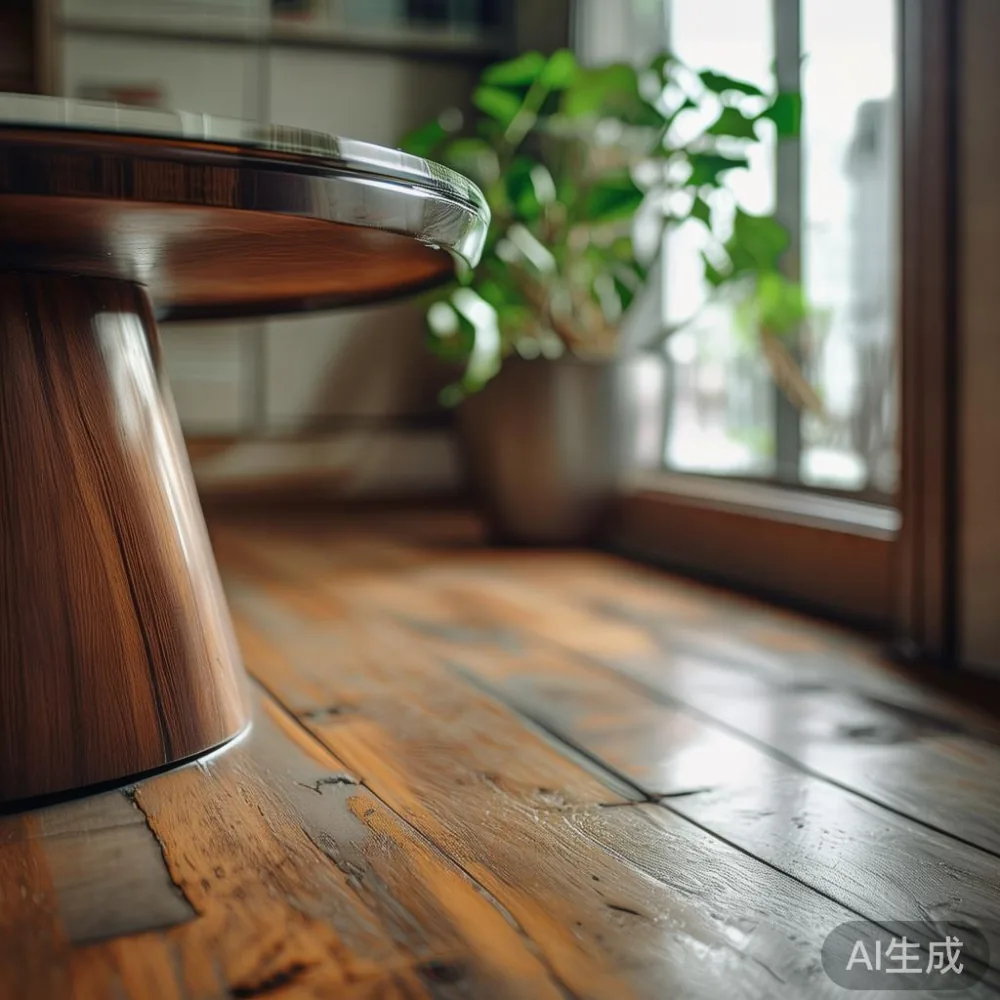
At MIDHILL, we build and inspect solid wood coffee tables for homes across Southeast Asia, where relative humidity often sits between 70% and 85%. Our factory in Foshan has supplied wooden furniture to more than 15 countries since 2008, so we treat climate adaptation as a measurable part of furniture design rather than a vague promise.
This guide explains how humidity affects a coffee table, how Singapore HDB flats and condos influence the issue, and what practical steps will protect a wooden surface for years.
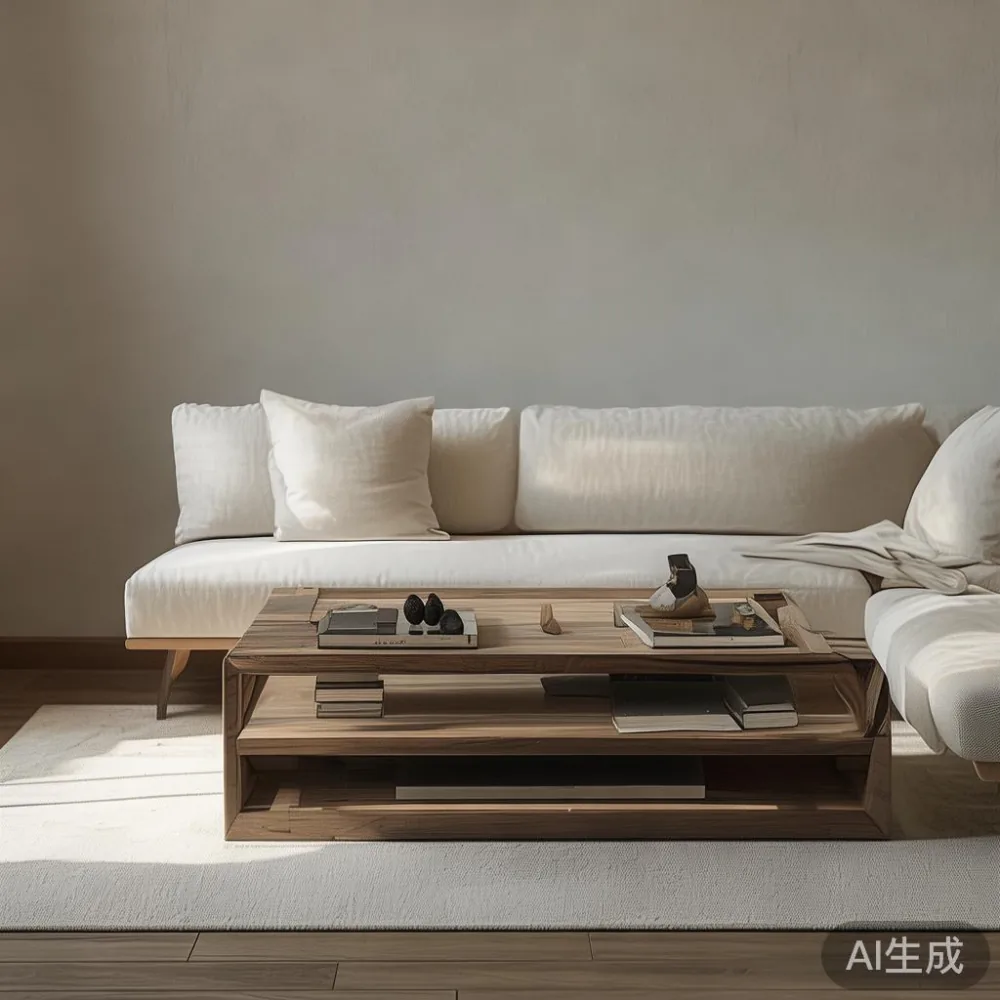
How much can humidity move a solid wood coffee table?
Wood changes dimension as it gains or loses moisture. Movement across the grain can reach roughly 1% to 3% under common indoor conditions; movement along the grain is far smaller. For a 120 cm wide coffee table, that can mean visible expansion of about 1.2 to 3.6 cm if the piece is exposed to severe, prolonged swings.
Most quality dining table, bed frame, and wardrobe designs use joinery that permits small amounts of movement. A solid wood sofa frame needs the same care, although upholstered pieces hide most dimensional changes. A marble table has a different reaction: the stone itself expands very little, but moisture can affect the sealant and bonding around a slab.
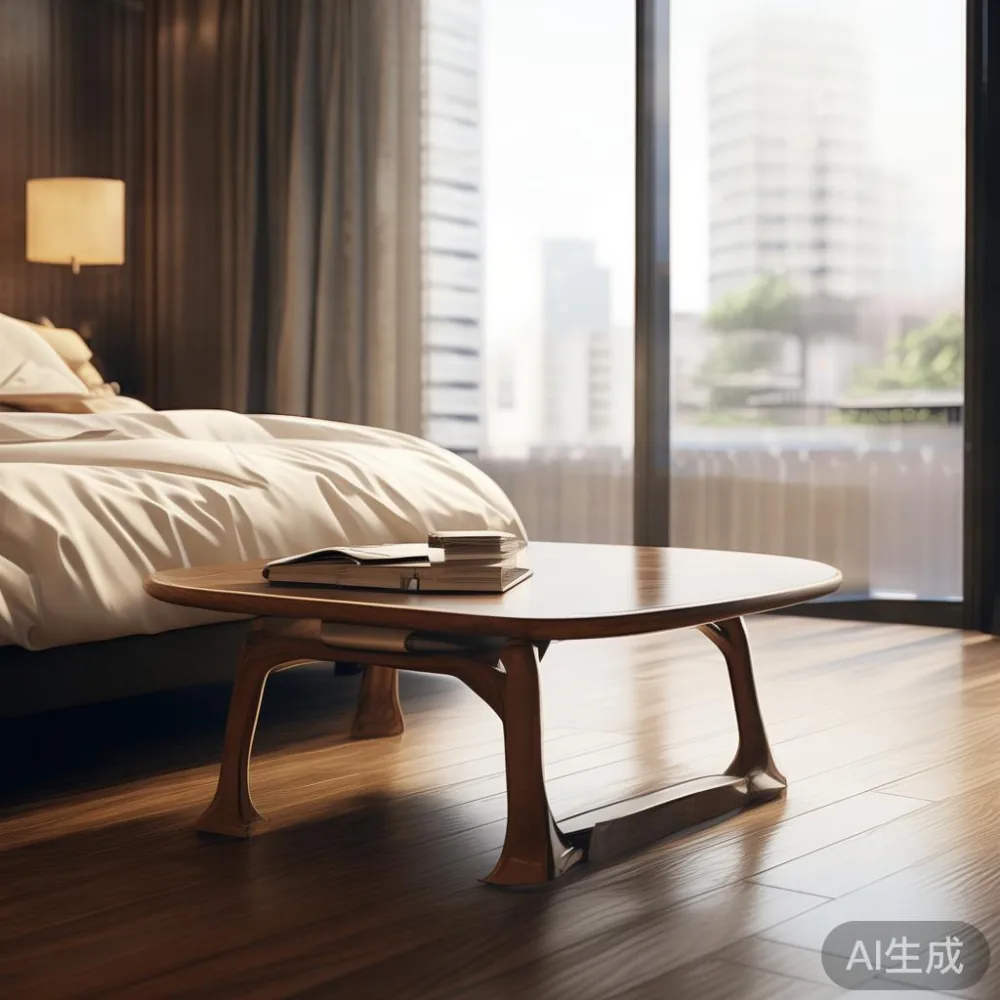
Think of wood as a slow moisture meter. A hygrometer placed near, not directly against, the table will show more than the table's surface can tell you. In many Singapore interiors, readings of 65% to 75% are manageable. Sustained levels above 80% call for better airflow and closer attention to finishes.
Why do Tampines, Bedok, and Punggol homes face different humidity risks?
Geography matters less than the home's construction, orientation, and ventilation. A ground-floor Tampines HDB flat close to a green patch may experience more damp than a high Punggol unit facing away from the coast. Bedok interiors with large west-facing glass panels can heat up quickly, and warm air holds more moisture than cool air.
Older HDB blocks and some newer BTO designs have tighter service corridors. A boxed coffee table with dimensions of 130 by 70 by 45 cm may fit through a 90 cm doorway but become difficult to angle around a tight turn. Check the lift door width, the lift car's diagonal clearance, and the corridor turning space before delivery day. Measure the route, not just the room.
Condo owners face another variable: air-conditioning dehumidifies a room unevenly. A table near a return vent may remain stable while another surface across the room collects condensation. Aim for moderate, consistent conditions rather than chasing the lowest possible number.
Where can I buy a care sofa in Singapore?
Where can I buy a care sofa in Singapore? You can buy one from Singapore furniture retailers, online furniture specialists, and solid wood makers that deliver nationwide, but this article focuses on selecting a durable coffee table and caring for its timber rather than shopping for a sofa.
For people furnishing a compact flat, a small French corner sofa is one possible seating solution. Its tight profile can preserve circulation space in a living room, although a removable, washable cover should be chosen carefully in humid conditions. The same thoughtful approach applies to a solid wood sofa base, a bed frame, and a dining table: stable materials, sensible ventilation, and a finish suited to the room.
What signs of humidity damage should you check on a coffee table?
Start with the underside. Lift a coaster and inspect for a dark outline, musty smell, or damp-looking finish. Look at the joints between legs and aprons, particularly around screw holes and end-grain surfaces. White haze may be moisture trapped beneath a film finish; a dull patch can be a wiped surface that has not dried evenly.
Run your hand along the tabletop, not across it. A rough strip may indicate raised grain, while a slight grip can point to surface moisture. Do not use a knife to scrape the area. Instead, dry the table gently and compare it after 24 hours.
Check around a marble table insert separately. A cool stone slab can collect condensation from a chilled drink, and acidic spills may dull the coating. Blot spills within 5 minutes and keep coasters, bottle trays, and felt pads on the surface.
One real test from our workshop involved a 100 by 60 cm oak coffee table. We placed it in a room held near 80% relative humidity for 14 days, then moved it to 60% for another 14 days. The tabletop showed normal seasonal response, but a poorly sealed end-grain corner retained moisture longer than the centre. Sealing all faces, including the underside, gave the better result.
How should you clean and protect a coffee table in a humid flat?
Use a soft, lint-free cloth and plain water. Wipe the coffee table once a week with a lightly damp cloth, then dry it with a second cloth. For a coffee table with a natural oil finish, re-oiling may be needed every 6 to 12 months, depending on exposure and wear. Follow the finish manufacturer's instructions rather than applying an unknown household oil.
Keep the table at least 30 cm from an open window if rain is likely, and avoid placing it directly above a washing machine, air-conditioner drip line, or bathroom doorway. In a lift lobby with frequent foot traffic, do not assume a dry interior means the table will stay dry during delivery. Let wooden pieces acclimatise in the final room for 24 to 72 hours before placing heavy objects on them.
For scratch repair, use the manufacturer's touch-up product. For a damaged water ring, allow the surface to dry fully before trying a mild wood-safe cleaner; aggressive sanding can remove more finish than necessary. A solid wood dining table or wardrobe should be treated with the same humidity discipline, while a solid wood sofa requires upholstery care rather than direct oiling.
Does air-conditioning solve the humidity problem?
Air-conditioning helps, but it does not make wood moisture-proof. A room may drop from 80% to 55% relative humidity in 20 minutes, then climb again when the unit cycles off. Rapid changes can stress lacquer, oil, and glue lines. Aim for steady settings and close doors and windows when outdoor humidity is high.
Use a hygrometer with a clear digital display. Place it at table height, away from vents and direct sunlight, and record readings at roughly 8 a.m. and 8 p.m. for 7 days. That simple log will reveal whether a problem comes from a specific window, a wet balcony, or a persistently damp wall.
If readings stay above 80% for more than 30 days, ask your building manager to inspect external walls, window seals, and bathroom ventilation. Furniture care cannot replace building maintenance. A small desiccant pack can help in a closed cabinet, but it is not a substitute for airflow.
How much should a coffee table cost, and what should delivery include?
In Singapore, a straightforward solid wood coffee table may be priced from about SGD 280 to SGD 650. Larger solid wood dining tables commonly run from SGD 1,200 to SGD 3,500, while marble table tops vary widely according to stone, thickness, and edge treatment. Check whether the quoted price includes GST, delivery, and installation of any lift protection.
MIDHILL offers free shipping over US$350 on qualifying international orders, and our standard Singapore delivery timeline should be confirmed before purchase. Allow 7 to 14 business days for many in-stock pieces, but a custom finish may require 4 to 8 weeks. Ask for the exact delivery days, not a vague estimate.
Check the supplier's return window, warranty scope, and after-sales contact. MIDHILL provides a 10-year structural warranty and lifetime refinishing for covered products, with 14-day returns under the applicable policy. Confirm the terms in writing and keep the delivery receipt until the furniture has acclimatised.
What furniture details show that a maker understands Southeast Asian conditions?
Look for kiln-dried timber, sealed end grain, underside finishing, and a clear care guide. Ask what moisture level the wood was prepared to and whether the joints are designed to move. Good construction is visible in quiet details, not in an exaggerated marketing claim.
For a full living room, the same questions apply to a bed frame, wardrobe, and nightstand. A solid wood sofa needs a frame that resists wobble, while its cushions need breathable covers. French light luxury, American light luxury, and post-modern light luxury can all work in Singapore, provided the materials are proportioned to the room and the climate is respected.
Our Foshan team has shipped wood furniture since 2008 and understands that Singapore buyers may live in high-rise homes, humid condos, and older HDB blocks. A coffee table should arrive safely through a narrow corridor, suit a 90 cm lift opening when required, and remain serviceable years later.
What is the simplest humidity-care routine for Singapore owners?
Measure, ventilate, wipe, and inspect. Keep a hygrometer nearby, wipe spills promptly, dry the table immediately, and check the underside every 3 months. Do not place hot objects directly on a finished surface; use a trivet and allow steam to dissipate.
Most coffee tables do not fail because of one humid afternoon. They deteriorate when moisture, heat, and dirt stay in contact for months. With consistent care, a solid wood coffee table can remain stable and attractive across many wet seasons. For custom measurements, finish selection, or delivery planning, request a written specification that accounts for your actual room and corridor.