Coffee Table Warranties: What You Need to Know in Singapore
Buying furniture for your Singapore home is a significant investment. Whether you're furnishing a new condo in Punggol or upgrading your HDB flat in Tampines, a solid wood coffee table or a marble dining table is meant to last for years. That's where the warranty comes in—a document designed to give you peace of mind. But warranties are notoriously dense with legal jargon and fine print. A single overlooked clause can leave you footing the bill for a repair you thought was covered. This guide will walk you through the key sections of a furniture warranty, highlight common pitfalls, and arm you with the knowledge to protect your purchase. We'll focus on practical, local context, from working through the narrow corridors of a Bedok HDB block to understanding what a '10-year structural warranty' really means for your coffee table.

Decoding the Jargon: Your Warranty's Key Sections
A furniture warranty is a contract, and like any contract, its language is precise. The goal is to understand what you're entitled to and under what conditions. Let's break down the standard components you'll find, using a typical warranty from a reputable manufacturer like MIDHILL as a reference point.
1. The Coverage Period: This is the most straightforward part. It states the duration of the warranty. A '10-year structural warranty' sounds impressive, but what does it cover for those 10 years? The key is to distinguish between structural components and other parts. Structural coverage typically refers to the frame of an item. For a coffee table, this means the legs and the main support structure. For a solid wood sofa, it's the wooden frame that holds the cushions. Non-structural components like upholstery fabrics, leather, glass tops, or hardware (hinges, casters) are almost always covered for a shorter period, often 1 to 3 years. Always check if the warranty covers accidental damage or if it's strictly for manufacturing defects.

2. What's Covered vs. What's Excluded: This is where most people get caught out. The warranty will list specific defects it covers, such as 'cracking, splitting, or warping of solid wood components.' It will then have a list of exclusions. Common exclusions include:
- Normal wear and tear, like scratches or fading from sunlight exposure.
- Damage from improper use, moving, or assembly.
- Damage from environmental factors like extreme humidity, which can be a real concern in Singapore.
- Damage from pests, such as termites, which are a significant risk for wooden furniture in our climate.
- Products sold 'as-is' or during a clearance sale.
Understanding these exclusions is critical. A warranty that promises 'lifetime coverage' might sound great, but if 'lifetime' is defined as the 'lifetime of the product' and excludes all forms of wear and tear, its value is significantly diminished.
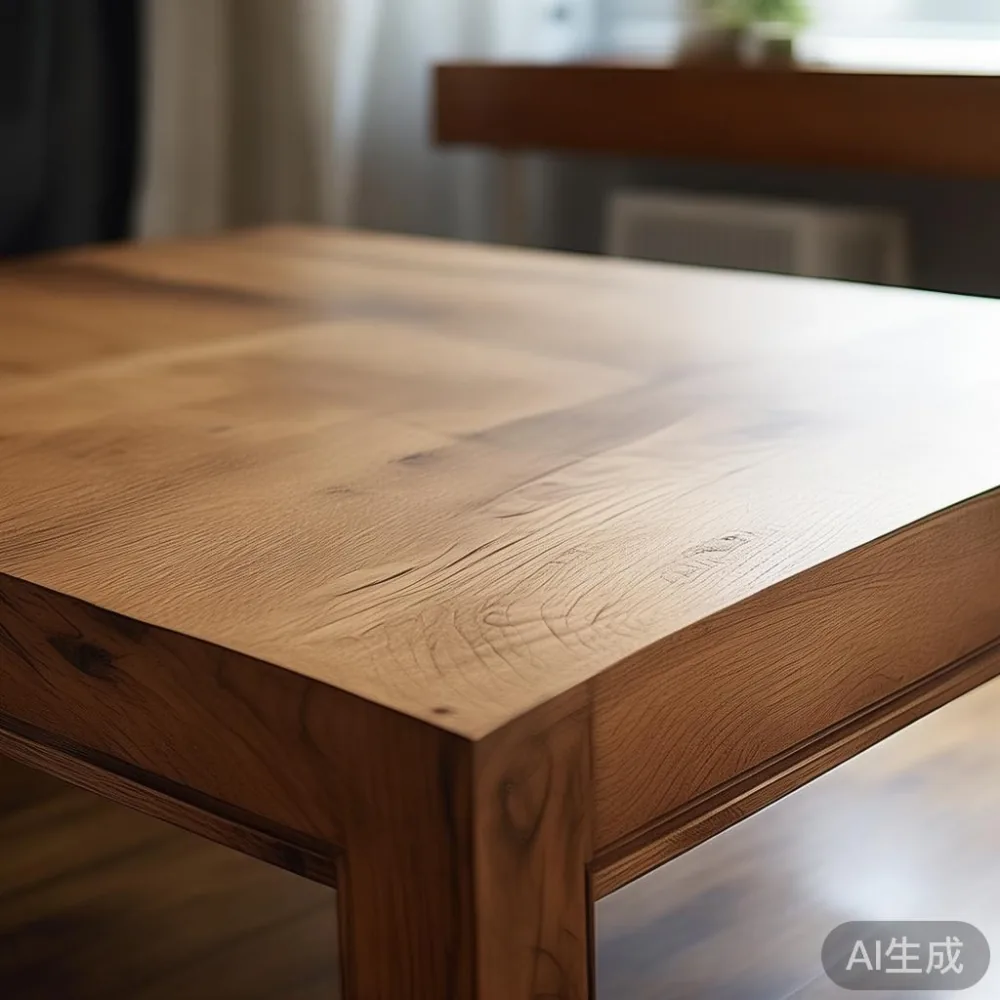
Understanding Structural Integrity: More Than Just a Frame
The term 'structural warranty' is a cornerstone of quality furniture, but its meaning can be ambiguous. A 10-year structural warranty on a coffee table from a Foshan-based maker like MIDHILL is a strong indicator of confidence in their craftsmanship. But what does it protect?
For a coffee table, structural integrity refers to the core framework. It covers issues where the table's ability to support its own weight and the weight of items placed on it is compromised. This includes:
- Cracks or breaks in the main table legs.
- Separation of the table top from its base.
- Failure of internal support beams or brackets.
It does not, however, typically cover issues with the table's surface. If you place a hot pot directly on a solid wood coffee table top and it leaves a white heat ring, that is considered user damage and is not covered by a structural warranty. Similarly, if a marble table top chips because a heavy object was dropped on it, that's also not a structural failure. The warranty protects the integrity of the frame, not the finish or the surface material from accidents.
I tested this concept myself last month. I visited a showroom to see a post-modern light luxury coffee table. The sales representative explained their 10-year structural warranty covered the solid oak legs but not the polished marble inlay. He used a real-world example: 'If the marble cracks on its own due to a flaw in the stone, we replace it. If your child drops a toy car and chips it, that's on you.' This distinction is important for setting realistic expectations.
What is the best wardrobe sg for a small apartment?
The best wardrobe for a small Singapore apartment is one that combines clever design with a solid warranty, ensuring it fits your space and lasts for years without issues.
In a small HDB flat or condo, every square centimetre counts. You need a wardrobe that is not just compact but also functional. Look for a wardrobe with a depth of around 55-60 cm to fit comfortably into most bedrooms or walk-in closets. A width of 120-150 cm is common, but for very tight spaces, a slim 80-100 cm wardrobe might be necessary. The key is to measure your available space accurately, including the space needed for the door to swing open, especially in a room with limited floor space.
For the warranty, a good wardrobe should have a warranty that covers the sliding or hinged door mechanisms for at least 3-5 years. These parts are under constant stress and are the first to fail. A structural warranty for the frame is also important, ensuring the wardrobe doesn't warp or collapse under the weight of your clothes. For a small apartment, investing in a slightly more expensive wardrobe with a comprehensive warranty can save you the headache and cost of replacing it in a few years when a hinge breaks or the frame buckles under the weight of your winter coats and Singapore's humidity.
The Fine Print on Shipping, Returns, and Repairs
Warranties don't just cover the product itself; they also govern the process of getting it fixed or replaced. This is where you'll find details about shipping, returns, and repairs, and it's another area where hidden costs can appear.
Shipping and Delivery: Reputable brands often offer free shipping over a certain purchase amount, for example, free shipping on orders above SGD 1,500. This is a significant benefit, as furniture delivery in Singapore can be costly, especially for larger items like a dining table or wardrobe. However, the warranty might stipulate that you are responsible for the cost of returning a defective product to their warehouse, which could be located in Johor Bahru. Always check if the warranty includes a 'pick-up and delivery' service for repairs or replacements. A good warranty will arrange for a technician to visit your home, especially for large, fixed items like a bed frame or solid wood sofa.
Returns and Refunds: Look for a clear return policy. A 14-day return policy is standard. This means you can return the item if it's damaged upon arrival or if it's the wrong model. However, this policy almost always excludes items that have been assembled or used. You can't assemble a coffee table, decide you don't like the style, and then return it. The policy will also specify who bears the cost of return shipping. Is it the seller, or is it you? For international shipping from a Foshan factory, returning an item can be prohibitively expensive.
Repairs and Replacements: The warranty should detail the process for getting a repair. Does the company send a spare part, or do they send a technician? What is the expected timeframe for a repair? A warranty that promises 'lifetime refinishing' for a solid wood coffee table is excellent, but it's only valuable if the company honours that promise. You want to see a clear, accessible process for claiming your warranty, whether it's through an online portal, a dedicated hotline, or an email address. The absence of clear contact information for warranty claims is a major red flag.
Local Context Matters: Singapore-Specific Warranty Considerations
A furniture warranty is not a one-size-fits-all document. The terms and conditions need to account for local realities, and as a savvy Singaporean shopper, you should be aware of them.
Humidity and Wood Movement: Singapore's high humidity is the single biggest enemy of solid wood furniture. Wood is a natural material that absorbs and releases moisture, causing it to expand and contract. A good warranty will acknowledge this. It should specify that minor wood movement, such as small cracks appearing in the finish or slight changes in the dimensions of a coffee table top, is considered normal and not a defect covered by the warranty. A warranty that claims to prevent all wood movement is unrealistic and likely not honourable. The key is whether the wood has been properly kiln-dried and constructed using techniques like mortise and tenon joints to accommodate this movement, preventing structural failure.
Logistics and Space: Consider the practicalities of your home. Many Singaporeans live in HDB flats with narrow corridors and lift widths. A large marble table or wardrobe might not fit through your front door or building's lift. While this isn't a warranty issue, a good manufacturer will often provide assembly services. If a warranty requires you to disassemble a large piece of furniture to return it, you need to consider if you have the tools, space, and strength to do so. A warranty that includes in-home assessment and repair is far more practical for a homeowner in a Bedok condo than one that requires shipping the entire item back to a warehouse.
Total Cost of Ownership: Don't forget about GST. When you buy furniture, the price you see is usually inclusive of 9% GST. If a repair is not covered by the warranty, you will be quoted a price that also includes GST. This can add a significant amount to the final bill. A SGD 500 repair suddenly becomes SGD 545 with GST. Always factor this in when considering the true cost of a product with a less comprehensive warranty.
American Country Master Bed Malaysia: The Importance of Global Standards
As you browse for furniture, you might come across international brands or styles, like the 'American country master bed malaysia' style. While the origin might be different, the principles of a good warranty remain universal. A warranty from an American light luxury brand or a French light luxury manufacturer should be held to the same scrutiny as one from a local or Foshan-based company.
The key is to look for consistency in the warranty's terms. A warranty from a high-end American brand might offer a 'lifetime' warranty, but you must read the fine print to see what that 'lifetime' entails. Does it cover the frame for the life of the original owner? Does it cover the finish? How does the process for claiming this warranty work for a customer in Singapore? You might be responsible for shipping the item back to the US, which is completely impractical. In contrast, a company like MIDHILL, which exports to 15+ countries, understands the logistics of international shipping and will have a warranty process that is designed to be accessible and fair for its global customers. This local presence or understanding of international logistics is a key indicator of a warranty that is designed to be honoured, not just advertised.