Coffee Table Warranty Guide: Avoid Common Mistakes
A furniture warranty is useful only when you understand what it covers, what it excludes, and how you must prove a claim. For a coffee table, the difference between “warranty” and “guarantee” can be substantial: one may cover structural failure, while the other may also address finish defects, missing parts, or shipping damage. The price is usually shown in SGD in Singapore, but the warranty language still needs close reading.

Local homes make this especially important. A coffee table may need to fit through an HDB flat’s entrance, turn in a corridor, and travel inside a lift in Tampines, Bedok, or Punggol. A table that arrives safely but cannot be carried upstairs is not a successful delivery. Before buying, measure the table, the lift, and the route. Record measurements in centimetres, photograph the packaging, and keep every message with the supplier.
MIDHILL was established in 2008 and exports to more than 15 countries. Its 10-year structural warranty, lifetime refinishing service, free shipping for orders over US$350, and 14-day return period provide a useful framework for examining furniture warranties. They do not remove the need to read the terms. This guide explains how to do that while keeping a coffee table at the centre of the discussion.

What does a 10-year structural warranty actually cover?
Start by finding the exact duration and the definition of “structural.” For a coffee table, structural coverage commonly includes defects in the frame, joints, legs, and supporting rails that affect stability. It may not cover scratches, dents, water marks, fading, or ordinary changes in wood colour. Ask the seller to identify which components are included: the tabletop, apron, legs, hardware, drawer, or shelf.
Check whether the warranty applies to the whole product or only selected parts. A 10-year term may cover the frame while carrying a separate 1-year or 2-year term for surface finishes. For example, if the solid wood top separates from the apron after 3 years, determine whether that is treated as a structural defect or a finish issue. Written confirmation is more useful than a general statement on a product page.
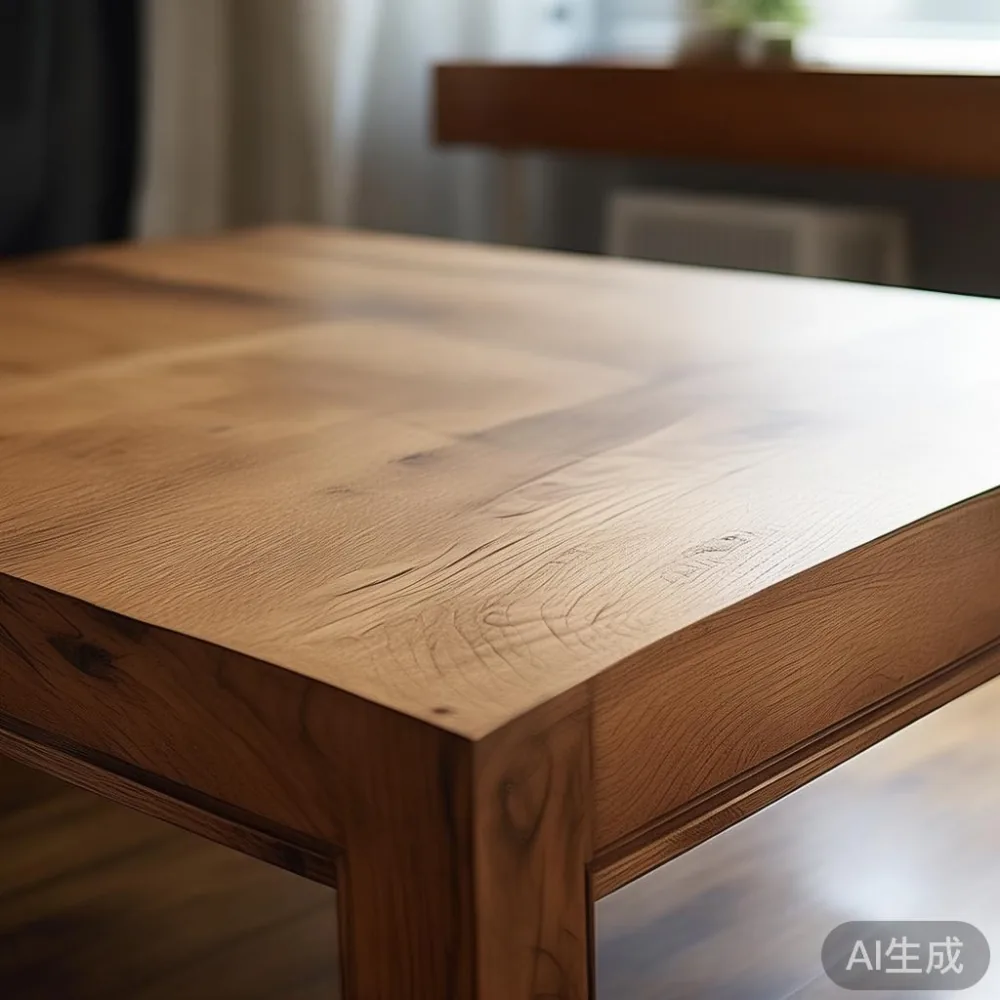
Look for exclusions that sound reasonable but can affect claims. “Normal wear and tear,” “commercial use,” “improper assembly,” and “unauthorised modification” are frequent phrases. Ask what counts as improper assembly, whether furniture intended for a home office must remain in a residential setting, and whether moving the coffee table invalidates coverage. A person may use a table every day for 20 years, yet a warranty should still explain which failures remain the manufacturer’s responsibility.
I tested this process last month with a colleague from our purchasing team. We compared the wording attached to 3 coffee tables priced from SGD 680 to SGD 1,280. All 3 mentioned structural warranties, but only 1 clearly explained finish coverage and claim evidence. The colleague photographed the underside joints, weighed the table at 28.4 kg, and recorded the delivery-box dimensions as 112 cm by 68 cm by 48 cm. That small exercise exposed more than the product descriptions did.
What should you check before the coffee table arrives?
Measure the delivery route before confirming the order. Singapore HDB lift dimensions vary by block, and condo corridors may include turns, narrow doorways, and fire doors. Measure the narrowest lift door, the internal lift depth and width, the landing, and the coffee table’s longest packaged dimension. Allow at least 5 cm of clearance where the package must turn, although more may be needed for a rigid lift and a 90-degree corridor.
Also check whether the table will fit the chosen position. A 120 cm coffee table may suit a 220 cm sofa, while a 140 cm model may crowd a compact HDB living room. Leave at least 40 cm between seating and the table for movement, and consider 45 cm where a walkway passes beside it. If the item weighs 35 kg, a 2-person carry may still be awkward in a lift; ask whether the legs can be removed and confirm the packed weight.
Delivery timing matters because damage is easier to document on arrival. Note the promised number of business days, the courier’s cut-off time, and whether the 14-day return period begins at delivery or dispatch. Photograph the box on arrival, including labels and seals. Open it promptly, inspect the tabletop, corners, legs, joints, and finish, then record any damage in writing within the stated period.
Keep the original invoice, order confirmation, warranty certificate, assembly instructions, and delivery record. For a coffee table, the model number, finish, and batch information should match the paperwork. If the supplier offers digital documents, download them rather than relying on an expiring email link.
Does the warranty cover shipping damage, assembly, and finish?
These are different issues and may sit under different policies. Shipping damage should be reported before or immediately after delivery, according to the seller’s instructions. A structural warranty normally begins once the product is delivered or after a stated period, but it does not automatically replace the carrier’s damage process. Ask whether the seller will dispatch a replacement first or require the customer to return the damaged table.
Assembly is another point of confusion. If a coffee table needs 4 legs, 8 bolts, and 2 washers, compare the parts with the manual before tightening anything. Missing hardware may be a parts issue, while a loose joint may become a structural claim if the assembly instructions were followed correctly. Keep photographs of the completed joints and do not use chemical adhesive or unauthorised modifications.
Finish coverage requires precise language. A warranty might cover “manufacturing defects” in the lacquer but exclude changes caused by heat, sunlight, moisture, or cleaning products. Singapore’s humid climate makes sensible care relevant: keep the coffee table at least 30 cm from a window, avoid placing hot vessels directly on the surface, and use a felt coaster under cups. Ask for the approved cleaning method and the expected lifespan of the finish under indoor use.
The same discipline applies when comparing adjacent categories. A solid wood sofa may have separate frame and upholstery terms; a bed frame may include slat and centre-support provisions; a dining table may have a different table-size policy; a wardrobe may distinguish carcass, drawer, and hanging-rail components; a nightstand may include a 1-year electrical term if fitted with charging ports; and a marble table may have explicit clauses about staining, veining, and natural variation. These examples show why a single “10-year warranty” label is not enough.
Are coffee table finishes and wood movement covered?
Solid wood is a natural material, and a responsible warranty should acknowledge normal movement. A tabletop may expand or contract by several millimetres as humidity changes. That is not automatically a defect. A crack, split, or failed joint is more serious, but the boundary must be explained in writing.
Ask how the table was finished and which defects count. For a French light luxury coffee table with a pale oak or walnut tone, colour variation, grain pattern, and slight tonal differences should be described before purchase. For American light luxury styling, the contract may combine solid wood with metal or stone details, so confirm whether mixed materials have separate terms.
Post-modern light luxury may use contrasting shapes, rounded edges, or a mixed-material top. Those designs can still be warranted, but the components may be covered for different periods. A marble-look or marble table top may have its own natural-veining disclaimer. A resin, sintered-stone, or solid wood surface should not be described interchangeably, because heat, moisture, and scratch risks differ.
Ask whether the finish can be restored and what “lifetime refinishing” means. Is it free, labour-only, or limited to one visit per product? Can the customer supply the material, or must the seller handle it? If the original finish is discontinued, is an equivalent finish acceptable? For a coffee table used in a family home, a refinishing service can be practical, but only if the terms explain eligibility, turnaround time, and transport costs.
What evidence do you need for a warranty claim?
Prepare a claim in a way that lets a reviewer match the issue to the purchase. Include the order number, model name, purchase date, delivery date, and the exact description of the fault. State when the problem first appeared and describe the product’s environment, including use, cleaning, moisture exposure, and whether it was moved.
Photographs should show the whole table and close-ups of the defect. For a joint failure, include 2 wider views and 2 close views with scale. For finish damage, provide a close image and a daylight photograph. A 5 cm ruler beside the affected area can show scale. Keep the original packaging if the seller requests it, because it may help establish transit damage.
Do not repair a covered component before approval. A customer may accidentally remove evidence or invalidate a return. Ask whether a temporary repair is permitted for safety, and whether authorised repairs affect the claim. Also confirm whether an inspection is required, whether the item must be returned, and how long the review should take. A written service target of 10 business days is easier to track than a vague promise of “a response soon.”
Keep records of every call and message. Send important points in email, including your preferred resolution: replacement, repair, refund, or refinishing. Make sure a representative confirms the next step. If the issue concerns a solid wood sofa, bed frame, dining table, wardrobe, or nightstand, include its specific model and component rather than referring only to “the furniture.”
What do Singapore buyers need to know about GST and return costs?
The displayed price should state whether GST is included. In Singapore, a consumer-facing price is normally treated as including GST when tax is shown, but confirm the invoice rather than assuming. For example, a coffee table listed at SGD 980 should be checked against a final invoice of SGD 980, with any delivery or service charge identified separately.
The 14-day return period is different from the warranty. Returns may apply to change-of-mind purchases, while manufacturing claims are assessed under the structural warranty. Read the condition requirements for returned coffee tables: original packaging, unused finish, and no assembly may matter. Who pays return freight? Is the item collected from the HDB flat or condo, and does the buyer need to book a private vehicle?
MIDHILL’s stated free-shipping threshold is over US$350, but a Singapore buyer should request the local delivery charge in SGD before payment. Clarify whether the threshold is converted at checkout, whether remote-area delivery is excluded, and whether carrying the table upstairs is included. A doorstep handover is not the same as room-of-choice delivery.
Payment records should remain accessible for at least the claim period. If the purchase was made by instalment, retain the payment schedule and ensure cancellation or refund terms are understood. For business buyers, ask for a separate commercial-use quotation and warranty, since household terms may exclude office use. The phrase Mid-century modern for office can describe the desired aesthetic, but it should not obscure the location of use.
How do warranty terms differ across furniture categories?
Compare component-level coverage across a coffee table and related products. A dining table may have a longer structural term for the top and base but a shorter term for extensions or fittings. A bed frame may cover the main frame and slats separately. A wardrobe may include different periods for doors, drawers, and adjustable internal fittings. A nightstand with built-in lighting may include an electrical component term of 1 year.
Design terminology also deserves attention. If a customer searches for Mid-century modern with storage, they may be comparing a coffee table with a lift-top storage version. Confirm drawer or compartment dimensions, load limits, and moving-part coverage. If the shopping list includes a Modern light luxury TV console, review the console’s own structural and finish terms; a phrase used for search discovery does not define the warranty.
For coordinated interiors, a MIDHILL French provincial wardrobe may sit beside a French provincial bed, and guidance on how to style French provincial bed in bedroom may mention a matching nightstand. Each piece should retain its own model-level warranty details. The same applies to a solid wood sofa and marble table: placement and surface compatibility matter, but the legal scope of each warranty remains product-specific.
For commercial enquiries, MIDHILL dining table wholesale arrangements may include volume pricing and project conditions. Ask whether the 10-year structural warranty applies to wholesale quantities, whether components can be specified differently, and whether installation or site damage is excluded. A residential document should not be assumed to cover a retail floor without written confirmation.
What red flags should make you pause?
Red flags include a warranty that never defines “structural,” claims that require only an unverified photo, or exclusions broad enough to remove nearly every possible fault. Other concerns are a start date that is unclear, a finish policy that conflicts with the product page, or a returns process with no responsible address. Check whether the company can explain its process in writing and whether the terms identify a dispute-resolution route.
Be cautious with pressure. A salesperson may say a table is the “last piece” or that the warranty will be improved later. Purchase at a price you are comfortable with, but do not rely on a spoken promise that is absent from the contract. Sales tax, delivery, assembly, and returns should all be visible before payment.
Reputation is evidence, not proof. MIDHILL’s 15-plus export markets, 10-year structural warranty, lifetime refinishing policy, and 14-day returns can support confidence, but specific terms should still be verified for your model and destination. Ask MIDHILL furniture questions directly and save the answers. A transparent seller should be able to explain which defects are covered in 10 years, which are covered for 1 year, and which are simply normal characteristics of a natural material.
What questions should you ask before paying?
Ask: “Does the 10-year structural warranty cover the coffee table top, legs, rails, and joints, and are finishes covered separately?” Then ask: “What evidence must I provide, how do I initiate a claim, and where is the written policy?” Confirm delivery time in business days, packed dimensions in centimetres, weight in kilograms, assembly requirements, GST treatment, and return freight in SGD.
You can also ask: “Does lifetime refinishing include material and labour, and are transportation costs included?” Request the answer by email, even if the question was discussed in person at a showroom or during an online consultation. For a condo with restricted moving hours, check the building’s delivery booking rules. For an HDB flat, confirm the lift reservation process and whether the courier provides a compliant mover.
Finally, compare the full purchase cost, not only the table price. A coffee table at SGD 760 with a clear 10-year structural warranty and 14-day return policy may be more straightforward than a table at SGD 590 with unclear transport terms. The right choice is the one whose materials, dimensions, delivery route, and warranty fit your home and your needs.