Coffee Table Costs After 5 Years: Veneer vs Solid Wood in Singapore
A 120 × 60 cm coffee table sits at the centre of many Singapore homes, but its real cost only becomes clear after years of use. Veneer can deliver the pale oak, walnut or French-inspired grain people admire at purchase. Solid wood offers deeper repairability, but timber species, thickness and finishes can move the price considerably. This comparison follows 2 purchase scenarios across 5 years, with lift access, GST, maintenance and replacement risk included.
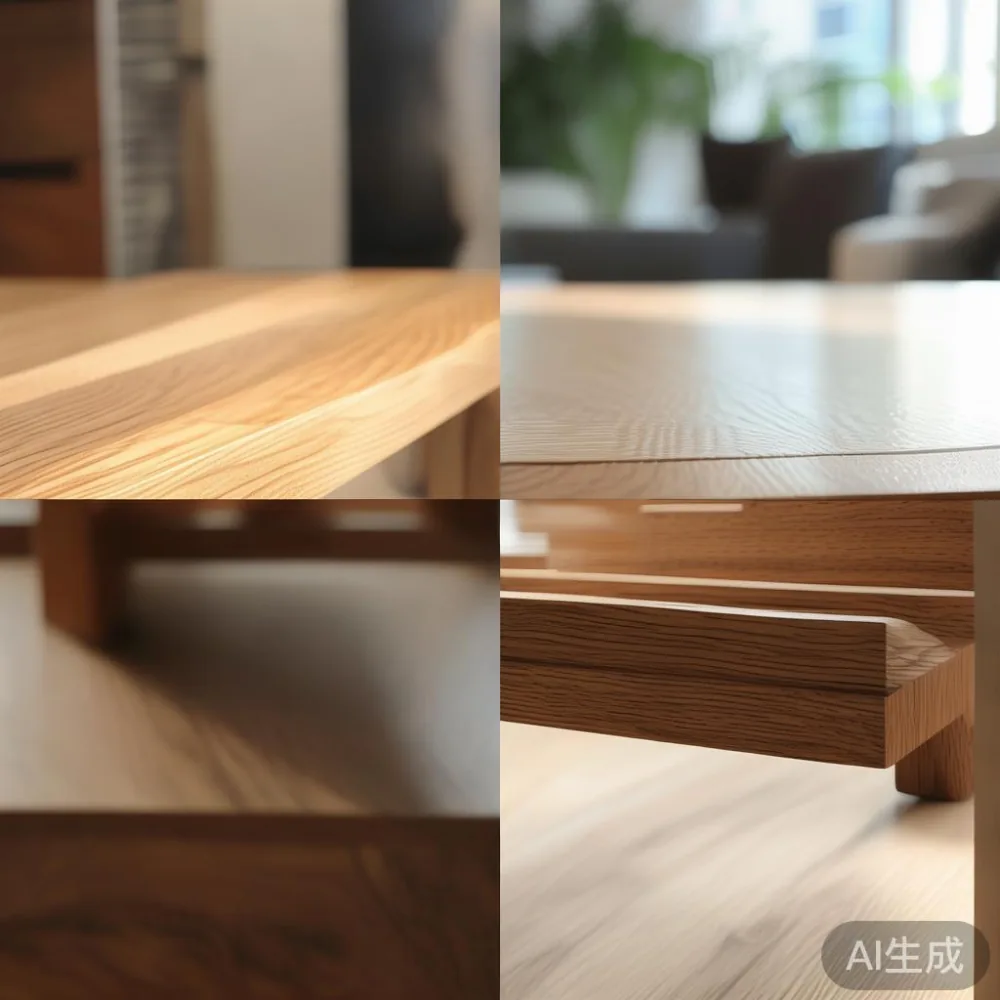
What does a veneer coffee table cost after 5 years?
Assume a rectangular coffee table measuring 120 × 60 cm and 42 cm high. A mid-range engineered-wood coffee table with a 0.6 mm wood veneer may cost S$420 before GST and S$441 after 9% GST. A matching solid-wood version in rubberwood, oak or ash may cost S$900 before GST and S$981 after tax. The veneer saves S$540 at checkout, or 55%.
Over 5 years, maintenance becomes more important than that first saving. Suppose the veneer table needs 1 veneer repair at S$180 plus professional refinishing at S$240 on average: S$420 in total follow-up cost. That produces a 5-year cost of S$861. If the table is discarded and replaced once at today's S$441 price, the 5-year outlay is closer to S$882, excluding delivery.
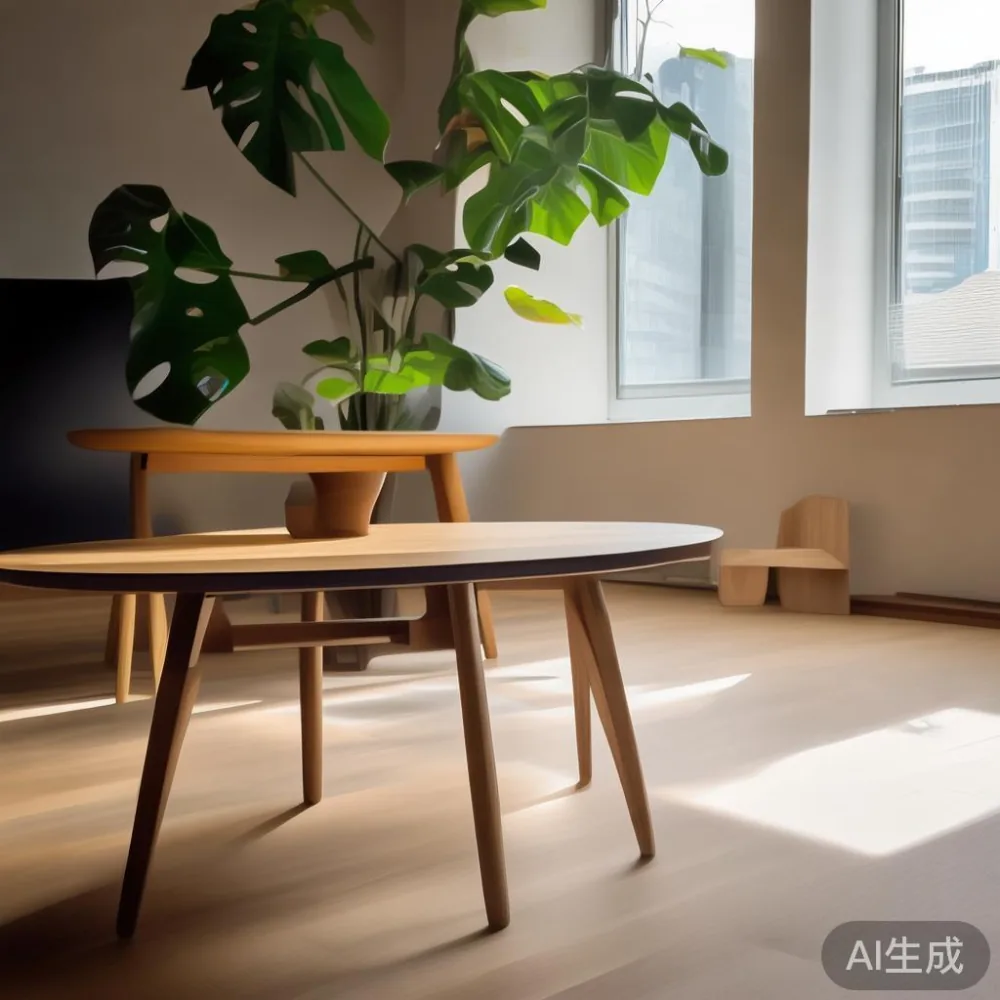
A solid-wood coffee table bought for S$981 may need 2 cleaning treatments costing S$20 each, 1 scratch repair at S$90 and no full refinishing during normal use. Its total is S$1,111 over 5 years. The veneer option is less predictable because edge lifting, bubbling or delamination depends heavily on humidity and substrate quality.
Singapore's humidity—often around 70–85%—makes stable construction more than a decorative concern. Use a coaster for each cup, place the table at least 30 cm from exterior walls, and keep standing water or air-conditioner condensate off the top. A failed lacquer finish can increase repair costs quickly.
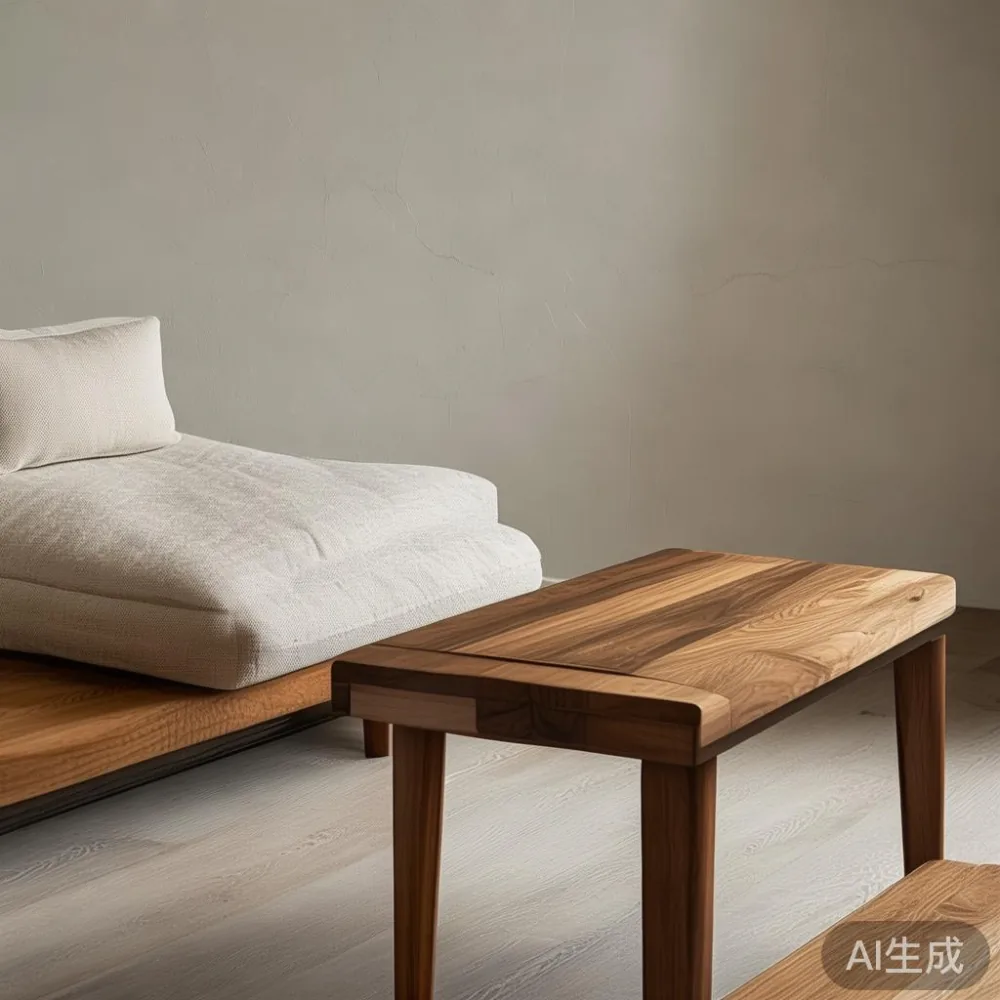
Which construction suits a Tampines, Bedok or Punggol home?
Access can erase a useful price difference. In many older HDB layouts, a coffee table must turn through a 90 cm corridor and pass a 85 cm-wide lift door. A 120 cm-long solid-wood model may need to be tilted upright, protected with 8 mm foam and carried by 2 people. A 105 cm table can often pass with less manoeuvring.
Allow S$90 for a normal HDB delivery and S$150–S$220 if stairs, a narrow lift lobby or a service elevator booking require extra work. A condo delivery commonly falls around S$120–S$250, subject to building rules and parking distance. Measure the package rather than relying on showroom dimensions; handles, cartons and turning circles add 5–12 cm.
For a compact Punggol or Bedok living room, solid wood is not the only sensible choice. A well-engineered veneer coffee table can be lighter at 24–34 kg, compared with roughly 42–65 kg for a thick solid-wood unit. However, veneer is not automatically fragile. A stable plywood or MDF core, continuous backing and sealed edges matter more than the word veneer itself.
In a French light luxury room, both materials can work. French provincial styling often combines curved profiles, muted cream paint and restrained hardware; a 3 cm solid-wood top with a softly bevelled edge supports that look more convincingly than a very thin veneer panel. Post-modern light luxury may favour cleaner geometry, where an engineered core can be efficient.
For heavier American light luxury proportions, a solid wood or marble table is visually coherent, but weight becomes relevant. A marble coffee table may weigh 70–100 kg and need specialist lifting. A 120 × 60 cm solid wood coffee table usually offers a more manageable balance.
How do GST, delivery and daily use change the numbers?
Singapore GST adds 9% to showroom prices. On a S$650 coffee table, tax is S$58.50, making the invoice S$708.50. A S$1,050 solid-wood table becomes S$1,144.50. These figures are examples rather than universal market quotes; timber grade, joinery, finish and dimensions alter the final amount.
Use this 5-year calculation: purchase price including GST + delivery + cleaning + repairs + expected early replacement. Do not count resale value as a guarantee, because used furniture prices vary and no buyer is obliged to pay the original amount.
For Scenario A, a veneer coffee table at S$708.50, delivery of S$120, cleaning of S$60 and repairs of S$220 reaches S$1,108.50 over 5 years. If it lasts the full period, its annual ownership cost is S$221.70. A S$1,144.50 solid-wood coffee table with S$180 delivery, S$100 maintenance and no expected replacement totals S$1,424.50, or S$284.90 per year.
Scenario A makes veneer financially favourable if it remains stable for 5 years. Scenario B tests a premium solid-wood table purchased for S$1,600 before GST: S$1,744 after tax. Add S$200 delivery, S$250 refinishing and S$100 repairs. Its 5-year cost is S$2,294, or S$458.80 annually. If refinishing protects the table and allows resale, the usable cost could be lower; that possibility should not replace the conservative budget.
Buyers researching product names often move between categories. A solid wood sofa, bed frame, dining table, wardrobe or nightstand may share the same finish vocabulary, but only coffee table construction belongs in this comparison. Guides about an Italian light luxury wardrobe or how to style French provincial bed in apartment can inform colour schemes without changing a coffee table's structure.
What do scratches, lifting edges and repairs tell you?
Last month I visited a 4-year-old coffee table in a Bedok HDB flat and inspected it beside a 1-year-old veneer table from another home. Both had been used with coasters and no direct sunlight. The older veneer had lifted at one 4 cm front corner after repeated damp-cloth cleaning. The repair quote was S$190–S$260, with a 3–4 week wait. The solid-wood table had 3 shallow marks that responded to wax; the local repairer quoted S$70–S$110 and completed the work in 4 days.
This is 1 inspection, not a laboratory test, but it exposed the practical difference. Veneer defects are often concentrated: one lifted corner can affect the whole panel. Solid wood can be sanded and patched locally because fibres continue across the surface. Deep splits, failed joints or fungal decay remain serious, especially if moisture has entered an unsealed end grain.
Ask the seller for 6 exact details: core material, veneer thickness, solid-wood species, top thickness, finish system and repair scope. A 0.6–1.2 mm veneer can be serviceable with a stable core. A tabletop below about 18 mm may flex more; 25–40 mm is calmer under daily use. Keep dishes and laptops off the surface: a 2 kg laptop and a 6 kg tray should not sit on one spot for 10 hours.
Cleaning matters too. Dust with a dry cloth, wipe spills within 2 minutes and avoid silicone sprays, alcohol-heavy products and soaked rags. Use pH-neutral cleaner at 1:100 dilution where the finish permits. Solid wood generally tolerates periodic wax or oil more readily than a delicate lacquered veneer.
How should you compare the contract, warranty and returns?
The invoice should identify “solid wood” where structural timber is claimed. Decorative inlays, veneers and laminated surfaces should be labelled separately. A photograph of the underside, edge profile and joints helps at delivery. Check that the package length exceeds the measured route by at least 5 cm and that corner protection is present.
MIDHILL was established in 2008 and exports to more than 15 countries. Its coffee table commitments include a 10-year structural warranty, lifetime refinishing, free shipping above US$350 and 14-day returns. For Singapore orders, clarify the local currency payment route and whether the quoted warranty, refinishing terms and GST treatment apply to the delivered destination.
These policies reduce risk, but they do not turn every coffee table into solid timber. Ask for the exact panel specification in writing. A 10-year structural warranty can exclude veneer surface adhesion, finish wear or moisture damage if the contract does so. Return eligibility for a custom-size coffee table may also differ from a standard item.
Look for a readable care guide, replacement veneer availability and a documented finish sequence. If the same batch or timber pattern can no longer be supplied, local repair becomes more difficult. Solid wood gains an advantage because small defects can be blended with matching filler.
For style research, terms such as top 10 Industrial furniture, is European bed worth it, how to choose French sofa and best Vintage bed for 2026 belong to other shopping decisions. Apply the same evidence test: dimensions, materials, support, moisture protection and written terms. The phrase MIDHILL furniture can identify the maker, but product specifications must still be verified.
Which 5-year cost is easier for a Singapore household?
A buyer with S$800 after GST and delivery should prioritise stable engineering, a clear warranty and realistic size. Scenario A's veneer table at S$708.50 plus S$120 delivery reaches S$828.50, so the available budget would need to cover S$828.50 rather than S$800.
A buyer with S$1,000 can consider the S$981 solid-wood example only before delivery. Delivery of S$120 raises it to S$1,101. A 105 × 55 cm version, lighter frame or mixed construction may fit the budget better than forcing a 120 × 60 cm premium model through a narrow HDB lift.
Veneer wins when affordability, lower weight and a controlled appearance come first, provided the core and edges are well made. Solid wood wins when long-term repairability, tactile depth and a joinery-led appearance justify paying roughly S$400–S$1,000 more. A marble table gives another visual route but adds heavy, porous maintenance considerations; marble does not repair itself like timber.
The practical answer is to buy the construction that can remain in the home for 60 months without a major failure. Record invoice costs, delivery charges and maintenance on day 1. Review the top and underside every 6 months. For Singapore use, a sealed solid-wood coffee table with protected edges is easier to maintain indefinitely, while veneer remains a reasonable choice when its engineering is transparent and the household expects disciplined care.