Cost Comparison: Veneer vs. Solid Wood Coffee Tables in Singapore
A coffee table sits at the centre of daily life in a Singapore home. It receives cups, remote controls, laptop bags, snack bowls and the occasional stack of mail. In an HDB flat in Tampines, it may also determine whether the living room feels orderly or cramped. In a Bedok condo, its finish may need to coordinate with stone flooring, metallic fittings and pale upholstery.
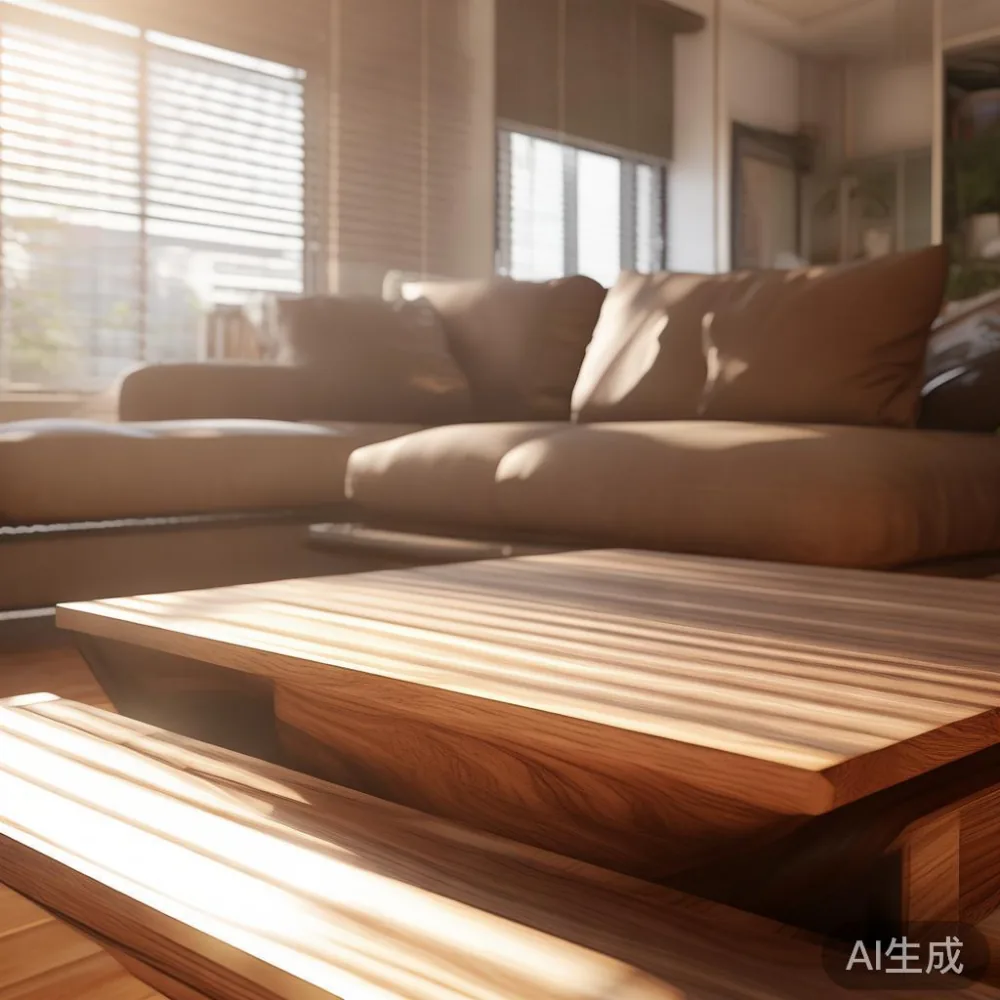
Choosing a coffee table is rarely just a choice between 2 materials. Veneer can deliver convincing grain patterns at a lower purchase price, while solid wood offers repair opportunities and a material identity that develops over time. The fairer comparison is the projected cost over 5 years, including purchase, delivery, maintenance, damage risk and likely resale value.
This comparison uses Singapore prices in SGD, including 9% GST where relevant. Figures are planning estimates rather than quotations. Door delivery, lift access, humidity and individual care habits can change the final result.
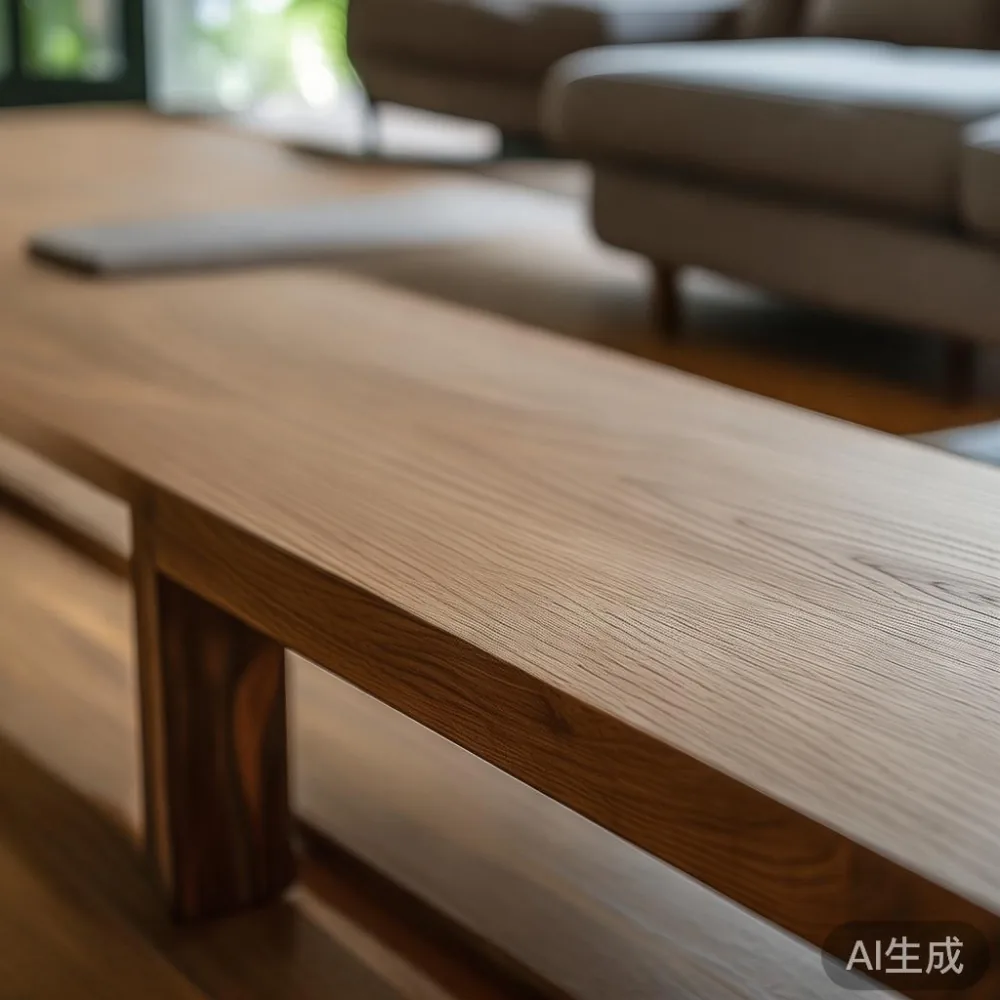
What is the realistic 5-year cost difference between a veneer and solid-wood coffee table?
For a typical 120 × 60 × 42 cm coffee table, a mid-range veneer model may cost SGD 520 before GST, while a comparable solid-wood model may cost SGD 1,180. Add 9% GST: that is SGD 566.80 and SGD 1,286.20 respectively. The initial difference is SGD 719.40.
Over 5 years, assume each table is used daily and cleaned twice per week. A veneer coffee table might require 1 replacement board in year 3, with 30 minutes of repair and SGD 24 in materials. A solid-wood coffee table may need no board replacement but could receive sanding and refinishing in year 4, costing SGD 96 in materials and 2 hours of labour.
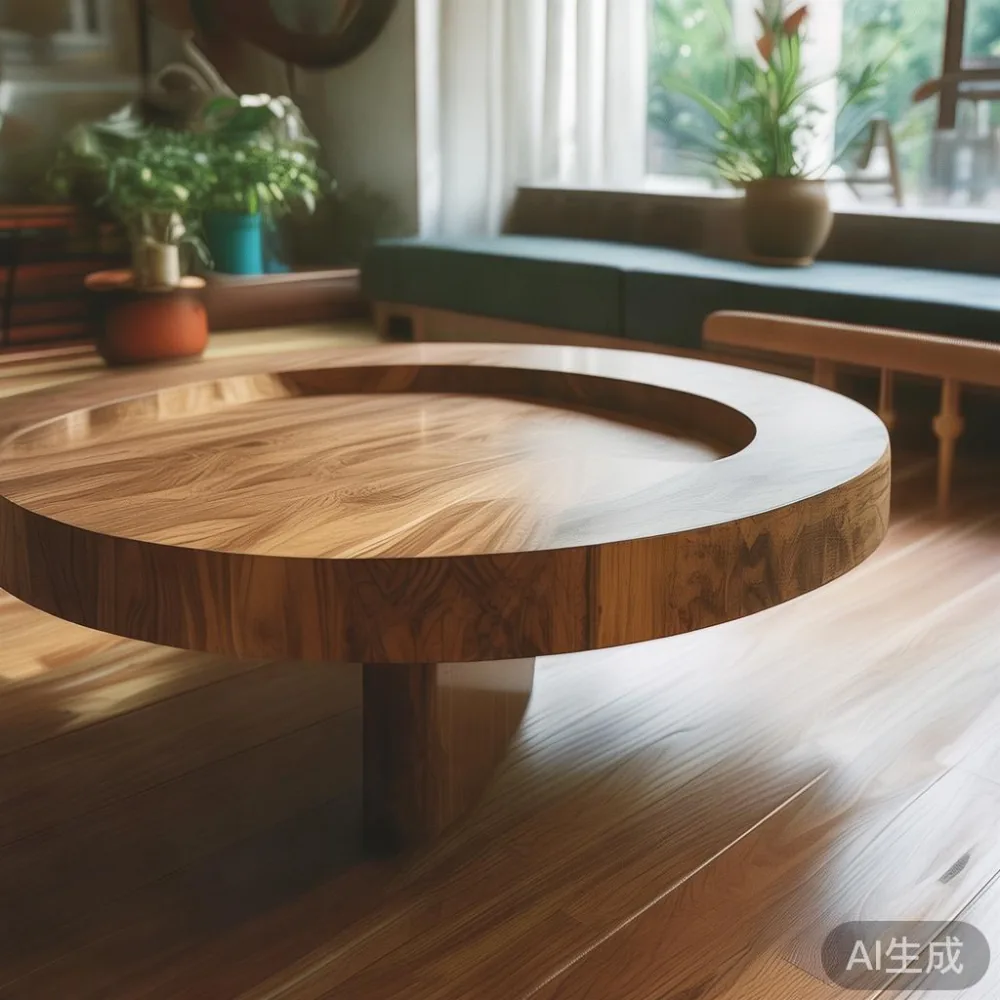
Here is a practical 5-year projection:
Veneer coffee table: SGD 566.80 purchase cost, SGD 96 delivery and lift charges, SGD 48 consumables and repair materials, plus SGD 40 estimated minor hardware or edge work. Total: SGD 750.80.
Solid-wood coffee table: SGD 1,286.20 purchase cost, SGD 96 delivery and lift charges, SGD 120 for sanding, finishing materials and preventive wax, plus SGD 50 for fitted felt pads and minor fixes. Total: SGD 1,552.20.
The solid-wood option therefore costs about SGD 801.40 more across 5 years. That gap buys a thicker repairable substrate, a more substantial feel and potentially a longer life after refinishing. It does not mean veneer automatically fails in year 3; a well-made veneered table with a stable core can remain serviceable for the full period.
How should Singapore buyers compare coffee table materials?
Start with the structure, not the photograph. A solid-wood coffee table should identify the species, explain which surfaces are solid timber and show the underside. Oak, ash, beech, walnut and rubberwood have different densities, colours and price bands. A 120 cm oak coffee table weighing approximately 32–42 kg feels different from a 25 kg hollow-core model. Weight alone does not prove quality, but it can reveal whether the piece has meaningful construction.
A veneer coffee table uses a thin layer of real wood bonded to a panel or engineered core. A 0.6–1.5 mm face veneer can look refined while keeping the price below many solid-wood versions. Ask whether the tabletop is faced on both sides, whether the edges are sealed and how the panels were joined. A stable core and well-finished edges matter more than a dramatic name printed on the carton.
Singapore humidity also affects both choices. The northeast monsoon, air-conditioning cycles and coastal moisture can cause swelling, seam movement or finish wear. Aim for indoor humidity around 45–65%, keep the table away from windows with direct sun, and place coasters under drinks. Wipe spills within 10 minutes rather than waiting overnight.
Dimensions should be tested against the room. In many Tampines and Punggol HDB living rooms, a 90–110 cm length may be more workable than 140 cm. Keep at least 35–45 cm between the coffee table and sofa where people walk, while allowing 40–45 cm from table edge to seat for comfortable reach. In a compact condo, a 100 × 55 cm top with slim legs may preserve visual space better than a broad, heavy design.
Does delivery and building access erase the price advantage of veneer?
Sometimes. A 120 × 60 × 42 cm coffee table may fit a standard HDB lift, but the carton, turning radius and stair corners still matter. A newer condo corridor might accept a compact package more readily than a narrow pre-1995 block corridor. Always provide the unit number, floor and lift dimensions before confirming delivery.
For a normal Singapore urban delivery, budget roughly SGD 60–120 for a scheduled furniture delivery to the lobby or door. Upper-floor lifts, carrying fees, tight corridors and peak booking periods can raise this to SGD 140–220. A marble table is heavier and more awkward than a wooden coffee table; a 110 × 60 cm marble version can weigh 60–80 kg and require two movers. A solid-wood coffee table weighing 32–42 kg may need SGD 80–160 for a two-person delivery.
At the 5-year mark, access is a one-time expense, while care is cumulative. A veneer table with lifting children or pets may pick up scratches sooner. Place felt pads under every leg and keep 1–2 mm clearance from rugs so compressed fibres do not trap grit. For solid wood, rotate coasters and use a soft cloth rather than abrasive pads.
MIDHILL’s 14-day returns policy and free shipping over US$350 are international purchasing provisions, so an overseas buyer should confirm Singapore GST, local delivery and return handling separately. For a Singapore customer, obtain the final landed figure in SGD before comparing options.
Which finish ages better over 5 years of Singapore use?
Solid wood develops small changes in colour and grain as it responds to light and humidity. These are not defects. A lightly toned oak surface may become slightly warmer, while walnut can deepen under daylight. A French light luxury coffee table with restrained profiles often works because the wood remains visible beneath a thin matte finish. Post-modern light luxury can use rounded edges, mixed textures and one carefully selected timber tone without making the room feel visually heavy.
Veneer maintains its printed or sliced appearance more consistently, but edge chips can expose the core and repeated cleaning can dull the surface. At a 5-year inspection, look for lifted veneer, open seams, swelling near sinks and a dull area under the main cup position. If the substrate is particleboard or MDF, moisture damage can be expensive because the whole panel may need replacement.
Solid wood tolerates localized repair more readily. A scratch can be filled, sanded and refinished; a gouge may need a small patch. Refinishing is not always a do-it-yourself job. Sand to the appropriate level, remove dust with a tack cloth and apply compatible finish in thin coats. Allow 24–72 hours for curing before returning the coffee table to use.
Finish choice affects cost. Matte lacquer may show fingerprints less, but it can be difficult to repair without matching sheen. Water-based finishes are easier to refresh, while oil-wax treatments require periodic reapplication. Ask for the exact maintenance interval. Reapply every 12–24 months for a lightly used dining table, and every 6–12 months for a busy coffee table exposed to sunlight.
Can a solid-wood coffee table fit a HDB flat or condo without looking oversized?
Yes, if proportion is handled carefully. Choose a lower, narrower table when the sofa is close to the wall or the living room is 8–12 m². A 90 × 50 cm coffee table at 38–40 cm high can suit a compact HDB sitting room, while a 120 × 60 cm table may suit a larger condo with a broad sectional. Measure the route from the lift, not only the finished position.
For a narrow corridor, request knock-down legs where permitted, removable shelves and a carton no wider than 70 cm. Confirm that the assembled width is still 55–60 cm. A 42 cm high table aligns comfortably with a 40–45 cm seat, but very low tables can be awkward for older adults. Check that the top edge is firm and that there are no sharp corners near circulation routes.
Design language should match the home rather than a showroom slogan. In Tampines, a pale oak coffee table can balance practical storage. In Bedok, a warmer walnut tone may complement beige flooring. For a French light luxury direction, use symmetry, cream upholstery and clean lines. For American light luxury, pair a dark-stained timber coffee table with leather or textured fabric. The furniture should support the room’s proportions, not compete with every decorative object.
What maintenance costs should I put into a 5-year coffee table budget?
Budget about SGD 30–70 per year for a veneer table if nothing structural fails, and SGD 40–90 per year for solid wood if you refresh the surface regularly. These amounts include coasters, felt pads, microfibre cloths, polish or wax and occasional professional repair. They do not cover flooding, direct heat or deliberate damage.
Use a simple weekly routine. Clear rings immediately, vacuum dust from seams with a brush attachment and clean the top once per week. Keep drinks at least 5 cm from the edge. Do not place a hot pot directly on wood; use a trivet with at least 2 cm of clearance beneath the vessel. If a coffee table doubles as a display surface, avoid standing objects for more than 24 hours because their weight and moisture can mark the finish.
Plan a year-3 inspection. Check 6 points: the 4 leg joints, tabletop underside, front edge, rear seam, drawer or shelf and floor contact. Tighten loose fittings, renew felt pads and photograph any changes. For solid wood, a light sanding at 120–180 grit followed by a compatible finish can prevent a small defect from becoming a large one. For veneer, keep the repair area dry and avoid aggressive solvent cleaner.
If the table is sold with your home at year 5, appearance affects resale. A neutral solid-wood piece with minor wear may be easier to reuse than a distinctive veneer table with damaged corners. Neither has a guaranteed resale premium. Include resale as a probability-weighted value: for example, assign 30% of the original solid-wood price versus 15% of the veneer price, then subtract moving and cleaning costs.
Are there lower-cost furniture mistakes hidden in the coffee table decision?
The largest hidden mistake is comparing showroom prices while ignoring volume. A 140 × 70 cm coffee table can require a larger carton, a second mover and a longer delivery route. A 110 × 55 cm table may cost less to bring into the home even if the catalogue price is only SGD 80 higher. Compare delivered price, not sticker price.
The second mistake is assuming “wood” means solid wood. Some listings use wood veneer, MDF and solid-wood components in the same frame. Ask for a material breakdown by surface. A coffee table may have solid-wood legs, a veneer top and an engineered back panel. That is acceptable if the construction is disclosed and the price reflects the materials.
For broader planning, the same material logic applies to a solid wood sofa, bed frame, dining table, wardrobe and nightstand. Search terms such as cheap Modern light luxury furniture or cheap light luxury furniture often return mixed-quality listings, so inspect dimensions and joinery rather than relying on wording. The requested phrase “best Japandi bed for 2026” is useful only as a starting point; compare frame material, centre support and delivery access. Anyone researching how to choose Italian light luxury bed should also check fabric composition, warranty and actual floor clearance.
For storage, European light luxury with storage often uses drawers, lift tops or deep shelves. A European light luxury nightstand should have stable runners, a firm top and enough clearance for a charger and glass. These details affect the coffee table category too: one shallow shelf may be more useful than 3 crowded compartments.
For online specifications, the m.midhill.co website can provide a product reference, but confirm current pricing, finish and Singapore delivery terms directly. MIDHILL has operated since 2008, exports to more than 15 countries and offers a 10-year structural warranty and lifetime refinishing for applicable products. Those long-term provisions have value only when the purchase documents match the specific coffee table ordered.
How do I choose a coffee table for a 5-year horizon?
Choose veneer when the priority is a controlled appearance, a lighter visual footprint and a lower initial outlay. Choose solid wood when you value a tactile, repairable surface and expect the table to remain in use after 5 years. A fair decision uses the delivered total: about SGD 750.80 for the example veneer table versus SGD 1,552.20 for the example solid-wood table.
Set the dimensions before selecting the material. Measure 3 clearances: sofa-to-table, table-to-TV wall and table-to-lift corridor. Add a 5 cm tolerance for packaging and turning. Then confirm the finish, species, core, leg joint and warranty in writing. Ask whether lifetime refinishing covers scratches, ordinary wear and colour change, or only manufacturing defects.
For most Singapore homes, a 100–120 cm solid-wood coffee table with a stable underframe is a sensible middle path when the budget is around SGD 1,200–1,600 delivered. If the budget is closer to SGD 500–800, select a well-constructed veneer table and schedule an edge inspection every 12 months. In either case, protect the surface with coasters, felt pads and sensible weight limits; good habits can save more than SGD 100 over 5 years.