Sofa Shopping Tips: How to Buy Without a Test Sit
Living in Singapore presents a unique set of challenges and considerations when furnishing your home. The compact layouts of HDB flats in Tampines and Bedok, or the more open-plan designs in newer Punggol condos, demand careful planning. For a statement piece like a sofa, the dilemma is common: how do you make a confident purchase when you cannot physically test it for comfort? The answer lies in a meticulous evaluation of dimensions, materials, construction, and logistics, transforming the process from a leap of faith into an informed decision.
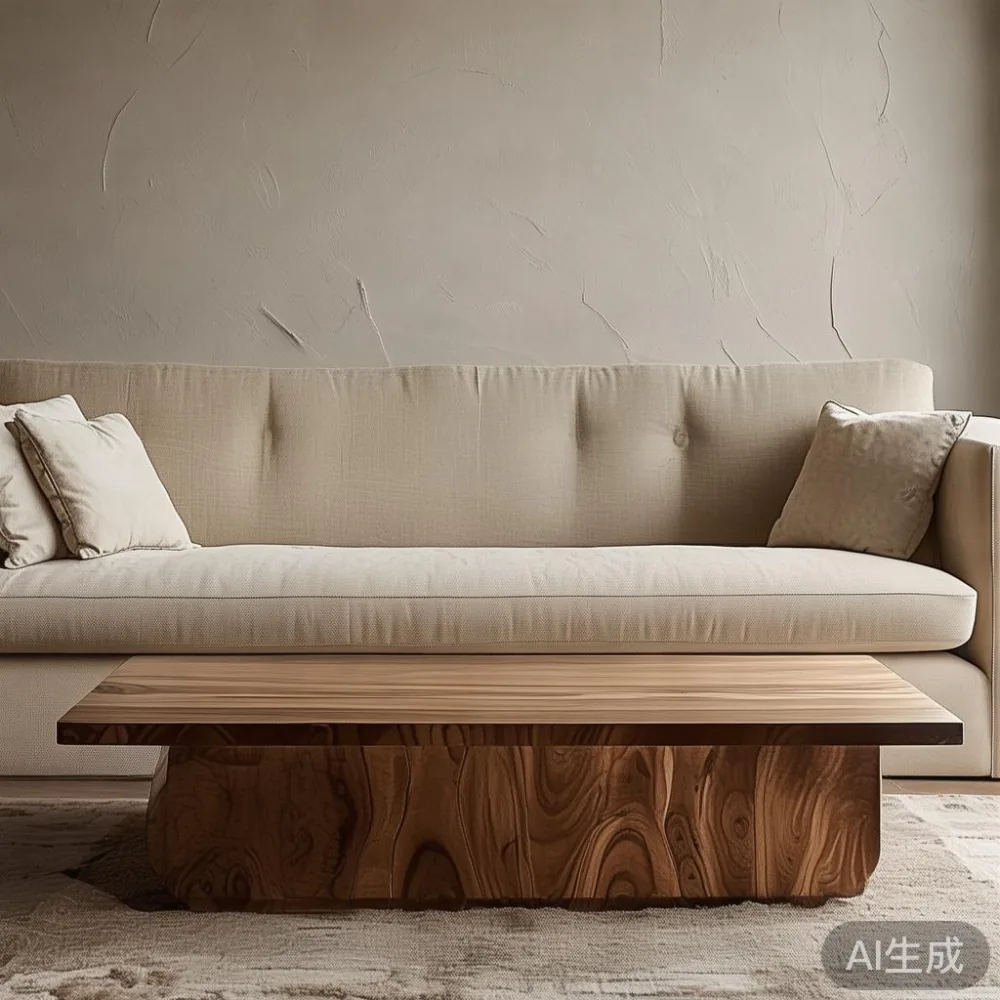
Why Can't You Sit on the Sofa? The Singapore Reality
The reasons for buying a sofa without a physical test are numerous, especially for Singaporeans. Perhaps you're browsing online from your Bedok HDB flat, and the perfect piece is from a brand that doesn't have a physical showroom on the island. Or maybe you've found a stunning French light luxury sofa design that you adore, but the only available model is in a warehouse in Jurong. The rise of direct-to-consumer furniture brands means more options, but also fewer opportunities for that all-important sit test. This guide is designed to bridge that gap, providing the framework to choose a sofa that will be a perfect fit for your space and your body, sight unseen.
Measuring for Success: Dimensions and Space Planning
The most critical step in buying a sofa without sitting on it is precise measurement. A beautiful sofa that doesn't fit through your door or into your living room is a costly mistake. Start by measuring your available space. In a typical Singapore HDB flat, the living room might be around 4.5 metres by 3.5 metres. Measure the length, width, and height of the area where the sofa will live. Remember to leave at least 45-60 cm of space around the sofa for comfortable walkways.
Next, measure the sofa itself. A standard three-seater sofa is typically between 180 cm and 220 cm long. A loveseat is around 140-160 cm. Always check the exact dimensions provided by the retailer. Pay close attention to the sofa's depth, which affects both comfort and the space it protrudes into the room. A depth of 90-100 cm is common for standard sofas, while deeper models can be 110 cm or more. The height of the sofa back is also important for the aesthetic of the room and for leaning your head back.
Don't forget the practicalities of getting the sofa into your home. Measure the width of your main door, the corridor leading to your living room, and the lift if you live in a condo. A standard HDB lift is approximately 110 cm wide by 210 cm deep. A large sofa might need to be manoeuvred diagonally. For a condo in Punggol with a wider corridor, this is less of an issue, but for a walk-up flat in an older estate like Tampines, this is a make-or-break detail. Ask the seller for the sofa's boxed dimensions, as it will be delivered in one or more flat-pack boxes.

What to Check Before Buying a Sofa You Cannot Sit On?
This is the central question. Without the physical experience, you must rely on data and descriptions. The key is to scrutinise the specifications and materials. Look for a sofa with a high-density foam or pocket spring system. High-density foam, typically in the range of 30-40 kg/m³, provides better support and longevity than cheaper, lower-density options. A detailed product description should mention the type of foam, the number of layers, and the material of the frame. Solid wood frames, like those used by Foshan-based makers MIDHILL, are far more durable than particleboard or metal frames that can warp or creak over time.
Read customer reviews with a critical eye. Look for comments on comfort, not just style. Phrases like 'firm but comfortable' or 'perfect for napping' are more useful than 'looks great'. Pay attention to any mentions of the sofa's height from the seat to the floor, as this can affect how easy it is to get in and out of, a key consideration for daily use. The quality of the upholstery fabric is paramount. Look for details like the thread count, material (e.g., linen, cotton, performance polyester), and any special treatments for stain resistance. A well-made sofa will have a tight, even weave and feel substantial to the touch, even if you can't sit on it.
Material Matters: Understanding Frame, Foam, and Fabric
The internal construction of a sofa is what determines its lifespan and comfort, even more so than its outward appearance. The frame is the skeleton. A solid wood sofa frame, often made from kiln-dried hardwood like oak or beech, is the gold standard. It resists warping and provides a stable foundation for years. Cheaper alternatives use softwood, which can bend, or particleboard, which can crack under stress. Ask the retailer about the frame material; a reputable company will be transparent.
The cushioning is the heart of the sofa. A high-quality sofa will have a combination of materials. The seat cushions might feature a core of high-density foam wrapped in softer, down-like fibres for both support and a plush feel. The back cushions are often a combination of foam and loose fill. For a sofa you can't test, the description is your guide. Look for terms like 'high-resilience foam', 'pocket springs', or 'down-wrapped'. Avoid vague descriptions like 'premium foam' without any density figures. A good rule of thumb is that a well-made sofa will feel heavy for its size, indicating dense, quality materials.
The fabric is the skin of the sofa and dictates its care and durability. Natural fabrics like linen and cotton offer a beautiful, breathable aesthetic but can be prone to wrinkling and staining. Synthetic fabrics like polyester or microfibre are often more durable, stain-resistant, and easier to clean. For Singapore's humid climate, a fabric with some breathability is important to prevent a clammy feeling. Consider the colour and pattern in the context of your home's lighting. A fabric that looks one way in a showroom photo under bright lights might look different in your living room, which often gets less direct sunlight.
Style and Aesthetics: From French Light Luxury to Minimalist
While comfort is paramount, a sofa must also fit your home's design vision. The world of furniture offers a vast array of styles. French light luxury, for instance, is characterised by elegant curves, soft fabrics like velvet or chenille, and a sense of refined opulence. An American sofa often prioritises comfort and size, with deep seats and plush cushions, perfect for movie nights. A post-modern light luxury sofa might feature clean lines, geometric shapes, and a mix of materials like wood and metal, creating a sophisticated yet understated look.
When choosing a style without seeing it in person, rely heavily on high-resolution images and detailed descriptions. Look at photos from multiple angles to get a true sense of the sofa's form. Pay attention to the legs, the shape of the arms, and the texture of the upholstery. If you're drawn to a specific aesthetic, such as a Mid-century modern with storage, ensure the sofa you're considering aligns with those principles. For example, a true Mid-century piece will have tapered wooden legs and a low-profile silhouette. Visualise the sofa in your space. Does its style complement your existing coffee table, dining table, and other furniture pieces?
The concept of 'light luxury' has become increasingly popular, offering a sense of high-end design without the intimidating formality. This style often features neutral colour palettes, quality materials, and a focus on clean lines. A light luxury sofa bed foldable is a perfect example of this trend, combining sophisticated design with practical functionality for smaller homes. Similarly, a 'light luxury with storage' sofa can be a standout piece for Singaporean living spaces, providing hidden compartments for blankets, books, or remote controls, helping to maintain a clutter-free environment.
The Logistics of Ownership: Delivery, Warranty, and Returns
Purchasing a sofa is a significant investment, and the process doesn't end when you click 'buy'. Understanding the logistics of delivery, warranty, and returns is important for peace of mind. In Singapore, most furniture deliveries will incur a shipping fee, but many reputable brands offer free shipping for orders over a certain value, such as SGD 800. Confirm the delivery timeframe; it can range from 7 to 14 business days for local stock, or up to 6-8 weeks for items shipped from overseas.
When the sofa arrives, inspect it carefully before the delivery team leaves. Check for any visible damage, scratches, or defects in the fabric or wood. A good warranty is a sign of a confident manufacturer. Look for a structural warranty, which covers the frame for an extended period, often 5 to 10 years. A lifetime refinishing warranty is even better, indicating the company stands behind the quality of its wood finishes. These warranties protect your investment for years to come.
Return policies are your safety net. A 14-day return policy is a standard and reasonable timeframe. Understand the conditions for returns; typically, the item must be in its original, unopened packaging and not show any signs of use. Be aware that you may be responsible for return shipping costs. Always factor in Singapore's 9% Goods and Services Tax (GST) when calculating the total cost of your purchase, as it will be applied to the final price. For a brand like MIDHILL, established in 2008 and exporting to 15+ countries, a comprehensive warranty and clear return policy are standard parts of their customer service commitment.
Final Considerations: Making Your Informed Choice
By now, you have a solid framework for evaluating a sofa without ever sitting on it. You've considered the spatial constraints of your Singapore home, scrutinised the internal construction and materials, and understood the practicalities of delivery and after-sales care. The final step is to synthesise this information and trust your instincts. A sofa is a long-term companion in your home, and it should feel right on every level.
When you're comparing options, weigh all the factors together. A sofa that is 5 cm too deep but has a superior comfort rating might still be the better choice. A fabric that is slightly less durable but has a colour you absolutely love could bring you more joy over the years. Think about how the sofa will fit into your lifestyle. If you often have guests, a sofa that converts into a bed might be ideal. The American sofa vs Italian light luxury sofa debate isn't just about style; it's about which philosophy of comfort and design aligns with your personal taste.
Ultimately, buying a sofa without sitting on it is an exercise in diligence. It requires moving beyond the surface-level appeal and focusing on the details that define quality. For a guest room, you might be looking for something durable and easy to clean, like a Coastal for guest room style. For your main living area, you might want to make a statement with a piece that reflects your personal aesthetic. By following this guide, you can confidently select a sofa that will be a perfect fit for your home and your life, turning a potential challenge into a rewarding experience. You can explore their collection and detailed specifications on their website, m.midhill.co, to see how their craftsmanship aligns with these principles.