Sofa Buying Guide: Tips for Singaporeans Without a Test Seat
The sofa is the heart of the living room, the centrepiece of relaxation and social gatherings. It's where family movie nights happen, where friends gather for conversations, and where you might find yourself after a long day at work. For most people, the process of choosing one is simple: go to a showroom, sink into a few options, and pick the one that feels best. But what happens when you're buying a sofa online, or from a brand with a showroom that's simply not convenient to visit? The challenge is real, especially in a city-state like Singapore, where space is a premium and logistics can be complex. You are committing to a significant purchase, often ranging from SGD 1,500 to over SGD 5,000, without the one experience that seems most fundamental: the physical test.
How Can You Be Sure About Comfort Without Physically Testing the Sofa?
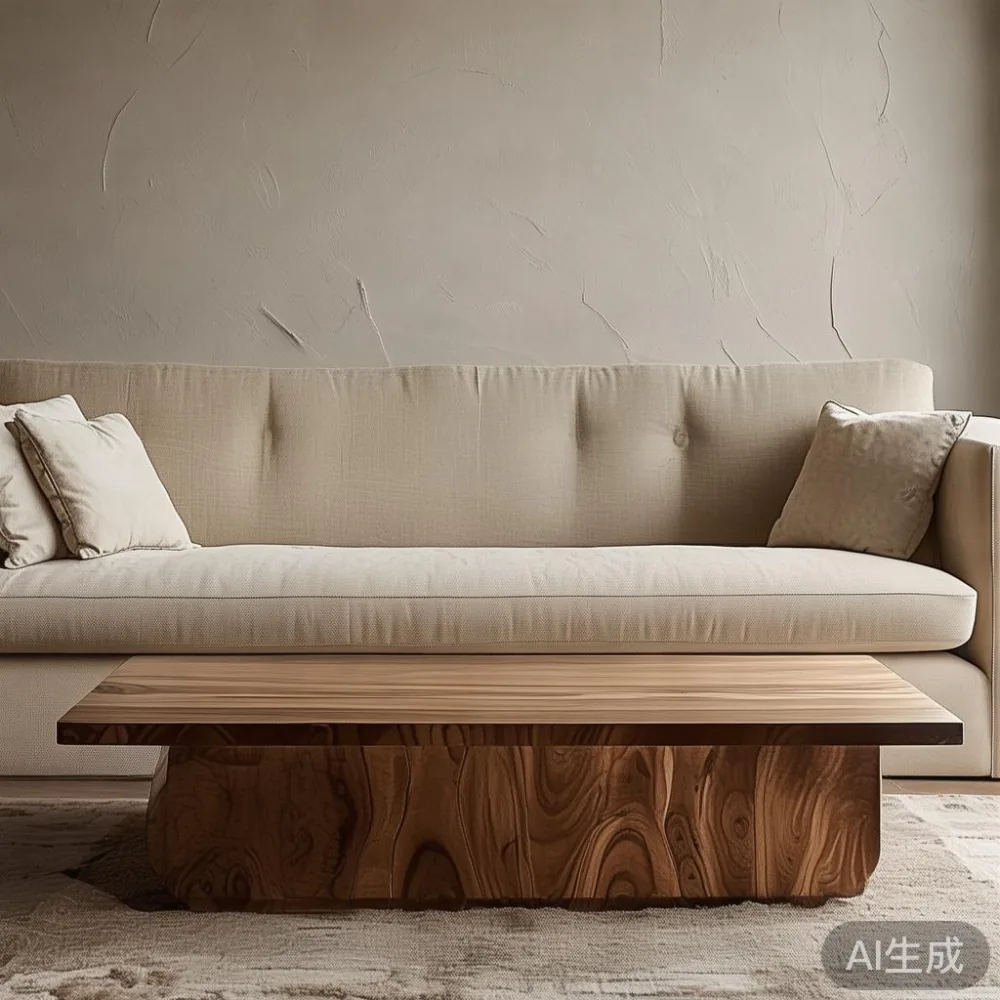
This is the single most pressing question for any online or remote furniture shopper. Comfort is subjective, but it is also built from a series of objective specifications. While you cannot feel the exact 'sink' of a cushion, you can assess its potential for comfort by understanding its construction. The key lies in dissecting the sofa's anatomy before you click 'buy'. Think of it like buying a car without a test drive; you research the engine size, fuel efficiency, and safety ratings to make an informed decision. A sofa has its own set of metrics: the density of the foam, the type of springs, the fill material, and the depth of the seat. Last month, my colleague, Sarah, who lives in a Bedok HDB flat, ordered a large, three-seater sofa from a European light luxury brand. She couldn't visit their showroom in Sentosa, so she spent a week studying their product specifications, focusing on the 35 kg/m² high-resilience foam in the cushions and the 8-gauge sinuous springs in the seat base. When it arrived, the comfort was exactly as she had predicted from the data. It’s about replacing a physical sensation with a detailed understanding of the materials.
Measuring for Reality: Singapore's Spatial Constraints
In Singapore, a sofa is not just a piece of furniture; it's a spatial commitment. A mistake in measurement can render a beautiful sofa useless in your home. Before you even consider comfort, you must ensure the sofa fits. This means measuring not just the room, but the path the sofa must take to get there. For those living in older HDB flats in Tampines, for example, corridor widths can be as narrow as 90 cm. A standard sofa box is typically 180 cm long and 80 cm wide. Will it make the turn at the lift lobby? Will it fit through your apartment door? A colleague of mine recently learned this the hard way. He purchased a sofa online that, in his living room layout, seemed perfect. He failed to account for the fact that he would need to carry it up one flight of stairs as the lift was under renovation. The sofa's 75 cm depth and 45 cm arm height were fine for the room, but its 190 cm length was a nightmare to work through on a staircase. Always measure your doorways, hallways, and stairwells. Write down the numbers: door height 220 cm, corridor width 95 cm, lift dimensions 110 cm x 110 cm. A good practice is to use painter's tape on your floor to outline the sofa's footprint. This visualisation can prevent a costly and stressful return.
Understanding the Frame: The Foundation of Longevity
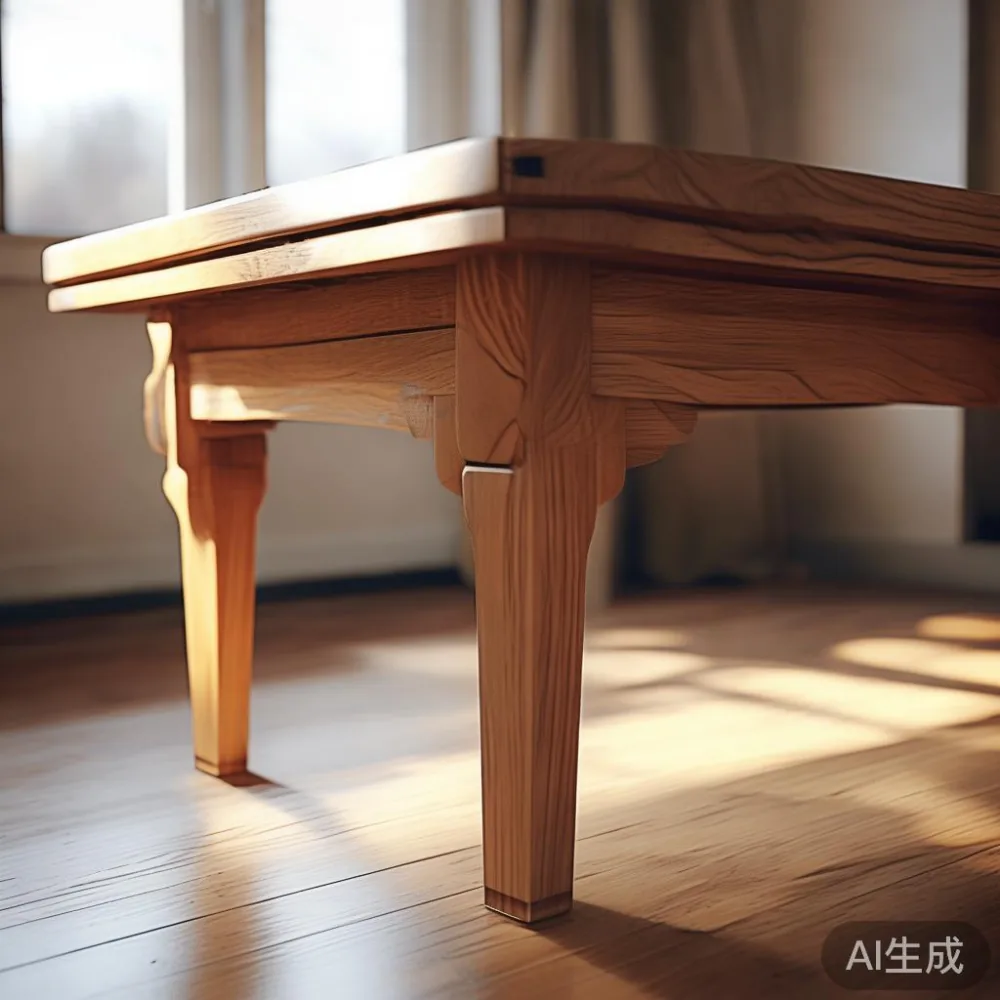
A sofa's comfort is fleeting if its structure fails. The frame is the skeleton, and its quality dictates the lifespan of your investment. When you can't sit on a sofa, you must interrogate its frame construction. Look for terms like 'kiln-dried solid wood' or 'hardwood frame'. Kiln-drying is a process that removes moisture from the wood, preventing it from warping or cracking over time, which is important in Singapore's humid climate. A well-constructed frame will use corner blocks and dowels for reinforcement, not just staples and glue. The frame thickness is also a key indicator. A frame made with wood that is at least 3 cm thick will provide superior stability compared to a 2 cm frame. This attention to detail is what separates a piece that lasts a decade from one that sags after a year. For instance, the difference between a standard particleboard bed frame and a solid wood bed frame is stark in terms of durability. Similarly, a sofa with a solid, solid wood frame will withstand daily use far better than one with a flimsy, engineered wood base. This is the foundation upon which all other elements rest, and it's a non-negotiable aspect of a quality purchase.
The Fabric Factor: Texture, Durability, and Aesthetics
Once the frame is sound, your attention turns to the 'skin' of the sofa: the upholstery. The fabric is what you see and what you touch, so its choice is paramount. Since you can't feel it in person, you must rely on detailed descriptions and swatches. Look for specific fabric names and weights. For example, 'linen' can vary greatly in texture and durability. A high-quality, heavyweight linen (around 300 gsm) will be more durable and less prone to wrinkling than a lighter, cheaper version. Performance fabrics are an excellent choice for Singaporean homes. Look for names like Sunbrella or Crypton, which are known for their stain, fade, and water resistance. These fabrics are treated to prevent spills from setting in, a practical feature for homes with children or pets. The weave and texture also affect the sofa's aesthetic. A tight, flat weave like that of a performance fabric offers a clean, modern look, while a looser, textured weave like bouclé adds a sense of casual luxury. Remember, the fabric must also work with the coffee table in your living room, creating a cohesive design. If you have a sleek marble coffee table, a smooth, structured fabric might complement it better than a chunky, textured one.

Style and Integration: Ensuring It Fits Your Home's Vibe
A sofa is a large object, and its style will dominate your living space. Buying it without seeing it in person requires a clear vision of your home's existing decor. Are you aiming for a minimalist, Scandinavian-inspired look? Perhaps a post-modern light luxury aesthetic with clean lines and neutral tones? Or a more relaxed American light luxury vibe with plush cushions and warm woods? The style of the sofa must harmonise with your other pieces. This is where understanding different design philosophies becomes important. For example, the difference between a Japanese sofa and a Mid-century modern sofa is significant. The former often features low profiles, simple forms, and natural materials, while the latter is characterised by tapered legs, bold shapes, and a retro feel. Knowing which direction you are heading in is important. You might ask yourself: how to style European light luxury sofa in room? The answer involves pairing it with complementary textures like brass accents and a marble table, and keeping the colour palette understated with creams, greys, and soft blues. A sofa that clashes with your existing dining table or wardrobe will feel out of place, no matter how comfortable it is.
The Practicalities of Ownership: Warranty, Delivery, and Returns
Beyond comfort and style, the practical aspects of ownership are just as important, especially when buying from an overseas or online brand. A 10-year structural warranty is a significant indicator of a manufacturer's confidence in their product. This warranty covers the frame, springs, and cushions, protecting you from defects that could render the sofa unusable. In Singapore, where a new sofa is a major expense, such a long-term guarantee provides peace of mind. Equally important is the delivery policy. Free shipping over a certain amount, like SGD 350, is a common perk that can save you a significant fee, as shipping large furniture within Singapore can cost SGD 100 or more. Check the estimated delivery time. A reputable company will provide a clear window, such as 14-21 business days, and offer tracking for your order. Finally, understand the return policy. A 14-day return window is standard, but the specifics matter. Who pays for the return shipping? Are there any restocking fees? A clear, customer-friendly return policy shows that the company stands behind its products. My colleague, Sarah, mentioned earlier, was impressed by her brand's offer of free returns, which made her decision much easier.
Building a Cohesive Living Space
While you are focused on the sofa, remember that it is just one piece of a larger puzzle. A successful living room design involves the interplay of multiple furniture items. When selecting your sofa, consider how it will interact with your coffee table, your dining table, and other pieces. A low-profile sectional might pair beautifully with a low-slung marble table, creating a unified, grounded look. Conversely, a sofa with high, prominent arms might require a taller coffee table to maintain visual balance. This is part of the broader question of how to style Japandi bed in room, where the principles of simplicity, natural materials, and functional harmony are applied to the entire space, not just one item. The same logic applies to the living room. The sofa you choose now should not dictate the style of your future wardrobe or nightstand. Opting for a timeless design, like a solid wood sofa with clean lines, ensures it will complement future additions, whether you decide to add an American wardrobe in apartment or a new dining table. This forward-thinking approach prevents your home from feeling disjointed and allows for a more organic evolution of your decor over time.
What About Assembly and After-Sales Support?
Another often-overlooked aspect of buying a sofa without seeing it is the assembly and the support you receive after it arrives. Some sofas arrive in a single, assembled piece, which is ideal if you have the space and a clear path to your home. However, many larger sofas, especially those designed for export, are delivered in a 'knock-down' or flat-pack format. This means you will need to assemble it yourself. The complexity of this assembly can vary greatly. Some sofas come with clear, step-by-step instructions and all necessary tools, while others can be a frustrating puzzle. Before buying, check if the product details mention 'easy assembly' or 'tool-free assembly'. Also, consider the weight of the individual components. A sofa with a solid wood frame might be heavy, even in parts, making assembly a two-person job. After-sales support is your safety net. What happens if a leg is damaged in transit, or a cushion loses its shape after a few weeks? A company with responsive customer service will resolve these issues quickly and efficiently. This level of support is just as important as the product itself, ensuring that your investment is protected long after the delivery truck has left.
How to Make the Final Decision Without a Physical Test
After gathering all the information—measurements, frame details, fabric specs, warranty, and delivery policies—you are faced with the final decision. How do you pull the trigger without the physical confirmation? The answer lies in meticulous research and trusting the data you've collected. Look for reviews from other buyers in similar situations. Did people who couldn't test the sofa in person still find it comfortable and well-made? Pay close attention to reviews that mention the specifics: 'the foam is exactly as described' or 'the frame feels very solid'. These are the most valuable testimonials. You should also consider the brand's reputation. A company like MIDHILL, which has been established since 2008 and exports to 15+ countries, has a proven track record. Their 10-year structural warranty and lifetime refinishing service are not just marketing points; they are commitments to quality that you can rely on. When you've done your homework, the decision becomes less of a leap of faith and more of a calculated choice. You are no longer buying a sofa you haven't sat on; you are buying a sofa that meets all your documented criteria for comfort, durability, and style.