The 5-Year Financial Reality Check: Veneer vs. Solid Wood Coffee Tables in Singapore
In the quiet residential streets of Tampines and the modern corridors of Bedok and Punggol condo buildings, a choice is quietly made in the living room. It rests between the legs of a coffee table, a piece of furniture that anchors the space. Homeowners weighing their options often face the dilemma of veneer versus solid wood. The initial price difference can seem significant, but what does the true cost look like over a full five-year period, factoring in durability, maintenance, and the realities of Singaporean living? This article moves beyond surface-level aesthetics to provide a detailed, numbers-driven comparison.
Understanding the Materials: Solid Wood and Veneer Defined
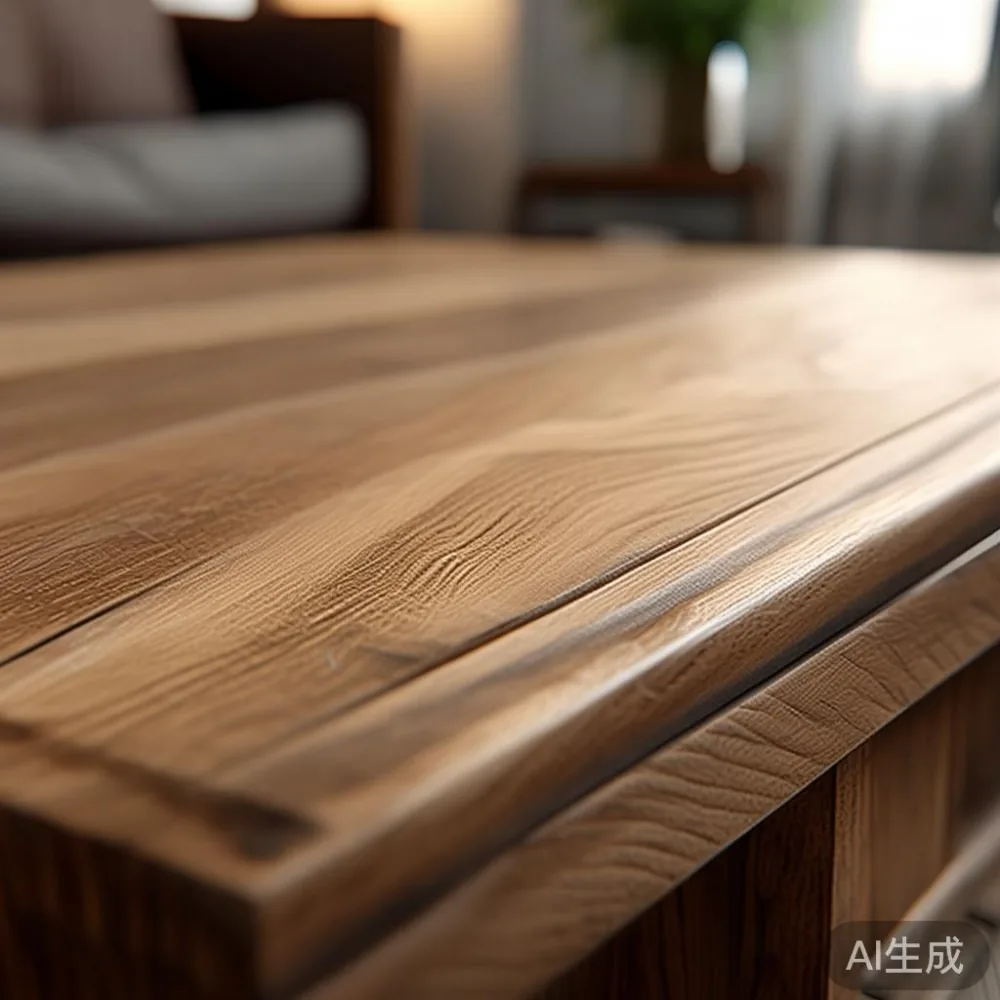
Before comparing costs, it is important to understand what these materials actually are. Solid wood coffee tables are constructed from a single piece of lumber or solid wood planks joined together. Common choices for Singapore's climate include teak, mango, and oak, known for their durability and natural beauty. A solid wood coffee table is a substantial piece of furniture; a standard model might measure 120 cm long, 60 cm wide, and 45 cm high, and weigh between 25 to 40 kg. This weight contributes to its stability and sense of permanence.
Veneer, on the other hand, is a thin layer of real wood applied over a base of engineered wood like MDF (Medium-Density Fiberboard) or plywood. The base provides structure, while the veneer provides the appearance of solid wood. A veneer coffee table of the same dimensions (120cm x 60cm x 45cm) will be significantly lighter, typically weighing between 15 to 25 kg. The core material is the primary determinant of its long-term performance. While veneer can be beautiful, its engineered wood core is more susceptible to environmental changes and physical stress than a solid wood structure.
Initial Investment: The Price Tag at Point of Purchase
The most immediate difference between solid wood and veneer coffee tables is the upfront cost. In Singapore, this price is quoted in Singapore Dollars (SGD) and is subject to the 9% Goods and Services Tax (GST). Let's examine the market prices for a typical 120cm coffee table from a reputable local retailer.
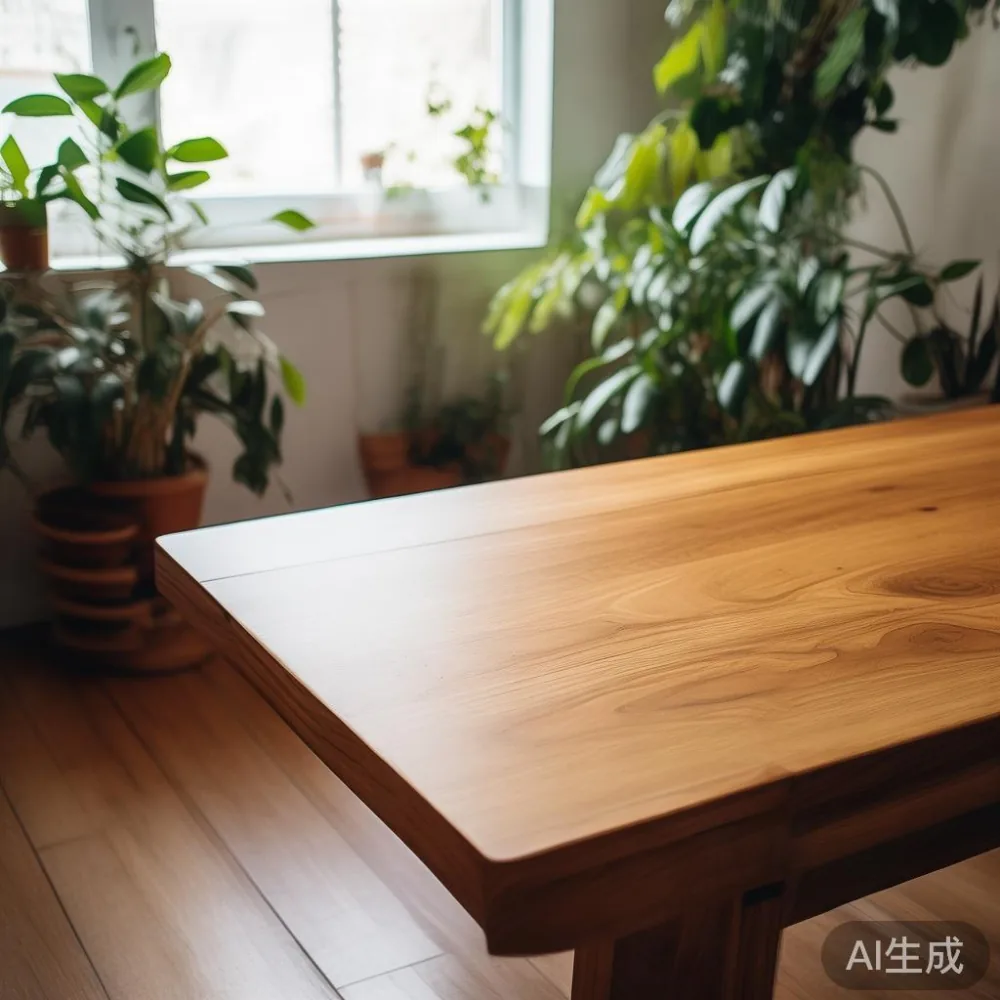
A solid wood coffee table, such as one crafted from mango or acacia wood, typically starts at around SGD 1,200 before GST. After the 9% tax is applied, the final price would be SGD 1,308. This investment reflects the cost of premium, sustainably sourced lumber and the skilled labour required to craft it. In contrast, a veneer coffee table with a similar design aesthetic might be priced at SGD 600 before GST. Adding the 9% GST brings the final cost to SGD 654. The veneer option presents an immediate saving of approximately SGD 654, which is a substantial difference for many households. This initial price advantage is often the primary reason consumers opt for veneer.
Long-Term Durability: A 5-Year Wear and Tear Analysis
The initial purchase price is only one part of the equation. A coffee table must withstand daily use for years. Singapore's unique environment, with its high humidity and reliance on air-conditioning, creates a challenging cycle of expansion and contraction for wood furniture. This is where the structural integrity of solid wood versus veneer becomes apparent.
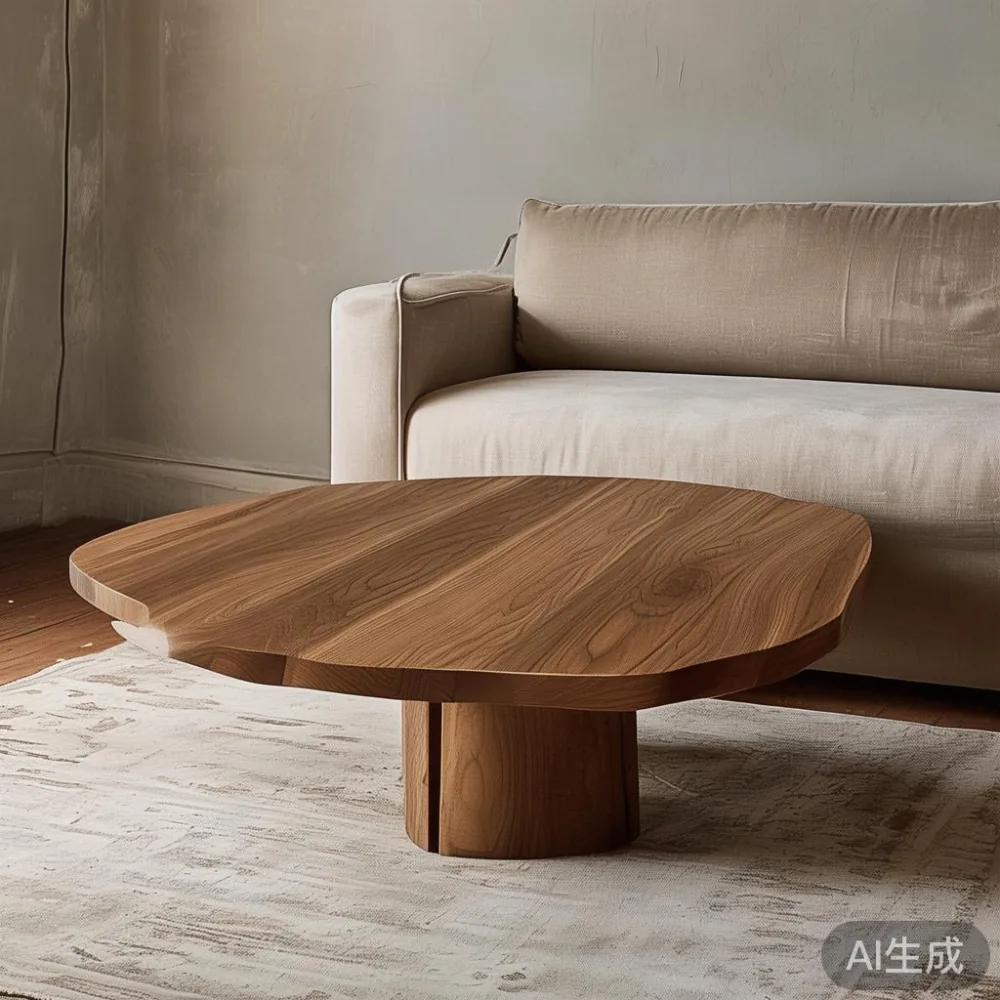
Solid wood is naturally more resistant to these environmental stresses. It expands and contracts as a single, cohesive unit. A well-made solid wood coffee table can last for decades without structural failure. Over five years, it may develop a natural patina, a softening of the sharp edges, and perhaps a minor scratch or two, but it remains fundamentally sound and stable. The structure remains intact, requiring no major structural repairs.
Veneer furniture, however, often reveals its true nature over time. The engineered wood core (MDF or plywood) is far more vulnerable to humidity. The constant cycle of humid air from open windows and dry, cold air from air-conditioning units causes the core to swell, warp, and weaken. This internal stress can cause the thin wood veneer to crack, bubble, or peel away from the surface. Within the first two to three years, a veneer coffee table in a Singaporean home might show signs of delamination at the corners or along the seams. By the five-year mark, the damage is often significant. The table may become wobbly, the veneer may have large sections peeling off, and the structural integrity of the core may be compromised. Repairing this damage is often impractical and costly, frequently leading to the need for complete replacement.
Is the Refinishing Guarantee a Real Lifesaver?
One of the most compelling arguments for solid wood furniture is its ability to be refinished. This is a key consideration for homeowners who value longevity and aesthetics. A solid wood coffee table can be sanded down and refinished multiple times over its lifespan, in effect restoring it to its original condition. This process removes scratches, stains, and the wear of daily life, giving the table a new lease on life.
Manufacturers like MIDHILL often offer a lifetime refinishing service, which is a proof of the confidence they have in their product's core material. This service can be invaluable. For example, if a solid wood coffee table develops a deep scratch or a water ring that cannot be buffed out, the owner can have it professionally refinished. The cost of this service, if charged separately, might range from SGD 200 to SGD 400, depending on the extent of the work. However, with a lifetime guarantee, this cost is often covered, making the table perpetually new.
Veneer coffee tables, unfortunately, cannot be refinished in the same way. Sanding a veneered surface is a high-risk procedure. Because the veneer is so thin (typically less than 1 mm), sanding can easily sand through it, exposing the engineered wood core underneath. Once the veneer is compromised, the table's appearance is permanently damaged. The only solution is to replace the entire piece of furniture. This is a critical long-term disadvantage that dramatically increases the total cost of ownership for veneer over a five-year period.
What About Transportation and Fit for Singapore Homes?
The logistics of furniture delivery in Singapore add another layer to the cost and convenience equation. Singapore's public housing, HDB flats, and condominiums have specific constraints, particularly in terms of lift sizes and corridor widths. A standard coffee table must work through these spaces to reach its final destination.
Delivery for a solid wood coffee table is a more involved process due to its weight. A 30 kg table requires two delivery personnel to handle safely. Professional delivery services typically charge a fee, often starting from SGD 50 for the first item and SGD 30 for each additional item within the same order. For a single coffee table, the delivery cost would be around SGD 50. However, many retailers offer free shipping for orders above a certain threshold. For instance, free shipping is often provided for orders over SGD 350, which a solid wood coffee table would easily meet.
A veneer coffee table, being lighter, might be handled by a single delivery person, potentially reducing the delivery fee slightly. However, the delivery cost is often similar as the base charge for the service remains. The real difference lies in the long-term value. The heavier solid wood table, once delivered, is less likely to be moved around frequently due to its weight, which can prevent accidental damage. The lighter veneer table might be shifted more often, potentially leading to accidents like bumps or falls, especially in homes with children or pets.
The Hidden Costs of Veneer: Repairs and Replacement
By year three or four, the veneer coffee table's initial cost savings begin to evaporate, replaced by the hidden costs of repair and, ultimately, replacement. As mentioned, veneer damage like peeling or bubbling is not easily fixed. A homeowner might attempt a DIY fix with wood glue, but this is often a temporary and unsightly solution. Professional repair services for veneer are rare and expensive, if they exist at all, as the damage is usually too extensive to be salvaged.
Let's model the costs. By year five, a veneer coffee table is often structurally unsound and aesthetically unappealing. The owner is forced to purchase a replacement. The cycle repeats: a new veneer coffee table costs SGD 654 (including GST). This means that over five years, the total cost of ownership for the veneer option is SGD 654 (initial purchase) + SGD 654 (replacement at year 5) = SGD 1,308. This is the same as the initial cost of the solid wood table, but without the benefit of a beautiful, stable, and refinishing-able piece of furniture.
Compare this to the solid wood coffee table. Its initial cost was SGD 1,308. Over five years, it may have accumulated some minor scratches. The owner might use the lifetime refinishing guarantee to have it professionally restored for a nominal fee or even for free, depending on the brand's policy. The total cost remains SGD 1,308, but the table is in excellent condition and will last for another 10, 15, or even 20 years. The financial advantage of solid wood becomes undeniable when viewed over a longer timeline.
Why Solid Wood is the Smarter, More Sustainable Choice for Singapore Living
When viewed through a five-year lens, the choice becomes less about initial price and more about total value and sustainability. A solid wood coffee table is an investment in quality and longevity. Its ability to withstand Singapore's humid climate, resist daily wear, and be restored through refinishing makes it a financially sound choice. The initial higher price is offset by the absence of replacement costs and the enduring value it provides to the home.
Also, solid wood furniture aligns with a growing preference for sustainable and mindful consumption. Choosing a piece that lasts for decades, rather than one that needs replacing every few years, significantly reduces waste. This principle extends to other furniture choices as well. A homeowner looking for the best Industrial wardrobe for 2026 would be wise to consider a solid wood construction for the same long-term benefits. Similarly, understanding how to choose Mid-century modern wardrobe involves recognising the quality of joinery and material, just as it does with a coffee table.
The concept of light luxury, whether it's French, American, or post-modern, is often built on a foundation of quality materials and craftsmanship. A solid wood coffee table fits perfectly within this light luxury aesthetic, offering a sense of understated elegance and permanence. This style is not just for homes; it's a principle applied in commercial spaces too, with designers often specifying light luxury for hotel interiors to create a sophisticated and durable atmosphere. When comparing options like a European sofa vs Japandi sofa, the material choice is a key differentiator in achieving the desired look and feel. The same applies to a European bed vs Mid-century modern bed; the material dictates the character and longevity of the piece. Even a functional item like a MIDHILL TV console benefits from solid wood construction, ensuring it remains a stylish and stable part of the living room for years to come.
To close, the five-year cost comparison reveals that a solid wood coffee table is not a luxury, but a practical and intelligent investment for the Singaporean home. It withstands the test of time and climate, avoiding the hidden costs of repair and replacement that plague cheaper veneer alternatives. It offers enduring beauty and value, making it the smarter choice for anyone looking to furnish their home with quality that lasts.