What Actually Drives the Price of Solid Wood Coffee Tables
When you walk into a furniture showroom in Singapore, the price difference between two solid wood coffee tables can be staggering. One might cost SGD 800 while another is listed at SGD 3,200. Both are made of wood, both have a flat surface, and both are designed to hold your coffee and magazines. So, what creates this vast gap? The answer is not a single factor but a complex interplay of material, craftsmanship, design, and logistics. Understanding these elements allows you to make an informed decision, ensuring your purchase is a long-term investment in your home, whether it's a compact HDB flat in Tampines or a spacious condo in Punggol.
Is a Solid Wood Coffee Table Worth the Extra Cost Over Veneer or Laminate?
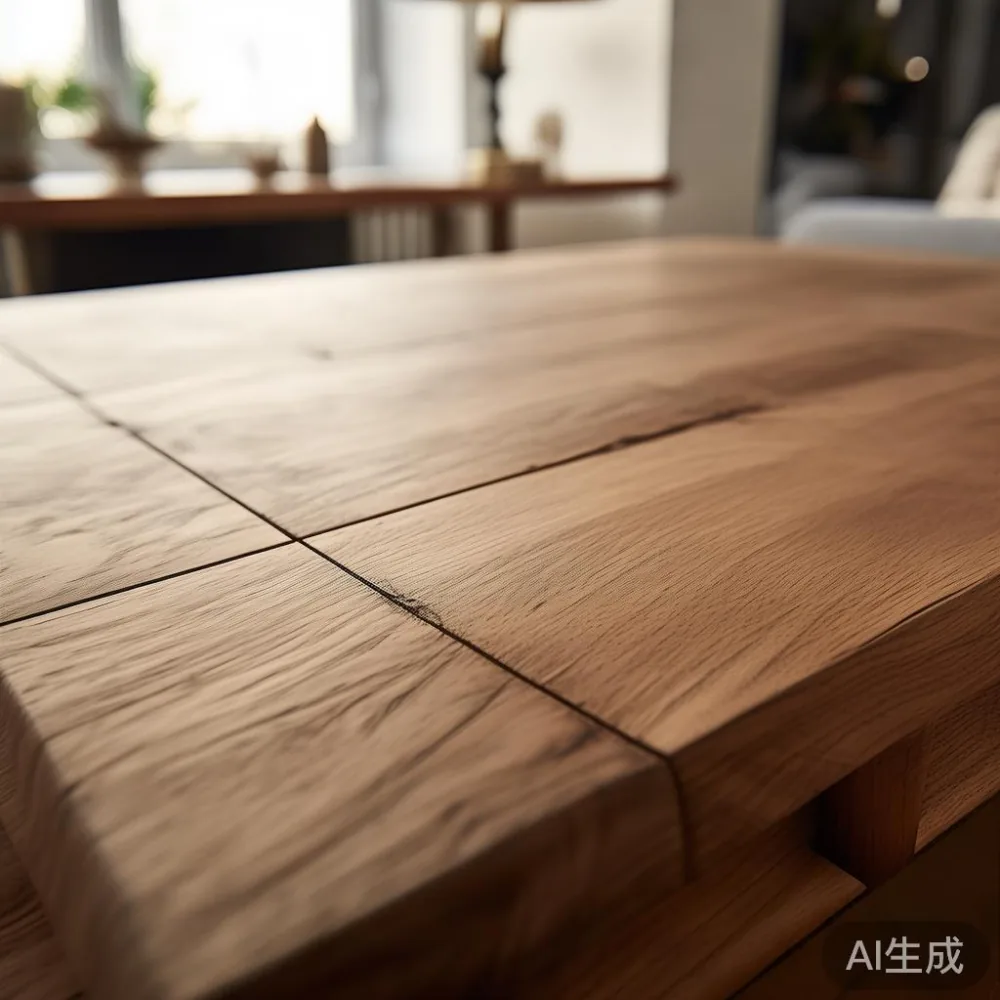
This is perhaps the most common question from buyers. The short answer is yes, but the value proposition is nuanced. A solid wood coffee table is built to last for decades. It can be sanded down and refinished multiple times, completely changing its appearance to match evolving decor. A laminate or veneer table, on the other hand, has a thin layer of material glued over a cheaper base. Once that surface is scratched or damaged, it cannot be repaired. The structural integrity of a solid wood piece comes from a single, continuous material that ages gracefully, developing a unique patina over time. For a family in a Bedok HDB, a coffee table that can withstand the daily activities of children and pets is a practical choice. For a young professional in a Punggol condo, the timeless appeal of a solid wood piece that never goes out of style is a key selling point. The initial higher cost is an investment in longevity and aesthetic permanence that cheaper alternatives simply cannot match.
Wood Species and Origin: The Foundation of Value
The type of wood used in a coffee table is the single most significant cost driver. Not all wood is created equal. Hardwoods, derived from deciduous trees, are denser, more durable, and more expensive than softwoods, which come from coniferous trees. Common hardwoods used in quality furniture include Oak, Walnut, Mahogany, and Teak. Oak, with its prominent grain and incredible strength, is a popular choice for a classic, rustic coffee table. A solid oak coffee table might weigh between 25 to 35 kilograms and cost between SGD 1,200 to SGD 2,500, depending on the size and design. Walnut, prized for its rich, dark colour and straight grain, often commands a premium. A smaller walnut coffee table could easily start from SGD 1,800. The origin of the wood also plays a role. Teak from Southeast Asia is valued for its natural resistance to moisture and insects, making it ideal for Singapore's humid climate. The price of a teak coffee table reflects this durability, often starting from SGD 1,500 for a standard size of 120cm x 60cm x 45cm. In contrast, a pine coffee table, a softwood, might be priced at SGD 600 to SGD 900. While beautiful, it is more susceptible to dents and scratches over time.
The Art of Craftsmanship and Joinery
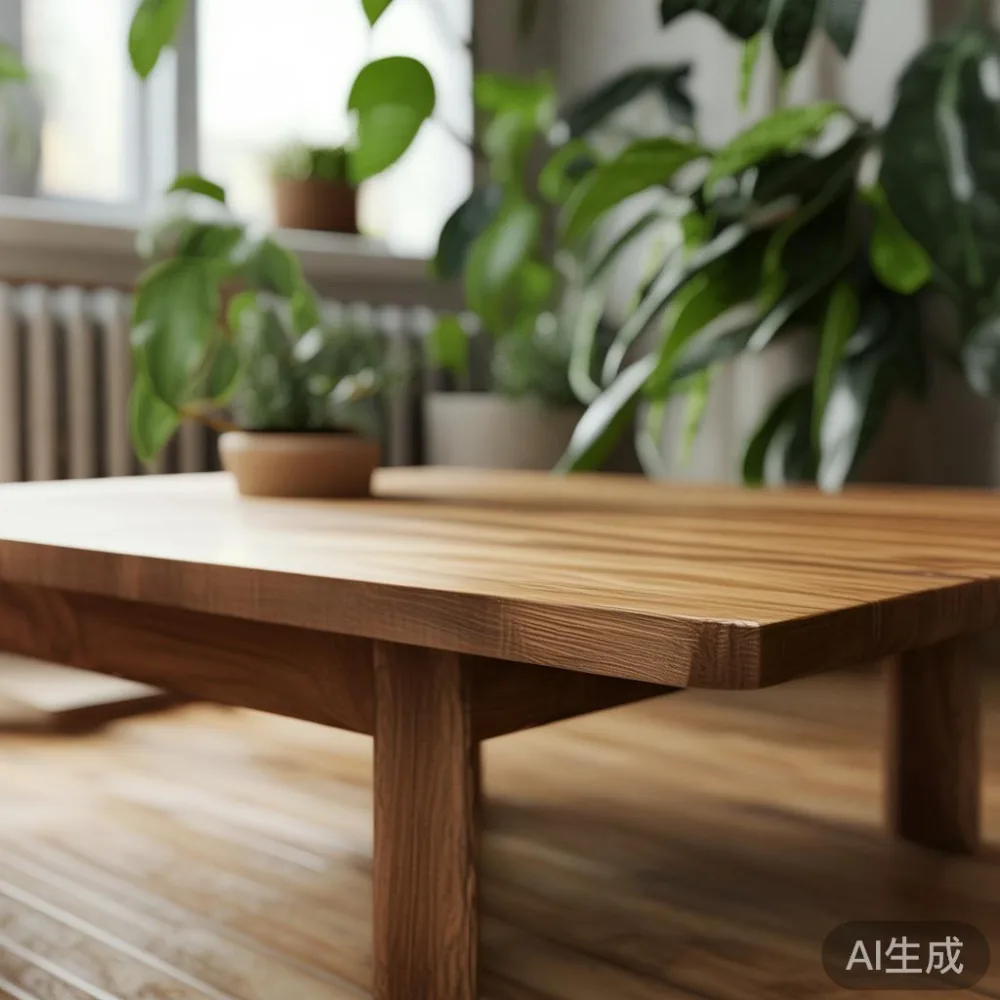
A solid wood coffee table is not just a plank of wood on four legs. The way it is constructed determines its stability, durability, and quality. This is where craftsmanship comes into play. The most solid and traditional method is joinery, where pieces of wood are fitted together without nails or screws. Common joints include dovetail joints for drawers and mortise and tenon joints for connecting table legs to the top. These joints create a strong, interlocking structure that can withstand the natural expansion and contraction of wood with changes in humidity. A coffee table built with these techniques by a skilled artisan will cost significantly more than one assembled with simple metal brackets or dowels. The finish is another critical aspect. A high-quality finish involves multiple steps of sanding, staining, and sealing with a protective lacquer or oil. This process not only enhances the wood's natural beauty but also protects it from daily wear and tear. A colleague of mine visited a workshop last month and noted that applying a single coat of premium lacquer can take up to 48 hours to cure properly, a time-intensive process that directly impacts the final price of the product.
Design Complexity and Brand Positioning
Design is not just about aesthetics; it's a reflection of complexity and brand philosophy. A simple, rectangular coffee table with clean lines is less expensive to produce than one with intricate carvings, tapered legs, or a live edge that follows the natural contour of the wood slab. Post-modern light luxury design, for example, often incorporates bold geometric shapes and mixed materials, which require more precise manufacturing and higher material costs. A coffee table with a solid wood base and a marble inset top is a prime example. The marble slab itself is a significant expense, and the process of securely mounting it onto the wooden frame adds labour and complexity. This type of design aligns with the French light luxury aesthetic, which emphasizes elegance and sophisticated detailing. The brand behind the table also influences the price. A company like MIDHILL, established in 2008, builds its reputation on quality and reliability. A coffee table from such a brand reflects the cost of their 10-year structural warranty and lifetime refinishing service, which are promises of long-term performance. You are not just buying a piece of furniture; you are buying peace of mind.
Hidden Costs: Logistics, Duties, and Local Factors in Singapore
The price tag on a coffee table in a Singapore showroom includes more than just materials and labour. It encompasses the entire journey of the product from the workshop to your living room. For a brand exporting from Foshan, China, to Singapore, logistics are a major component. This includes the cost of shipping a container, which can take 14 to 21 days, and the associated handling and transportation fees. Once the goods arrive in Singapore, they are subject to 9% GST, which is calculated on the landed cost of the product. This tax is then passed on to the consumer. Delivery within Singapore is another factor. While many brands offer free shipping for orders over SGD 350, smaller items or those in remote areas might incur a delivery fee of SGD 50 to SGD 100. The physical dimensions of the coffee table also matter. Singapore's HDB flats and condos often have narrow corridors and lifts. A large coffee table measuring 150cm x 80cm x 50cm might be difficult to manoeuvre. This can require specialised delivery services with smaller vehicles or additional manpower, adding to the final cost. The weight of the table is also a consideration; a solid marble coffee table can weigh over 60 kilograms, requiring careful handling to prevent damage to your home or the product itself.
Understanding the Market: From Minimalist to Modern Light Luxury
The furniture market in Singapore caters to a wide range of tastes and budgets. For those seeking a clean, uncluttered look, the top 10 Minimalist furniture often features coffee tables made from light-coloured woods like ash or birch, with simple, functional designs. These pieces focus on form and function, often eschewing ornate details in favour of straight lines and smooth surfaces. On the other end of the spectrum is the modern light luxury movement. This style incorporates high-quality materials like solid wood, marble, and tempered glass, combined with sophisticated design elements. A 2026 Modern light luxury furniture collection might showcase coffee tables with asymmetrical bases, hidden storage compartments, or integrated lighting features. The American bed vs Modern bed debate often spills over into living room furniture, with American styles favouring larger, more substantial pieces, while modern designs lean towards sleeker profiles. When considering a French for dining room, one might expect a similar elegance in the living room, with a coffee table that acts as a statement piece. The choice between these styles is personal, but each comes with its own price structure based on the materials and design complexity involved. For instance, a MIDHILL dining table would complement a coffee table from their European light luxury bed collection, creating a cohesive and sophisticated living space.
What About Long-Term Value and Warranty?
When evaluating the price of a solid wood coffee table, it's wise to look beyond the initial purchase and consider the total cost of ownership. A cheaper, mass-produced table might seem like a bargain initially, but it may need to be replaced in 5 to 7 years due to wear and tear. A high-quality solid wood table, on the other hand, can last for 30 years or more. This longevity makes it a more economical choice over time. This is where warranties become a critical differentiator. A brand offering a 10-year structural warranty is confident in the quality of its construction. This warranty covers defects in the frame, such as splits, breaks, or failed joints. It's a promise that the coffee table is built to last. Also, a lifetime refinishing service is a significant value-add. Over the years, the finish on your coffee table may become dull or scratched. Instead of buying a new table, you can have it professionally refinished, restoring it to its original beauty for a fraction of the cost of replacement. This service ensures that your coffee table remains a beautiful and functional part of your home for decades, adapting to your changing style while maintaining its structural integrity. For someone looking for a long-term solution and wondering where to buy wardrobe from MIDHILL for their master bedroom, the same principles of quality and warranty apply across their entire product line.
Final Considerations for Your Singapore Home
Choosing the right coffee table for your home involves balancing your aesthetic preferences with practical considerations. Measure your available space carefully, considering the width of your lift and the dimensions of your corridor. A coffee table that is 80cm wide is a standard fit for most Singapore living rooms, but in a compact HDB flat, a smaller 60cm or 70cm table might be more appropriate. Think about how you use the space. Do you need storage compartments for magazines and remote controls? Or do you prefer a minimalist surface for displaying decor? The weight of the table is also a practical concern, especially if you plan to move it frequently for cleaning or rearranging. A solid wood coffee table will be heavier than a veneer one, but its durability makes the weight a worthwhile trade-off. By understanding the factors that drive the price—from the type of oak used to the complexity of the joinery and the security of a 10-year warranty—you can move beyond the sticker shock and appreciate the true value of a well-made piece of furniture. It's an investment in your home, your comfort, and a piece of functional art that will be part of your life for years to come.