The True Cost of Your Coffee Table: A 5-Year Veneer vs. Solid Wood Analysis for Singapore Homes
In Singapore, where HDB corridors in Tampines are often just 1.2 metres wide and condo lift dimensions in Punggol can be tight, every piece of furniture must earn its space. A coffee table is more than a surface for a mug; it anchors a living room, withstands the daily hustle of family life, and quietly contributes to the home's aesthetic. With GST at 9% and prices in SGD, the decision between a veneer and a solid wood coffee table is not just about initial cost—it's about a long-term investment in your home's value, durability, and style. This analysis breaks down the 5-year financial and practical implications of each choice, helping you make an informed decision for your Singapore flat or condo.
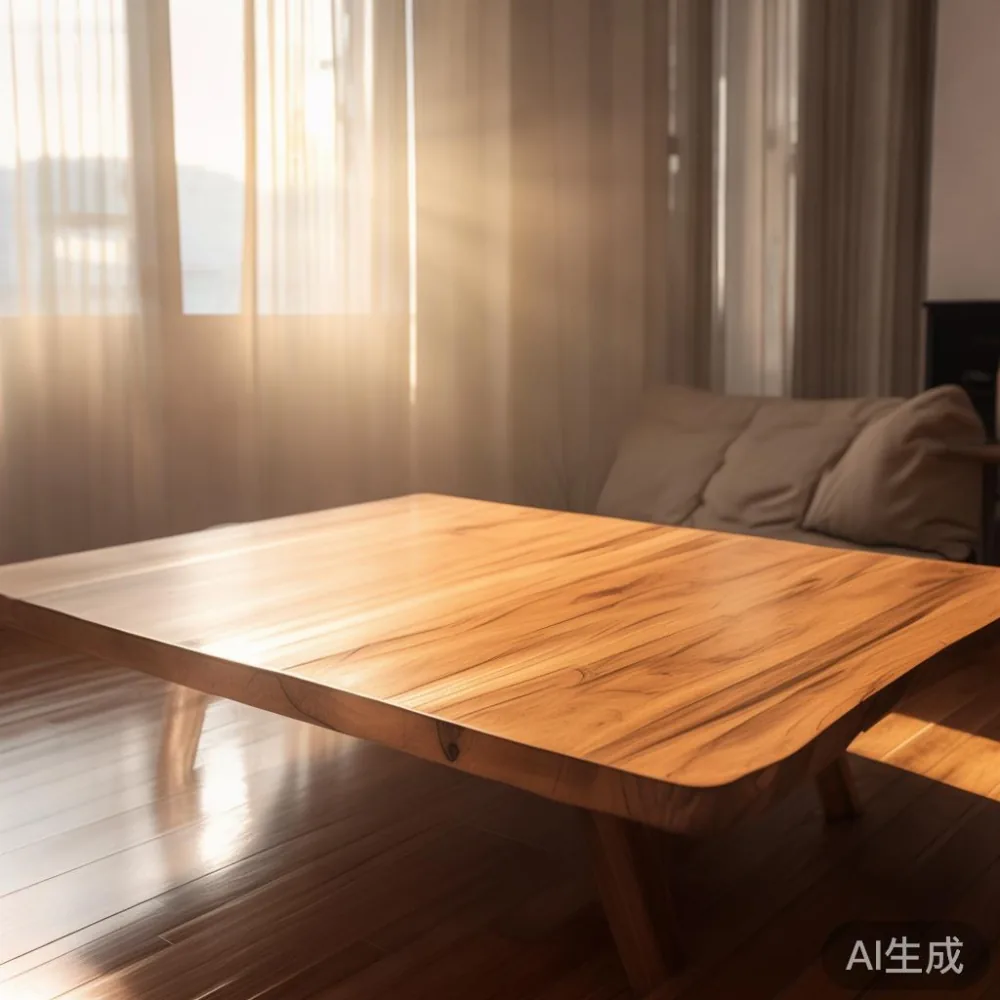
What's the Real Difference Between Veneer and Solid Wood Coffee Tables?
At its core, the distinction lies in construction. A solid wood coffee table, like those crafted by MIDHILL from Foshan, is made from a single, solid piece of wood or assembled from solid wood planks. You can see the grain run through the edges, the legs, and the top. It's honest, tangible, and ages gracefully, developing a patina that tells a story. A veneer coffee table, on the other hand, uses a thin slice of real wood (the veneer) glued onto a substrate, which is typically a composite material like MDF (Medium-Density Fiberboard) or particleboard. This substrate is designed to be stable and lightweight, making it easier to manufacture and ship. While a high-quality veneer can look beautiful on the surface, its structure is fundamentally different. The choice between them sets the stage for everything that follows: cost, durability, and the very character of your living space.
Initial Purchase Price: The Upfront Investment
The price difference is the most immediate factor. A veneer coffee table is almost always the more affordable option at the point of sale. You can find a stylish veneer coffee table in Singapore for around SGD 450 to SGD 800. This price point is attractive, especially for young families in Bedok or first-time condo owners who are furnishing on a budget. The lower cost is driven by the materials—MDF and particleboard are inexpensive, and the veneer application is a well-established, cost-effective manufacturing process.
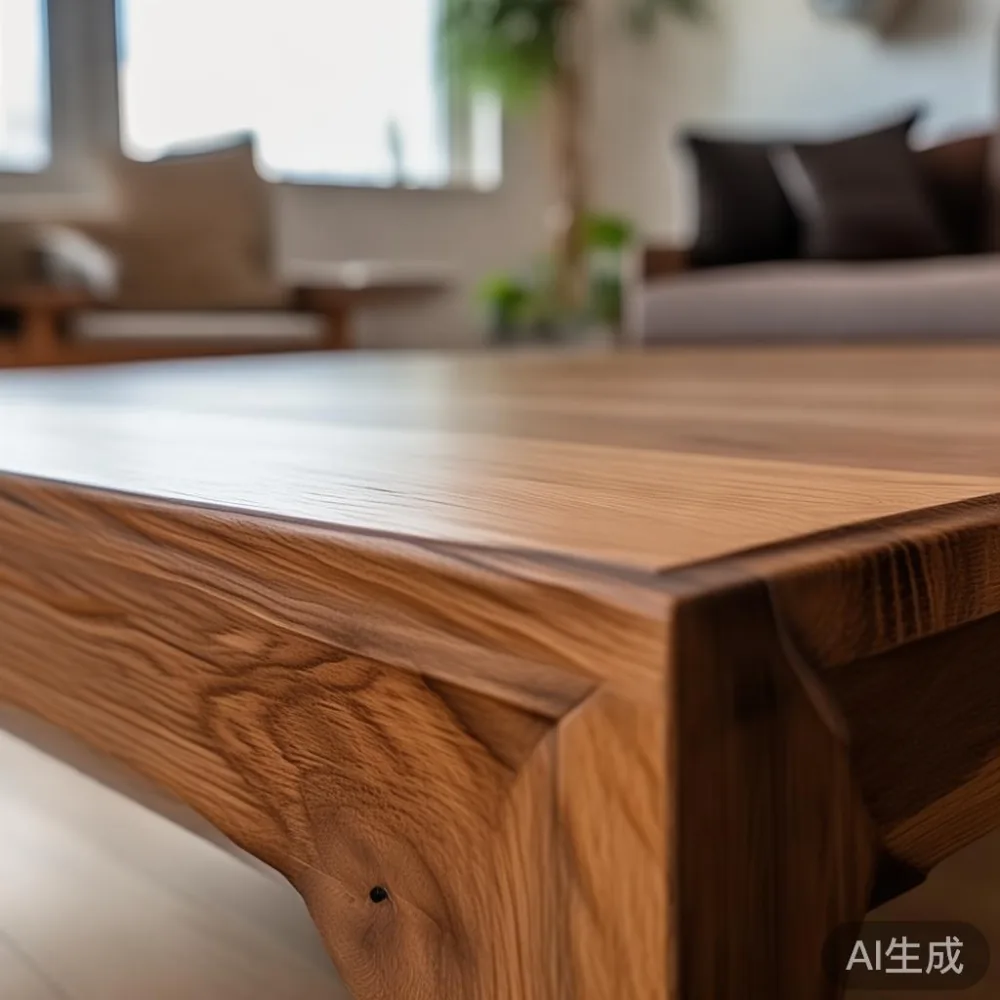
A solid wood coffee table commands a higher initial price. For a well-made piece, you should budget between SGD 1,200 and SGD 2,500. This reflects the cost of the raw timber itself, which is a premium material, and the skilled labour required to craft it. The joinery, the sanding, and the finishing all contribute to a higher price tag. However, this initial outlay is not just an expense; it's the foundation of a long-term value proposition. A solid wood coffee table is an investment in a piece that can potentially last for decades, not just five years.
Longevity and Durability: The 5-Year Test
This is where the true cost begins to emerge. A veneer coffee table's lifespan is heavily dependent on its quality and how it's treated. The primary vulnerability is the substrate. MDF and particleboard are susceptible to moisture. A spilled drink that isn't wiped up immediately can cause the substrate to swell and warp, causing the veneer on top to bubble, crack, or peel. This is a common failure point. After 3 to 5 years of use in a humid Singaporean climate, many veneer coffee tables show signs of wear. The edges, which are often the thinnest part of the veneer, can chip, revealing the composite material underneath. Legs can become wobbly as the substrate joints weaken. Repairing a damaged veneer is difficult and often costly, sometimes requiring a complete re-facing, which can cost almost as much as a new table.
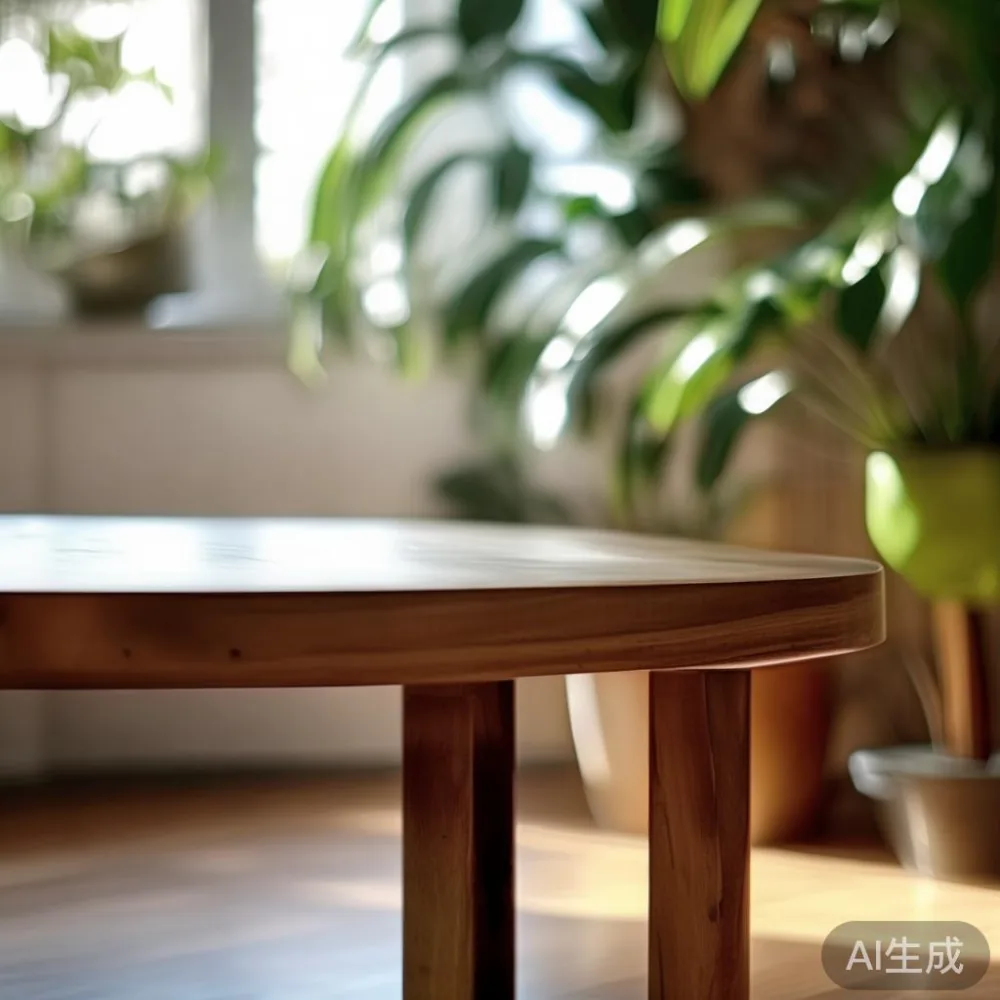
A solid wood coffee table, by contrast, is built to endure. Solid timber is naturally more resistant to moisture, especially when properly finished. It can handle the occasional spill better, and minor scratches and dings can be sanded out and refinished, restoring the table to its original condition. My colleague, who lives in a Tampines HDB flat, bought a solid wood coffee table 7 years ago. He mentioned that his young son once drew on it with a permanent marker. He simply used fine sandpaper to remove the mark and reapplied the wood oil. The table looks as good as new. This kind of resilience is a key advantage. A high-quality solid wood coffee table will not just survive the 5-year mark; it will thrive, becoming a more beautiful piece of furniture with age.
Repair and Maintenance Costs: The Hidden Expenses
The initial price is only part of the story. Maintenance and repair costs add up significantly over five years. A veneer coffee table requires gentle care. You must avoid abrasive cleaners and be extremely cautious with liquids. If the laminate or veneer begins to lift, a simple repair kit from a hardware store might not work well, as it's hard to match the grain and finish. Professional repair is often the only option, and it can be expensive, sometimes reaching SGD 300 to SGD 500 for a partial re-glazing and refinishing. If the substrate itself fails, the coffee table is usually beyond economical repair and must be replaced.
Solid wood furniture has a distinct advantage here. It is designed to be maintained. A solid wood coffee table can be periodically refreshed with a coat of furniture oil or wax, a simple task that costs under SGD 50 every couple of years. More significant damage, like a deep scratch or a water ring, can often be repaired by a professional furniture restorer. For a coffee table, this might cost SGD 150 to SGD 300, which is a fraction of the cost of replacing the entire piece. This ability to be repaired and restored is a critical factor in its long-term value, ensuring your investment is protected year after year.
Resale Value: What's Your Coffee Table Worth After 5 Years?
When it's time to redecorate or move, the resale value of your furniture becomes a financial consideration. A 5-year-old veneer coffee table has virtually no resale value. It is considered used, dated, and potentially damaged. The composite materials make it difficult to transport or refurbish to a standard that buyers would accept. On the resale market, it might be given away for free or sold for a nominal SGD 50, if at all. It has become a disposable item.
A solid wood coffee table tells a different story. Because of its durability and timeless appeal, it holds its value remarkably well. After 5 years, you could reasonably expect to sell a well-maintained solid wood coffee table for 40% to 60% of its original purchase price. A piece that cost SGD 1,800 might sell for SGD 700 to SGD 1,000 on platforms like Carousell or in second-hand furniture shops. This retained value significantly offsets the initial higher cost. It transforms the coffee table from a depreciating asset into a financial one that contributes to your next home furnishing budget.
How Do Veneer and Solid Wood Coffee Tables Fit Singaporean Living Spaces?
The physical characteristics of these tables matter in Singapore's specific living contexts. Veneer coffee tables are often lighter and can be made with thinner profiles to suit smaller spaces. This can be a plus for compact HDB living rooms or studio apartments. However, their lighter construction can sometimes feel less substantial and stable. A solid wood coffee table, while heavier, offers a sense of permanence and quality. Its solid presence can anchor a room, making a space feel more complete and well-appointed. For those exploring design trends like Coastal for small living room aesthetics, a light oak solid wood coffee table can provide the necessary warmth and texture without overwhelming the space. The weight is also a benefit in a high-rise condo; a solid table is less likely to slide or tip over accidentally.
Is a Solid Wood Coffee Table Really Worth the Extra Money?
This is the question every Singaporean homeowner asks. The answer depends on your priorities. If your primary concern is the lowest possible initial price and you are willing to accept a 5-year lifespan before replacing the coffee table, then a veneer table might meet your needs. It gets the job done for a lower upfront cost. However, if you view furniture as a long-term investment in your home's comfort, style, and value, then a solid wood coffee table is unequivocally the smarter choice. The higher initial cost is offset by its superior durability, lower long-term maintenance costs, and significant resale value. Over a 5-year period, the total cost of ownership for a solid wood coffee table is often comparable to, or even less than, repeatedly replacing a cheaper veneer one. It is a purchase that enriches your daily life and adds genuine value to your property.
Looking Ahead: Trends in Furniture for 2026
The global furniture market is always evolving, and Singaporean tastes are increasingly sophisticated. The trend is moving towards pieces that offer both beauty and longevity. We are seeing a rise in demand for 2026 light luxury furniture, which emphasizes clean lines, premium materials, and understated elegance. This aesthetic is less about opulence and more about curated quality. A solid wood coffee table fits this trend perfectly. Its natural grain and honest construction are hallmarks of light luxury. As consumers become more aware of sustainability and the cost of replacement, the value of solid wood furniture is only set to increase. For those searching for under 2000 Japanese furniture or exploring top 10 Japandi furniture lists, they will find that the most respected and long-lasting pieces are invariably made from solid wood. It is a material that transcends fleeting trends, ensuring your coffee table remains a stylish and functional part of your home for years to come.