The Ultimate Guide to Buying a Sofa You Cannot Sit On: A Singapore Perspective
In the world of online furniture shopping, a common dilemma arises: how do you make a significant purchase like a sofa when a physical test is impossible? This is a reality for many in Singapore, where showrooms are limited and online browsing is the norm. The challenge is magnified in our unique living spaces—HDB flats with standard doorways and condo corridors in areas like Tampines and Bedok, which require precise measurements to work through. This guide provides a detailed, practical framework for evaluating a sofa remotely, ensuring your investment in a new piece of furniture is sound, comfortable, and perfectly suited to your home.

Why Buying a Sofa Without Sitting on It is a Common Singaporean Reality?
For residents of Singapore, especially those in newer HDB developments like Punggol or established estates in Tampines, the convenience of online shopping is undeniable. The city-state's compact living spaces mean that furniture delivery is a frequent necessity. However, the lack of extensive physical showrooms for every brand means consumers often rely on digital catalogues. This is particularly true for those seeking specific styles like French light luxury or post-modern light luxury furniture, which may not be readily available in local stores. The decision to buy a solid wood sofa or a designer Italian light luxury furniture piece online is often driven by a desire for a particular aesthetic that outweighs the inability to physically test the product. The question then becomes: how can you be confident in your choice without the traditional sit-test?
What are the Critical Dimensions for Singaporean Homes?
The most critical factor when buying a sofa you cannot sit on is ensuring it fits your space. In Singapore, this means understanding the specific constraints of your home. A standard HDB flat door opening is typically 80 cm wide, while a condominium corridor might be only 120 cm wide. Your new sofa must pass through these spaces. This is where precise measurements become non-negotiable. You need to know not just the sofa's width, depth, and height, but also the dimensions of its individual components if it comes in sections. For instance, a 3-seater sofa might be 220 cm wide, but if its armrests are 15 cm deep, the total depth could be 95 cm, which might be too wide for your living room. Always measure your available space, including the area around the sofa for walking paths. Remember to account for the coffee table, which should be about 45-50 cm high to match the sofa seat and leave enough legroom underneath. A marble table or a simple wooden coffee table can significantly impact the perceived size of your seating arrangement.

How Can You Assess Comfort from a Distance?
While you can't physically feel the sofa, you can gather substantial information about its comfort by examining its construction. The quality of a sofa is often determined by what's hidden beneath the fabric. A high-quality solid wood sofa frame is the foundation of durability. Look for descriptions mentioning hardwood frames like oak or beech, which are more resistant to warping than softwoods. The cushioning is another key indicator. A sofa with high-density foam (35 kg/m³ or higher) will offer better support and last longer than one with low-density fill. Down-wrapped cushions provide a luxurious, plush feel, while a combination of foam and down offers both support and comfort. Ask the retailer about the seat depth; a depth of 55-60 cm is generally comfortable for most adults. You can also infer comfort from the style. For example, a European sofa vs Nordic sofa often presents a choice between a softer, more enveloping form and a firmer, more structured one. Understanding these stylistic differences can help you choose a sofa that aligns with your preferred level of comfort, even without sitting on it.
What Materials and Construction Details Should You Investigate?
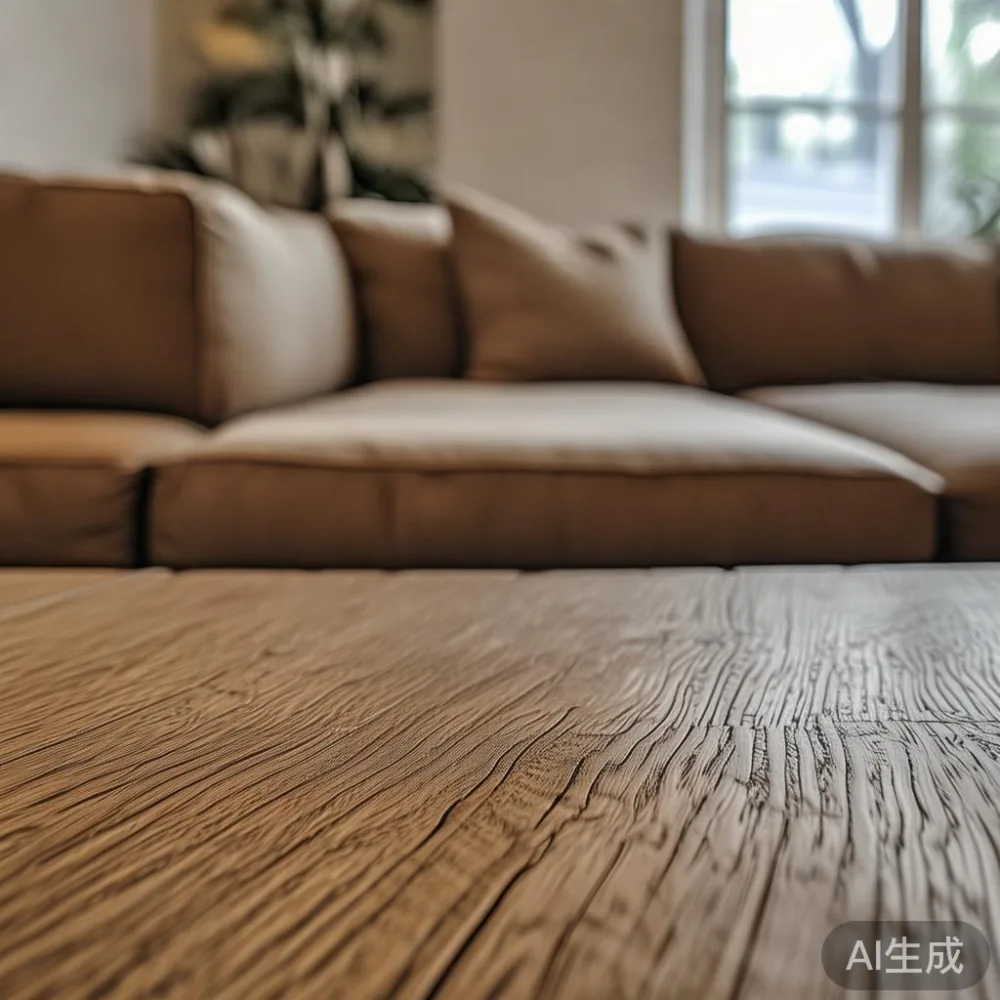
The materials and build quality of a sofa are directly linked to its longevity and appearance. When browsing online, pay close attention to the product descriptions for keywords like 'solid wood', 'hardwood frame', and 'premium upholstery'. A solid wood frame, such as one used in a MIDHILL light luxury bed, indicates a piece built to last. For upholstery, consider the material's durability and feel against the skin. Linen and cotton are breathable but can wrinkle easily, while polyester blends are more stain-resistant. The stitching is another detail to examine. Look for tight, even stitching on the seams, which suggests a higher-quality construction. The legs of the sofa, whether they are solid wood or metal, should be sturdy and securely attached. A well-constructed sofa will feel substantial, not flimsy. For those interested in a cohesive look, consider how the sofa complements other pieces like a dining table or a wardrobe. The finish on the wood should be consistent and smooth, free of any rough patches or bubbles in the paint or varnish. These details, though small, are indicators of the quality and care put into the piece.
Are Online Reviews and Brand Guarantees Reliable Indicators?
In the absence of a physical showroom, online reviews and brand policies become your most trusted allies. Look for reviews from customers in Singapore who have already handled the delivery process. They can provide invaluable insights into how the sofa fits through HDB doors or condo lifts. Pay attention to comments about the packaging, the delivery team's professionalism, and the final assembly process. A brand's warranty is another critical factor. A 10-year structural warranty, for example, is a strong commitment to quality, suggesting the manufacturer is confident in their product's durability. Policies like a 14-day return window offer a safety net, allowing you to return the item if it's not as described. Free shipping over a certain amount, such as SGD 350, is also a significant benefit, reducing the cost of your purchase. My colleague recently purchased a large sofa online from a brand offering a lifetime refinishing service. While he was initially hesitant, the combination of a clear warranty and positive reviews from other Singaporean homeowners gave him the confidence to proceed. The sofa arrived perfectly and has been a staple in his Bedok apartment for over a year, a proof of the reliability of thorough research.
How Does the Aesthetic and Style Fit into Your Home?
Choosing a sofa is not just about function; it's about style and how it integrates with your existing decor. When you can't sit on it, the visual and tactile description becomes paramount. Are you drawn to the clean lines and neutral palettes of top 10 Minimalist furniture, or do you prefer the ornate details of French light luxury? The product photos and videos are your primary tools here. Look for high-resolution images that show the sofa from multiple angles, close-ups of the fabric texture, and the wood grain of the legs. Consider the colour and how it will interact with your walls, flooring, and other furniture pieces like a nightstand or a marble table. The style of the sofa should complement other elements in your room. For example, a post-modern light luxury sofa with its geometric forms would pair well with a sleek, contemporary coffee table. Visualise the sofa in your space. Think about how the light will hit the fabric and how the piece will look during the day versus at night. This aesthetic consideration is just as important as the physical dimensions, as the sofa will be a central feature of your living area for years to come.
What is the True Cost of Ownership Beyond the Price Tag?
The price of a sofa is just one part of the total cost of ownership. In Singapore, you must also factor in the Goods and Services Tax (GST), which is currently 9%. This means a sofa listed at SGD 2,000 will actually cost SGD 2,180 at checkout. Delivery is another expense, although many brands offer free shipping over a certain threshold, such as SGD 350. Consider the delivery timeline as well. A standard delivery might take 7 to 14 business days, but custom or international pieces could take longer. For instance, a best Scandinavian bed for 2026 might have a longer lead time due to its design origin. Think about the long-term value. A well-made solid wood sofa is an investment that can last for decades. In contrast, a cheaper, poorly constructed sofa might need to be replaced in just a few years. The cost of refinishing or repairing a low-quality piece can quickly add up. A brand that offers lifetime refinishing, like some high-end makers, provides peace of mind and protects your investment over time. Weigh the initial cost against the longevity and warranty offered to determine the true value of your purchase.
Can You Trust the Brand's Reputation and Ethical Practices?
When making a significant purchase online, the reputation of the brand is a important consideration. A company's history and values can tell you a lot about the quality of its products and its commitment to customer satisfaction. For example, a brand established in 2008 with a history of exporting to 15+ countries likely has the experience and expertise to manage a complex supply chain and meet international quality standards. This global presence often implies a higher level of accountability. Investigate the brand's ethical practices. Do they use sustainable materials? Is their manufacturing process transparent? While a brand like Wuhan Lingzhan might be a specific manufacturer, the principle is to look for companies that are open about their production methods. A reputable brand will provide clear information on its website about its sourcing, materials, and labour practices. This transparency builds trust and ensures that your purchase aligns with your personal values. You can also check for third-party certifications or awards that recognise the brand's commitment to quality and design. A company that invests in its reputation is more likely to stand behind its products with strong warranties and customer service.