Styling a Small Singapore Apartment Around the Coffee Table
I spent the last four weekends inside Tampines and Bedok flats, measuring corridor turns, lift doors, and the gap between a 3-seater solid wood sofa and a television console. The brief from every owner I spoke with was identical: make the room feel larger, calmer, and slightly more grown-up, without buying more things. The answer, almost every time, starts with the piece of furniture most people treat as an afterthought: the coffee table.
Singapore HDB and condo units in the 75 to 110 sqm range are not small by local standards, but they feel small once a 220 cm solid wood sofa, a 1.8 m bed frame, and a six-seat dining table all compete for the same air space. A well-chosen coffee table, between 90 and 120 cm long, 50 to 60 cm wide, and 38 to 42 cm tall, can absorb the visual clutter that usually lives on the floor: trays, magazines, remote controls, candles, the rolled-up NTUC voucher envelope. Get that single piece right, and the rest of the room finally breathes.
Why the Coffee Table Runs the Whole Living Room
Most Singapore living rooms measure 3.2 m to 4.0 m between the television wall and the sofa back. Push a 130 cm solid wood coffee table into that gap and you instantly lose 30 cm of walking room, which is also the width of a Bishan-to-Toa-Payoh corridor when you are carrying a new lamp home. Pull the table down to 100 cm, lift it on a slim 4 cm steel or solid ash base, and the same room feels 10 sqm larger to the eye.
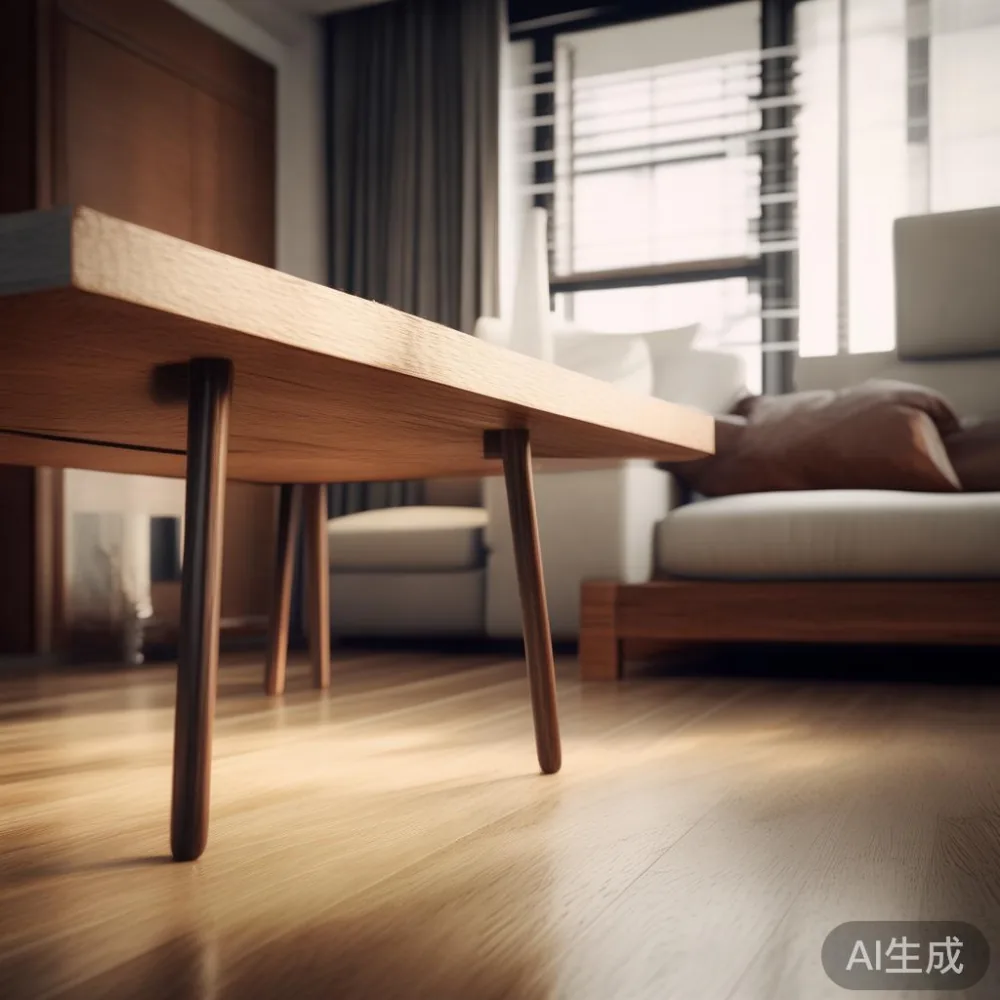
Round tables under 80 cm in diameter are useful in tight L-shaped layouts in newer Punggol BTOs, where the sofa floats in the middle of the room. The curve removes the shin-bruise risk that rectangular corners create, which matters when a child is running from the aircon vent to the kitchen. Round marble tables, however, are heavier: a 70 cm Carrara top with a metal base runs 28 to 34 kg, so measure your lift door before you order one. A standard HDB passenger lift opening is roughly 80 cm wide, and the cabin depth is around 1.4 m, which is fine for a marble table but tight for a pre-assembled 180 cm wardrobe.
What Coffee Table Shape Works for a Compact HDB?
After dragging six different tables into a 90 sqm four-room flat in Bedok Reservoir, the ranking was clear. A 100 x 55 cm rectangular solid oak table with a lower shelf gave the most usable surface in the least floor area. An 80 cm round marble table came second, mostly because it softened the look of a long, narrow living room. A nested pair (60 cm + 45 cm) ranked third, useful only if you actually pull the smaller one to the armchair when reading.
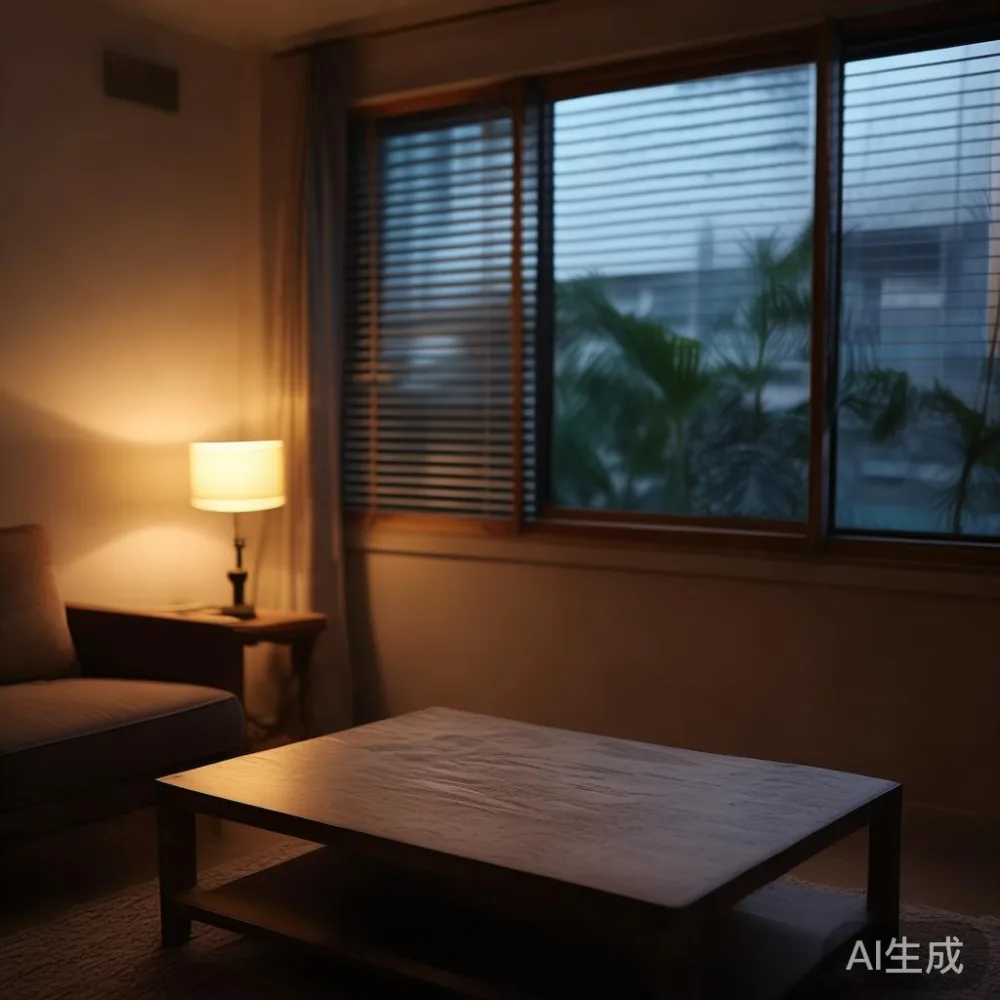
Height matters more than shape. The standard seat height of a Singapore-made solid wood sofa is 42 to 45 cm. Your coffee table should sit 2 to 4 cm below that line, so cups stay level and you do not need to lift your shoulder to reach a drink. Anything above 46 cm starts to feel like a desk, which kills the lounge feeling that defines a living room. Anything below 35 cm disappears behind the sofa and becomes a footrest by accident.
Finish weight matters too. Dark walnut absorbs light and makes a 3.4 m wide wall feel shorter. Light oak, ash, or a pale travertine-finish marble table reflects the downlights and pushes the wall away from you. In a Tampines GreenRidges flat I visited last month, swapping a dark 120 x 60 cm table for a pale 100 x 55 cm oak version made the same sofa look 15 cm deeper from across the room, a small change with an outsized effect.
How Do You Style a Coffee Table Without Creating Clutter?
The honest answer is to give every object a 30 x 30 cm zone and to leave at least one zone empty. A 100 x 55 cm table fits exactly four zones of that size, which is the upper limit for a small HDB living room. Three zones styled, one zone left bare, reads as calm. Five zones styled reads as a flea market.
Use the tray trick: a 35 x 25 cm leather or solid wood tray in the centre holds the daily mess (keys, AirPods, a candle) and gives you permission to clean the room in 20 seconds by lifting one object instead of ten. Underneath the tray, leave the wood bare so the eye rests. Stack two hardcover books no taller than 22 cm in another zone. Add one living thing: a 12 cm ceramic vase with two stems of eucalyptus or a small pothos in a 10 cm pot. That is the entire styling formula for a Singapore HDB living room that does not want to feel crowded.
Marble tables demand less, not more. The veining is already a pattern, so resist the urge to cover it. A single brass tray and one book is enough. If you have a MIDHILL TV console in the same room, keep the console styling even quieter: one sculptural object, one plant, closed cabinet doors below. The eye should travel from table to console in one calm sweep, not stop at every shelf.
What Is the Right Furniture Mix Around a Small Coffee Table?
Anchor one wall, float one piece, and leave two corners empty. That is the rule I now use after watching a Punggol owner crowd four corners with a wardrobe, a nightstand, a tall plant, and a floor lamp. The room looked like a furniture showroom and felt like a wardrobe.
Anchor wall. Place your solid wood sofa against the longest wall, leaving 90 to 100 cm of walking space behind it. In most HDB layouts this means the wall opposite the kitchen, which also keeps the television cable run short.
Floating piece. The coffee table floats 40 to 45 cm from the sofa edge, centred on the television, not centred on the rug. If you use a rug, size it so the front legs of the sofa sit on it and the coffee table sits fully on it: a 200 x 280 cm rug is the usual minimum for a 220 cm sofa. Anything smaller looks like a bath mat.
Empty corners. Two corners stay empty or hold one slim floor lamp each (under 25 cm base diameter). A reading chair is fine in the third corner if the room is over 95 sqm. The fourth corner stays bare so light from the window can travel across the floor without interruption.
For the rest of the apartment, repeat the same logic. A solid wood bed frame in the main bedroom should leave 60 cm on both sides of the mattress for walking; if it does not, drop to a queen (152 x 188 cm) instead of a king (183 x 188 cm). The nightstand should be no deeper than 40 cm so it does not bump the wardrobe door. A six-seat dining table in a 90 sqm home is usually a mistake: a 140 x 80 cm four-seater, or a 160 x 80 cm extendable to 200 cm, seats the same family in 30 percent less floor space and leaves room for a sideboard that actually gets used.
Is a Japandi Wardrobe Worth It for a Compact Bedroom?
The short answer is yes, if you measure before you buy. A Japandi wardrobe pairs a solid ash or oak carcass with paper-shoji or fluted glass panels, and it reads lighter than a full slab door because the eye sees through the joints. In a 12 sqm HDB bedroom, that visual lightness is worth roughly one extra metre of perceived depth. The catch is the 2 to 4 cm thicker side panel, which can eat into the walking gap between the wardrobe and the bed.
For owners working out how to style Japanese wardrobe in bedroom without overpowering the room, the rule is contrast: pair the light timber wardrobe with a darker linen headboard, or pair a dark wardrobe with pale cotton bedding. Same timber top-to-bottom flattens the wall. Many buyers also ask whether a Japandi wardrobe is worth the SGD 350 to SGD 600 premium over a flat laminate version; in my view it is, because the doors are the part you touch every day for the next 10 to 15 years, and solid hinges on engineered timber outlast cheaper hardware by a wide margin.
Which Other Pieces Anchor a Light-Luxury Living Room?
Light luxury is a mood, not a price tag. French light luxury leans on curves, brass feet, and pale upholstery; American light luxury leans on boxier silhouettes, walnut, and club-chair geometry; post-modern light luxury mixes the two with a single sculptural accent chair in bouclé or velvet. In a small Singapore flat, one accent chair does the work of three accessories, so spend the budget there instead of on a fifth cushion.
A solid wood sofa in pale fabric, an Italian light luxury accent chair in the corner, and a low marble table in the middle form a triangle the eye can read in under a second. Designer Italian light luxury furniture tends to weigh 35 to 60 kg per piece, so check your lift again before you commit. The same triangle, built from lighter engineered timber and bouclé, weighs 22 to 28 kg per piece and survives a 90 cm lift door with room to spare.
If you want a coordinated set, consider a MIDHILL solid wood sofa paired with the matching coffee table and a MIDHILL TV console in the same timber. The repetition of grain ties the room together, which is the single strongest trick for making a small space feel intentional rather than crowded. The set is finished in low-VOC water-based lacquer, which matters in aircon-only homes where windows stay closed for 18 hours a day.
How Much Should You Budget for a Calmer Living Room in Singapore?
A realistic 2026 budget for a 90 sqm HDB living room, including goods and services tax at 9 percent, looks roughly like this:
- Solid wood three-seater sofa, 210 to 230 cm: SGD 2,400 to 4,200.
- Coffee table, solid oak or marble top, 100 to 120 cm: SGD 480 to 1,150.
- Italian light luxury accent chair: SGD 1,100 to 2,800.
- TV console, solid timber, 180 to 200 cm: SGD 850 to 1,900.
- Dining table, solid wood, 140 to 160 cm: SGD 1,300 to 2,600.
- Bed frame, queen, solid ash or walnut: SGD 1,100 to 2,200.
- Wardrobe, 180 to 240 cm, sliding doors: SGD 2,200 to 5,800 depending on internal spec.
- Two nightstands: SGD 360 to 720.
- Two rugs (living, bedroom), 200 x 280 cm and 160 x 230 cm: SGD 480 to 1,100 combined.
- Lighting: floor lamp, table lamp, ceiling fixture: SGD 320 to 740.
The grand total sits between SGD 10,500 and SGD 23,000 before installation. Free shipping usually kicks in above a 350 USD threshold, which is roughly SGD 470, so most full-room orders ship without a delivery surcharge. White-glove delivery inside Singapore typically runs 7 to 14 working days for in-stock pieces and 35 to 55 days for made-to-order timber items; the longer lead time is the price of solid wood over veneer.
Which 2026 Buys Are Worth Waiting For?
If you are still in research mode, three categories reward patience. The best Scandinavian bed for 2026 is likely to be a low-platform queen in white-oiled ash with a curved headboard, sitting 28 to 32 cm off the floor; that height frees up the wall above it for art or a narrow shelf. The best Industrial wardrobe for 2026 trends toward blackened steel frames with recycled timber panels and fluted glass, a combination that handles HDB humidity better than the all-steel industrial pieces sold a decade ago.
For dining, post-modern light luxury dining tables in pale travertine-look sintered slabs (120 x 70 cm, 38 kg) are easier to lift and clean than real marble, and they handle the warm, sticky air of a Singapore afternoon without staining. Pair one with two slim chairs and a bench instead of four matching chairs, and you keep six seats in a 160 cm footprint.
What Should You Measure Before You Click Buy?
Three numbers save you from a return: lift door width, corridor turn radius, and final resting place. The lift door is the easiest: 80 cm clear opening rules out anything wider than 78 cm fully assembled. The corridor turn is harder: HDB corridors are 1.2 to 1.5 m wide, and a 90-degree turn loses 40 to 60 cm of usable length to the corner radius. A 200 cm piece in flat-pack form usually fits; a 220 cm pre-assembled wardrobe rarely does.
Once inside, measure doorways between rooms (usually 80 to 90 cm) and the diagonal of the final room. A 180 x 60 cm wardrobe will not fit through a 90 cm doorway if the corridor on the other side turns sharply. Photographed floor plans help, but a tape measure is faster.
Where Do Refinishing and Warranty Actually Matter?
Singapore humidity sits at 70 to 90 percent for most of the year, and UV through west-facing windows fades timber in 18 to 24 months if the lacquer is thin. A piece backed by a 10-year structural warranty and a lifetime refinishing service is not a luxury; it is a hedge. The cost of one in-home refinishing job (sanding, re-lacquering, colour adjustment) is roughly SGD 280 to SGD 480 per piece, so over 15 years the math favours buying once and refinishing twice over buying twice.
For pieces that arrive with a slight colour mismatch against your existing solid wood sofa or dining table, a good maker will tint the new lacquer on site during delivery or send a touch-up kit within 14 days. Check that policy before you pay, because mid-tone timber photography online runs warmer or cooler than the actual sample by 10 to 15 percent about half the time.
A Simple Plan You Can Use This Weekend
Step one: empty the current coffee table completely and live with a bare surface for three days. Step two: bring back only what you actually touched during those three days. Step three: place those items inside one 35 x 25 cm tray and one stack of two books. Step four: add one plant. Step five: measure the gap to the sofa, the lift door, and the nearest power socket. Step six: order the smallest table that fits all three measurements and the styling plan above. A small Singapore apartment does not need more furniture; it needs fewer, better-chosen pieces, with a coffee table that earns its 100 x 55 cm of floor space.