The Humidity Challenge for Coffee Tables in Singapore's HDBs and Condos
The humid climate of Southeast Asia, with its persistent high moisture levels, creates a unique set of challenges for owners of solid wood furniture. For residents in Singapore's HDB flats and condominiums, from the corridors of Tampines to the living rooms of Punggol, this isn't just a minor inconvenience—it's a significant factor in preserving the beauty and integrity of home furnishings. A coffee table, often the centerpiece of a living area, is particularly vulnerable. This article provides a detailed examination of how humidity affects solid wood coffee tables and offers practical advice for ensuring their longevity in the local environment.
Understanding the Science: Wood and Humidity in the Singapore Context
To understand the impact, we must first look at the science of wood. Solid wood is a hygroscopic material, meaning it naturally absorbs and releases moisture from the air. In Singapore, the relative humidity consistently hovers between 70% and 90%, far exceeding the ideal 40-50% range for most furniture. This constant exposure to moisture causes the wood fibers to absorb water, leading to expansion. When the humidity drops, the wood releases moisture and contracts. This continuous cycle of expansion and contraction, known as movement, is the primary culprit behind many common furniture issues.
Last month, I visited a client's apartment in a Bedok HDB. She had purchased a beautiful solid wood coffee table from a local retailer six months prior. The table, made of teak, was showing clear signs of distress. The central panel, a single piece of wood measuring 120 cm by 60 cm, had developed a noticeable warp, rising by as much as 1.5 cm in the middle. The drawer, which had once slid smoothly, now stuck intermittently. The owner was concerned, and rightly so. This visual and functional degradation is a direct result of the humid environment her furniture was forced to endure daily.
Common Humidity-Related Problems for Coffee Tables
The effects of high humidity on a coffee table can manifest in several ways, ranging from subtle aesthetic changes to severe structural damage. Being aware of these problems is the first step toward prevention.
- Warping and Cupping: This occurs when different parts of the wood expand at different rates. A tabletop can cup, with the edges rising higher than the center, or it can warp, twisting along its length. This not only looks unsightly but can also make placing items on the table unstable.
- Cracking and Splitting: As wood expands, it can place immense stress on its joints and structure. Over time, this pressure can lead to cracks developing along the grain or, more severely, the wood splitting apart, especially at stress points like the legs or apron.
- Sticking Drawers and Doors: The solid wood components of a coffee table's drawers can swell in the high humidity. When the swollen wood rubs against the frame, it causes the drawer to stick, making it difficult to open and close smoothly.
- Finish Damage: The protective lacquer or oil finish on a coffee table can be compromised by humidity. In extreme cases, moisture can seep through microscopic cracks in the finish, causing the wood underneath to become stained or discolored. The finish itself can also become cloudy or develop a white, hazy appearance.
Practical Maintenance Strategies for Your Coffee Table in Singapore
Maintaining a solid wood coffee table in Singapore requires a consistent and proactive approach. It's about creating a micro-environment around your furniture that mitigates the effects of the broader climate.
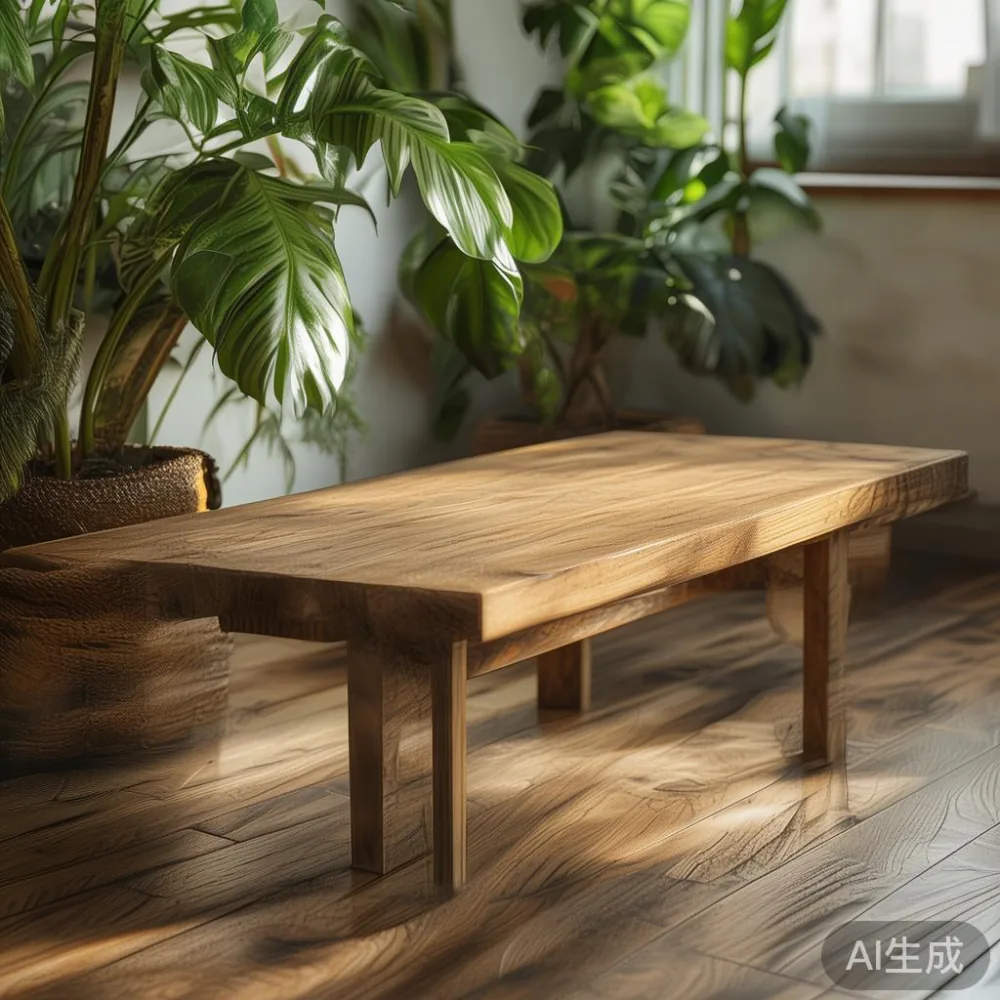
First, consider the placement of your coffee table. Avoid positioning it directly in front of an air-conditioning vent, as the rapid, cold air can cause the wood to contract too quickly. Similarly, keep it at least one meter away from large windows where it will be exposed to direct sunlight, which can heat the wood unevenly. A stable temperature and humidity level are key.
For many Singaporean homes, especially those without a dedicated dehumidifier, using a moisture absorber is a simple and effective solution. Products like Damprid or silica gel packs can be placed discreetly in a drawer or on a shelf underneath the coffee table. These products can absorb up to 300 ml of excess moisture before needing to be replaced, helping to maintain a drier microclimate around the furniture.
Regular cleaning is also paramount. Dust can trap moisture against the wood's surface. Use a soft, dry microfiber cloth to wipe down your coffee table twice a week. For a deeper clean, use a wood-specific cleaner applied with a cloth wrung out almost completely. Never pour liquid directly onto the table. Cleaning removes dust and prevents the buildup of grime that can hold moisture against the wood grain.
How Does Humidity Specifically Damage Solid Wood Coffee Tables?
While the general effects of humidity on wood are well-known, coffee tables have specific vulnerabilities that set them apart from other furniture pieces. Their design and function make them uniquely susceptible to the humid conditions found in Singapore.
A coffee table's large, flat surface area is its primary point of vulnerability. A solid wood top, for example, measuring 150 cm by 75 cm, presents a vast area for moisture absorption. This large panel is more likely to experience cupping or warping than a smaller surface. The central panel, in particular, is often a single, wide board that expands and contracts more dramatically than narrower boards joined together. This movement can stress the frame and legs, leading to loose joints over time.
Also, the function of a coffee table exposes it to a variety of humidity sources. A cold glass placed directly on the wood can create a ring of condensation, introducing a concentrated amount of moisture to one spot. Spills from drinks or food, if not wiped up immediately, can seep into the wood grain. Even the simple act of placing a potted plant on the table can lead to prolonged moisture exposure from watering.
Consider the logistics of Singaporean living. Moving a coffee table into an HDB flat often involves working through narrow lift cars, typically measuring 110 cm by 110 cm, and corridors that can be as narrow as 120 cm. This means furniture is often handled in tight spaces, increasing the risk of minor bumps or scrapes. When the wood is already swollen from humidity, its surface is softer and more prone to damage, turning a minor incident into a noticeable ding or scratch.
Why Solid Wood Construction Makes a Difference for Coffee Tables
When facing the humidity challenge, the choice of material is critical. Engineered wood, such as MDF or particleboard, is often marketed as a cheaper alternative, but it performs poorly in humid environments. These materials are made by binding wood fibers with resin under heat and pressure. When exposed to high humidity, the resin can break down, and the boards can swell, warp, and even disintegrate. A coffee table made from MDF might last only a few years in a Singaporean home before showing significant structural failure.
In contrast, a solid wood coffee table, like those offered by Midhill, is constructed from a single piece of wood or solid wood planks. This construction allows the wood to move naturally with changes in humidity. While it will still expand and contract, a well-made solid wood piece is designed to accommodate this movement without cracking or losing its structural integrity. The joinery, such as mortise and tenon or dovetail joints, is crafted to flex slightly, preventing the stress that would break a glued joint in an engineered wood piece.
Investing in a high-quality solid wood coffee table is an investment in longevity. The initial cost is higher, but the durability and the ability to be refinished multiple times mean the piece can last for decades. For a family in a Punggol condominium, a solid wood coffee table purchased for SGD 1,800 can become a treasured heirloom, whereas an engineered wood alternative might need to be replaced within 5 to 7 years, proving to be a less economical choice in the long run.
Is a Solid Wood Coffee Table Right for Your Singapore Home?
Given the challenges posed by Singapore's climate, a potential buyer might reasonably ask: is a solid wood coffee table the right choice for my home? The answer depends on your priorities regarding aesthetics, longevity, and maintenance.
If you value natural beauty and the unique character that solid wood offers, then yes, it is an excellent choice. The rich grain patterns and warm texture of a solid wood coffee table, like one from the Midhill collection, can bring a sense of organic elegance to a living room. The patina that develops over time, as the wood reacts to its environment, adds to its charm and tells a story.
However, it is not a 'set it and forget it' piece of furniture. A solid wood coffee table requires a level of care that laminate or metal furniture does not. You must be committed to the maintenance routines outlined earlier: regular dusting, careful cleaning, and mindful placement. For some, this extra effort is part of the pleasure of owning fine furniture. For others, it may be an unwanted chore.
Ultimately, the decision comes down to a trade-off. A solid wood coffee table demands more attention but offers unparalleled beauty, durability, and the potential for a lifetime of use. When considering the GST and the cost of furnishing a home, it's wise to view furniture as a long-term investment. A well-cared-for solid wood coffee table is an investment that will continue to provide value and enjoyment for many years, far outlasting cheaper alternatives.
Concrete Specifications and Warranty Considerations
When selecting a coffee table, it's important to look beyond the design and scrutinize the specifications and warranty. This is where a manufacturer's commitment to quality becomes evident.
For instance, a high-quality solid wood coffee table should feature thick, solid wood planks for its top. A thickness of at least 3 cm is recommended to prevent warping. The legs should be substantial, with a diameter of at least 6 cm, to provide stable support. The joinery should be visible and solid, not hidden by cheap plastic or metal fittings. The finish should be a multi-layered lacquer or a high-quality oil that penetrates the wood to provide deep protection, rather than a thin surface film that can easily be damaged.
A warranty is a critical indicator of a manufacturer's confidence in their product's ability to withstand environmental stressors. A 10-year structural warranty, such as the one offered by Midhill, provides peace of mind. It covers defects in materials and workmanship, including issues that might arise from the natural movement of wood in response to humidity. This long-term assurance is something that brands selling cheaper, non-durable furniture cannot match. It’s a promise that your coffee table is built to last, a promise that is especially valuable in a demanding climate.
| Feature | High-Quality Solid Wood Coffee Table | Lower-Quality Engineered Wood Coffee Table |
|---|---|---|
| Top Thickness | 3-4 cm solid wood | 1.5-2 cm MDF or veneer |
| Leg Construction | Solid wood, mortise & tenon joints | Screwed-on legs, plastic fittings |
| Humidity Performance | Expands/contracts naturally, resists warping | Swells, warps, and can disintegrate |
| Warranty | 10-year structural warranty | 1-2 year limited warranty |
| Lifespan | 20-50+ years with care | 3-8 years |
Styling Your Coffee Table for Singaporean Living Spaces
A coffee table is more than just a functional piece; it's a design statement that can define the style of your living room. In Singapore's diverse homes, from compact HDBs to spacious condos, the right coffee table can improves the entire space.
For those who appreciate clean lines and minimalist aesthetics, a post-modern light luxury coffee table is an excellent choice. These pieces often feature geometric forms, a mix of materials like solid wood and metal, and a neutral color palette. A coffee table with a dark walnut base and a brushed brass inlay can complement a modern sofa beautifully, creating a sophisticated and uncluttered look that feels both open and inviting.
If your living space is styled with an American sofa, the coffee table should harmonize with it. An American sofa often emphasizes comfort and a relaxed, lived-in feel. Pairing it with a solid wood coffee table that has a rustic, hand-finished surface can create a warm, welcoming atmosphere. The organic texture of the wood contrasts nicely with the plush upholstery of the sofa, adding a touch of nature to the room.
For a more opulent touch, consider a coffee table with a marble top. The cool, smooth surface of marble provides a stunning visual contrast against the warm grain of the solid wood base. This combination is a hallmark of French light luxury design, bringing a sense of classic elegance to a contemporary home. In a condo with high ceilings, a substantial marble-topped coffee table can anchor the room and serve as a true centerpiece.
Understanding how to choose a Japandi wardrobe can also influence your coffee table selection, as the two should share a cohesive design language. The Japandi style blends Japanese minimalism with Scandinavian functionality. A coffee table in this style would be low-profile, made from light-colored wood like oak or ash, and feature simple, functional design elements. It would be perfectly at home in a Punggol HDB where space is maximized through clean, uncluttered design.