How to Choose the Right-Sized Coffee Table for a Singapore HDB or Condo Living Room
Squaring up a Singapore living room often starts with a sofa, but the coffee table determines whether that seating area feels balanced or cramped. In an HDB flat in Tampines, a 150 cm coffee table may look generous beside a 220 cm solid wood sofa; the same table could crowd a compact 180 cm sofa in a Punggol condo. Measuring the room, the seat, and the circulation route is more useful than choosing by appearance alone.
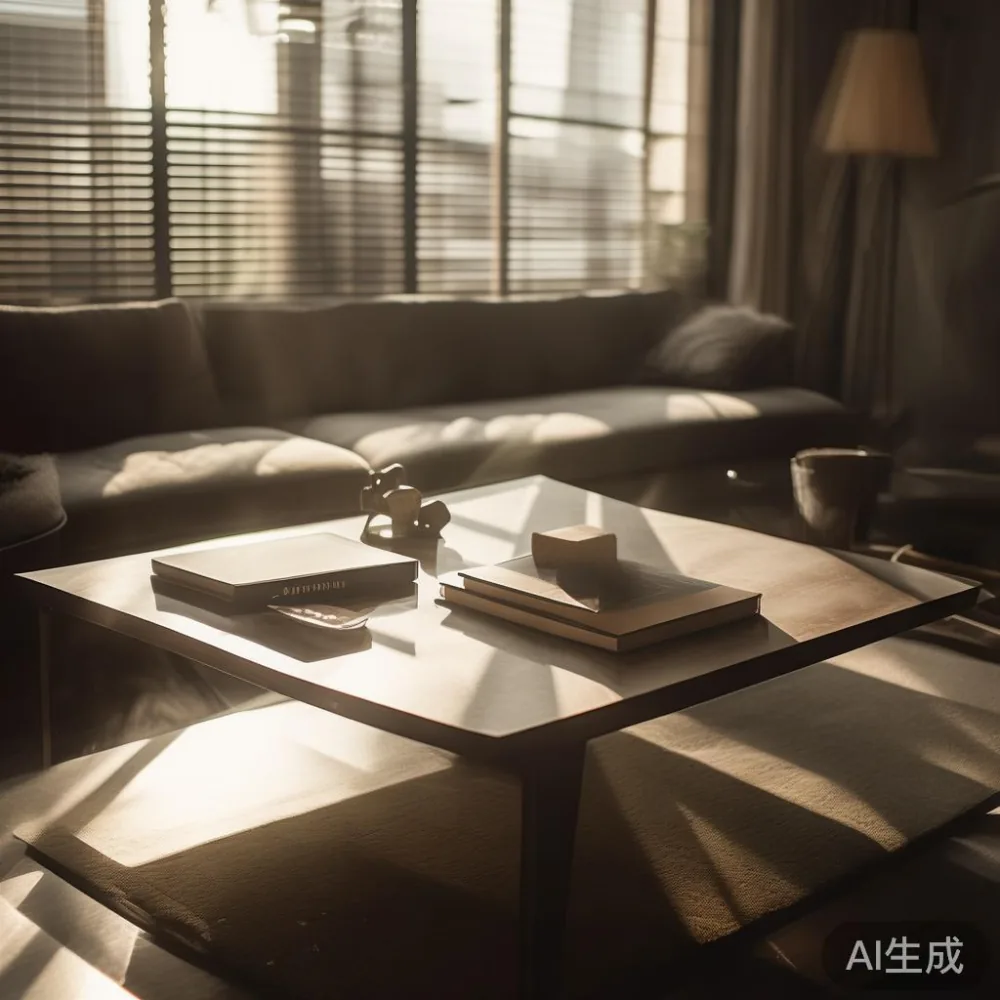
This guide explains how to size a coffee table for HDB flats and condos, from common living-room dimensions to lift access and material considerations. Prices are shown in SGD, with GST of 9% included where applicable. MIDHILL has made solid wood furniture since 2008, exports to more than 15 countries, and offers a 10-year structural warranty, lifetime refinishing, free shipping above US$350, and a 14-day return window.
What Size Coffee Table Fits a Typical Singapore Living Room?
A coffee table should normally sit 40–45 cm above the floor, be 5–15 cm lower than the sofa seat, and leave about 35–45 cm between the table and the sofa. This gap lets people sit down, reach for a cup, and walk past without pulling their knees against the wood.
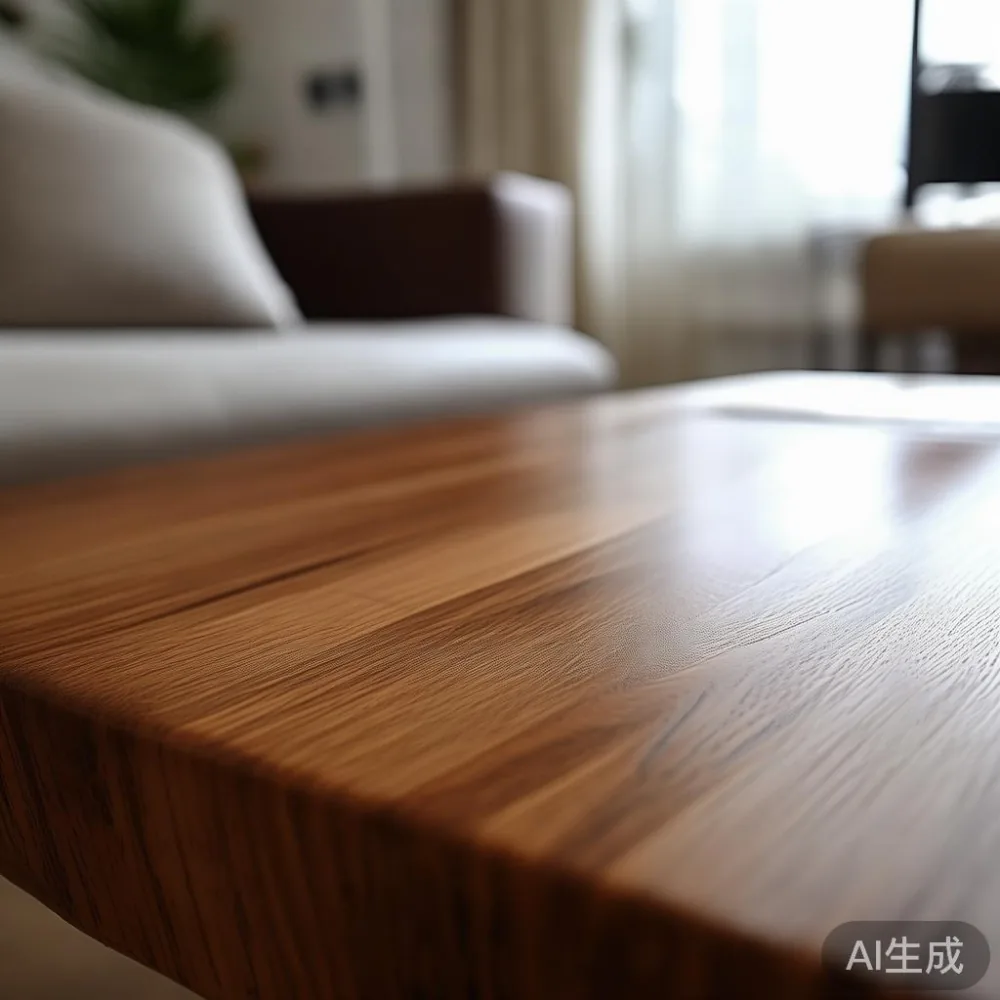
For an HDB living room with a standard 3-seat sofa, a coffee table measuring 100–120 cm long and 50–60 cm wide is a sensible starting point. A 90 × 50 cm model suits a smaller 180–200 cm sofa. For a large sectional or a room with generous space, consider 130–140 cm by 60–70 cm, provided at least 90 cm remains available for movement around the furniture.
Do not assume that more surface area creates more comfort. A 140 cm table in a narrow HDB living room can make a two-person conversation feel crowded. A round model with a 75–90 cm diameter often works better beside a rounded sofa, while a rectangular 100 × 55 cm coffee table fits more conventional HDB layouts.
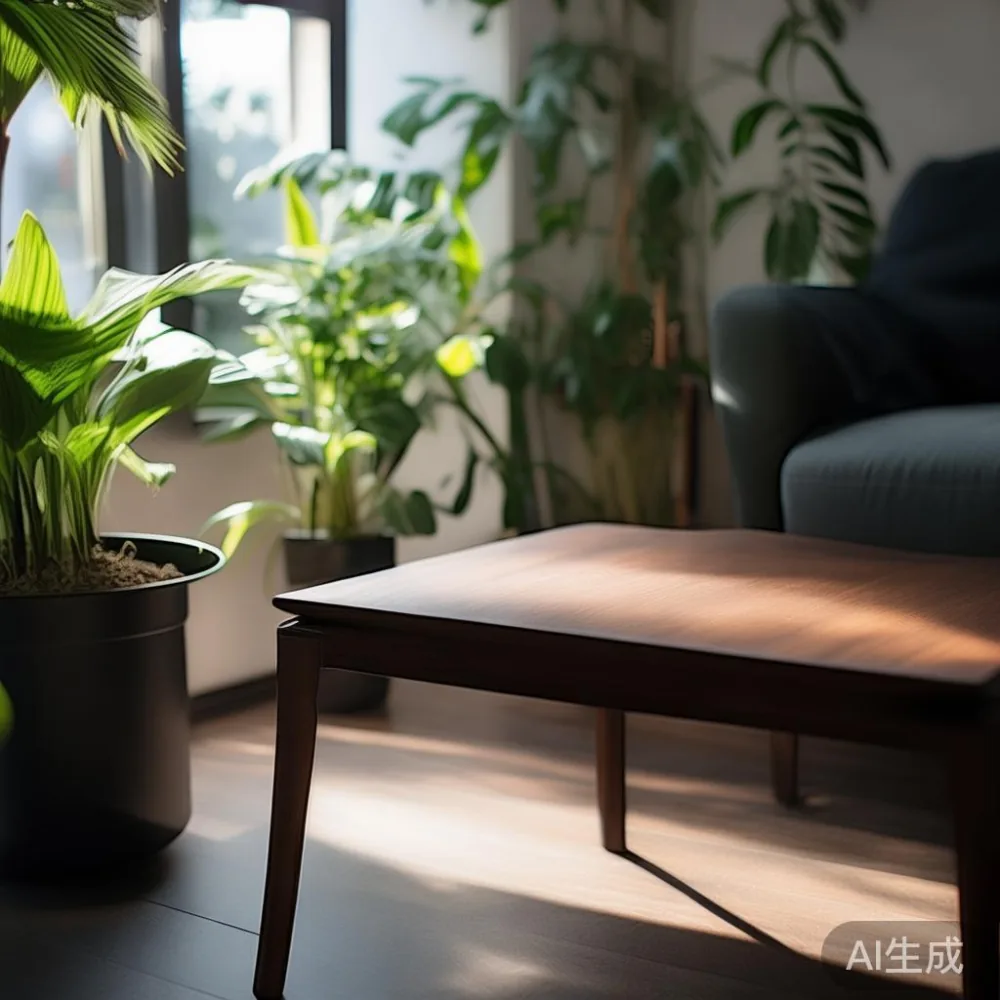
The layout matters more than a universal size. If the sofa faces a television wall with a media console, allow about 40–50 cm from the sofa to the coffee table. Between the table and a walkway, maintain at least 60 cm for normal passage and closer to 90 cm if the route also serves as a dining or work zone.
How Do You Measure Before Ordering?
Start with the sofa, not the empty room. Measure its width, the distance between the two front legs, and the usable projection from the back cushion to the front edge. A solid wood sofa with wide arms can swallow several centimetres of apparent table width, so the table should visually connect to the seating without hiding the sofa's proportions.
Next, mark the table's intended footprint with masking tape on the floor. Leave it in place for 2 days and use the area as you would normally. Include the position of a person carrying a tray, the route to a balcony door, and the space needed to open a drawer. This simple check catches many sizing errors before delivery.
For a rectangular room, align the coffee table lengthwise with the sofa rather than with the television wall. If the sofa sits in a recess, check the recess width and ceiling height. Older HDB homes may have low bulkheads around 230–240 cm, while newer BTO and condo interiors often feel more open. The table should remain visually light even when the ceiling is low.
Leave 10–15 cm between the coffee table and nearby seat arms where possible. If the table has drawers, allow enough clearance to open them without hitting the sofa. For a lift-side coffee table, check that the model is narrower than 55 cm, or select a nesting design that can be moved in one piece.
Will the Coffee Table Fit Through the Lift and Corridor?
Measure the lift doorway, the lift car, and the corridor before ordering. A common passenger lift may have a door opening around 90 cm wide and a car interior near 110 × 140 cm, but building specifications differ. A large HDB block may have a wider communal goods lift, while a condo could restrict furniture delivery to a service entrance or loading bay.
Ask the building management for the lift dimensions and the permitted moving-in hours. Standard delivery may take 3–7 working days after dispatch in Singapore, but a scheduled delivery slot can add 2–4 days. A table that arrives quickly but cannot enter the lift creates more inconvenience than a model that arrives after a planned measurement.
Pieces wider than 55 cm may still fit diagonally, but turning them through a 90 cm doorway needs care. Choose a coffee table with removable legs if the lift height is limited. For staircases, measure both the landing turns and the narrowest handrail clearance; a 120 cm table may need two people and careful angling even when each component is under 70 cm.
The finish should also survive transport. A sealed solid wood top with a protective film is easy to wipe clean after delivery. Avoid leaving a marble table exposed to impact during installation, because stone edges can chip even when the surface looks heavy and stable.
What Is the Right Coffee Table Height?
A height of 40–45 cm works with most sofas, whose seat heights usually range from 40–48 cm. The coffee table should sit about 5–15 cm below the seat cushion, allowing a drink to be reached without lifting the shoulder. A 38 cm table can feel low beside a 48 cm sofa, while a 50 cm table may resemble a side table.
Check the actual seat height after the sofa is positioned. Leave at least 30 cm between the coffee table and the seat edge for useful leg space. If the sofa includes a movable ottoman, maintain a 35–40 cm gap from the ottoman rather than measuring only from the main frame.
Round and oval coffee tables often suit soft-edged interiors. Their curved profiles reduce visual corners in an HDB room and allow easier movement around the table. A rectangular table with softened corners gives a sharper, post-modern light luxury look and can hold magazines, remote controls, and a tray more efficiently. A narrow 45–50 cm width is particularly useful beside a compact sofa or opposite a long media console.
For households that also use the coffee table for meals, a 120 × 60 cm surface can accommodate 4 plates with 20 cm of width per place setting. A 140 × 70 cm model can seat 6, but it should not block the main corridor. A lower 38–40 cm table works better for casual tea service than for working at a laptop.
Which Style Suits HDB Flats and Condos?
New HDB interiors often combine clean lines with warm timber, while condos may mix marble, metal, and textured fabrics. French light luxury styling suits a compact living room with curved edges, pale oak, cream upholstery, and one reflective accent. American light luxury leans towards generous proportions, neutral fabrics, and darker wood. Neither style requires a large coffee table; scale and restraint determine whether the room feels composed.
Customers comparing a light luxury sofa vs Nordic sofa often focus on shape and depth, but the coffee table should repeat one design cue rather than every feature. A rounded sofa can support an oval or round table, while a straight, tailored sofa pairs well with a rectangular solid wood top. Keep the metal finish consistent with the sofa legs and lamp hardware.
For an apartment with children or frequent visitors, rounded corners and a lower shelf are practical. A 100 × 55 cm coffee table with a 35 cm clearance underneath can hold baskets and board games without making the seating area feel crowded. A marble table introduces a crisp focal point but typically weighs 45–90 kg and should be positioned by two people.
The broader terms can help define a coherent scheme. Searching for luxury Modern light luxury furniture or modern Mid-century modern furniture should lead to a table with tapered legs, warm walnut, and uncluttered lines. The same table should suit the actual room dimensions rather than becoming a decorative promise. If the sofa is already visually detailed, choose a simpler coffee table.
What Material and Finish Should You Choose?
Solid oak and solid walnut provide warmth and repairability. Oak suits bright HDB rooms and a French light luxury palette; walnut creates a deeper American light luxury tone. A quality solid wood coffee table may weigh 25–45 kg, so check whether the lift threshold and flooring can accommodate the delivery route.
Ask whether “solid wood” refers to the top, frame, or both visible and structural components. Confirm the wood species, finish, drawer construction, and dimensions rather than relying on a broad label. MIDHILL offers lifetime refinishing, which is useful for colour changes and small surface marks, but the tabletop should still be protected from heat, standing water, and abrasive cleaners.
Oak veneer can offer a lighter price point of about SGD 450–900 for a 100–120 cm coffee table, while solid wood commonly ranges from SGD 800–1,600. A marble or stone coffee table generally falls around SGD 1,200–2,400. These are typical market ranges rather than fixed quotations, and exact pricing changes with size, timber, edge profile, and hardware.
Consider the room's lighting. Pale wood works well in east-facing Tampines and Punggol homes with good daylight; walnut can feel more grounded in a dim Bedok living room. Under warm 2700K lighting, honey oak looks inviting. Under cool 4000K lighting, grey-toned finishes and marble can appear sharper. A small tray, ceramic cup, and one plant help the table feel complete without covering its usable surface.
How Do You Keep the Table From Making the Room Feel Cramped?
Choose one dominant function for the coffee table. If it is mainly for drinks and decor, a 90–110 cm length is often enough. If the family uses it for puzzles, snacks, or occasional dining, select 120–140 cm and check the route to the kitchen. Oversizing by more than 20 cm beyond the sofa width can make the table dominate the room.
A nesting set is useful in a compact condo: one 100 × 55 cm table and one 55 × 45 cm table can separate for refreshments and slide together for everyday use. Ensure the smaller piece tucks fully beneath the larger one. Slatted shelves, slim legs, and an open frame keep the visual mass low. A thick block of timber can look grounded in a large room but may feel heavy in a 12–15 m² living area.
Reposition seating rather than forcing the table into an awkward gap. A slightly shorter sofa may create a more generous route than a smaller coffee table placed alone. The table also needs to be reachable from both seats. If one end is blocked by an ottoman, a round 75 cm table may serve the conversation better than a long rectangle.
Do not overlook the coffee table's relationship to other furniture. It should not align too closely with a dining table, wardrobe, or bed frame elsewhere in the apartment. Repeating the same timber across a solid wood sofa and bed frame can create continuity, but varied finishes can make a small apartment feel layered. A nightstand can echo the table's shape, and a marble table can respond to stone details in the media console.
Is Mid-century modern sofa worth it for an HDB living room?
For many HDB homes, yes, if the sofa's proportions, maintenance, and colour suit the household. A tapered-leg design can make a room feel lighter than a deep, bulky model, and a 200–220 cm three-seat version often pairs naturally with a 100–120 cm coffee table. The legs still need stable floor protection, and the fabric should withstand frequent family use.
Last month I visited my colleague in a Bedok BTO flat and measured a compact 190 cm sofa against a 110 × 60 cm coffee table. At first glance, the table looked balanced, but a 70 cm-wide walkway beside it measured only 58 cm. We replaced the table with a 95 × 50 cm rounded model and shifted the sofa 8 cm forward. The same seating area then felt wider, and the gap between sofa and table remained at 38 cm.
That experience also showed why a tape outline is useful. People accepted the smaller table more readily after sitting and walking around it for 2 days. Before ordering, compare the replacement against the sofa's visual width, not just its frame dimensions.
For a coordinated apartment, consider how the coffee table relates to a MIDHILL dining table or a solid wood sofa. The dining area can use a warm oak finish while the living room uses walnut for contrast, or the coffee table can repeat the dining table's timber for continuity. Furniture should work as a collection of useful objects, not as a set of unrelated showroom pieces.
How Much Does a Coffee Table Cost, and What Should Delivery Include?
Useful solid wood coffee tables in Singapore commonly range from SGD 700–1,500, while veneered, mixed-material, and stone versions span SGD 450–2,400. A 100 × 55 cm model is easier to move and usually costs less than a 140 × 70 cm table with thick edges or integrated storage. Premium joinery, solid brass hardware, and hand-applied finishes can add SGD 150–600.
Confirm whether the quoted price includes GST. Singapore's standard GST is 9%, and delivery within Singapore is normally included, but upper-floor lift access and carry-in services should be stated clearly. For a purchase above US$350, MIDHILL provides free shipping under its stated policy; local conditions and any applicable taxes should still be confirmed at checkout.
A sensible purchase process takes 5–10 minutes. Measure the sofa, wall recess, lift door, lift car, corridor, and turning space. Sketch the room with dimensions. Compare 2 or 3 coffee table sizes, including one smaller option. Read the material and warranty details, and check the return policy before ordering. MIDHILL's 14-day returns and 10-year structural warranty provide practical cover, while lifetime refinishing supports long-term care.
Schedule delivery for a day when someone can receive the table. Clear the route, protect the floor near the lift, and keep pets and children away from the unpacking area. A well-sized coffee table does more than fill the centre of a living room: it supports conversation, daily rituals, and a clear path through the apartment. Measure carefully, buy the dimensions your room can hold, and let the material support the style instead of overpowering it.