How to Choose the Right Coffee Table Size for a Singapore HDB Living Room
Choosing a coffee table for a Singapore HDB living room is less about filling the available space and more about preserving circulation between the entrance, sofa, television wall and dining area. A 120 cm table can look generous in a roomy Tampines flat, yet it may crowd a compact Bedok unit where the sofa faces the dining table across only 250 cm. Dimensions should therefore be checked against the room, not selected from a style photograph alone.
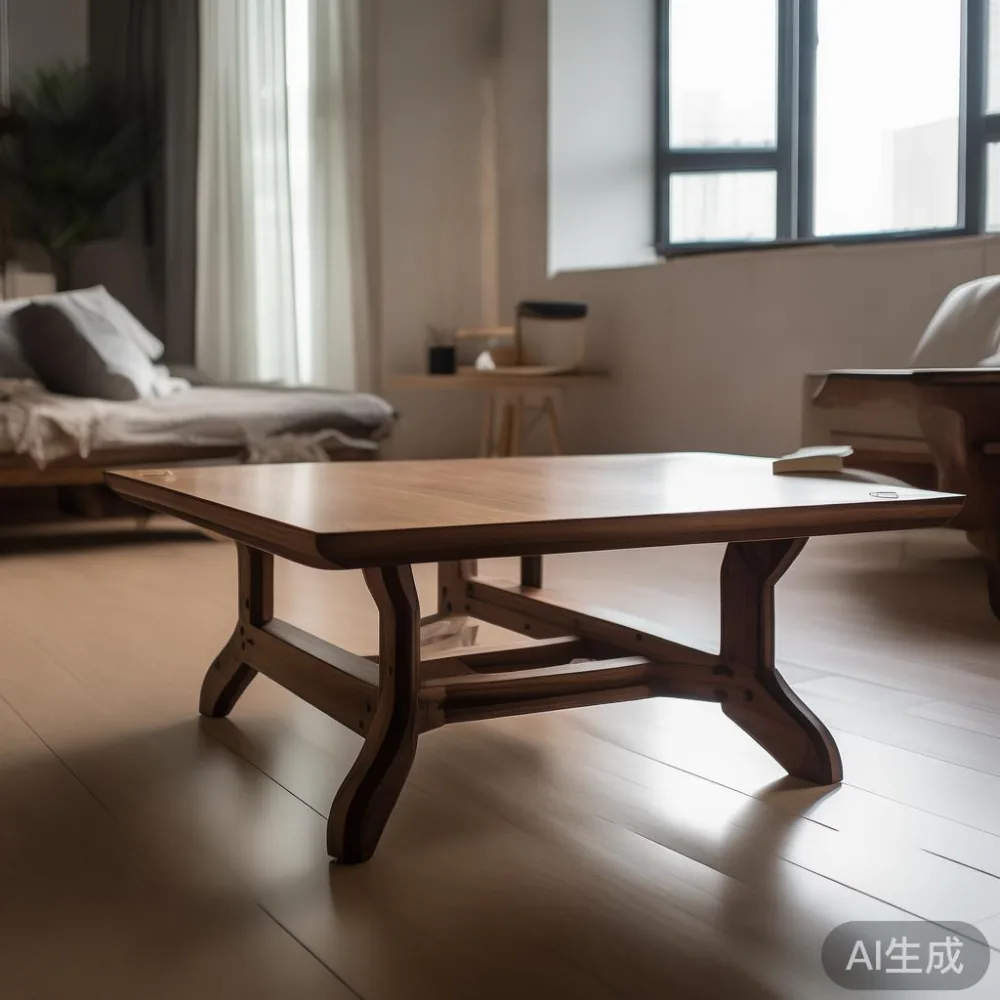
The practical target is often 90–110 cm wide, 45–60 cm deep and 35–42 cm high. The width should be about two-thirds of the usable sofa width, while the depth should remain roughly 30–45 cm shorter than that section of the sofa. These proportions create a useful surface without turning the centre of the room into an obstacle.
MIDHILL was established in 2008 and exports solid wood furniture to more than 15 countries. Its 10-year structural warranty, lifetime refinishing service and 14-day returns policy give local buyers useful reassurance, although every coffee table still needs to be measured against its own home. Prices in this article include Singapore GST where indicated, and delivery estimates refer to Singapore addresses.
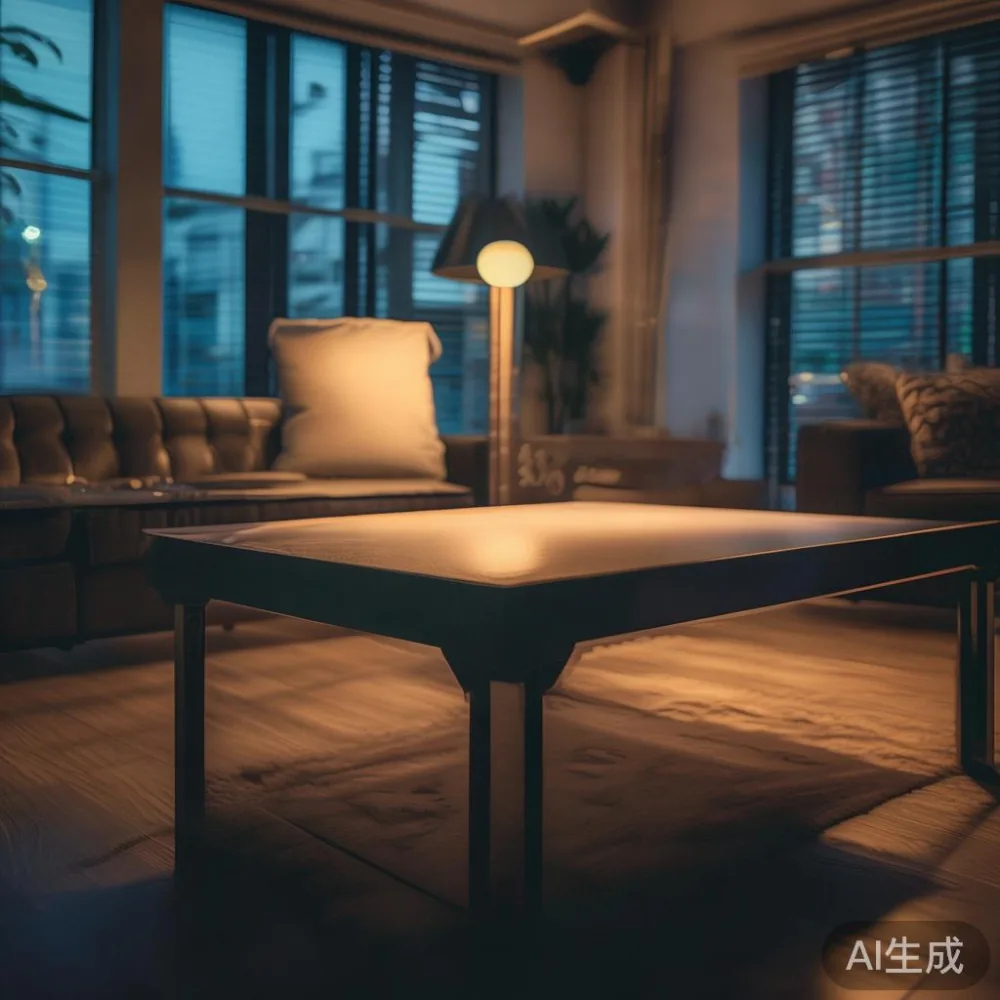
How much space should a coffee table leave in an HDB living room?
Leave at least 75–90 cm between the coffee table and the sofa for everyday movement, plus 90–120 cm between the coffee table and the television cabinet where people pass regularly. A 60 cm gap may function in a rarely used formal sitting area, but it becomes tiring in a compact HDB home. Anyone carrying laundry, a wheelchair, a child or a stack of groceries should assume that tighter gaps will be used more often than expected.
Start by measuring the usable zone, not the entire living room. Remove the need to place a table against the sofa; leave about 35–45 cm between the sofa arm and the table for reaching a cup or remote. If the table is 55 cm deep and the sofa is 90 cm deep, the total occupied depth becomes 145 cm before circulation space is added.
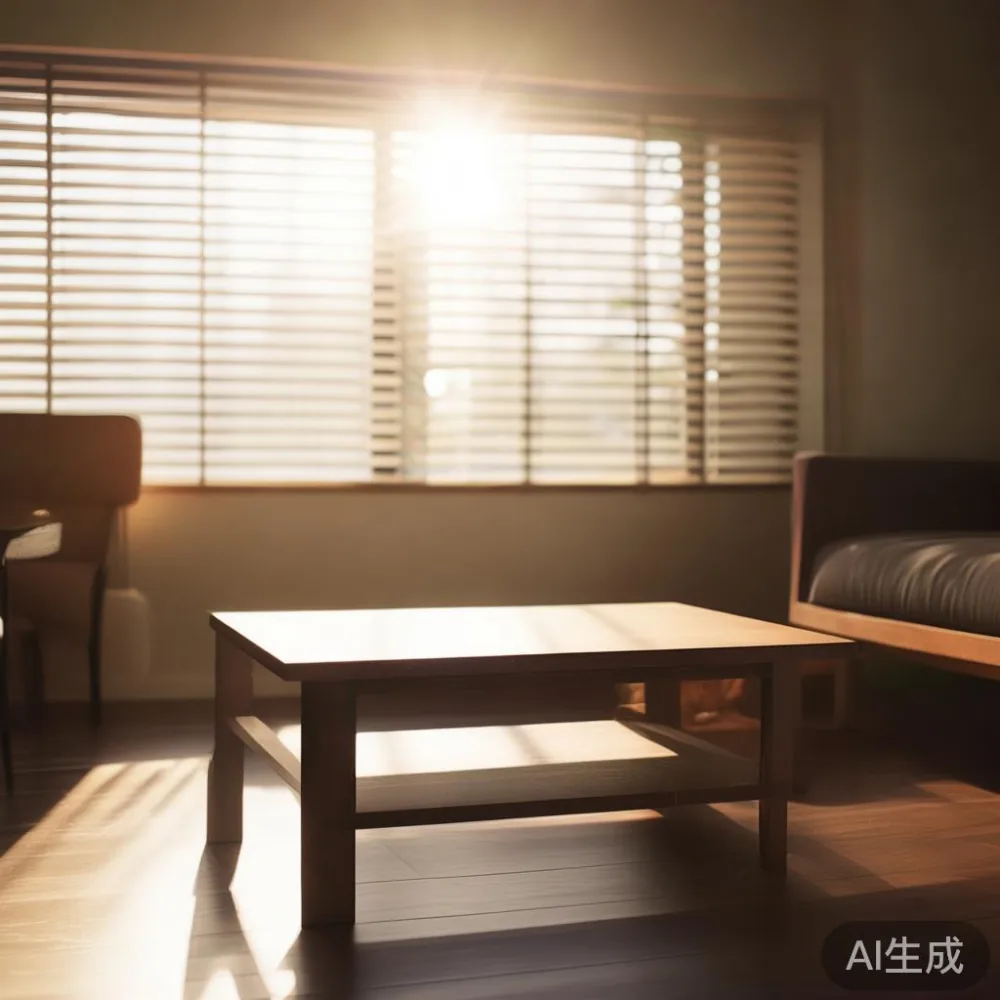
For a typical 3-room HDB living and dining room, a 90–100 cm coffee table is usually manageable. A 110–120 cm model suits a larger 4-room or condo living area, provided the route to the balcony remains clear. In a compact 2-room flat, consider 70–90 cm or a narrow 35–40 cm table. A table that is too small is inconvenient; one that is too large interrupts the room’s proportions.
Measure the route from the lift to the flat as well. Common HDB lift cars measure roughly 90–110 cm deep and 100–140 cm wide at the door, although older blocks and retrofit projects vary. The corridor may narrow to 90–120 cm. A coffee table delivered as one rigid piece may not fit if the packaging exceeds the lift door or cannot be turned through the landing. A knock-down model assembled inside the home can be more practical, while a flat-packed box may require clearer floor and doorway measurements.
What dimensions work with different HDB and condo layouts?
Use a 3-step measurement method:
1. Measure the sofa zone. Record the sofa’s width and depth, then mark the usable width without its projecting arms. A 180–200 cm sofa generally supports an 110–120 cm coffee table; a 150–170 cm sofa pairs well with a 90–105 cm table; and a compact 120–140 cm sofa usually needs 70–90 cm.
2. Measure the traffic route. Identify door swings, balcony access and the path from the dining table to the sofa. Keep 75–90 cm open around at least three sides of the coffee table. In open-plan condos, the table should also create a visual boundary without closing the room.
3. Check the viewing relationship. The table top should sit close to the sofa’s seat height. A 38–42 cm table works with a typical 42–45 cm sofa, while a 32–36 cm model can suit a lower 35–40 cm sofa. A very low table in a high-rise living room can look visually disconnected from the seating.
For practical product searches, a French provincial coffee table often appears broad and ornamental. For a smaller Tampines or Punggol unit, its visual bulk should be offset with slim legs, a narrower top or a lighter finish. French provincial for small living room layouts usually calls for restrained curves, shallow aprons and controlled ornament rather than heavy carving across every edge.
Round tables offer another option. A 70–90 cm diameter works with many HDB sofas and can ease movement around a tight route. However, corners of the table remain useful for trays, cups and laptops, while a round edge is safer in a family route. Oval tables can bridge a narrow dining opening and a wider sofa area, but they still need enough clearance on both long sides.
Should the coffee table match the sofa or contrast with it?
The table should relate to the sofa without becoming a second focal point. If the sofa is upholstered in warm beige, a medium-oak table can create continuity; against charcoal fabric, a pale ash top can add contrast. Keep the finish calm when the room already contains patterned cushions, curtains or a marble table nearby.
French light luxury works through pale oak, warm cream, softened corners and slender metal details. Post-modern light luxury may use a cleaner rectangular profile, a travertine-look surface and rounded geometry. American light luxury often combines warm timber with a darker metal base or layered styling. Whichever direction is chosen, the coffee table needs to feel connected to the solid wood sofa, bed frame, dining table, wardrobe and nightstand in the home.
Material also affects the dimensions on paper. Solid timber may look substantial, so a 100 cm top with slim legs can occupy less visual space than a 90 cm table with a thick carved apron. By contrast, a marble table can appear cool and weighty; a narrow profile and light veining are useful in a compact HDB setting. The standard advice is to compare the table’s footprint and height, then view it in daylight if possible.
There are also searches that belong in a broader bedroom project, such as how to style European light luxury wardrobe in bedroom and how to style European bed in apartment. The same restraint applies: lighter forms and coordinated timber tones help a multipurpose room feel ordered. A compact coffee table should not compete with a French provincial with storage sideboard in the dining area.
How narrow is too narrow for a Singapore coffee table?
A 35–40 cm deep table can be sensible along a sofa or against a narrow wall, especially when the main requirement is a surface for two cups and a small tray. Below 35 cm, trays and magazines may feel unstable, and reaching across can become awkward. A narrow rectangular model around 80–100 cm long and 35–40 cm deep offers a practical compromise for an HDB flat with a short approach to the television wall.
Nesting tables solve this differently. A pair measuring 50–60 cm each can sit separately beside the sofa and overlap into a 90–100 cm surface when needed. They should be checked for stable locking and for safe edges in a busy family room. Some sets create a useful 100–120 cm combined span, but the individual tables still need to clear the sofa and walkway when apart.
The longest dimension matters more than the depth. A 120 cm table aligned across the narrowest route can block the balcony entrance, while the same length placed parallel to the sofa may work. Draw the measurements to scale on paper, including door swings and around 60 cm of standing space at the television wall. This simple exercise often reveals a better size before delivery.
How should delivery, assembly and GST affect the choice?
Singapore shoppers should compare the final price with 9% GST included. For example, a coffee table listed at SGD 588 before GST becomes approximately SGD 640.92 after GST. If a solid timber table is listed at SGD 1,280 before GST, the total is SGD 1,395.20. Clear GST-inclusive pricing makes comparisons easier, especially when one design includes a storage compartment or a marble surface.
Delivery to a Singapore address commonly takes 7–14 working days after production, with stock models taking approximately 3–7 working days. These are estimates rather than guaranteed dates for every building. A lift booking may add 1–3 working days, and a scheduled delivery slot should be arranged before the courier arrives.
I tested this delivery issue last month when a colleague arranged a sample pickup for a Punggol condo. The carton measured 108 × 62 × 46 cm and fitted the lift car, but it could not be turned upright in the narrow corridor without contacting the wall. The team removed the protective sleeve in the lobby and carried the table in on its side. That experience confirmed why the packaged dimensions—not only the assembled dimensions—should be checked with the building office or delivery team.
Also compare the table’s empty weight. A 100 cm solid wood coffee table may weigh 28–38 kg, while a lighter engineered-wood or slim metal-frame version might weigh 12–20 kg. Heavier construction can feel stable and durable, but two-person carrying or professional delivery may be needed. Check whether assembly takes 15–30 minutes and whether tools are included.
MIDHILL offers free shipping on orders over US$350, which is approximately SGD 470 at a typical exchange rate, though the Singapore checkout should confirm the local threshold and final freight. A 14-day return period allows a home to be judged in context, but the item must remain unused and in its original packaging where required. The 10-year structural warranty covers eligible structural defects, not accidental damage, and lifetime refinishing refers to the applicable service terms for qualifying furniture.
How can I check the coffee table before it arrives?
Request four measurements in writing: assembled length, width and height; packaged dimensions; and net weight. Then check the landing, lift doors, main door and turns between them. For common HDB access, a package no larger than roughly 100 × 60 × 45 cm is easier to manage, but corridor width and the homeowner’s lift rules may still determine whether it is practical.
Check the top height against the sofa and keep at least 30 cm above the seat for useful reach. Look for a stable 3–5 cm clearance under the table if a robot vacuum is used, and 25–30 cm if the table has a lower magazine shelf. Confirm that the floor is level, because 3–5 mm differences between HDB floor tiles can cause a narrow table to wobble.
Inspect visible timber, veneer or stone surfaces under natural light. For solid wood, look for controlled grain variation rather than expecting identical boards. For a marble table, check that corners and edges are protected during movement. Hardware should move smoothly, drawer or shelf fittings should align, and any glass should be secured with an under-table safety film.
Budget roughly SGD 300–700 for a compact solid wood coffee table, SGD 700–1,300 for a wider or more decorative model, and SGD 1,300–2,800 for a marble or elaborately finished piece, with GST typically included in the displayed ranges. A designer bedroom brief might also include the best Japandi bed for 2026, but the coffee table should still be judged by its own footprint, stability and finish.
What size should you choose for your HDB home?
Most HDB living rooms are best served by a coffee table measuring 90–110 cm wide, 45–60 cm deep and 35–42 cm high. Move down to 70–90 cm for compact 2-room and 3-room layouts, especially if the dining table is close to the sofa. Move up to 110–120 cm only when the seating is broad, the circulation route is generous and the lift and corridor can accept the package.
The final check is simple: stand in the position normally used to watch television, walk from the entrance to the dining area, and reach for a cup from the sofa. If the route remains comfortable at least 6 times a day, the dimensions are probably right. A well-sized coffee table supports the room’s daily rhythm while complementing its solid wood furniture and contemporary HDB setting.