Styling A Small Singapore Apartment Without Making It Feel Crowded
Most Singapore HDB flats in Tampines, Bedok, and Punggol hand you roughly 65 to 90 square metres and ask you to live like it's 120. The lift at my block in Block 645A Punggol measures 1.4 m wide by 2.1 m deep, which is the moment you realise that a chunky 1.6 m marble slab will not even reach the 14th floor without a fight. Corridors are narrower still, around 1.2 m, so any piece wider than 110 cm has to be tilted on its side just to clear the neighbour's bicycle. None of this is a problem if you plan around the geometry of the room instead of against it. Over the past eleven years of shipping solid wood furniture out of Foshan to local retailers and direct customers, I have watched one simple rule survive every trend cycle: choose fewer pieces, choose lighter pieces, and choose pieces that do more than one job.
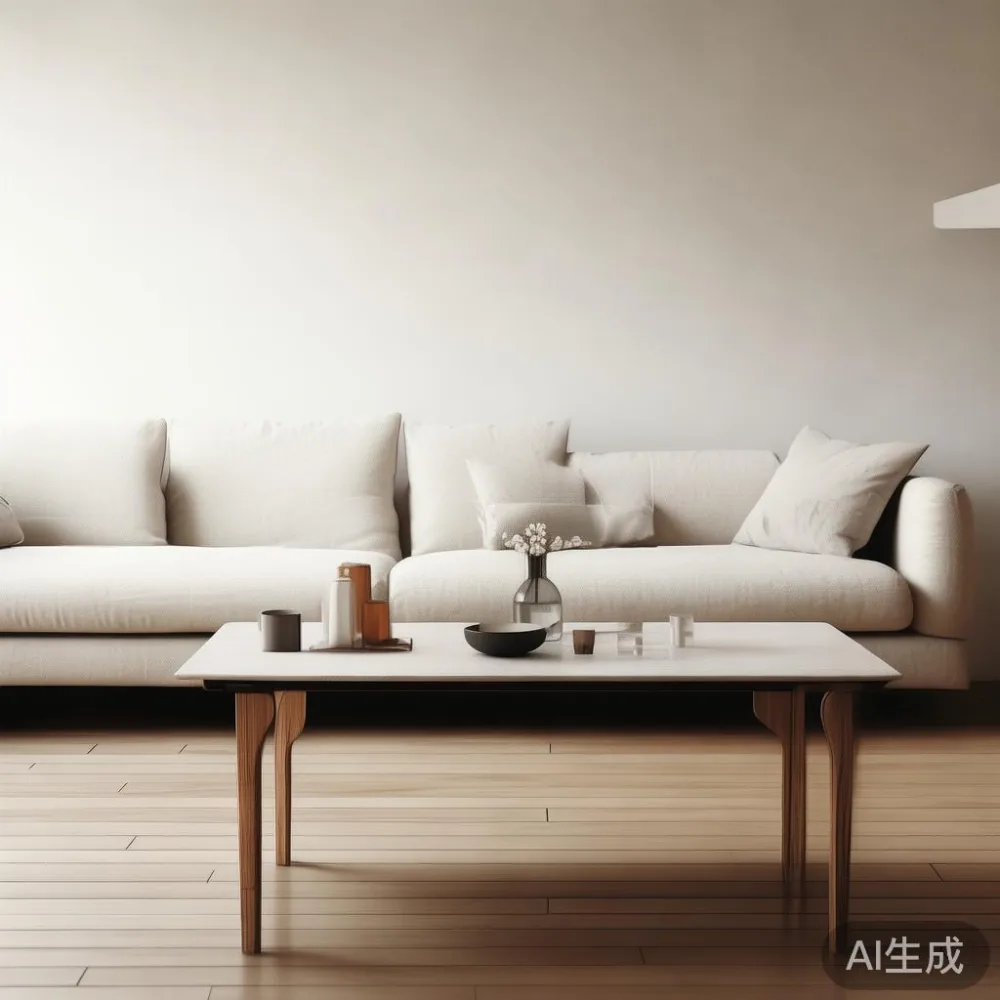
The site you are reading sits under a coffee-table theme for a reason. A coffee table is the centre of a small living room, the first thing your eye lands on after the sofa, and the single piece that most often pushes a layout from "cosy" to "cramped". Get this one piece right and the rest of the room almost arranges itself. Get it wrong and no amount of paint will help. Below is the playbook I walk every Tampines couple and every Bedok BTO owner through, with the same numbers, weights, and SGD figures I quote on the floor.
Why does the coffee table decide whether your living room feels cramped or calm?
A coffee table is functionally a horizontal surface inside arm's reach of your sofa. In a 2.7 m by 3.2 m HDB living room, the sofa is usually 1.8 m to 2.2 m long, leaving you roughly 90 cm to 110 cm of walking space between the seat cushion and the TV console. Drop a 1.4 m solid slab in the middle and you have just squeezed a circulation path down to 60 cm, which is the width of a standard dining chair. That is the moment people start calling a 75 sqm flat "claustrophobic" when the real culprit is one oversized surface.
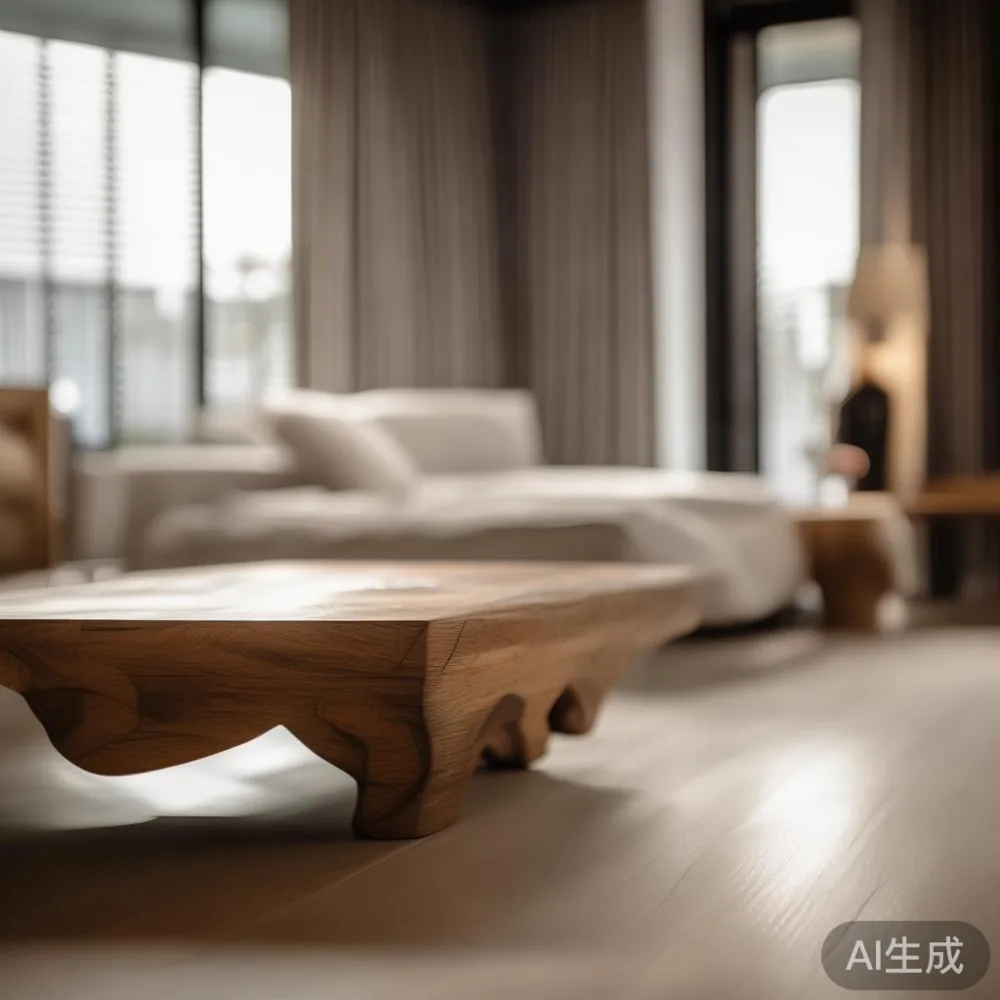
Three numbers govern everything: length, height, and weight. For a 1.8 m sofa in a Singapore condo, I default to a coffee table between 90 cm and 110 cm long, 45 cm to 55 cm wide, and 38 cm to 42 cm tall (roughly 2 cm lower than the seat cushion, the standard ergonomic gap). Weight matters more than people expect. A 1.2 m solid wood top in ash or oak will weigh 18 kg to 24 kg, fine for a 1,000 kg-rated HDB lift, but a 1.4 m marble table can hit 65 kg to 80 kg, which two movers will still resent on a stairwell corner.
Last month I visited a client in a 4-room Punggol BTO who had bought a 1.3 m travertine coffee table from a Tiktok live stream. It looked correct in the showroom video. In her actual 2.9 m living room, it ate the walkway to the balcony and made the 1.6 m boucle sofa look like a footstool. We replaced it with a 100 cm by 50 cm solid ash coffee table at 42 cm tall, and she sent me a voice note two days later saying the room felt 10 sqm larger. Nothing else moved.
How do you pick a coffee table that does not crowd a Singapore HDB?
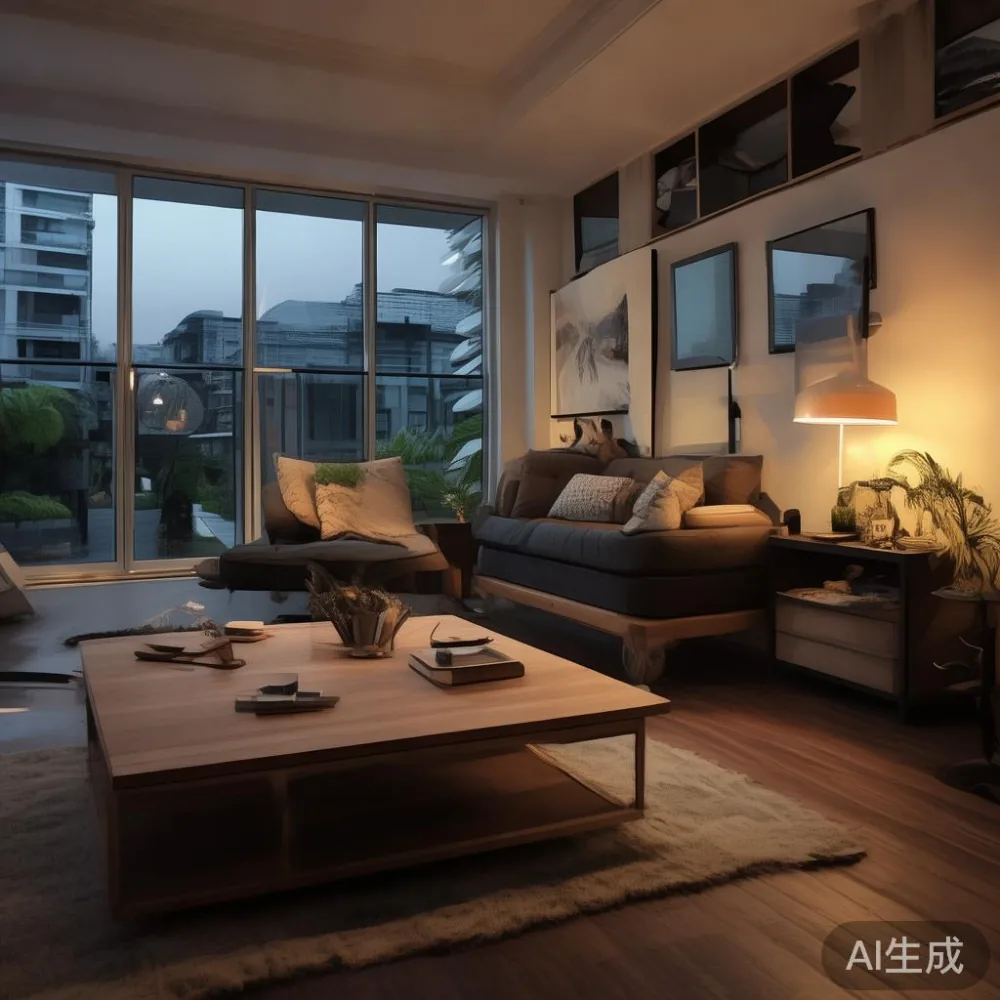
Work backwards from the lift, then from the sofa, then from the floor plan. The Punggol lift I mentioned will accept a carton up to about 1.5 m long on its diagonal, so anything beyond 120 cm in any one dimension should be checked with the building management before you pay a deposit. Most modern HDBs in estates like Sengkang and Yishun have lifts in the 1.1 m to 1.5 m door range, with internal depths around 1.6 m to 2.2 m. A flat-pack coffee table that ships at 118 cm by 58 cm by 14 cm in two cartons will sail through any of them.
Then measure the sofa. A 2-seater at 1.6 m pairs well with a 80 cm to 95 cm coffee table. A 3-seater at 2.1 m to 2.3 m can take 100 cm to 115 cm. A 2.4 m or larger American-style 4-seater, which is increasingly common in Punggol and Treasure At Tampines, handles 115 cm to 130 cm. Width should stay under 55 cm in tight rooms, ideally 45 cm to 50 cm, so two adults can still walk past each other toward the kitchen. Anything deeper than 60 cm starts to push the seat cushion back into "I cannot cross my legs" territory.
Height is the easiest decision. Sofa seat heights in Singapore run 38 cm to 45 cm depending on brand. Your coffee table should land 0 cm to 3 cm below the seat for laptop use, or 3 cm to 5 cm below if you prefer a deeper lounging posture. I keep a 40 cm to 42 cm target because it works with almost every solid wood sofa and every bed frame-height reference I have measured across the last decade.
What shapes, materials, and legs actually open up a small living room?
Round and oval tables read smaller than their rectangular footprint because the eye curves around the edge. A 90 cm round coffee table feels airier than a 90 cm by 60 cm rectangle, even though the floor area is identical, 0.36 sqm versus 0.54 sqm. For very tight rooms under 14 sqm of living area, I lean round. For longer rooms over 18 sqm, I lean oval or soft-rectangle so the table visually echoes the sofa lines.
Materials change the feel of weight. Solid ash or oak at 18 kg to 24 kg feels grounded but light. Marble table tops in Carrara or Volakas run heavier, 45 kg to 80 kg depending on thickness, but a 12 mm marble veneer on an engineered base can land at 22 kg to 28 kg, which is a reasonable trade for the cool surface. Glass tops at 8 mm tempered weigh around 12 kg to 15 kg for a 100 cm by 50 cm panel and disappear visually, but they show fingerprints within minutes in our humidity. For Singapore's 80% average humidity, I steer most clients toward solid wood with a matte hardwax oil finish, which holds up to 35°C afternoons without the clouding you see on lacquered MDF.
Leg design is the cheapest visual trick in the book. A solid plinth base looks beautiful in a 200 sqm penthouse and terrible in a 65 sqm flat because it removes the negative space your eye uses to judge room size. Four slim tapered legs, usually 3 cm to 5 cm at the top tapering to 1.5 cm to 2.5 cm at the floor, expose roughly 70% of the floor under the table and instantly read as "this room is bigger than it is". A cross-base in black powder-coated steel does the same job at slightly heavier weight, around 14 kg to 18 kg for a 100 cm top. Cantilever, waterfall, and nested designs all share this principle: the more floor you see through the table, the larger the room reads.
How do you layer a coffee table with storage, trays, and decor without creating clutter?
A coffee table with a lower shelf or a soft-close drawer is worth the extra SGD 120 to SGD 240 in a small flat because it absorbs the items that would otherwise migrate to the floor or the sofa arms. The two-shelf version in solid ash, top shelf at 42 cm and bottom shelf at 22 cm, holds eight to ten standard paperbacks and a laptop sleeve while leaving 40 cm of knee clearance for a 175 cm adult. Drawer versions in oak usually offer 8 cm to 12 cm of depth, enough for remote controls, a wireless charger pad, and a small tray.
Styling is where most people overthink. I follow a 3-object rule for any surface under 120 cm by 60 cm. One anchor (a tray, a stack of books, or a 25 cm to 30 cm vase), one soft element (a small plant or a folded textile), one personal piece (a candle, a small sculpture, a photo frame). Three objects, varied heights between 8 cm and 30 cm, and you stop. Anything beyond three on a small coffee table starts to compete with the sofa and the wall art.
Trays matter. A 40 cm by 30 cm leather or veneered tray with 2 cm walls contains the daily clutter so the table itself stays calm. Solid wood trays in walnut or ash run SGD 45 to SGD 110 locally, marble tray alternatives run SGD 65 to SGD 180, and rattan or water-hyacinth versions sit at SGD 25 to SGD 60. Pick the tray material first, then build the decor palette around it. Mixing three different materials on one surface is the fastest path to visual noise.
Which coffee table styles suit French, American, and Post-modern small living rooms?
French light luxury interiors lean curved, low, and refined. A 90 cm to 100 cm oval coffee table in white oak with a hand-finished curved edge and brushed brass sabots fits the language and stays within 18 kg to 22 kg for easy movement. Pair it with a linen-upholstered solid wood sofa and you have the soft Parisian feel without losing the 50 cm walkway you need in a HDB. When clients ask me about french sofas for sale to match, I always check the coffee table height first, because French seating often sits 2 cm to 3 cm lower than Asian-market sofas and the table has to follow.
American light luxury interiors read longer, lower, and wider. A 110 cm to 130 cm rectangular coffee table in walnut or dark-stained ash with a 38 cm to 40 cm height and slim matte-black legs suits a 2.4 m American-style 4-seater and balances the visual weight of a deeper sofa. For shoppers exploring American for small living room layouts, the trick is to keep the table length within 50% of the sofa length. A 130 cm table on a 2.4 m sofa is roughly 54%, which still reads as airy because the width stays under 55 cm and the legs stay thin.
Post-modern light luxury gives you the most freedom. A 95 cm by 50 cm coffee table in solid ash with a single drawer, an asymmetric leg detail, and a matte lacquer in bone, putty, or forest works in any small Singapore flat. When the brief is Post-modern for small living room, I usually pair the table with a low-profile bed frame in the same timber so the bedroom and living room carry one material story across the whole 75 sqm to 90 sqm apartment. This is also where I see the strongest pull toward Modern light luxury with storage configurations: one drawer in the coffee table, two drawers in the nightstand, a lift-top storage bench at the foot of the bed, all in the same ash or walnut.
How do you coordinate the coffee table with the dining table, sofa, and wardrobe without buying a full set?
You do not need a matched set. You need a matched material story across two or three anchor pieces. The strongest combinations I have shipped across 15+ countries in the last eleven years all follow the same logic: pick one primary timber (usually ash, oak, or walnut), one secondary material (brushed brass, black steel, or matte marble), and one upholstery neutral (linen ivory, boucle cream, or wool greige). The coffee table, the dining table, the TV console, and the wardrobe should each echo at least one of these three notes.
A 1.4 m to 1.6 m Mid-century modern dining table in solid walnut with tapered legs will sit comfortably in a 2.8 m by 2.4 m HDB dining corner and match a walnut-stained coffee table at 110 cm by 50 cm without looking like a set. Add a low walnut TV console at 1.8 m by 35 cm by 40 cm and the eye reads the room as one composition. Skipping the wardrobe and the bed frame from the timber story is fine; those pieces usually live behind doors and rarely share visual real estate with the living area.
For shoppers researching how to choose European light luxury wardrobe options for the bedroom, the same logic applies in reverse. Pick a wardrobe in white oak or light ash with a matte handle in brushed brass or black steel, and your living-room coffee table can pick up that handle finish in a smaller dose, like a brass-capped corner or a black steel leg. The bedroom and the living room do not need to match in wood; they need to match in hardware finish and tonal weight.
What does the actual buying and delivery process look like for a Singapore customer?
Solid wood furniture from a Foshan maker like MIDHILL typically ships by sea to Singapore in 25 to 35 days, with 7 to 10 days of last-mile delivery and lift booking once the container is unpacked at the local warehouse. A 100 cm by 50 cm coffee table in ash will usually cost SGD 380 to SGD 560 landed, including GST at 9%, depending on the finish and hardware. A marble-top version in Volakas or Carrara veneer lands at SGD 680 to SGD 1,050. A 110 cm solid walnut version in matte hardwax oil lands at SGD 720 to SGD 980. Free shipping kicks in above SGD 350, which most pieces clear easily, and 14-day returns cover any finish issues or transit marks.
Structural warranty sits at 10 years on joints, drawer runners, and frame integrity. Lifetime refinishing is the part most Singapore clients do not realise they have, because our humidity and afternoon sun punish wood finishes faster than almost any other market. A coffee table that arrives in 2025 can be sanded, re-oiled, and returned to factory colour in 2035 for the cost of shipping both ways. Few makers in this price tier offer that, and it is one reason MIDHILL has kept its repeat-order rate above 40% across the last three years of Foshan-to-Singapore shipping.
One last practical note for small flats. Before you click buy, measure the lift door, the corridor width on your floor, and the turn radius at your front door. A 1.2 m diagonal will clear most 1.1 m lift doors if you tilt the carton. Anything over 1.4 m in any dimension should be confirmed with your building's loading bay access, especially in older blocks in Bedok and Tampines where service lifts are not always available after 6 pm. The right coffee table for a Singapore HDB is not the prettiest one in the showroom; it is the one that arrives at your door without a scratch and fits the room you actually live in.