Coffee Tables for Small Singapore Homes: A Practical Guide to Light-Luxury Styling
A coffee table is useful in a compact flat, but it can easily become the centre of a visual bottleneck. In a Singapore HDB home in Tampines, Bedok or Punggol, the difference between comfortable and crowded often comes down to a few centimetres, the table’s visual weight, and whether the lift and corridor can accept its dimensions. The goal is not to fill the living room with furniture; it is to create a clear place to put a cup, a book and a small tray while preserving the feeling of space.
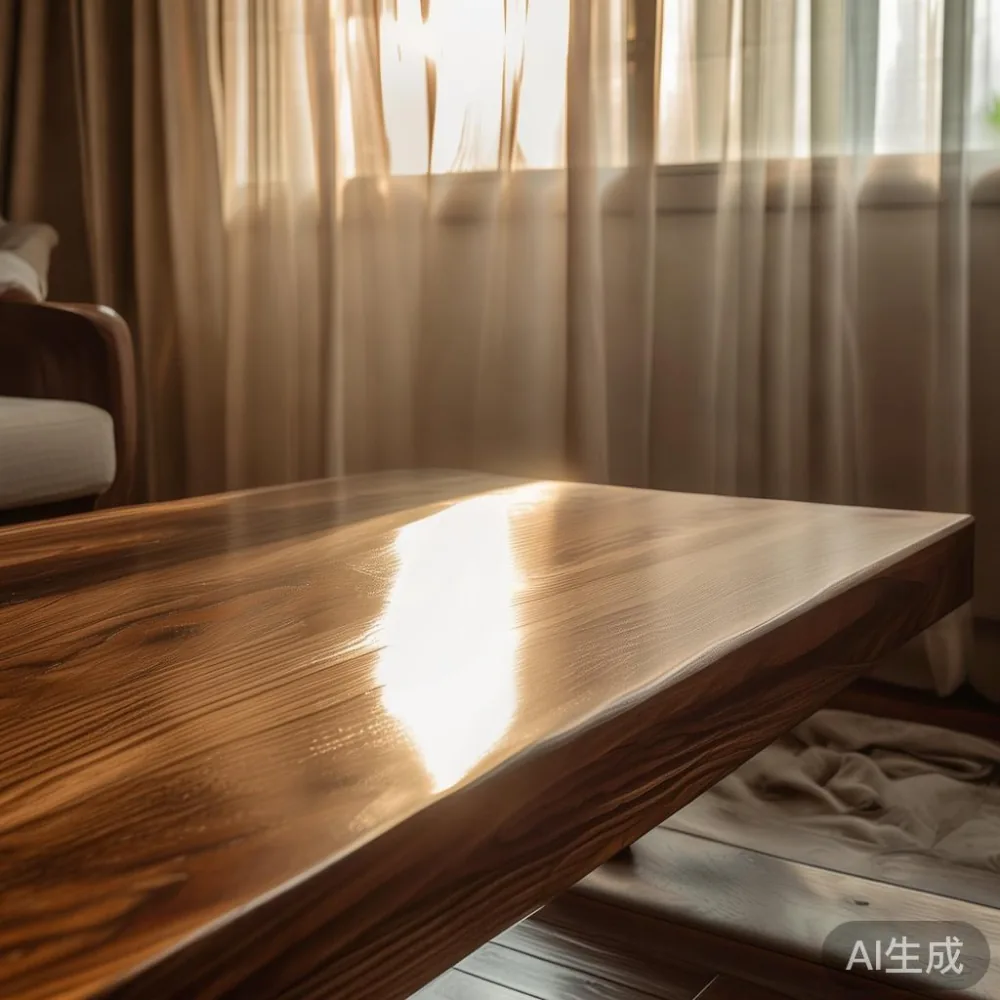
This guide considers coffee-table sizing, materials, delivery logistics and styling for apartments of different sizes. It also touches on related furniture decisions, such as comparing a Japanese sofa vs Nordic sofa, choosing a MIDHILL bed for a bedroom, and considering a marble table without allowing one surface to dominate the room. MIDHILL is a Foshan solid wood furniture maker established in 2008, with export experience across more than 15 countries. Its 10-year structural warranty and lifetime refinishing service are relevant when a coffee table is used daily in a family home. Prices below are in SGD, including Singapore GST where the 9% rate applies.
How do you choose a coffee table for a small apartment?
Measure the room before choosing a coffee table. Leave at least 35–45 cm between the coffee table and the sofa, and around 30–40 cm between the table and a TV console or the main walkway. These are practical clearances: they allow a person to pass with a drink, reach for the remote, and sit down without pulling their knees against the table.
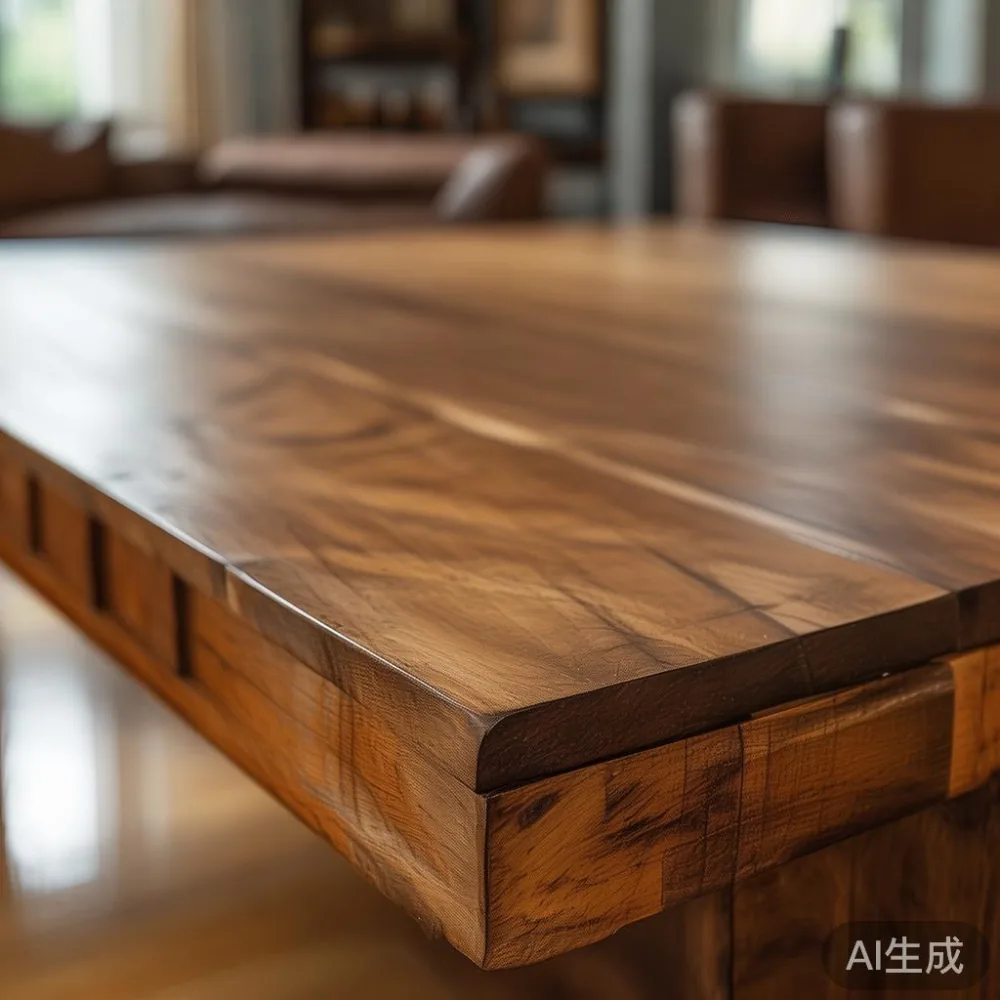
For a compact 3-room HDB flat with a living room of about 18–25 sqm, a coffee table measuring 90–110 cm long and 45–55 cm deep is usually manageable. A round table with a 60–75 cm diameter can work better where circulation is tight because there is no sharp corner and the footprint is more flexible. In a larger condo living area of 30–45 sqm, a 110–130 cm rectangular table gives more surface area without looking excessive if its base is visually light.
The table should also be lower than the sofa seat. A common target is 35–45 cm from the floor, compared with a typical sofa seat height of 40–45 cm. The difference of 5 cm is enough to create a comfortable relationship without making the table look like a side table. A 35 cm-high table is useful for reaching a cup in a compact arrangement, while a 45 cm-high table suits a deeper lounge layout.
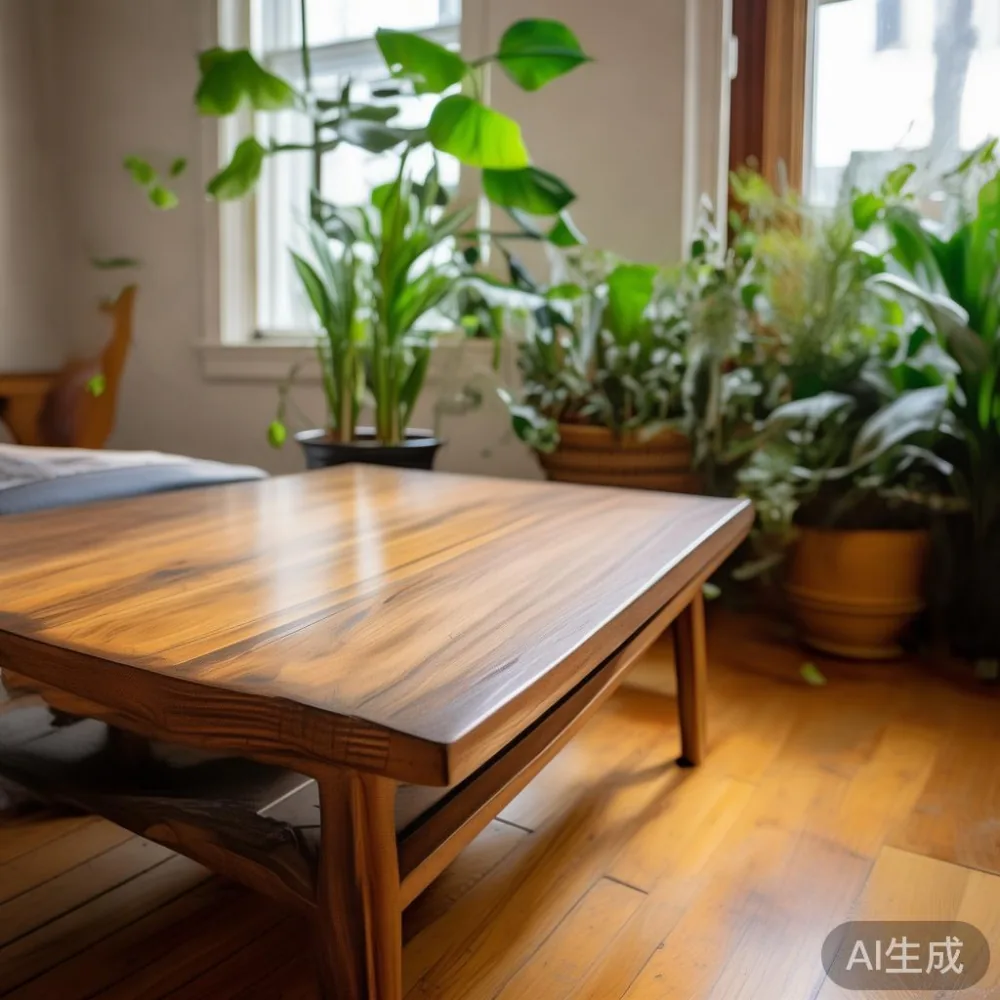
Do not rely on showroom photographs. Take a tape measure, sketch the sofa and television positions, and mark the coffee table’s proposed footprint with masking tape on the floor. Spend 10 minutes walking around it. If the route from the lift lobby to the living room feels blocked, reduce the length by 10–20 cm or change the shape.
What are the easiest coffee-table sizes for HDB and condo living rooms?
For narrow rooms, the longest dimension should usually be no more than about half the length of the sofa. A 180 cm sofa can pair comfortably with a 90–100 cm coffee table. A 200–220 cm sofa can carry a 100–120 cm table, provided the surrounding walkway remains at least 70–80 cm where possible. These are guides rather than fixed rules, because a floating room with few doors may tolerate a slightly larger table than a tightly enclosed HDB living room.
A useful Singapore-specific example is a 12 sqm living room with a 160 cm sofa. A 75–85 cm round or oval coffee table would preserve more movement than a 110 cm rectangular model. A 25 sqm space with a 200 cm sofa has more flexibility, so a 100–120 cm table can become the visual anchor. Measure the clearance in front of the main entrance door too; a table that looks fine from the sofa can obstruct a route from the bedroom corridor.
Keep a minimum of 60 cm between the table and curtains where possible, and do not place it directly in front of a sliding door. For a family with children, rounded corners are often more reassuring than a sharply squared solid wood design. A table with a lower shelf may provide storage, but avoid making the shelf the reason to choose a bulky piece. A slim top with one tray and one book is usually less crowded than a table with several open compartments.
Which coffee-table materials suit Singapore’s light-luxury interiors?
Solid wood gives a coffee table warmth and durability, especially when the grain is visible and the finish is not excessively glossy. Teak, oak and ash are common choices for Singapore interiors because their colours work with both warm timber and painted walls. A 100 cm solid wood coffee table may weigh approximately 18–30 kg, depending on the construction, so check that the lift and corridor can accommodate the packed carton rather than assuming a compact model will be light to move.
French light luxury tends to favour pale woods, curved profiles and restrained hardware. Post-modern light luxury is more graphic, allowing a rectangular coffee table with a clean top and a sculptural base to contrast with a plain sofa. American light luxury leans towards generous proportions, deep-toned wood and a substantial silhouette; that approach can still work in a condo if the table is kept visually slim and the room has at least 25–30 sqm of usable living space.
For a marble table, a pale cream or grey stone can make a small room look composed, but the surface needs a simple base. Use one ceramic vase, a stack of 2–3 books and perhaps a 25 cm tray. Avoid placing a large decorative bowl on every corner. A marble coffee table may weigh 45–80 kg, which makes delivery planning more important.
Finishing matters in Singapore’s humid climate. Ask for a moisture-resistant finish, protective coasters and clear care instructions. A well-finished solid wood top can be refinished over time; MIDHILL’s lifetime refinishing service is a practical point of difference when a table is used every evening. The company’s 10-year structural warranty also gives confidence in the joints and frame, although the warranty should be read with its stated terms.
How can I make a small coffee table feel lighter?
Choose visible negative space. A table with four slender legs, an open frame or a single pedestal base usually takes up less visual attention than a solid block of wood. If the coffee table has drawers, keep the fronts flush and use one handle style rather than several contrasting fittings. A light finish against a darker sofa creates separation, while a matching dark table can disappear into the room, which is useful when the sofa already provides strong visual weight.
Keep the styling to 3–5 objects. A 30–35 cm tray, a small vase of 3–5 stems, a 2-book stack and a candle can be enough. Leave at least one corner empty. The empty space is not wasted; it gives the eye a place to rest and makes the table easier to use. For a rectangular model, place the tray slightly off-centre rather than in the middle, and align the books with the table’s edge. For a round table, use a low bowl rather than several tall objects.
Light also changes the perceived size of the room. A 40–50 cm table lamp placed behind the sofa can create a layered evening arrangement without adding a floor lamp. Keep cables to one side and use a 2 m braided cable where the outlet allows it. If the coffee table sits near a window, a pale top will reflect daylight; if the room is darker, a medium-tone timber can add warmth without requiring extra décor.
Can a coffee table work with a compact sofa and a multi-purpose bedroom?
Yes, but the coffee table should support the room’s busiest route rather than dictate it. In a small condo, a sofa facing a TV often has to share space with a dining table, study corner or display cabinet. A 70–90 cm round coffee table is easier to reposition than a 120 cm rectangular one. A model with a lift-up top may even double as a 50 cm-high occasional surface, although it should not be expected to replace a dining table in a room with less than 12–14 sqm.
The same restraint applies to a bedroom that also serves as a study. A 45–55 cm wide nightstand is more appropriate beside a 120–160 cm bed frame, while a compact coffee table can occasionally act as a low bedside surface if the distance is comfortable. When choosing a MIDHILL bed, check the delivered dimensions, not only the mattress size. A 150 cm bed frame may have an width of 156–162 cm, and that difference matters in an HDB bedroom with a narrow side passage.
For occasional guests, consider how the living room changes at night. A coffee table with a lower shelf can hold 2 baskets, but avoid storing bulky items where they are visible. Boho for guest room styling can be handled with one woven textile, a 35–45 cm lamp and a simple wall picture; it does not require a large number of objects. If a separate guest-room arrangement is planned, under 2000 Boho furniture can include a compact chair, slim nightstand and lightweight textile rather than a full matching suite.
Will a coffee table fit through the lift and corridor?
This is a question worth answering before ordering. Singapore HDB blocks vary, and a table that fits the apartment door may still be awkward in a narrow common corridor or a sharp lift turn. Ask for the packed carton dimensions and the gross weight. A 110 cm coffee table may arrive in a carton around 115 × 65 × 35 cm, while a marble version may need a reinforced crate and a heavier delivery team.
Some furniture is delivered flat-packed; others arrive assembled. Flat packing can reduce corridor pressure, but it may require 20–30 minutes of assembly and 1–2 people. Assembled delivery may reduce work at home but needs a clear route. Measure the lift door, the distance from the lift to the flat, any 90-degree corridor turns, and the doorway at the apartment entrance. Allow 5–10 cm of handling room around the carton.
For orders above US$350, MIDHILL offers free shipping, but the service terms and destination should be confirmed for Singapore. Typical delivery planning is 7–14 days after production and dispatch, with 2–5 additional days possible around holidays or peak periods. Ask whether the quotation includes GST, installation, lift booking and damage inspection. Singapore GST is 9%, so a listed item of SGD 1,200 becomes SGD 1,308 after tax if tax is not already included.
Returns are generally accepted within 14 days under the stated policy, but custom sizing, special finishes and certain made-to-order pieces may have different conditions. Confirm the finish, colour sample and dimensions in writing. A clear photograph of the packed carton before opening it can also help document any transit damage.
How do I style a coffee table with a solid wood sofa, dining table or wardrobe nearby?
Coordinate the room by repeating one colour rather than matching every piece. A solid wood sofa with a medium oak frame can sit near a pale oak coffee table and a dining table in a slightly deeper tone. If the dining table is dark walnut, a medium-toned coffee table bridges the sofa and dining area. Keep the coffee table lower and quieter than the dining table so the two surfaces do not compete.
A wardrobe is usually best kept in a bedroom or an integrated storage area. If the living room contains a full-height wardrobe, keep its doors closed and style the coffee table with a lighter colour to preserve contrast. The same principle applies to a marble table: if the marble already has strong veining, choose a plain ceramic tray and avoid another patterned object.
For a compact layout, place the coffee table 10–15 cm from the sofa’s visual edge only when the arrangement is deliberately intimate. More commonly, leave 35–45 cm so the table is usable. Sit down and place a cup on the table. If the cup is difficult to reach or your knees hit the edge, the table is too tall or too close.
Some buyers compare a Japanese sofa vs Nordic sofa while planning the whole room. A low Japanese-style sofa generally needs a low coffee table, around 30–38 cm high. A Nordic sofa with a more upright back can support a 40–45 cm table. The coffee table should follow the sofa’s seating posture, not a generic catalogue dimension. If the sofa has a deep seat, choose a narrower table so the distance remains usable.
For a more coordinated look, remember that Japandi for small living room design depends on proportion and restraint. Pale wood, simple forms and 2–3 repeated colours can make a 15–20 sqm flat feel composed without adding unnecessary pieces. A coffee table with a 100 cm top and slender legs can provide the same balance as a larger table with more visual weight.
What should I check before ordering a coffee table?
Check the top dimensions, height, leg clearance, weight, carton size and delivery route. For solid wood, ask whether the top is solid timber or veneer over an engineered base; the two can have very different prices and care requirements. Confirm the finish with a sample, and ask about movement in Singapore’s humidity. A good coffee table should remain stable on its legs, with no excessive wobble when lightly pressed at the edge.
Decide how the table will be used. If it is mainly for coffee and occasional snacks, a smaller 80–90 cm top is enough. For books, remote controls and a serving tray, 100–120 cm is more practical. If children or older relatives use the room, rounded corners and a stable base are sensible. Keep the table at least 5–10 cm from a radiator or direct air-conditioning vent.
For design-led interiors, designer European light luxury furniture can be interpreted through a carefully proportioned coffee table, not through excessive decoration. A refined silhouette, a calm finish and a limited palette create the atmosphere. In the same market, wholesale European light luxury furniture is a sourcing term rather than a reason to overbuy; a single well-sized coffee table can do more for a small flat than several inexpensive accessories.
Last month I visited a colleague’s 3-room HDB flat in Bedok and helped test three coffee-table arrangements. The 120 cm rectangular table made the 16 sqm living room feel crowded, especially near the corridor. A 90 cm oval table preserved the route and still held a 30 cm tray, a cup and 2 books. The final version used a medium-oak solid wood top with slim legs, and the room felt more open after we removed 4 decorative objects from the sofa side table. That experience reinforced how much a few centimetres can change.
A well-chosen coffee table should be functional first and atmospheric second. Choose the smallest dimensions that support your daily use, check the delivery path, and style it with restraint. With the right proportion, even a modest 80–100 cm coffee table can give a Singapore apartment a finished, light-luxury character without making it feel crowded.