How to Care for a Lacquered Coffee Table in Singapore’s Humid Climate
A lacquered coffee table can make a Singapore living room feel calm and refined, but the region’s heat, humidity, salt-laden air and frequent hand contact place extra demands on the finish. At MIDHILL, we build our lacquered coffee tables for everyday use while protecting the surface from stains, scratches and moisture-related haze. This guide explains a practical care routine for HDB flats and condos in Tampines, Bedok and Punggol, including how to clean the top, manage condensation and judge when a mark needs professional attention.
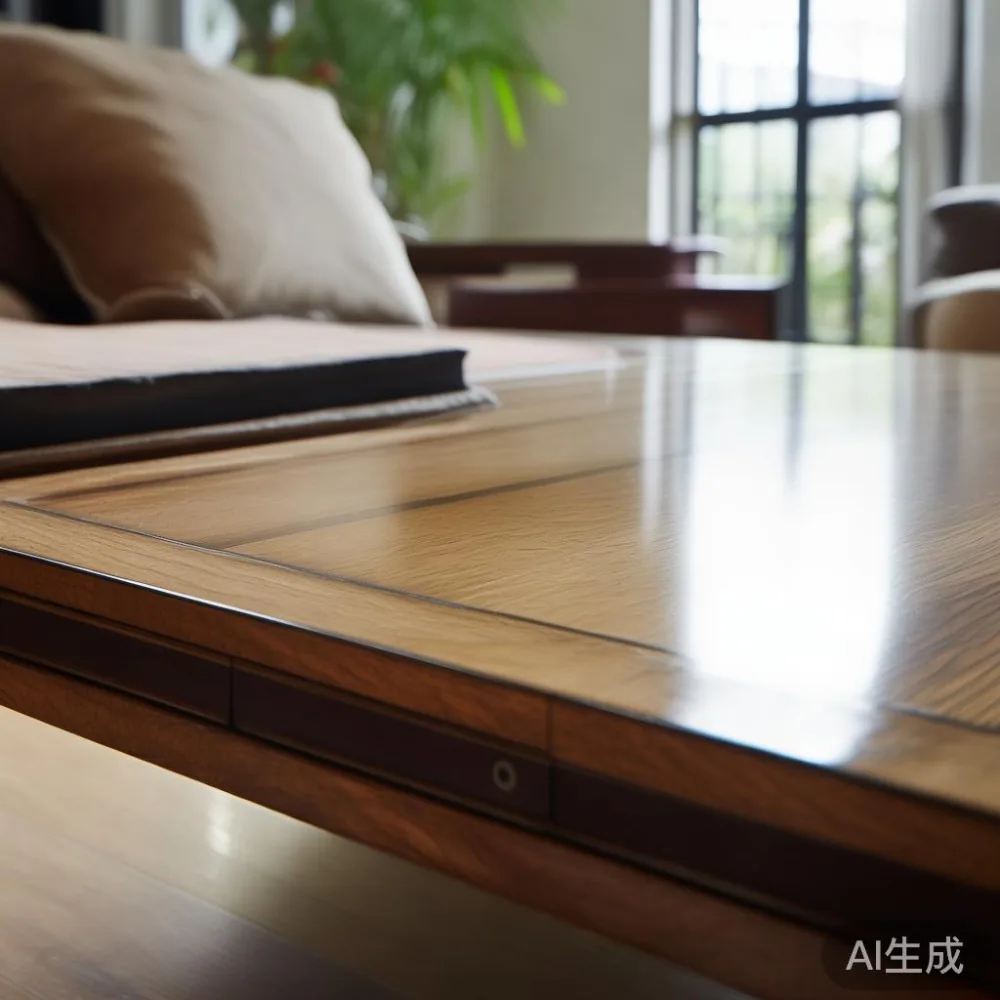
The same care habits apply to a light luxury coffee table, even when it sits beside a solid wood sofa, a marble table or a carefully styled dining table. Good habits matter because a lacquered surface is attractive but less forgiving of standing water, abrasive cloths and sudden temperature changes than unfinished solid wood.
Why does lacquer behave differently in Singapore?
Singapore’s relative humidity commonly ranges from about 60% to 85%, while daytime temperatures in many living spaces sit near 26–32°C. Lacquer dries to form a protective film over wood or another substrate. That film can resist ordinary spills, but prolonged humidity may produce a faint cloudy bloom, especially if the surface was already cool from an air-conditioned room and then exposed to warm, moist air.
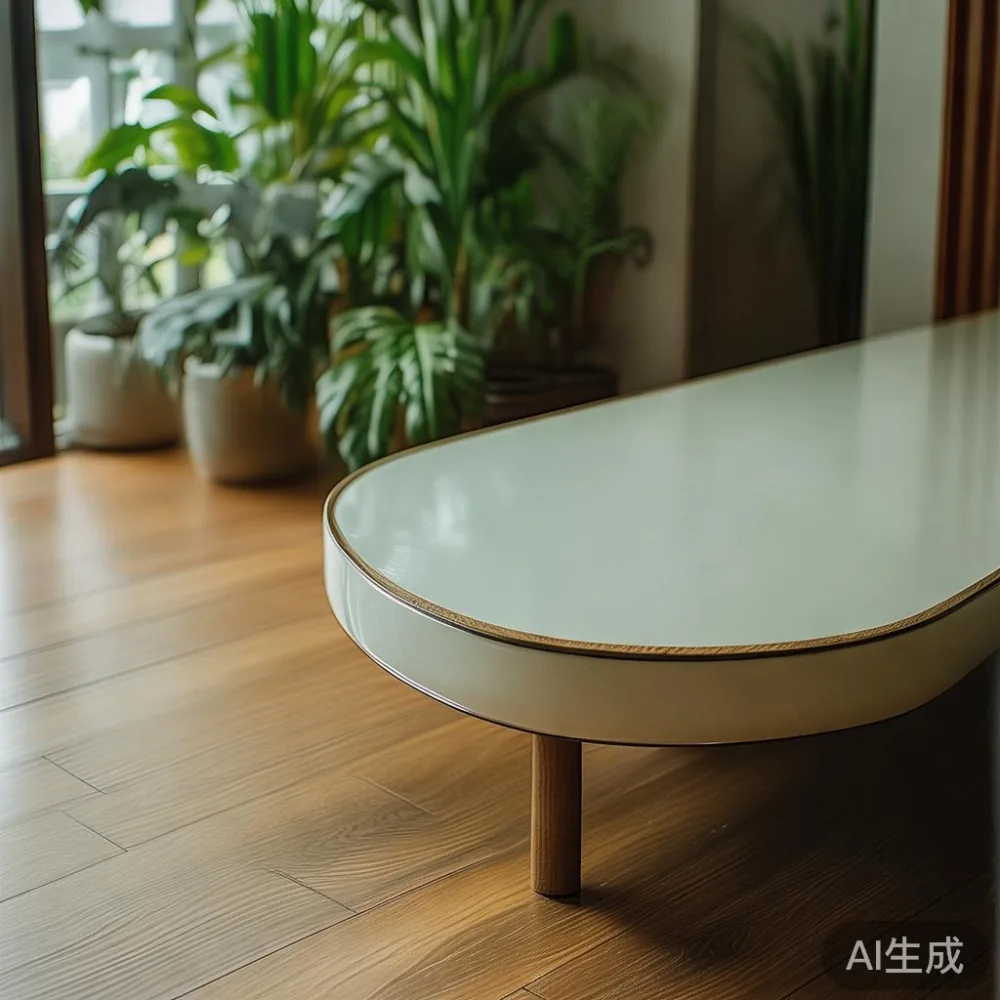
Air-conditioning itself is not the enemy. A room maintained near 24–27°C and 50–65% relative humidity gives lacquer a stable environment. The risk comes from repeated cycles: warm air enters a corridor, meets a cool tabletop, and leaves condensation on the finish. A table placed directly beneath a window, beside a balcony door or next to an air-con vent can experience this more often.
Light exposure also matters. Keep the coffee table at least 60 cm from windows receiving direct afternoon sun. A UV-filtering curtain can reduce fading without making the room feel closed in. In a compact HDB living room, positioning the table away from the air-con outlet also helps prevent dust from being blown against the lacquer.
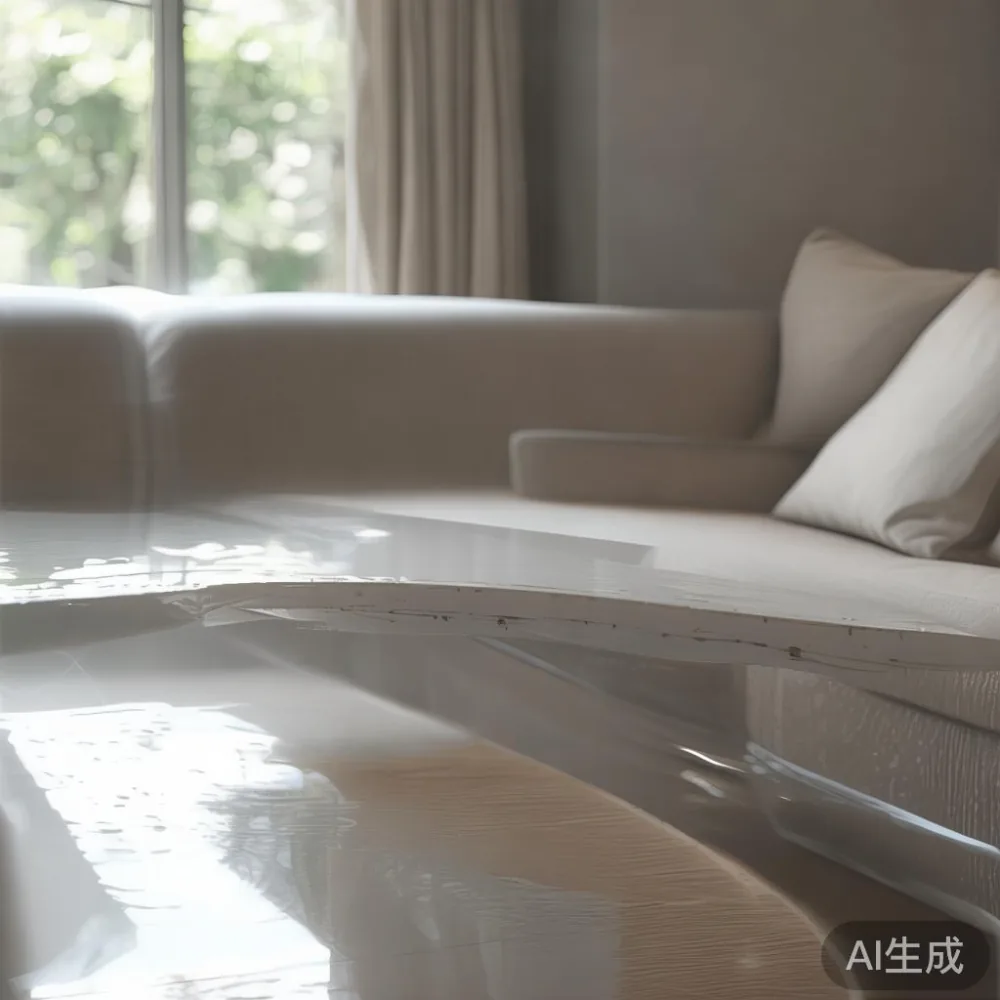
How should I clean a lacquered coffee table daily?
Start with the mildest method. Wipe the surface with a clean, soft microfibre cloth lightly dampened with plain water, then dry it immediately with a second dry cloth. The cloth should be damp, not dripping: aim for no more than about 5 ml of water on a 30 cm square area. A 90 cm round or rectangular coffee table needs the same gentle approach, with attention paid to the edges and underside of the rails.
For routine cleaning, dilute a small amount of mild dish soap in a bowl of lukewarm water. Use roughly 1 ml of soap per 500 ml of water. After wiping, remove any residue with a clean damp cloth and dry the top. Avoid spraying cleaner directly onto the lacquer, because overspray can enter joints or form a visible ring.
Do not use vinegar, ammonia, bleach, alcohol, acetone, wax, silicone polish or “furniture oil.” Even a thin wax layer can make the surface slippery and may interfere with future refinishing. A lacquer coffee table should not be treated like a solid wood dining table, where an approved oil or wax may occasionally be appropriate.
Use coasters and placemats, even if the finish feels smooth. A 10 cm coaster under a cup can intercept heat rings and coloured drinks. Clean spills within about 1 minute when possible, particularly for coffee, tea, red wine or ink. Lift the cup rather than dragging it across the top.
What should I do about scratches, stains and dull patches?
Light scratches can often be reduced without sanding the entire surface. Begin by washing the area with the soapy-water method, then dry it. A clean, white melamine foam pad can gently polish a shallow scuff on lacquer; use only light pressure and work in a circle no larger than the mark. Test an inconspicuous 5 cm section first because abrasive pads can flatten gloss unevenly.
For adhesive labels, use a plastic scraper held at about 30 degrees. Lift one corner slowly instead of pressing the blade down. Remove residue with a barely damp cloth and a drop of mild soap. Tape can be used on some lacquer finishes, but leaving it for more than 30 seconds may draw off the topcoat, so proceed cautiously.
Water rings and dull haze need different treatment. Wipe the mark once with a clean damp cloth and allow the surface to dry for 15–20 minutes. If the haze remains, do not keep scrubbing. A deeper repair may require a matched lacquer system and careful preparation by a refinisher.
Oil-based stains that remain after the mild cleaning routine may have penetrated the lacquer. Do not reach for a metal scraper or aggressive solvent. Photograph the affected area in daylight, measure the mark and contact the supplier or a specialist coating company. MIDHILL provides a 10-year structural warranty on eligible furniture and lifetime refinishing support, which is separate from ordinary surface-care advice.
How do I stop humidity and condensation from damaging the finish?
Give the coffee table 5–10 cm of clearance from walls where the layout permits. This allows air to move around the rails and base, reducing trapped moisture. Do not place the table against a cold bathroom wall, next to a washing machine or directly in front of a frequently opened service door.
In HDB corridors, a coffee table is normally used inside the flat rather than in the common corridor, where trolley traffic and wet umbrellas create additional risk. When moving furniture from a corridor into a lift or home, measure the table and check the route. For example, a 100 × 55 cm coffee table should fit through an 80 cm doorway if carried vertically, but its corners and packaging may require a wider turn. Have another person guide the far end rather than twisting the top.
For lift access, check the posted internal dimensions before delivery day. A typical passenger lift may offer roughly 100–140 cm of door width, but the usable depth and turning space vary by block. MIDHILL can confirm packed dimensions and the Singapore delivery timeline before dispatch. Local GST should be shown clearly in the quotation, and delivery to Singapore usually takes about 7–14 working days after production and dispatch, depending on the specification and schedule.
Inside the home, use a hygrometer and aim for 50–65% relative humidity where practical. Running the air-conditioner for 30–60 minutes after the family returns from outdoor activities can bring a humid room toward a more stable range. Dry the coffee table if condensation has formed, but keep moisture off the floor and avoid standing the piece against a damp skirting board.
Can a lacquered coffee table fit a small HDB or condo living room?
Yes, if clearance and circulation are considered before style. In many HDB flats, a coffee table around 90–110 cm long and 50–60 cm deep leaves reasonable space between a sofa and television unit. A round option of 70–90 cm diameter can work better where the route from the entrance to the balcony passes alongside the seating.
For light-luxury interiors, French light luxury tends to use curved profiles, soft upholstery and pale tones, while American light luxury often favours clean lines and darker woods. Post-modern light luxury can combine a sculptural base with a restrained top. A light luxury coffee table should therefore feel proportionate to the room, not simply conspicuous within it.
Keep at least 35–45 cm between the coffee table and the main seating area for easy movement, while allowing 40–50 cm around larger pieces. Confirm that a lifting service or narrow corridor does not force the table through a tight diagonal. Customers frequently compare categories such as a solid wood sofa versus a lighter visual profile using the phrase American sofa vs Nordic sofa; that same preference for restrained proportions can guide coffee-table sizing without crowding the room.
For coordinated storage, questions such as how to choose Italian light luxury wardrobe or is European light luxury sofa worth it often occur while planning a complete flat. A lacquered coffee table remains the focus here, so finish samples, clearances and care requirements should take priority over matching every other item perfectly.
What is the safest way to move and repair a lacquered coffee table?
Remove loose objects before moving the table. Lift it from underneath rather than pulling it by the rails. If two people move a 25–40 kg coffee table, one should support each end and agree on the route before lifting. Padding with moving blankets is useful, but avoid adhesive tape on the lacquer. A 5 mm layer of non-abrasive foam beneath the moving blankets can reduce vibration.
For minor surface marks, proceed from cleaning to gentle polishing. For peeling, cracking or a liquid stain that has entered a joint, stop using ordinary cleaners. Document the location, photograph the table from 60 cm away and provide the finish name if known. A refinishing decision is easier when the damage has not been enlarged by solvents or aggressive scrubbing.
MIDHILL was established in 2008 and exports to more than 15 countries, giving its production team practical experience with climate-sensitive furniture. The company’s Foshan base is connected with Foshan Lingzhan, a local manufacturing area known for furniture production and skilled finishing. That experience does not make lacquer immune to humidity; it helps support a considered finish and a repair pathway.
How do I know when a lacquered coffee table needs professional care?
Professional attention is sensible when a scratch exposes the substrate, a bubble appears after repeated moisture exposure, the finish lifts at an edge or a stain remains after careful cleaning. If the affected area is around 5 cm or smaller and shallow, a matched repair may be manageable. Larger areas across a 100 cm top are more likely to require refinishing under controlled conditions.
For other furniture in the same home, maintain a similar but material-specific approach. Check the best French provincial wardrobe for 2026 when reviewing solid timber and moving parts, and compare finish-care requirements when considering a Mid-century modern dressing table. A marble table needs its own pH-neutral cleaning routine, while a nightstand or bed frame should be checked for movement and floor contact. Those comparisons should support, rather than distract from, careful care of the coffee table.
Finally, make the daily routine realistic: a 3-minute wipe each evening, coasters beside every cup, and a 15-minute inspection each month. Look under the table for trapped moisture, inspect coaster contact points and check the finish beside the air-con vent. If a customer has a specific concern, ask the seller for a written care guide and warranty terms before ordering. MIDHILL offers free shipping on orders over US$350, although Singapore quotations are normally presented in SGD, with GST identified separately. Returns can be requested within 14 days under the applicable policy.
A lacquered coffee table suited to a Singapore home is not maintained by leaving it untouched. It is protected through quick cleaning, measured humidity, careful lifting and prompt attention to small marks. Those habits preserve the sheen, support the table’s appearance and make the surrounding room easier to live in.