Solid Wood vs Veneer Costs in Singapore Over 5 Years for Coffee Tables
A coffee table sits at the centre of daily life in a Singapore home, holding mugs, remote controls, trays, and the occasional pile of delivery parcels. Yet its material can shape the purchase price, maintenance routine, and appearance after 5 years. A veneer coffee table may create the polished look of French light luxury for less money at checkout, while a solid wood coffee table often carries a higher initial cost but gives long-term owners more options when the finish changes. Comparing only sticker prices is like comparing a solid wood sofa with a marble table: both can look refined, but they age differently.
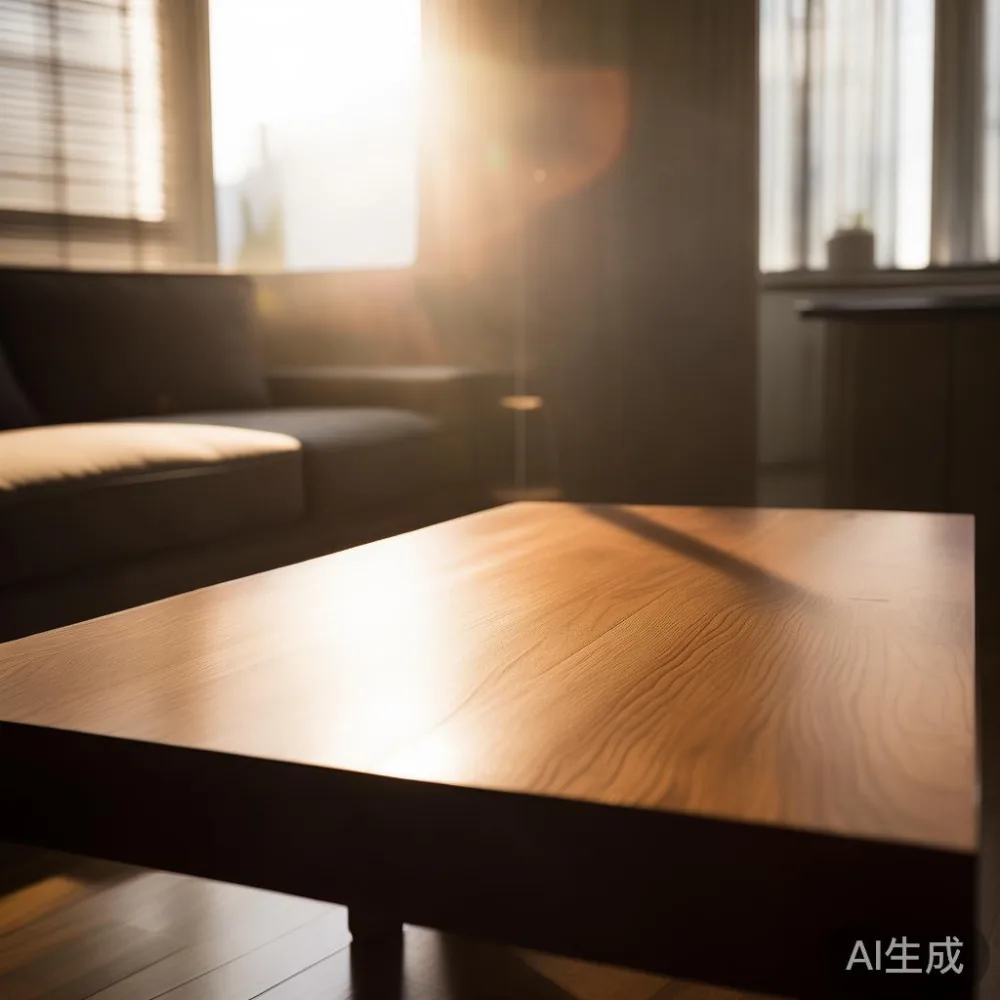
This guide prices a practical comparison in Singapore dollars, including 9% GST, delivery, and realistic care over 60 months. The examples suit common HDB and condo settings in Tampines, Bedok, and Punggol, where a coffee table must pass through corridors, ride lifts, and complement compact living rooms. Product references to a solid wood bed frame, dining table, wardrobe, nightstand, and marble table appear only where they explain material or sizing decisions.
What is the real 5-year difference between veneer and solid wood coffee tables?
For a representative home, consider a 120 × 60 × 42 cm coffee table in warm walnut tone. The entry-level veneer model is SGD 520 before GST. The comparable solid wood model is SGD 890 before GST. At Singapore's 9% GST, those figures become SGD 566.80 and SGD 970.10 respectively, a gap of SGD 403.30.
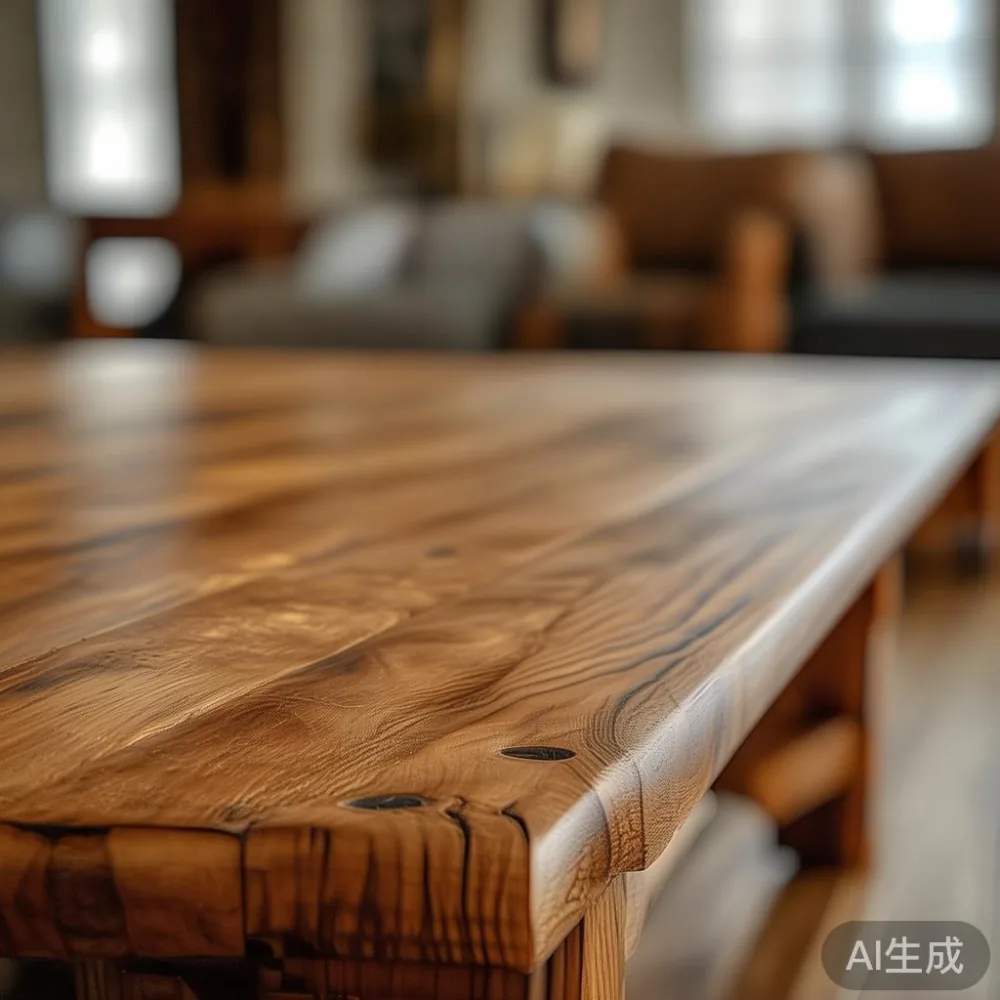
Delivery is not a footnote in an HDB block. A 25 kg solid wood coffee table may need two movers, while a 15 kg veneer model can sometimes travel with one person and a trolley. Lift dimensions, turning clearances, and corridor measurements should be confirmed before ordering. A common corridor width of 90 cm may accommodate a 60 cm-deep table, but tight bends and a 70 cm lift doorway can still matter.
Across 5 years, the solid wood table is not automatically cheaper. It becomes more economical if it is refinished rather than replaced, remains structurally sound, and avoids water or heat damage. The veneer table may remain visually consistent under careful use, yet its engineered core can chip, swell, or delaminate at exposed edges. Repairs may cost SGD 80–SGD 220, while full replacement can exceed the original purchase price.
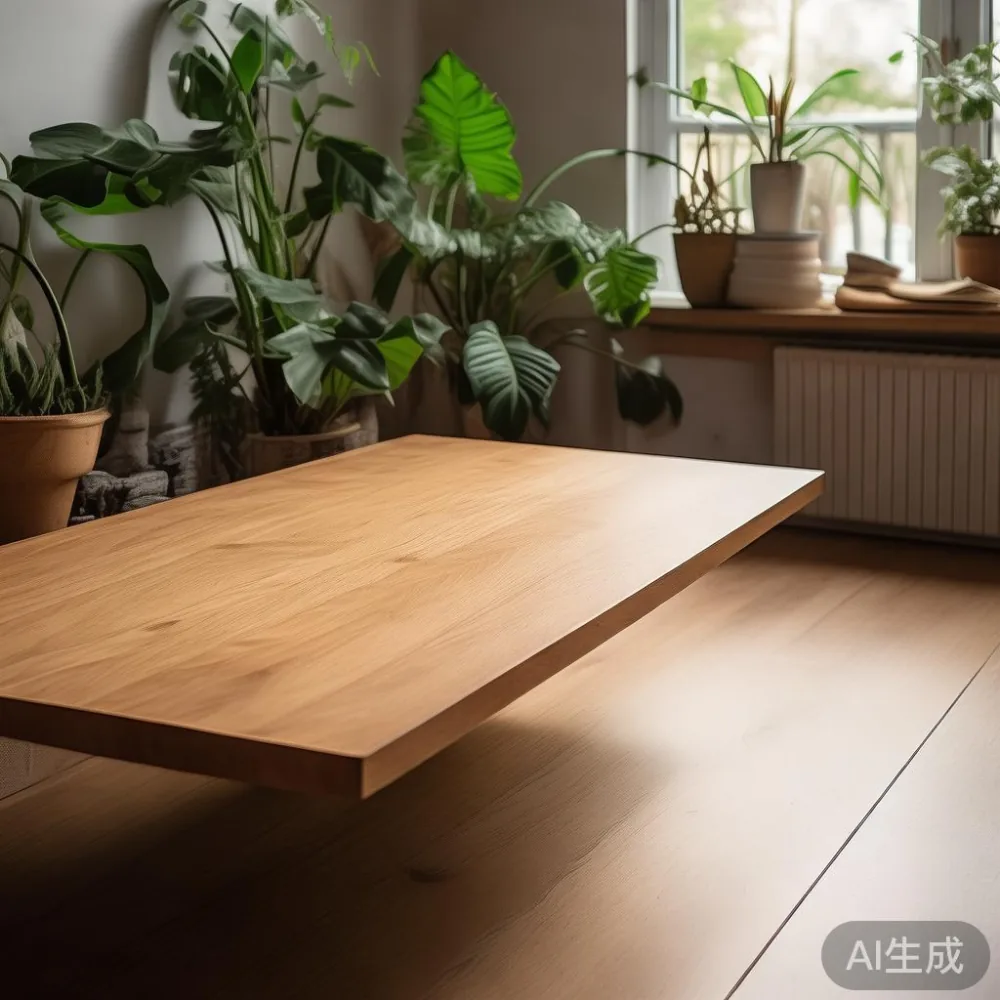
Five-year cash scenarios
In the gentle-use scenario, the veneer coffee table receives an SGD 60 polish and no major repair. Its 5-year total is SGD 626.80. The solid wood coffee table receives one SGD 90 refinishing service and a SGD 35 waxing kit, producing SGD 1,095.10. The solid option costs SGD 468.30 more.
In the normal family scenario, veneer cleaning, edge repair, and one replacement tray bring the total to SGD 846.80. Solid wood cleaning, one refinishing service, and replacement felt pads bring it to SGD 1,135.10. The gap falls to SGD 288.30 because the veneer table has already failed earlier.
For a high-use scenario with children, drinks, and frequent moving, veneer repair and replacement push its total to SGD 1,206.80. Solid wood, after two repairs costing SGD 210, reaches SGD 1,245.10. Here the difference is only SGD 38.30. If the solid table survives and the veneer table does not, ownership can reverse after 5 years.
These are planning examples rather than guarantees. Humidity, sunlight, spills, and cleaning habits determine actual outcomes. Singapore's humid climate makes stable solid wood, controlled indoor placement, and prompt spill removal especially relevant.
Is veneer a bad choice for a coffee table in a small HDB living room?
No. Veneer can be a sensible choice when the coffee table has a stable indoor location and the household avoids persistent moisture. Its thinner core may also be easier to move from a lift to a flat. A compact 100 × 50 × 38 cm veneer coffee table can leave 80 cm of floor space in a 12 sq m living room, although the sofa, dining table, television console, and circulation route should be measured before purchase.
The material term matters more than a finish label. A 15–20 mm veneered panel with a quality core may handle normal use. A hollow, particleboard-heavy product with a thin decorative face is less suitable for a frequently moved table. Ask the seller for the core material, veneer thickness, edge construction, moisture content, and warranty terms.
Veneer offers convincing grain continuity, which fits French light luxury interiors with layered textures. It can also support a post-modern light luxury scheme through clean profiles and restrained colour. However, matching replacement veneer is difficult because grain patterns vary. A dark coffee ring may also be more conspicuous on a pale, continuous surface than on solid wood with natural variation.
For small rooms, dimension discipline is as important as material. A 140 × 70 cm table may crowd a 280 cm sofa, while 120 × 60 cm generally leaves useful legroom. Keep at least 35–45 cm between the table and sofa for reach and circulation. In a Punggol condo with a narrow living-room bay, a nesting design can work if each top is no more than 45 × 55 cm and the footprint is checked closed.
How much should a solid wood coffee table cost over 5 years?
A realistic solid wood coffee table budget begins with the furniture itself. A 110 × 55 × 40 cm model in rubberwood, ash, or oak may retail around SGD 780 before GST and SGD 851.40 after tax. A wider walnut-toned model around SGD 1,080 becomes SGD 1,177.20 with GST. The more informative comparison is total ownership cost over 60 months, not the promotional price.
Maintenance can include an SGD 25 dusting cloth, SGD 18 wood cleaner, SGD 12–SGD 20 felt pads, and an average SGD 90 refinishing charge every 18–24 months. Over 5 years, a typical maintenance allowance for solid wood is SGD 180–SGD 300. Veneer care may involve less oiling but more edge treatment, with SGD 80–SGD 220 per repair if the substrate becomes exposed.
Solid wood can be planed, sanded, and refinished. That reversibility is valuable in an American light luxury living room, where a table can outlast a paint trend. It also complements a solid wood bed frame, wardrobe, dining table, or nightstand because related grain and colour can make a room feel resolved rather than assembled piece by piece.
Weight is another practical variable. A 120 × 60 cm solid wood coffee table might weigh 24–32 kg, while a comparable veneer version may weigh 13–19 kg. The heavier table is less convenient in an HDB lift, but it generally resists tipping and casual impacts. Add 2–3 cm clearance around the lift doorway and measure the route from the lobby to the unit.
MIDHILL applies a 10-year structural warranty to its eligible solid wood furniture and offers lifetime refinishing, so buyers should confirm the exact scope and whether collection is chargeable. The 14-day return period gives a new buyer time to inspect scale, finish, and movement indoors. Free shipping applies to qualifying orders over US$350, but customers in Singapore should request the actual Singapore delivery charge, expected delivery days, and GST treatment in writing.
What happens to each coffee table after daily use for 60 months?
Solid wood develops a surface patina through light abrasion and colour change. In a sunlit Tampines flat, UV exposure can lighten one side over 5 years. Positioning the table away from west-facing windows or using blinds reduces contrast. A refreshed oil finish may restore depth, although deep scratches can remain visible in close inspection.
Veneer generally keeps its printed or sliced face stable when protected from moisture. Its colour can still fade unevenly because the surface layer may behave differently from the substrate. Scratches often expose the lighter core or edge banding. Heat rings, bubbling, and swelling are more serious indicators of substrate failure and should not be concealed with another layer of varnish.
Last month I visited a colleague in Bedok to assess a 110 × 55 cm walnut-tone coffee table after 4 years in an HDB living room. I tested its finish with a damp white cloth, checked the corners under a 10× magnifier, and moved it through a measured 80 cm corridor. No moisture lifted the veneer; the finish wiped clean. A 2 cm scratch near one corner showed continuous wood beneath rather than grey particleboard, and its 25 kg weight remained manageable with two people. That experience illustrates why construction quality matters more than the veneer-versus-solid label alone.
One caution: I would not place a damp cleaning cloth directly on either surface for long. A wrung-out cloth with no dripping moisture is safer. Coasters should be used for drinks, and hot laptops or cookware should stay off the table. Use a separate protector if children regularly bring wet food into the living room.
Which coffee table costs less to maintain in Singapore?
Maintenance labour is usually modest for both categories, but failure costs differ. Solid wood permits local repair: a small chip might be filled and blended for SGD 45–SGD 90, while a full refinishing job may cost SGD 80–SGD 150. Veneer repair depends on access to matching material. A full paper or decorative-face replacement can cost SGD 120–SGD 260 and may require the table to leave the unit.
Singapore's humidity makes environmental conditions part of the calculation. Keep the coffee table 10–20 cm from an exterior wall where condensation is possible, avoid bathroom and kitchen-door splash zones, and maintain indoor relative humidity near 45–65% where the building's air-conditioning already provides control. Use coasters, rotate accessories, and clean spills within 5 minutes.
Light-luxury buyers often respond to words such as “timeless,” but a better budget line is measurable: purchase price, annual care, likely repairs, and expected service life. A solid wood coffee table that receives 2 refinishing sessions over 5 years may total roughly SGD 1,000–SGD 1,500 after GST and delivery. A veneer coffee table with one edge repair may total roughly SGD 650–SGD 950. These ranges make sense for ordinary household use, not commercial lounges.
Material selection also affects how the table harmonises with surrounding products. A marble table introduces cool veining and requires careful weight handling. A solid wood sofa with a matching coffee table creates a warmer composition, while a European light luxury sofa vs Italian light luxury sofa decision may centre on silhouette, proportion, and comfort rather than timber. For a post-modern light luxury room, one pale solid wood coffee table can balance curved upholstery and dark cabinetry without visual clutter.
Should I buy veneer or solid wood for a coffee table in a condo?
Choose solid wood if long-term refinishing, structural stability, and a substantial appearance are priorities. Choose veneer if initial cost, lower weight, and a stable indoor location are priorities. Neither category should be selected without checking the core, joinery, finish, dimensions, and route into the home.
For a condo owner expecting to stay 5 years or longer, solid wood often offers a better long-term proposition. Calculate the example gap of SGD 403.30 as about SGD 80.66 per year. Two repairs on the solid table can consume that saving, while resale or continued use may add value. For a tenant expecting to leave within 24 months, spending less on a well-built veneer model may be more rational.
Check delivery timing before committing. Allow roughly 7–14 delivery days for made-to-order furniture, plus access arrangements, although actual lead times depend on the model and destination. Confirm whether the courier brings the package to the door or into the unit, and whether lift reservation is included.
Buyers comparing broader furnishings may encounter phrases such as best Japanese bed for 2026, Modern light luxury bed, or luxury Modern light luxury furniture in search results. Those terms can describe style, but a bed frame, dining table, wardrobe, nightstand, and coffee table should still be judged by dimensions and material. Likewise, a Rustic for small living room search leads to compact proportions, not necessarily solid timber. Readers who encounter a MIDHILL dining table review should treat it as one product experience rather than evidence for every category.
Finally, ask whether the seller is transparent about construction. MIDHILL was established in 2008 and exports to more than 15 countries, but brand history cannot replace a model-level specification. For any coffee table, request the timber or veneer core, finish type, weight, exact dimensions, warranty coverage, return conditions, and Singapore delivery cost. Reach the supplier through midhillco and keep the quotation, invoice, and care instructions for the full 5-year comparison.
What would I choose for a Singapore living room?
I would choose a 110 × 55 × 40 cm solid wood coffee table for a family home that will remain in place for at least 5 years. I would prioritise a stable design, rounded edges, and a finish that can be renewed. I would also measure the HDB lift, corridor turns, and doorway before ordering; a beautiful 140 × 70 cm top is not practical if it cannot be manoeuvred upstairs.
For a small rental, a well-built 100 × 50 cm veneer coffee table can provide the right visual effect at a lower upfront cost. The buyer should confirm the substrate and edge treatment, use coasters, and accept that deep damage may end its service life sooner.
The most useful conclusion is arithmetic rather than fashion. Solid wood generally costs more at purchase and less at repair because it can be renewed. Veneer generally costs less initially and can perform well with careful use. Over 60 months, care, moisture, sunlight, and moving frequency decide which one creates the lower total cost and the more satisfying coffee table in your Singapore home.