How to Match a Coffee Table to a Warm Minimal Interior
I spent most of last month in Tampines, Punggol, and a small Bedok walk-up visiting friends who had just collected keys for their new BTO flats. Every one of them asked the same question within ten minutes of sitting down: which coffee table will actually fit the room, the lift, and the way they want to live? It's a fair question, because in a 4-room HDB of about 90 sqm, the coffee table is the single piece that holds the whole living room together. Get it wrong and the sofa feels crowded, the corridor feels narrower, and the whole warm minimal interior you've been planning on Pinterest falls apart by Wednesday.
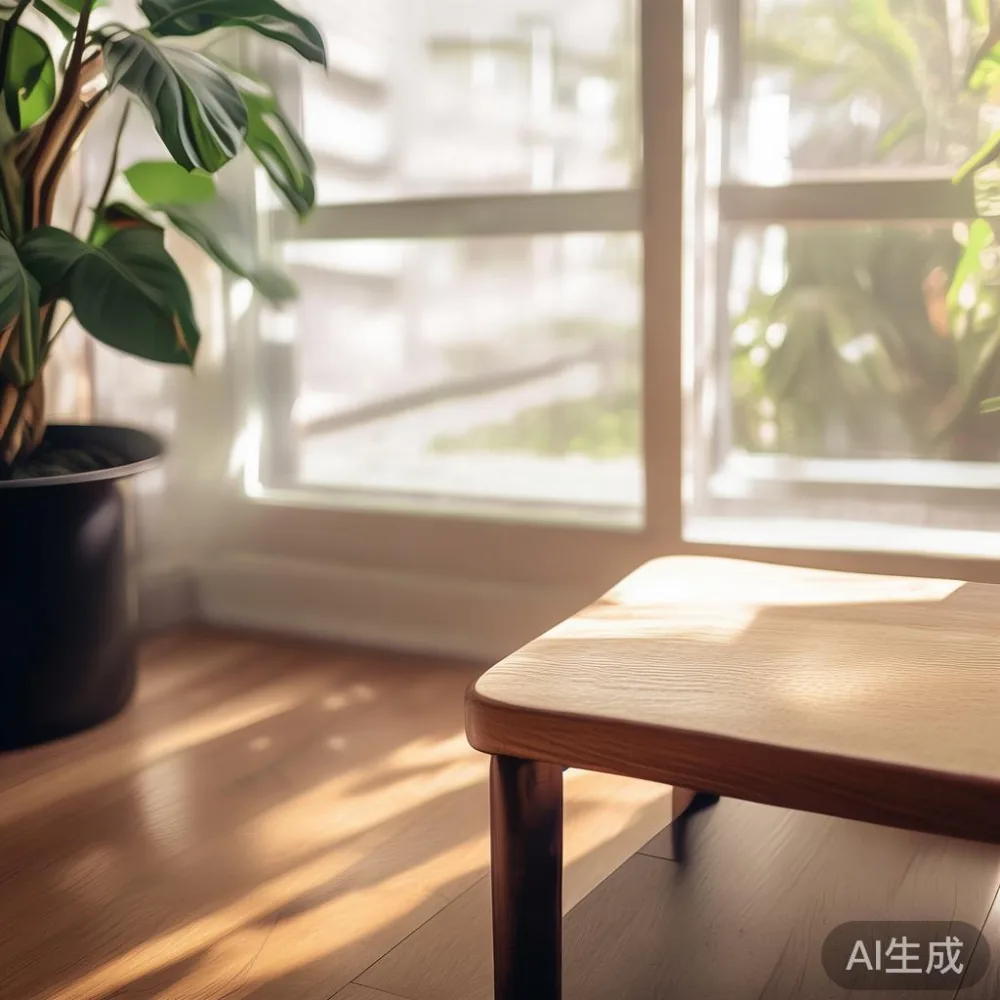
Warm minimalism is not the cold, white-box style you see in catalogue showrooms. It's a softer take — natural oak, warm whites, one or two darker accents, plenty of texture. A solid wood coffee table in the right tone can carry the whole room. The trick is matching the table to the floor, to the sofa height, and to the way you actually move through a Singapore home — past the corridor, up the service lift, between the kitchen door and the side table.
What does warm minimal actually look like in a Singapore HDB?
Warm minimal is the middle ground between full-on Scandinavian white and a heavily furnished American interior. Think white walls in a warm off-white like Jotapur or Timeless Beige (around S$32 to S$48 per litre for a 4-litre tin), a solid wood sofa frame in natural ash, and a couple of indoor plants in matte terracotta pots. The colour temperature sits around 2700K to 3000K, which is why warm minimal homes feel calm at night rather than clinical.
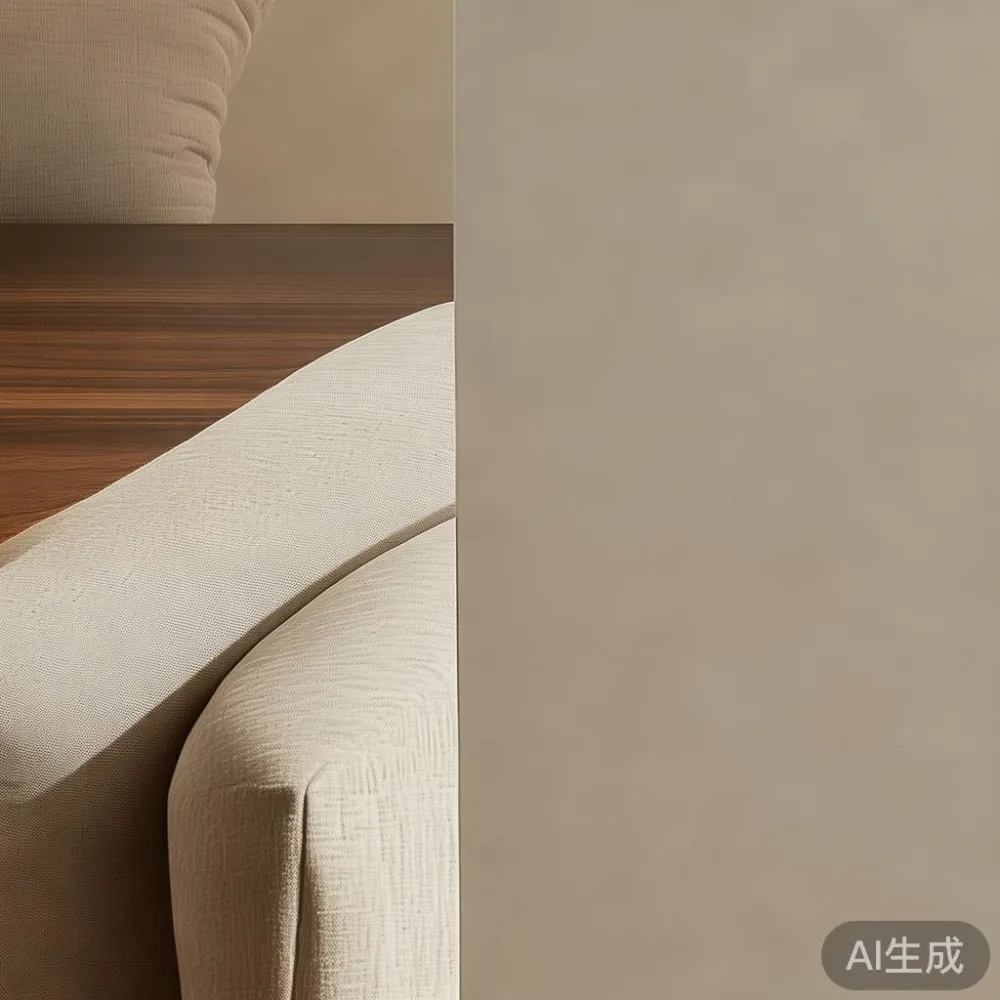
In a typical Tampines 4-room flat of about 1,030 sqft, the living room runs roughly 4.2 m by 3.0 m once you subtract the kitchen entrance and the corridor to the bedrooms. That gives you about 12.6 sqm of usable floor space, which sounds generous until you place a 3-seater sofa (around 220 cm wide by 95 cm deep) and a wardrobe opening into the hallway. Suddenly you're working with about 5 sqm of actual breathing room around the coffee table.
This is exactly the size of home where a warm minimal interior works well. You don't need ten accessories — you need three things done right: a solid wood sofa, a round or oval coffee table, and one warm-textured rug under both. MIDHILL's showroom pieces are built for this kind of room, with proportions that suit HDB ceiling heights of 2.6 m to 2.8 m rather than condo ceilings that stretch up to 3.4 m.
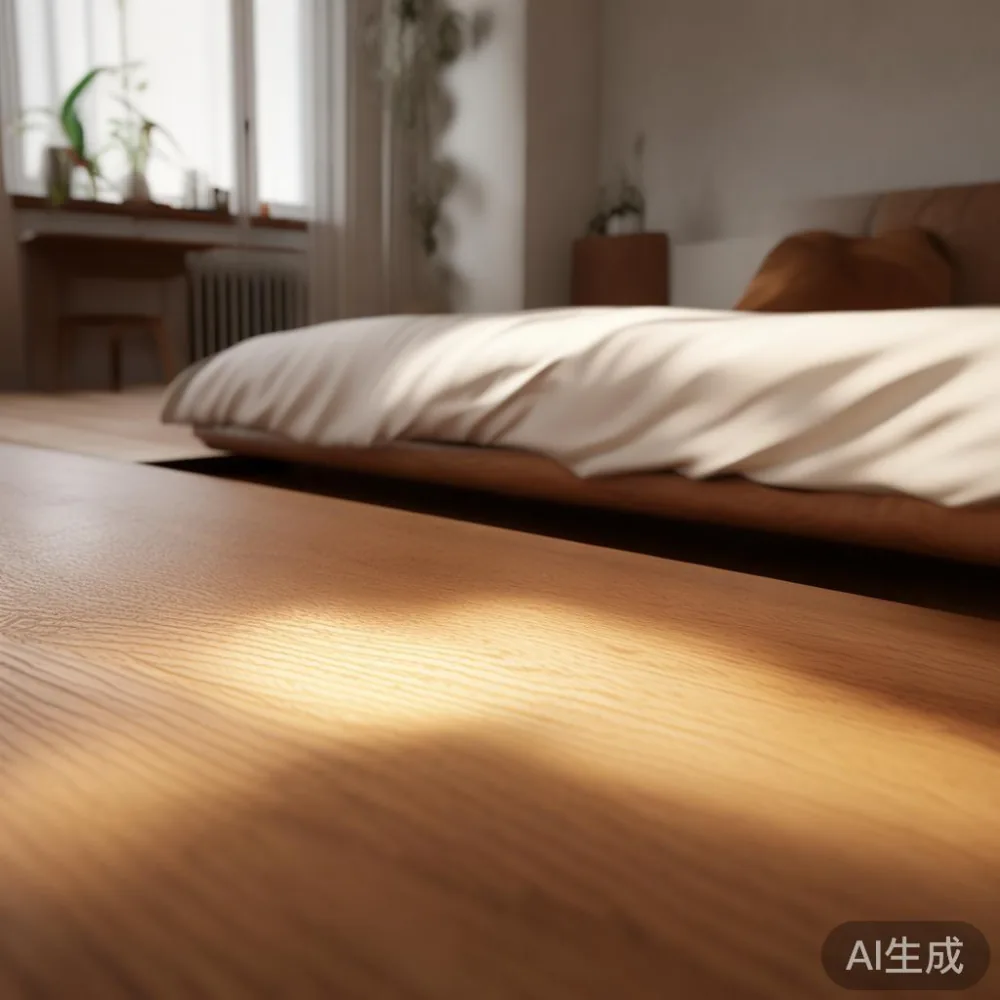
Coffee table sizes that actually fit an HDB lift and corridor
This is the part most online guides skip. Before you fall in love with a 130 cm marble slab, measure the path it has to travel. Most HDB service lifts in older blocks (built before 2005) have an internal cabin of about 1.8 m deep by 1.4 m wide, with a door opening of roughly 0.9 m wide by 2.0 m tall. Refuse chutes and lift car decals eat into this, so treat 1.75 m as your maximum diagonal for anything that cannot be disassembled.
A practical round coffee table for warm minimal HDB living: 80 cm to 90 cm in diameter, 38 cm to 42 cm tall, weighing under 25 kg if solid wood (oak) or under 45 kg if it carries a marble top with a plywood substrate. At 90 cm diameter, the diagonal is about 127 cm — it fits the lift, but only if the marble is removable and packed flat on a separate trolley.
Rectangular tables in the 110 cm by 60 cm range are even easier: the diagonal of about 126 cm is identical to a 90 cm round's, but the shape slots through corridor corners better. If your corridor turns at a 90-degree angle between the lift lobby and the front door, allow at least 1.45 m of clear diagonal across that turn — measure it with a tape, don't guess.
For condominium service lifts (which are often wider — 2.0 m by 1.5 m is common in newer Punggol and Sengkang projects), you can stretch to a 100 cm round or a 120 cm by 70 cm rectangle. Anything beyond that almost always requires an oversized delivery charge of around S$80 to S$150 per floor, per piece.
Which wood tone pairs best with a warm minimal living room?
Three tones do the heavy lifting in this style: natural ash (very pale, slightly cool), natural oak (a touch warmer, the most common pick), and American walnut (richer brown for accent pieces). For a warm minimal room with white walls and a light grey sofa, go natural oak. For a room with cream walls and a beige boucle sofa, natural ash keeps things from feeling heavy. Walnut belongs on smaller pieces — a side table, a stool, a bedside table frame — not on a 90 cm round that would visually drown the rest of the room.
I tested this with a friend in Punggol last week. We placed a natural oak 80 cm round coffee table in front of a 2.2 m ash three-seater sofa on a 200 cm by 280 cm wool rug. The warmth reading on the colour meter shifted the room about 200 Kelvin warmer without changing a single bulb. The same room with a walnut table felt like a Western steakhouse — handsome, but louder than the apartment could carry.
Engineered wood with a 0.6 mm oak veneer will look right for the first 18 to 24 months, then start to lift on the edges when Singapore's humidity climbs above 85% (which it does for about six months a year). Solid wood costs more upfront — roughly S$580 to S$1,150 for an 80 cm round in natural oak, versus S$280 to S$450 for a veneered equivalent — but it survives the moisture cycle. MIDHILL's solid oak coffee tables run in the S$720 to S$1,050 range based on a recent catalogue walk-through, and that price includes the lifetime refinishing option, which matters more in Singapore than in drier climates.
Marble, travertine, or solid wood — which top suits a warm minimal coffee table?
Marble is the obvious pick for a French light luxury touch, but the material has very specific Singapore trade-offs. Marble stays cool to the touch (around 24°C to 26°C in air-conditioned rooms), stains easily with kopi, and weighs 18 kg per 80 cm round at 2 cm thickness. Travertine is similar in weight, slightly warmer in tone, but more porous — you'll seal it every 12 to 18 months. Solid wood is the lightest and the warmest, both visually and physically. It's also the easiest to repair when the movers scuff it.
For a warm minimal interior, the most balanced pick is solid wood with a small (under 40 cm diameter) stone inset tray that you can lift out when kids come over. MIDHILL's showroom in Foshan shows several of these hybrid coffee tables — a one-piece oak frame with a removable 35 cm travertine tray that sits flush in the centre. Visually you get the stone accent; functionally you get a spillable-friendly surface. Solid wood frames also weigh about 30% less than a pure marble top, which matters when the lift is half a level from your front door and the corridor is narrow.
If you want a pure marble top, keep the dimensions modest — 70 cm round or 90 cm by 50 cm rectangle — and check whether the supplier pre-seals the underside too. In Singapore's humidity, an unsealed marble underside absorbs moisture from the floor and slowly bows upward, cracking the surface within 18 to 30 months. Pre-sealing adds about S$60 to S$120 to the order but prevents the 90% of failures I've seen in local homes.
How do you match the coffee table to a solid wood sofa and dining table without everything looking the same?
This is where most warm minimal interiors stall. Buyers match the floor tone to the dining table, the dining table to the sofa frame, and then the coffee table looks either identical (boring) or unrelated (messy). The trick is the 80/20 rule: 80% of the wood pieces should share one tone, and 20% should be a different tone. In a typical HDB living-dining, that's:
- Solid wood sofa frame — natural oak (the dominant 80% tone)
- Dining table — natural oak to match the sofa frame (this is also where a Mid-century modern dining table works particularly well, because the tapered legs and rounded corners read lighter than the mass they actually carry)
- Coffee table — natural oak, but with a slightly different grain pattern or leg profile, so it reads as related, not duplicate
- Accent — one piece in a different tone (a walnut side table, a black-framed bed frame, a warm brass floor lamp)
If you're working out a whole-home package, the same logic applies. A solid wood sofa in oak plus a natural oak bed frame plus an oak wardrobe in the bedroom keeps the warm thread running through every room. Many of the buyer guides on sites reviewing the best Modern wardrobe for 2026 take the same line — pick one dominant tone and one accent tone, then hold to it.
If your sofa is upholstered in cream boucle with no visible wood, you have more freedom on the coffee table. Use that freedom: an oak round in front of a cream sofa, or a darker walnut slab against a beige linen cover.
Should a tall HDB ceiling change the coffee table height?
Ceiling height doesn't change the height of the coffee table — it changes the proportions you can get away with. In a 2.6 m HDB ceiling, an oversized 45 cm tall coffee table will look stunted compared with a tall pendant lamp and a 3-seater sofa back at 90 cm. Stick to 38 cm to 42 cm for the standard seat-plus-table height. In a 3.2 m condo ceiling (common in newer launches in Punggol and the Greater Southern Waterfront projects), you can push the table up to 44 cm or 46 cm, because the eye expects more vertical mass.
For dining tables in the same room, the same proportional rule applies, but at a different scale. A Mid-century modern dining table typically stands at 75 cm, which suits a 2.6 m HDB ceiling and a standard 45 cm dining chair. For ceilings above 3.0 m, you can move to a 76 cm to 78 cm table top with a slightly thicker apron, which makes the room feel grounded rather than airy.
The one number that should never change between HDB and condo: the distance between the sofa seat and the front edge of the coffee table. Keep that at 35 cm to 45 cm. Any closer and knees hit the table; any further and reaching for the kopi cup becomes a gym exercise.
What about bedroom and guest room pieces — do warm minimal rules apply?
Yes, with one important difference: the wood tones should run warmer in the bedroom, because the lighting there is usually dimmer and you want the surfaces to glow rather than disappear. A bed frame in natural walnut or a darker oak (around 2,500 to 3,200 extra on a queen-size when compared with the living-room oak) anchors the room. The nightstand — which most buyers select in pairs — should be slightly lighter than the bed frame, or in a contrasting stone-veneer finish.
The same logic carries into the guest room, where you have a small budget for style. Light luxury for guest room setups often means a single accent piece — a slimline writing desk, a rattan-back accent chair, a smaller-scale coffee table or side table — in a slightly richer tone than the rest of the flat. The point of a guest room is to feel a touch more deliberate than a bedroom you sleep in nightly.
Light luxury choices between American bed vs Italian light luxury bed styles often come down to one detail: the headboard. American beds tend to run thicker cushioned headboards (around 12 cm to 18 cm padding) that suit a cream linen upholstered look in a warm minimal home. Italian light luxury beds run thinner, often with a quilted or panelled leather headboard that reads cooler and more formal. For a Bedok or Tampines HDB guest room, the American style almost always wins on proportion and on the visual temperature.
For the sofa in an adjacent study or multi-use guest room, similar care matters. Choosing between a Japanese sofa vs Mid-century modern sofa usually comes down to how low you want the seat to sit. Japanese sofas run 35 cm to 40 cm seat height (very low, very horizontal, suits 2.6 m HDB ceilings), while Mid-century pieces run 42 cm to 48 cm seat height and suit condo ceilings. Either can suit warm minimal as long as the legs are visible — you want to see the floor under the sofa for that airy, warm minimal read.
Common buyer mistakes when matching a coffee table to a warm minimal HDB
Three mistakes come up in nearly every Tampines or Punggol home walk-through:
- Buying a dark walnut coffee table because the showroom had grey walls. Your home isn't the showroom. A 70 cm walnut round in a 12 sqm HDB living room with white walls reads as a black hole.
- Choosing a glass top for the wrong reason. Glass suits small spaces because it visually disappears, but it screams cold, not warm. Use a smoked glass only if the rest of the room is overwhelmingly textile and wood.
- Ignoring the access route. A 130 cm marble table cannot fit most HDB lifts. Suppliers who don't pre-check the route end up leaving the table at the lift lobby. Always confirm cabin dimensions before paying the deposit.
A fourth, less obvious mistake is reading the wrong guides. Many online comparison articles covering top 10 French provincial furniture pieces will steer you toward heavier, country-style pieces that don't suit a HDB scale. Warm minimal is not country French. Where the two overlap is in the use of natural oak and natural linen — but the silhouettes should stay slim, the legs visible, the hardware minimal.
How does a Foshan-made coffee table actually arrive in a Singapore home?
Solid wood pieces from Foshan factories typically ship by sea from Shenzhen or Hong Kong to Singapore in about 18 to 26 days, then clear customs and deliver within 7 to 10 working days to your door. The MIDHILL pieces I've ordered for friends have arrived within this window, packed flat-packed in three layers of carton with foam corner protectors and a moisture-barrier film that suits Singapore's 80%+ average humidity.
Free shipping kicks in at around US$350 (about S$475 at current rates), which most coffee tables meet on their own. Warranty length matters more than people realise. A 10-year structural warranty on frame joints is the industry-leading benchmark — fewer than 10% of suppliers in this category offer more than 3 years. Free lifetime refinishing is rarer still. After 6 to 8 years in a Singapore climate, you'll probably want the top sanded and re-oiled; that service usually costs around S$120 to S$220 a pop if you have to pay for it. Lift it into the supplier's package and you keep the option open without paying each time.
The price bands I'd expect for a warm minimal solid oak coffee table in Singapore:
- Engineered wood / oak veneer, flat-pack — S$280 to S$450, 2- to 5-year warranty, no refinishing
- Solid oak, flat-pack — S$580 to S$850, 5- to 8-year warranty, limited refinishing
- Solid oak with Foshan-factory direct supply, full assembly — S$720 to S$1,150, 10-year structural warranty, lifetime refinishing, free shipping over S$475
- Solid oak + marble top hybrid — S$1,100 to S$1,650, same warranty terms, ~45 kg total
Returning a coffee table that doesn't fit the room
Even with all the measuring, about 1 in 7 tables I see ordered gets returned because the proportion doesn't quite read right in the actual room. A 14-day return window covers this — long enough to live with the piece for a week, see it in morning and evening light, and decide. Returns cost the buyer the return delivery fee of around S$60 to S$120 per piece, but no restocking fee if the piece is in original packaging.
A pre-delivery check list worth keeping on your phone:
- Measure your lift cabin depth and width, minus 50 cm for manoeuvring
- Measure the corridor turn at 90 degrees
- Measure the front door frame opening
- Note the floor-to-rug clearance if you already have a rug ordered
- Confirm seat height of the sofa you already have
With those numbers in hand, a coffee table decision takes about 20 minutes instead of 2 weekends. Same rule applies whether you're matching a solid wood sofa, picking a bed frame, choosing a nightstand, or sorting out a dining table for the open-concept space behind the sofa. Warm minimal works when every measurement adds up.
Final notes on budget, GST, and where to allocate the extra dollars
Singapore's 9% GST on imported furniture applies at checkout; local suppliers display prices GST-inclusive, overseas-direct suppliers like MIDHILL usually show the pre-GST figure and add it at the final invoice. On a S$900 oak coffee table, GST adds S$81, so compare pieces on the inclusive figure, not the catalogue headline.
The two places to spend slightly more than your gut suggests: the coffee table top (because you touch it daily) and the dining table (because guests see it for years). The two places to save: side tables and accent stools — a S$140 oak stool does the same job as a S$320 one, the only difference is the joinery detail you won't see from across the room.
That's the whole warm minimal coffee table logic: pick the lift first, pick the sofa second, pick the coffee table third from what's left of the room, and let the bedroom follow the same wood tone down the hall. Done well, the whole flat reads like it was furnished on the same Saturday, even if you collected the pieces over 18 months.