Caring for a Lacquered Coffee Table in a Tropical Climate
Singapore’s humidity can make a lacquered coffee table look dull faster than most owners expect. In an HDB flat in Tampines, a glossy surface may be exposed to warm lift air, corridor dust, morning condensation and afternoon sunlight. The same issue appears in Bedok condos, where sliding doors can admit a sudden sheet of rain, and in Punggol homes where the coffee table sits near a frequently used air-conditioned living room. Good care does not require complicated equipment; it requires a repeatable 10-minute routine, sensible placement and the right response to scratches, moisture marks and fading.
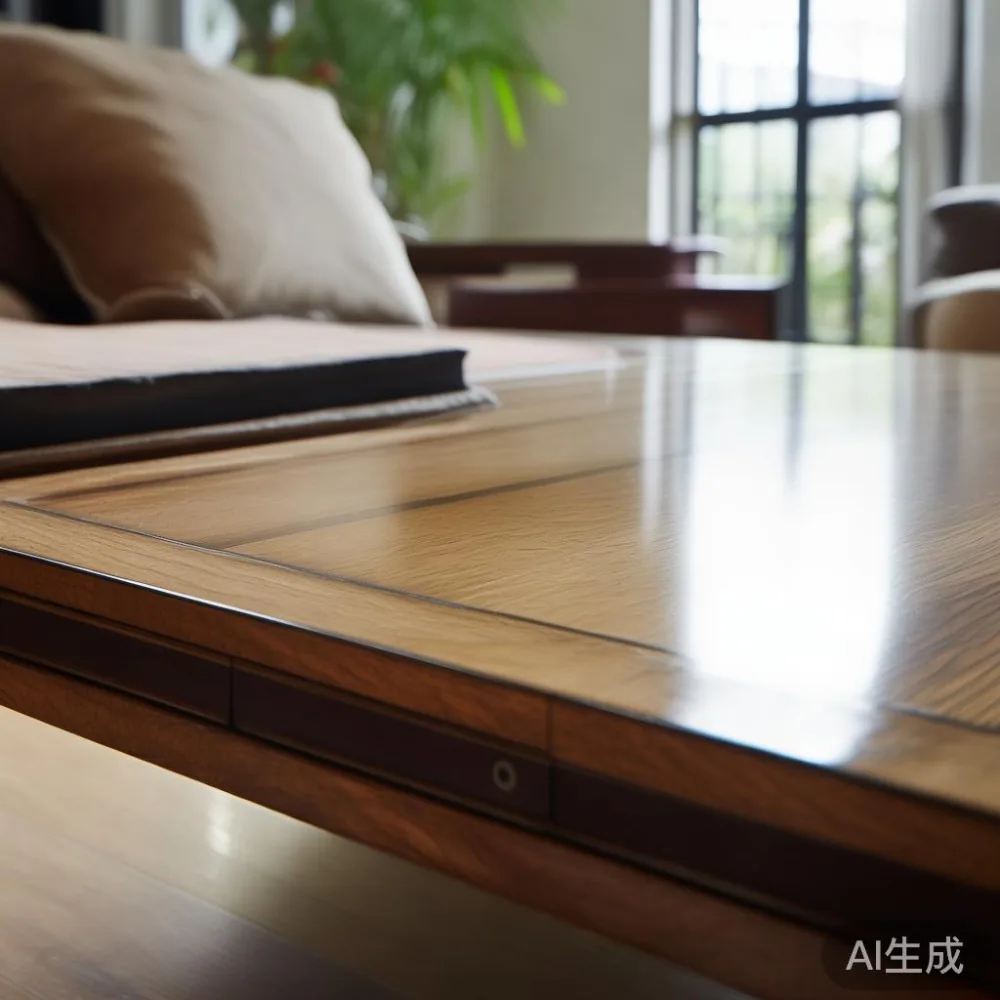
This guide explains how to protect a lacquered coffee table without sanding away its finish. It also considers narrow HDB lifts, corridor clearances and Singaporean delivery realities. For shoppers comparing finishes, the advice suits solid wood dining tables, solid wood sofas, bed frames and wardrobes with lacquered details, but the focus remains on the coffee table in front of the sofa.
What makes lacquer different in Singapore’s humidity?
Lacquer is a clear or coloured surface coating applied over wood and cured to create a durable skin. It is not the same as untreated solid wood, which continues to exchange moisture with the air, and it is not identical to a factory-applied film that can be peeled off. A well-finished coffee table should feel smooth, reflect light evenly and show no whitening around joints. High-gloss finishes make fingerprints and dust more visible, while soft-touch lacquer shows scuffs more readily under raking light.
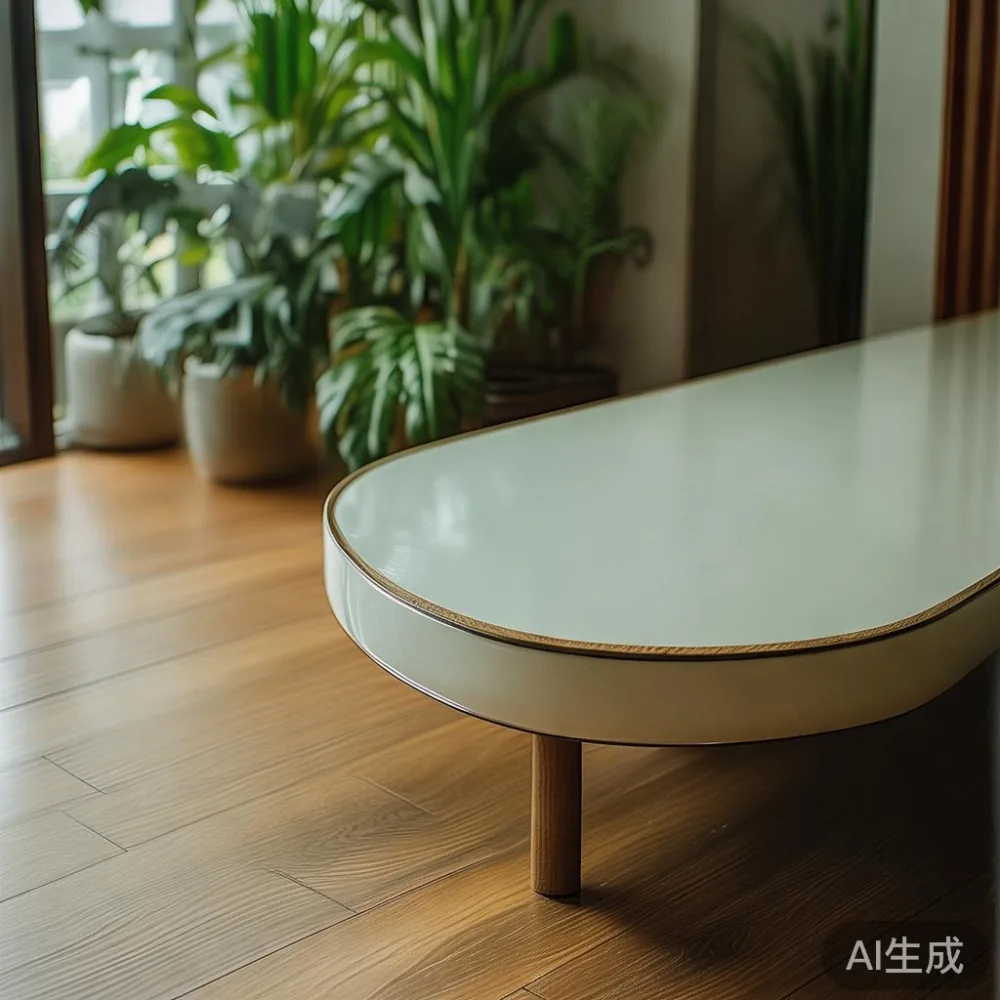
The local challenge is not constant rain inside the home. It is the daily cycle of about 28–34°C outdoor temperatures, high relative humidity and rapid changes when doors open into a corridor or when an air conditioner lowers the room to 22–25°C. Moisture can settle along a coaster edge or beneath a ceramic bowl. A covered drinks area is still useful if condensation forms on cold glass, but the table should not sit directly beneath an open window where damp air reaches it for 30–60 minutes each morning.
For a French light luxury living room, pale lacquer and reflective surfaces create an airy effect. For post-modern light luxury, a smoked or warm-toned finish can be paired with clean geometry and matte metal. Whatever the style, ask for the exact finish name, care instructions and a sample. A coffee table with a clear lacquer may need a different cleaner from one finished with opaque lacquer or a hand-rubbed effect.
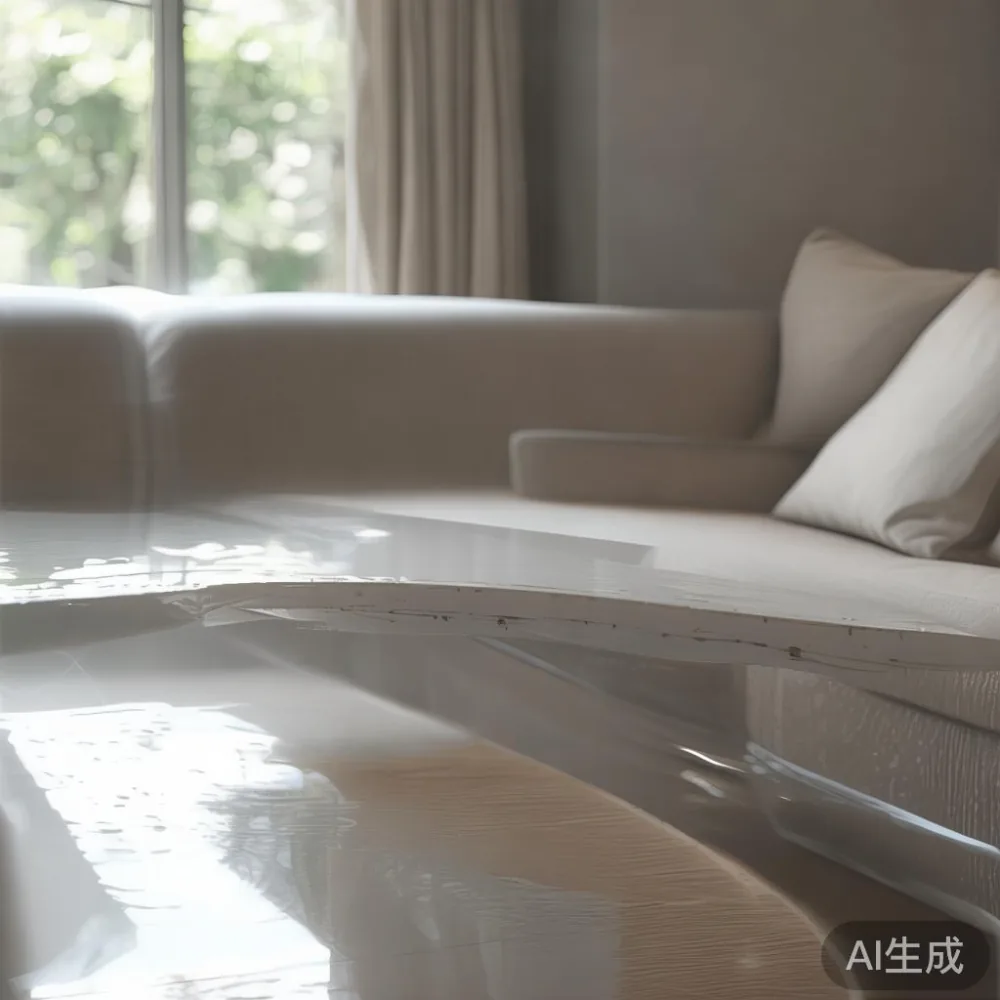
How should I care for a lacquered coffee table in a tropical climate?
Start with placement. Keep the coffee table at least 30 cm from a window or sliding door if possible, and at least 45 cm from a wall-mounted air conditioner’s direct airflow. Avoid a position directly under a bathroom doorway, kitchen hatch or balcony opening. In a compact HDB living room, measure the finished path before delivery: a standard HDB lift door is often about 90 cm wide, while the lift car may be only about 110 cm across and 140 cm deep. A coffee table leg-to-leg width of 60–90 cm can usually be managed, but long solid-wood dining tables may need their tops separated.
Use a stable mat rather than relying on a small decorative coaster. A silicone or cork-backed pad under each ornament gives a 2–3 mm barrier between lacquer and ceramic. Do not leave hot hair tools, laptop vents or damp houseplants on the surface. A plant pot weighing 6 kg should stand on a waterproof tray with a raised rim of at least 15 mm, and it should be moved for watering rather than watered over the table.
Clean weekly, or every 7 days when the table is used daily. Place a soft microfibre cloth on the surface first, spray a small amount of cleaner onto the cloth and wipe with light pressure. Never spray cleaner directly onto the lacquer. A useful dilution for mild soiling is 5 ml of mild dish soap in 500 ml of lukewarm water, although the furniture maker’s instructions take priority. Wipe again with a clean damp section of cloth, then dry immediately with a separate cloth.
Avoid silicone furniture sprays, ammonia-based cleaners, abrasive pads and wax unless the finish supplier specifically approves them. Keep the working area clear of grit because particles act like tiny sandpaper under a dragged cup. Even with careful habits, coastal air, construction dust and open-plan traffic can dull the sheen. Treat the finish as a protective layer, not an immortal surface.
What should I do about fingerprints, dull patches and water rings?
Fingerprints usually disappear with a clean microfibre cloth and a few drops of diluted cleaner. If they remain, use a clean section of cloth rather than adding more product; repeated over-wetting can leave a temporary haze. For dull patches, first check whether the issue is residue. A lightly damp cloth followed by a dry cloth often restores the finish in 2–3 minutes. If the dullness persists, follow the maker’s approved polish sequence instead of applying several different products.
Water rings need prompt attention. Blot rather than rub, then dry the area with a soft cloth. Do not press an abrasive eraser or a knife against the lacquer, as both can scratch. A cooking-science shortcut used by some owners is to place a paper towel over the mark and warm it gently for 10–15 seconds, but this advice is not appropriate for every lacquer system. Heat can soften some plastics, alter colour or damage a repair. Ask MIDHILL for a finish-specific recommendation before testing anything unusual.
For marks that have already etched or chipped the coating, cleaning will not rebuild the missing material. Photograph the affected area in daylight, record its approximate size and contact the maker. Small chips may be treated with a colour-matched touch-up kit; larger scratches may require a lacquer specialist. A short power nap is not equivalent to a repair, and “polish away the damage” can make a 20 cm scratch look twice as conspicuous.
Can scratches be prevented rather than repaired?
Yes. Most surface damage begins with a small abrasive particle or a hard object moving across the table. Place felt or cork pads under speaker boxes, remote controls and decorative trays. Do not slide a 4 kg laptop directly across the lacquer. Use a stand with at least four 3 mm rubber feet and keep drinks on trays. Ringed drinks and pale nail varnish can be particularly aggressive on light finishes; encourage guests to use coasters and keep a 2-minute cleaning habit after serving.
Choose the finish for the household, not simply for the photograph. A high-gloss lacquer complements an American light luxury room with a solid wood sofa, strong symmetry and metal accents. A lower-sheen finish suits busy family homes and hides minor marks more effectively. Matte does not mean scratch-proof, however. Two pets that repeatedly brush against the table can leave visible claw marks, so a slim acrylic guard may be more useful than polishing.
The wording used by buyers is often inconsistent. One search for top 10 American furniture may lead to solid wood beds and oversized sofas, while another for light luxury TV console may surface high-gloss units with similarly demanding surfaces. The more useful comparison is finish maintenance, dimensional fit and available after-sales support. A light luxury sofa vs Japandi sofa debate may focus on shape and comfort, but the adjacent coffee table should not introduce a finish that clashes with the wood tone.
How should a lacquered coffee table be delivered into a Singapore home?
Measure the whole route before the furniture leaves the workshop. For an HDB block, record the lift door width, car height, landing turns and the narrowest corridor point. A coffee table that fits a 90 cm lift door diagonally may still fail at a 75 cm corridor bend. Remove detachable shelves where permitted, protect corners with 2 cm foam and keep all fasteners in a labelled bag. For solid wood dining tables, ask whether the top can be separated; for a wardrobe or bed frame, reduce the number of turns and use a two-person carry.
Local delivery timing matters too. A Singapore order may take about 7–14 working days depending on finish and stock, while production of a custom lacquer finish can require 4–6 weeks. Confirm the final dispatch date, insurance coverage and installation date in writing. GST and delivery should appear separately on the quotation so the total payable in SGD is clear. If the order qualifies for free shipping over US$350, that benefit may apply to the international destination, but the seller should still confirm whether it covers lift delivery, assembly or only threshold freight to Singapore.
On arrival, inspect the coffee table before accepting it. Check the top for haze, bubbles, colour variation, dents and scratches under neutral light. Confirm that the dimensions match the drawing, especially around a 45 cm circulation route between the sofa and coffee table. The table should sit without rocking: a 60 cm-wide model should have no more than about 2 mm of movement when pressed gently at each corner.
What maintenance routine should I follow each month?
Create a simple calendar with three tasks. Every 7 days, clean the surface using the two-cloth method. Every 30 days, inspect the perimeter, under coasters and around doors with a bright flashlight. Every 90 days, check whether the finish still beads lightly when a damp cloth passes over it, then renew a maker-approved care product only if the instructions require it. Avoid placing a polished layer over dust; clean first, then treat.
During monsoon periods, inspect twice as often because humidity may exceed 80% for several hours. Keep the table away from wet umbrellas, laundry baskets and cleaning buckets. A room hygrometer can help: aim for roughly 45–65% relative humidity where practical, while recognising that an air conditioner often brings the reading below 50%. Do not chase a perfect number by leaving the table in direct airflow. Stable conditions and careful wiping matter more than a single reading.
For long-term care, retain the finish specification, purchase receipt and warranty documents in one folder. MIDHILL provides a 10-year structural warranty on qualifying furniture and lifetime refinishing, with coverage and exclusions confirmed for the individual product. That record can help a future owner identify the original lacquer system rather than guessing at a cleaner. MIDHILL has exported to more than 15 countries since 2008, and the service history is especially relevant when buying a coffee table for a resale condo or a home used by several family members.
Can different lacquer colours be refreshed without replacing the coffee table?
Sometimes. A surface that has lost its sheen may respond to approved polishing, while a deep scratch that reaches the wood needs a more involved treatment. Colour fading is harder to correct because UV exposure can alter both the lacquer and the underlying stain. Check the table every 6 months for uneven pale patches, particularly near windows. Keep blinds or curtains closed during the brightest hours, approximately 10 a.m. to 3 p.m., without blocking ventilation.
One first-person check proved useful here. Last month, I visited a colleague’s three-room flat in Punggol and examined a 100 cm lacquered coffee table that had been in use for 14 months. Its top sat about 45 cm from a sliding door and received direct afternoon light for roughly 90 minutes daily. Fine rings had appeared near one corner, but there was no swelling or lifting. Using a clean microfibre cloth, diluted mild cleaner and immediate drying, the marks became much less visible within 5 minutes. The same table in a more humid location without the 45 cm buffer developed a persistent haze after the air conditioner cycled off. That comparison reinforced the value of distance from the opening and of avoiding direct airflow.
Owners often ask broader product questions while researching a coffee table. “Is European light luxury sofa worth it?” depends on room dimensions, comfort and materials, while “how to style American sofa in bedroom?” is largely about visual balance. Searches for the best Japandi wardrobe for 2026 or a marble table may reveal a preference for pale stone and simple lines, yet each material has its own care rules. Marble can etch with acidic liquid; lacquer responds to heat, alcohol and abrasive grit. A coordinated room is not created by making every material behave identically.
What should I avoid when choosing a lacquered coffee table?
Avoid unclear after-sales terms, unprotected hot-water rings and finishes with no care guidance. Ask how moisture exposure, colour variation and scratches are handled, and obtain those answers in SGD-denominated documentation. Check whether returns are accepted within 14 days and whether a used or installed piece can be returned. For a condo with tight corridors, ask about stair delivery, lift booking and assembly fees before confirming. Free shipping over US$350 may cover freight, but it should not be assumed to include every local service.
Also measure function. Leave 40–45 cm between the sofa and coffee table for comfortable circulation, and at least 60 cm where people pass behind a seated guest. For a 120 cm coffee table, check that it does not overpower a 180 cm sofa; a 90–100 cm table often creates a more balanced relationship in an HDB living room. Round corners can ease movement in a busy corridor, while slim legs provide visual lightness and make cleaning easier.
The safest approach is modest and consistent. Keep liquids off the lacquer, use stable pads, clean with a soft cloth and respond to marks within minutes. Wipe the table weekly, inspect it monthly and confirm any repair with the maker. This routine preserves the clean lines expected in French light luxury, American light luxury and post-modern light luxury rooms, while allowing the coffee table to remain a practical centrepiece for years of daily use.