Veneer vs. Solid Wood Coffee Tables Cost in Singapore
A coffee table sits in the middle of daily life: it carries a mug beside the sofa, holds a laptop during breakfast, receives parcels in a Punggol flat, and becomes the surface a family uses while talking after dinner. Yet choosing one is rarely just a matter of appearance. For homeowners in Tampines, Bedok, and Singapore condos, the decision usually comes down to three constraints: the budget, the dimensions that can pass through the lift and corridor, and the amount of maintenance required over five years.
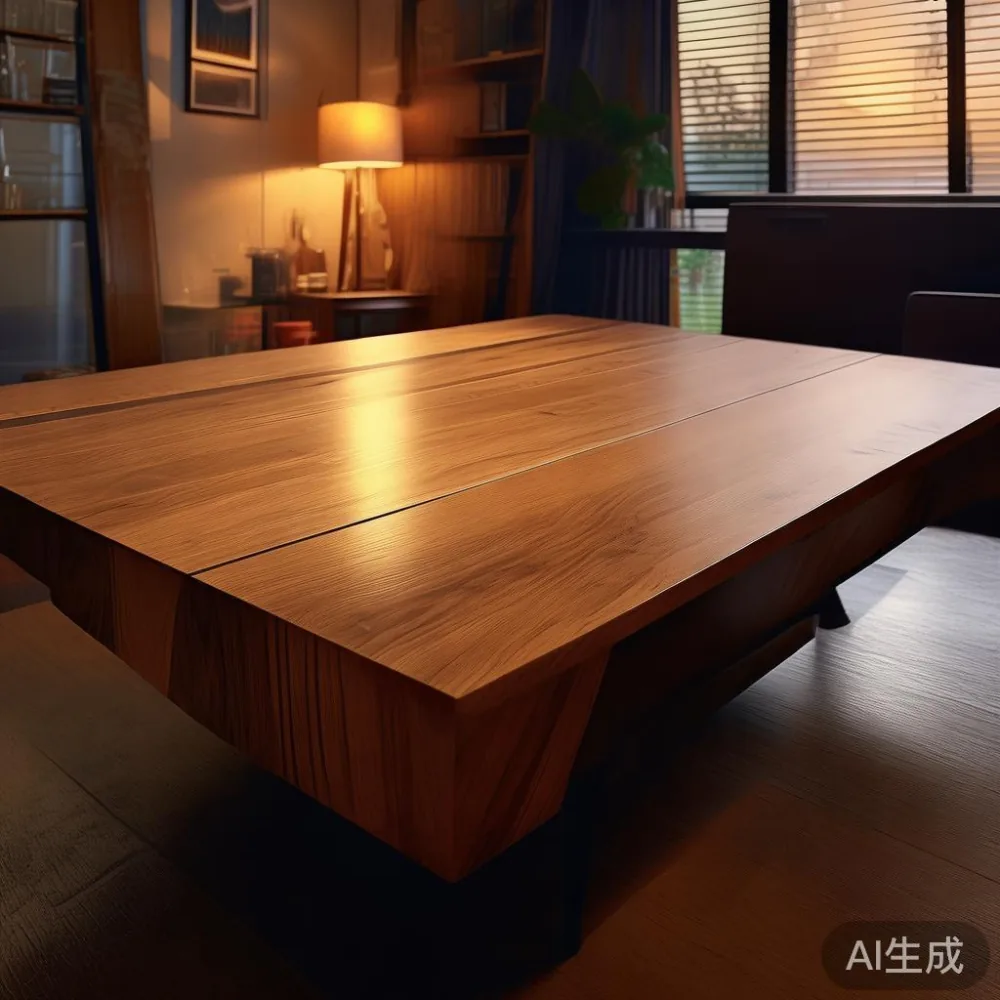
This comparison examines a typical 120 × 60 × 40 cm coffee table bought for SGD 699 as veneer and SGD 1,299 as solid wood. The figures include a practical purchase price, delivery, GST, estimated care products, and realistic repair or refinishing costs. They also account for the inconvenience of replacing a damaged top in a high-rise home. For readers searching under 2000 French furniture, the numbers show why material choice belongs alongside finish, joinery, and proportions.
MIDHILL makes solid wood furniture and has offered a 10-year structural warranty, lifetime refinishing, free shipping above US$350, and a 14-day return window since it was established in 2008. Those policies matter in this comparison, although the focus remains on the coffee table rather than a general catalogue.
Is a Veneer Coffee Table Cheaper Over Five Years?
Yes, in most situations where the table is used normally and is not moved frequently. A veneered coffee table has a real structural core covered with a thin layer of decorative wood. The core may be engineered timber, plywood, or another stable material. Veneer can provide convincing oak, walnut, or ash colour at a lower price because less expensive timber is used through the thickness.
For the sample purchase, the cost comparison looks like this:
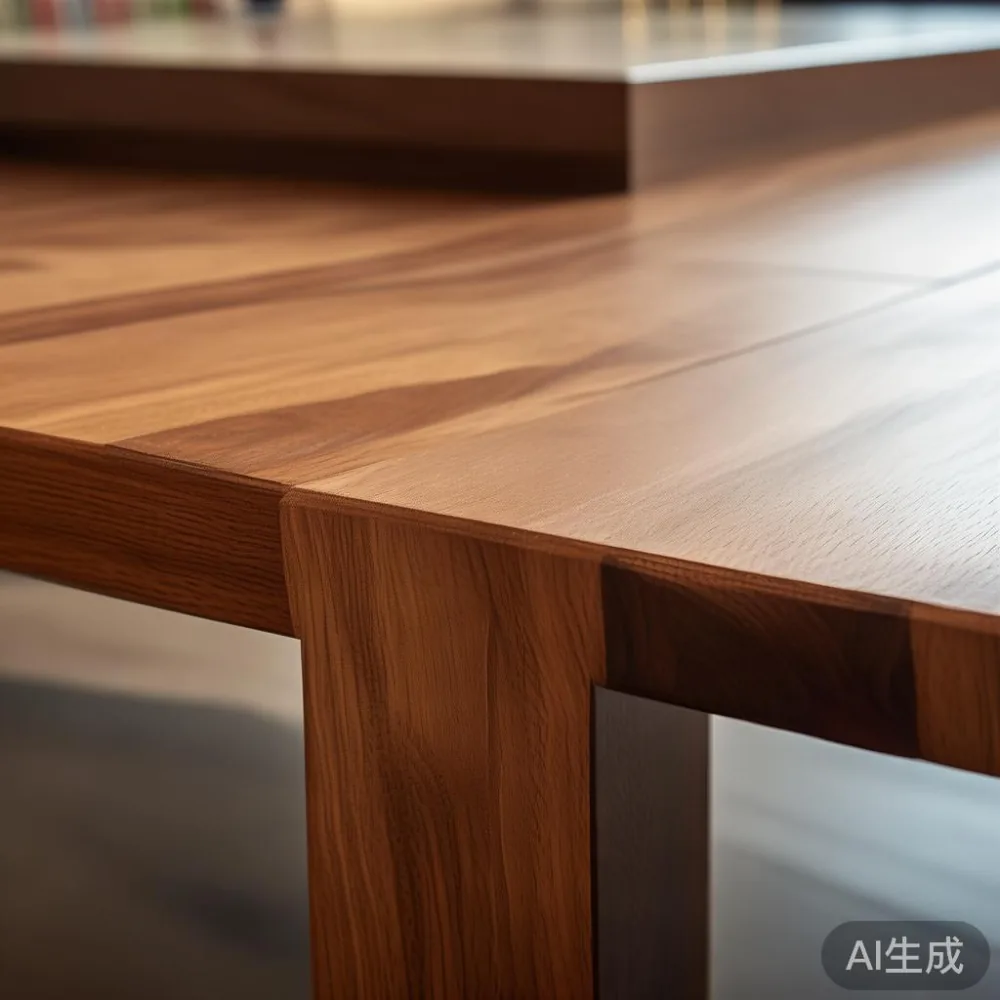
- Veneer coffee table: SGD 699 before GST; SGD 753.72 after 9% GST.
- Solid wood coffee table: SGD 1,299 before GST; SGD 1,415.91 after GST.
- Difference at checkout: SGD 662.19.
- Estimated delivery: 7 days for the veneer table and 10 days for the solid wood table, including dispatch to Singapore.
- Local delivery: SGD 35 for either 32 kg table to a ground-floor HDB unit, rising to SGD 60 for a lift or upper-floor delivery.
Over 60 months, the veneer option starts with a 46.8% lower purchase price than the solid wood option. It is important not to treat that opening saving as the final answer. Veneer has different risks: edge banding can lift, a water ring can be harder to disguise, and a scratched sheet may expose the core or require a whole top panel to be replaced.
For the calculation, I assume one replacement of a damaged veneer panel at SGD 360 in year four, including materials and local labour. Solid wood receives one local repair at SGD 95 in year two for a small split, plus SGD 150 in year five for sanding and refinishing. The estimated five-year spending is:
- Veneer: SGD 753.72 purchase + SGD 60 delivery + SGD 30 care products + SGD 360 replacement = SGD 1,203.72.
- Solid wood: SGD 1,415.91 purchase + SGD 60 delivery + SGD 30 care products + SGD 95 repair + SGD 150 refinishing = SGD 1,750.91.
The solid wood coffee table costs SGD 547.19 more over five years, or about SGD 9.12 per month. If the veneer table is replaced twice, its projected total reaches SGD 1,563.72, reducing the five-year gap to SGD 187.19.
How Much Does Everyday Care Cost?
Care is usually affordable for both versions, but the materials respond differently to heat, moisture, and cleaning. Singapore’s humidity generally sits around 70–85% through much of the year, while air-conditioned interiors can become much drier. A stable solid wood table can move slightly with humidity; well-made engineered cores are designed to move with less visible distortion.
For each table, I estimate the use of one 250 ml wood cleaner at SGD 18 and two microfibre cloths at SGD 12 over five years. That gives a modest SGD 30 maintenance allowance for either product. A dining table or solid wood sofa would need a larger surface area, but the cleaning method for a coffee table remains straightforward: wipe with a damp cloth, dry immediately, and keep standing water away from the edge.
Last month, I visited my colleague’s 42 m² Bedok condominium flat to examine a 120 × 60 cm coffee table after a year of use. A stainless steel cup had left two faint rings, and a delivery carton had scuffed one corner. The table was veneer, with a 1.8 mm wear layer over a stable core. Cleaning took 9 minutes and removed the marks. A solid wood sample in the same flat showed one pale water ring that disappeared after 6 minutes of sanding with 400-grit paper and one coat of hardwax oil. The result was not identical: the repaired solid wood patch was slightly lighter until the entire top received its next maintenance coat.
That visit highlights the difference between a cosmetic issue and structural damage. Veneer often protects the core from shallow marks, but a deep scratch can cut through the decorative face. Solid wood can usually be sanded deeper without reaching a different material, provided the repair stays outside a joint. Veneer also has a favourable weight advantage here: the example veneer table weighs 24 kg, compared with 32 kg for solid wood. That difference can matter when carrying a coffee table through a narrow corridor or into a lift.
What About Lift Access, Corridors, and Delivery?
A table that fits in the lift lobby may still fail to fit inside the lift. Before buying, measure the lift door, the lift’s internal depth, the turning space at the landing, and the narrowest section of the corridor. Many HDB access routes include a right-angle turn where a 120 cm table must be tilted. A 100 × 50 cm coffee table can be easier to manoeuvre, while a 130 × 70 cm model usually presents a greater challenge.
The practical size for this comparison is 120 × 60 × 40 cm. At 32 kg, the solid wood table needs two people for stairs and should be protected with corner sleeves and a moving blanket. The 24 kg veneer table can be handled by one capable adult with a trolley, although lifting it alone still requires care. A furniture lift is not included in the local delivery estimate; if one is needed, add roughly SGD 120 to SGD 220 for a booked service window.
MIDHILL can quote delivery in days rather than leaving customers to discover the access conditions after checkout. For Singapore orders, allowing 7–10 working days for a coffee table is more realistic than promising a universal next-day slot. The 14-day return policy also provides room to check the table against the room’s route and finish. The buyer should photograph the lift and corridor before accepting delivery, especially in a high-rise unit with a tight turn.
GST should not be treated as an afterthought. At 9%, it adds SGD 62.91 to the veneer table and SGD 116.91 to the solid wood table. Comparing displayed prices without including tax can create a misleading five-year picture.
Which Option Has the Lower Environmental and Replacement Cost?
The answer depends on what happens after the first table. Veneer can use less solid timber for a large visible surface, and its core may be manufactured from smaller components with consistent structural performance. A solid wood table does not automatically have a lighter footprint; timber species, finishing chemicals, transport, and shipping frequency all contribute.
The clearest environmental saving comes from keeping one usable table for five years. If a cheap veneer coffee table is scratched every 18 months and replaced three times, the initial economy disappears. If a solid wood coffee table is maintained with an oil or lacquer system, refinishing can preserve the same form for a decade or more. MIDHILL’s lifetime refinishing policy is relevant here because wear is normal in an active family home, but the owner still needs to distinguish surface wear from structural failure.
The 10-year structural warranty also changes how the two products should be compared, although it should not be treated as a five-year cash guarantee. A warranty reduces the risk of covering certain joinery or structural defects. It does not include every scratch, cup ring, or accidental impact. Veneer edge lifting, for example, may be classified differently from a split in a solid wood top, depending on construction and cause.
For a light-luxury room, material quality is only one part of the visual result. French light luxury often pairs a pale oak coffee table with soft upholstery and curved profiles. American light luxury tends toward warm walnut, generous spacing, and tactile surfaces. Post-modern light luxury can mix a stone or marble table with solid wood furniture. A genuine marble table may weigh 70 kg or more and need specialist handling, while a solid wood coffee table at 32 kg offers a more practical middle ground.
Is Solid Wood Worth SGD 662 More at the Checkout?
It often is for a household that wants the surface to age visibly and can avoid standing moisture. The solid wood coffee table has a higher upfront price, but the 5-year projection puts the difference at SGD 547.19 rather than the full checkout gap when maintenance and repairs are included. That works out to 8.1 cents per day over 1,826 days, calculated on the projected totals.
The advantage is more apparent in a real-use scenario. A solid wood top can be sanded and refinished locally when a child leaves a sticky mark, a guest presses a key into the surface, or a hot mug creates a dull patch. The thickness of the sample is 4 cm at the top, with the longest visible components made from kiln-dried hardwood. The joints use mechanical reinforcement where required, not a decorative skin over a particleboard core.
Veneer remains a sensible choice for a rental unit, a rarely used family-room coffee table, or a buyer who values a clean appearance over repairability. It is less convincing as a low-maintenance bargain if it is likely to be dragged across the floor, placed beside a sliding door, or used as a work surface every evening.
Finish selection also affects long-term cost. A hardwax oil supports a natural solid wood appearance and allows local maintenance, although routine care is needed. Lacquer creates a more sealed surface but can show scratches differently. Veneer with a matt lacquer may need a new panel rather than a local spot repair if the wear layer is breached.
How Do You Style a Coffee Table Without Adding Cost?
A coffee table should leave about 40–45 cm between its edge and the sofa for comfortable circulation in a compact HDB living room. In a Tampines flat with a 3.2 m sofa wall, a 120 × 60 cm table can be centred with 45 cm on either side, allowing the side table to sit near the arm. In a larger condo lounge, two nesting tables may provide more function without occupying one wide footprint.
Use trays, books, and ceramics to make the surface practical rather than crowded. A 55 × 35 cm tray costs SGD 35–70; a stack of two books costs SGD 25–45; and a 20 cm vase costs SGD 40–90. These accessories should not obstruct a hot cup or make the coffee table a permanent storage surface. For the bedroom, a solid wood nightstand beside the bed is often more useful than adding a second lounge surface.
The same design logic extends through the home. A solid wood sofa gives a French-inspired room its main anchor, while a solid wood bed frame or wardrobe provides vertical storage. Someone researching the best French sofa for 2026 may compare upholstery, depth, and frame construction, but the coffee table should complement those choices rather than compete with them.
Owners looking for the best French bed for 2026 can use the same palette of oak, walnut, cream, and muted metal. The best Minimalist bed for 2026 may pair a low solid wood frame with pale textiles. For a compact guest room, Industrial for guest room styling can use black metal, exposed fixings, and a narrow solid wood nightstand, provided the mattress and circulation route remain comfortable.
For styling guidance, the best approach to how to style European sofa in room is to repeat one timber tone twice and keep the coffee table visually quieter. A light oak coffee table beside a cream sofa can feel relaxed and French; a darker walnut top can deliver American light luxury; a marble table beside a post-modern solid wood sofa creates contrast.
Which Coffee Table Should You Choose After Five Years?
Choose veneer when the priority is a lower initial outlay, lighter handling, and a table that will face limited use. Choose solid wood when the table will receive daily use, the household values a repairable surface, and the budget allows a difference of roughly SGD 9 per month in this model.
The sample comparison supports a clear decision rule. At SGD 699, the veneer coffee table is financially efficient if it remains in service for five years without a full panel replacement. At SGD 1,299, the solid wood coffee table earns much of its additional cost through longer surface life, straightforward refinishing, and the ability to preserve one piece rather than replace it. Its heavier 32 kg weight is manageable with two people, and its 120 × 60 cm dimensions are compatible with many Singapore lift routes after measurement.
Before ordering, check four numbers: the table’s packaged dimensions, the lift’s internal measurements, the corridor’s tightest turn, and the expected delivery window in days. Confirm whether the quoted price includes 9% GST, local delivery, and lift access. For a light-luxury coffee table that will be used every day, solid wood offers the more resilient long-term investment; for a restrained, occasional role, veneer can deliver the required look at a lower starting cost.