The Anatomy of a Price Tag: Understanding What Drives the Cost of Solid Wood Coffee Tables
For many Singaporeans, furnishing a new home, whether a compact 4-room HDB flat in Tampines or a spacious condo in Punggol, is a significant undertaking. The choices are many, but the desire for quality, durability, and aesthetic appeal often leads one material to the forefront: solid wood. A coffee table, the centrepiece of any living area, becomes a focal point of this decision. Yet, the price range for a solid wood coffee table is vast. One might see a model for SGD 800 while another, seemingly similar, commands SGD 2,500 or more. This discrepancy can be confusing. What exactly accounts for this difference? Is it just the brand, or is there a deeper story in the wood, the craftsmanship, and the journey the piece takes to your corridor?
Why Is a Solid Wood Coffee Table an Investment, Not Just a Purchase?
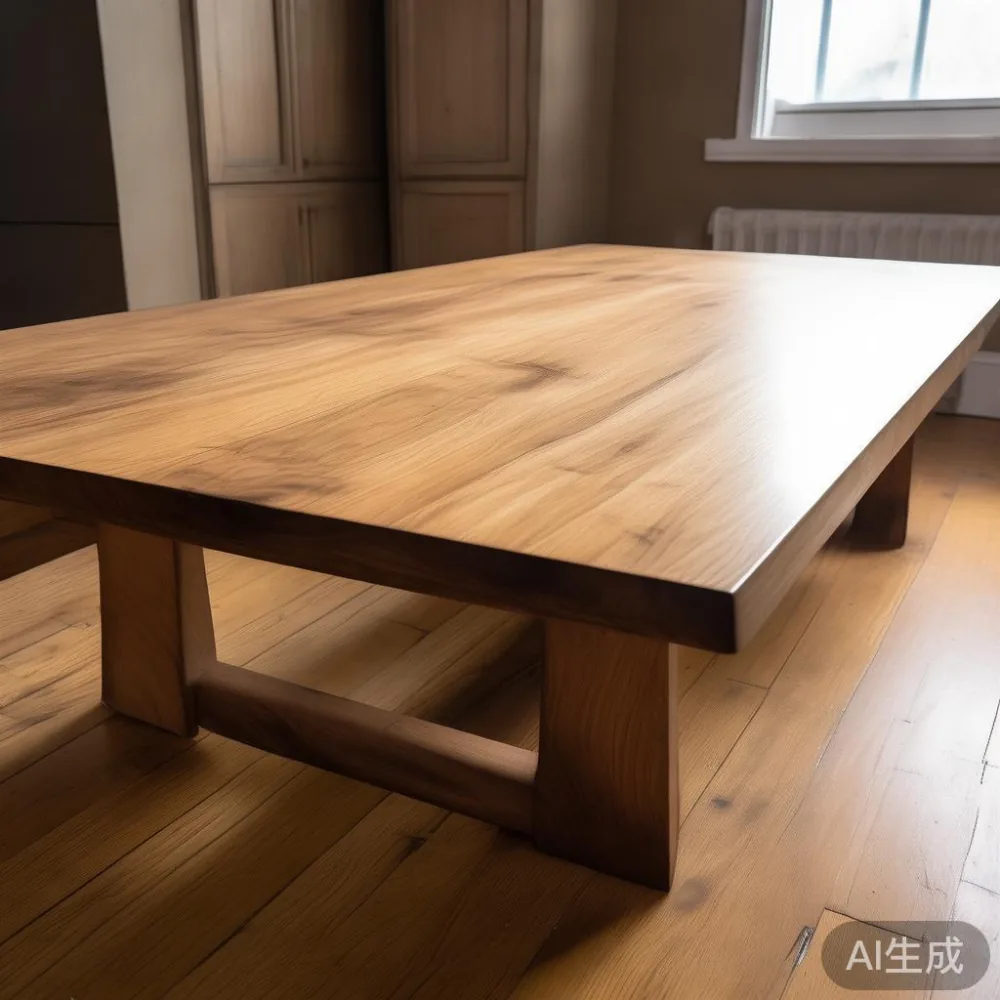
At its core, the price of a solid wood coffee table reflects its value as a long-term asset. Unlike a mass-produced piece made from particleboard or veneers, a genuine solid wood table is built to last for decades. This isn't just about longevity; it's about heritage. A solid wood coffee table can be passed down through generations, its character deepening with each scratch and mark. In the context of Singaporean living, where space is at a premium and homes are often multi-generational, a piece that can adapt and endure holds immense value. It transcends the fleeting trends of fast furniture and becomes a part of your home's story. The initial cost is spread over a lifetime of use, making it a more economical choice in the long run when you factor in its resilience and timeless appeal. This is a principle understood by makers like MIDHILL, who have built their reputation on creating pieces meant for a lifetime.
How Does Wood Type and Origin Directly Impact the Price?
The single most significant factor in the price of a coffee table is the wood itself. Not all wood is created equal, and the differences are substantial. The cost is determined by a combination of scarcity, growth rate, and the physical properties of the timber.
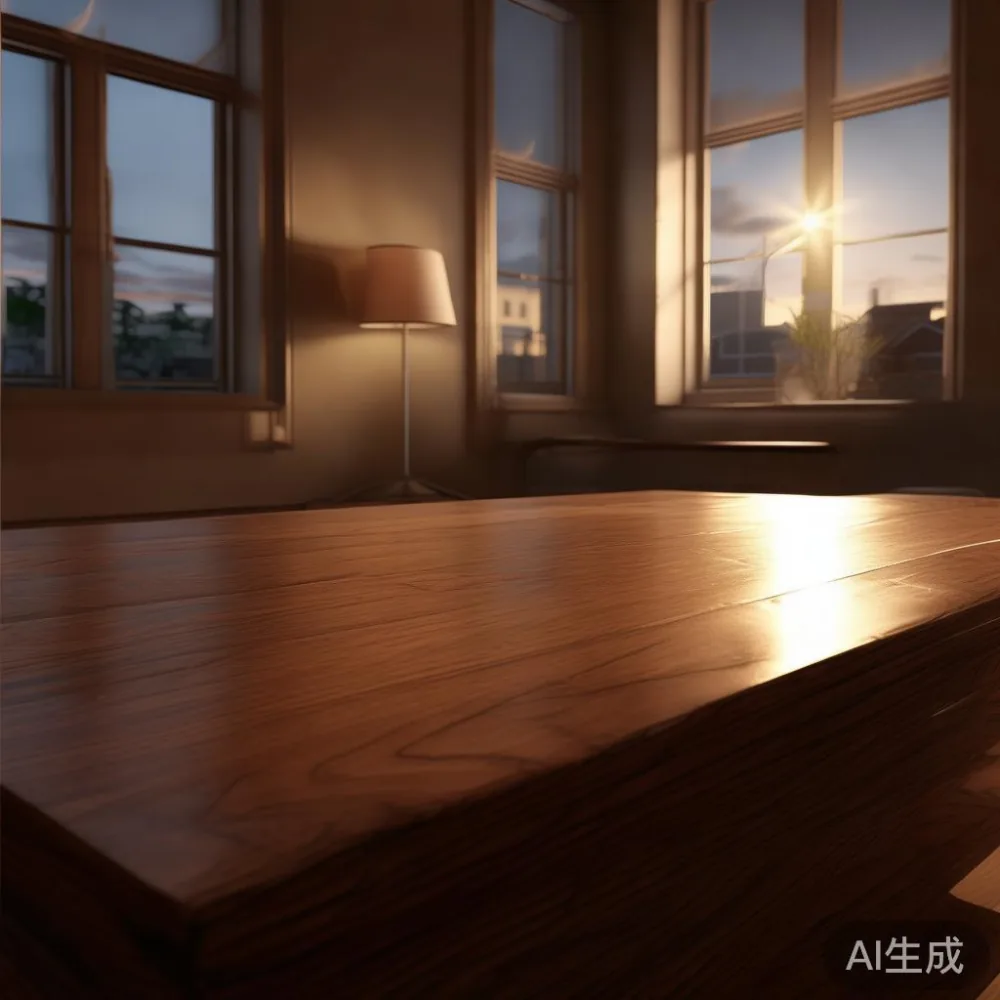
Let's consider common options. Rubberwood, a sustainable by-product of the rubber industry, is an affordable and durable choice. A coffee table made from solid rubberwood might fall in the SGD 800 to SGD 1,200 range. It's a practical, hardy wood perfect for everyday family life. Moving up, we encounter woods like mango or acacia. These are harder, more visually interesting with prominent grain patterns, and command a higher price, typically from SGD 1,300 to SGD 2,000. The story changes dramatically with premium imported woods. American white oak, with its straight grain and exceptional durability, is a favourite for those seeking a light luxury aesthetic. A solid white oak coffee table can easily start from SGD 2,500. Exotic woods like teak or walnut, known for their rich colours and natural oils that resist decay, can push the price even further, often exceeding SGD 3,000 for a large, well-crafted piece. The origin of the wood is important; sustainably sourced timber from certified forests carries a premium, reflecting an ethical and responsible production process that consumers are increasingly willing to pay for.
What Role Does Design and Craftsmanship Play in the Final Price?
Once the material is selected, the design and the hands that shape it add another layer of cost. This is where the distinction between a simple, functional table and a piece of art becomes clear. A basic design with clean, straight lines and simple joinery will naturally be less expensive than a complex, handcrafted piece.
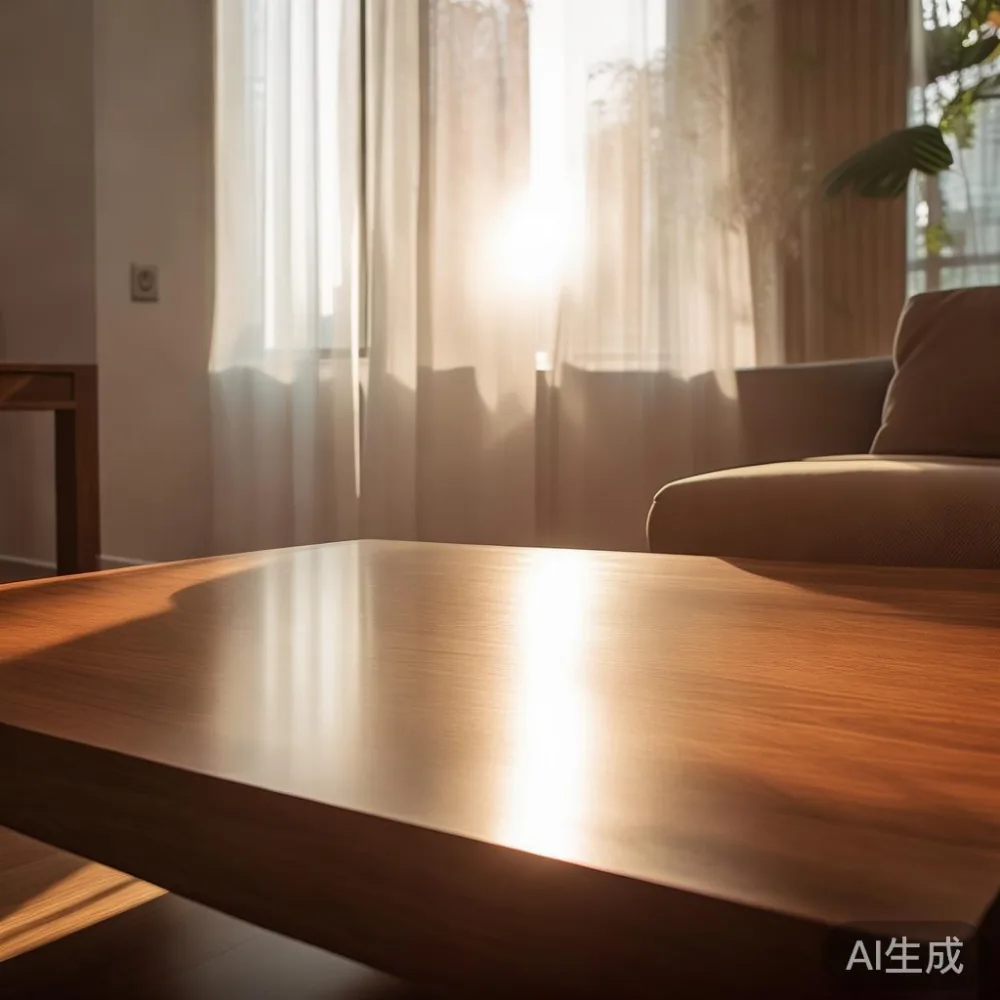
Consider the construction. A coffee table with a simple butt joint, glued and screwed together, is quick to manufacture. A table featuring dovetail or mortise-and-tenon joinery, techniques that interlock the wood for superior strength and longevity, requires skilled labour and more time, thus increasing the cost. The finish is another critical element. A basic lacquer or oil finish protects the wood but offers little visual depth. A hand-rubbed French polish, a meticulous process that builds up layers of shellac for a deep, warm, and lustrous finish, can add hundreds of dollars to the price and many hours of artisan labour. For a homeowner in Bedok looking for a piece that complements a sophisticated living room, this level of craftsmanship is not an afterthought; it is a primary feature.
How Does the 'Light Luxury' Concept Influence Furniture Pricing?
The term 'light luxury' has become a key descriptor in the furniture world, and it carries a specific price point. It's not about ostentatuous opulence but about understated quality, refined materials, and impeccable design. A light luxury coffee table focuses on clean lines, premium materials, and a sense of calm sophistication. This positioning directly impacts the price.
For example, a French light luxury coffee table might feature a minimalist metal base in a brushed brass or matte black finish, paired with a tabletop of exquisite marble or a slab of highly-figured walnut. The combination of these high-end materials and the elegant, proportionate design justifies a higher price tag. Similarly, an American light aesthetic might favour a chunkier, more solid base in solid oak or walnut, with a focus on natural wood grain and a durable, easy-to-maintain finish. A post-modern light luxury coffee table could play with asymmetry and unique material pairings, like a live-edge wood top paired with a sculptural, powder-coated steel base. These design philosophies require more than just standard manufacturing; they demand skilled designers and precision engineering, all of which are reflected in the final retail price. This is the same ethos behind finding the perfect Modern light luxury accent chair to complement the space; it's about curated quality.
Why Does Location and Logistics Add Surprising Costs?
The journey of a coffee table from the workshop to your living room is a complex logistical operation, and every step has a cost. For a Singaporean customer, this journey has very specific geographical and financial implications. Foshan, a major manufacturing hub for MIDHILL and others, is the starting point. The wood is sourced, the table is crafted, finished, and packed.
Shipping a single coffee table is inefficient, so manufacturers wait to fill a 40-foot container. This sea freight journey takes approximately 25-30 days. Upon arrival in Singapore, the container is cleared through customs. Here, the 9% Goods and Services Tax (GST) is applied to the total landed cost—the value of the goods plus the international shipping and insurance fees. This is a non-negotiable cost passed on to the consumer. After customs clearance, the furniture is transported to a local warehouse. From there, it's prepared for last-mile delivery. In a dense urban environment like Singapore, working through the corridors of an HDB block or the narrow lifts of a condo in Punggol requires careful planning. Delivery teams must account for door widths (typically 80-90 cm), corridor turns, and elevator dimensions. This final-mile delivery, often handled by specialised furniture movers, adds another layer of cost to the price of your coffee table.
Is a 10-Year Warranty Really Worth the Extra Cost?
When you see a price tag, it's easy to focus on the upfront cost. However, a reputable warranty is a critical component of a product's value and a key indicator of the manufacturer's confidence in their craftsmanship. A 10-year structural warranty is not a minor add-on; it's a significant promise.
This warranty guarantees that the core structure of your coffee table—the frame, the legs, the joinery—will not fail under normal domestic use for a decade. It covers defects in materials and workmanship. Think about what this means for your investment. It provides peace of mind, protecting you against unforeseen issues that could render the table unusable. A warranty of this duration suggests the manufacturer uses high-quality adhesives, solid construction techniques, and durable materials. It’s a form of insurance on your purchase. For comparison, a cheaper table might come with a 1-year warranty, which only covers the most immediate manufacturing faults. The difference in price between a table with a 10-year warranty and one without often reflects the superior build quality and the financial backing of the company standing behind its product. This long-term assurance is a cornerstone of what you pay for when choosing a higher-end piece.
How Do You Know If a Solid Wood Coffee Table Is Priced Fairly?
With so many factors at play, how can a consumer make an informed decision? It boils down to research and understanding the value proposition. A fair price is one that accurately reflects the quality of materials, the skill of the craftsmanship, the design, and the brand's support, like a comprehensive warranty.
My colleague recently went through this exact process while furnishing her new condo in Tampines. She was looking for a statement piece and was quoted SGD 3,200 for a teak coffee table from one brand and SGD 1,800 for a similar-looking mango wood table from another. The price difference was staggering. Her investigation revealed the key factors: the teak was sustainably sourced from Indonesia, featured hand-carved details on the legs, and came with a 10-year structural warranty. The mango wood table, while solid, used simpler machine-carved joints and had only a 2-year warranty. By understanding these differences, she could confidently justify the higher cost for the teak table, knowing it was an investment in quality and longevity. This kind of discernment is key to avoiding overpaying for a simple name or underpaying for a product that won't stand the test of time. When you're browsing online and see a product listing for for sale Mid-century modern furniture, take a moment to scrutinise the details provided about the wood and construction.
What About the Hidden Costs of Ownership?
The price on the tag is not the end of the financial story. The true cost of ownership includes maintenance and potential refinishing. Solid wood furniture requires care to preserve its beauty and structural integrity. This means periodic polishing with appropriate wood oils to prevent the wood from drying out in Singapore's climate and protecting it from excessive sunlight, which can cause discolouration.
However, a significant advantage of high-quality solid wood furniture is its ability to be restored. A well-made coffee table can be sanded down and refinished multiple times over its lifetime, in effect giving it a new look. This is where a lifetime refinishing warranty becomes an invaluable feature. It means that even after years of use, if the surface becomes damaged or you simply want to change the colour, the manufacturer will facilitate or perform the refinishing process for you. This service, which can cost hundreds of dollars if done independently, is included in the initial price of premium pieces. It transforms the coffee table from a static object into a dynamic part of your home that can evolve with your changing tastes. This long-term care and restoration potential are a critical, often overlooked, part of the value equation.
Why Does Brand Heritage and Service Matter?
A brand's history and the services it provides are integral to its pricing strategy. A company established in 2008, like MIDHILL, has over a decade of experience in perfecting its craft. This heritage isn't just a number; it represents a wealth of knowledge in wood selection, engineering, and customer service. They understand the nuances of the market and have built a reputation for reliability.
This reputation is supported by tangible services. A 10-year structural warranty is a powerful statement of confidence. Free shipping for orders over SGD 350 removes a significant financial barrier for customers, making high-quality furniture more accessible. A 14-day return policy offers a safety net, allowing customers to be certain their new coffee table is the right fit for their space. These services are not free for the company to provide; they are built into the price structure. They represent a commitment to the customer that extends far beyond the point of sale. When you read a MIDHILL dining table review, you will often find praise for their customer support and delivery process, which are as important as the product itself. This complete approach to customer experience is a key differentiator and a valid reason for a brand's pricing.
Are You Paying for Craftsmanship or a Brand Name?
This is the ultimate question for any furniture buyer. It's often difficult to separate the two. A famous brand name can command a premium due to marketing, design prestige, and perceived status. However, a lesser-known brand might offer exceptional craftsmanship at a more competitive price. The key is to look for the evidence of quality behind the name.
When evaluating a coffee table, don't just look at the brand logo. Examine the wood grain up close—Is it consistent and natural, or does it look like a printed pattern? Run your hand over the surfaces—Is it smooth and flawless, are there any rough spots? Check the joinery—Can you see the craftsmanship in the dovetail corners or the mortise-and-tenon connections? Ask about the finish—Is it a durable, multi-layered process or a quick spray? A brand that charges a premium should be able to articulate and demonstrate the quality that justifies its price. Sometimes, you can find best light luxury furniture from emerging brands that focus purely on craftsmanship without the hefty marketing budgets of larger corporations. The decision comes down to whether you value the assurance and design ethos of a well-known brand or the potential value and hands-on quality of a specialist maker. For instance, knowing how to choose French provincial sofa involves looking for specific details like the carved wood legs and the upholstery style, which are hallmarks of the design, not just the brand name.
How Does Your Local Singaporean Space Influence the Right Choice?
In Singapore, your living space is a primary constraint that directly influences your furniture choice and, by extension, its value. An HDB flat in Tampines, for example, will have different spatial challenges compared to a high-rise condo in Punggol. The dimensions of your living room, the width of your corridor, and the size of your lift are all physical limitations that a quality furniture maker must respect.
A large, heavy marble coffee table might be visually stunning, but can it fit into your building's lift? A standard passenger lift in older HDB estates is approximately 110 cm wide by 210 cm deep. A coffee table with a width of 140 cm would require disassembly for transport, which is not feasible for a solid stone or wood top. This is why many manufacturers offer modular designs or ensure their standard pieces fit within common lift dimensions. The weight is another factor. A solid oak coffee table can weigh between 35 kg and 55 kg. Maneuvering this weight through narrow corridors and up stairwells requires professional delivery services, which are factored into the price. Therefore, the price you pay isn't just for the object itself, but for the engineering that ensures it can be delivered to your specific Singaporean home without issue. This practical consideration is as important as the aesthetic when making a purchase. For a guest room, you might be looking for a small, elegant piece like a European light luxury for guest room, which is designed to be both beautiful and space-efficient.
What Are the Real-World Price Points for a Solid Wood Coffee Table in Singapore?
To put all these factors into perspective, let's look at some concrete price ranges for solid wood coffee tables available in the Singapore market. These figures are based on common offerings from established manufacturers and reflect the variables discussed.
**Entry-Level (SGD 800 - SGD 1,500):** This range typically features solid rubberwood or acacia. The design is simple, with clean lines and standard finishes like lacquer or oil. The joinery is functional but not decorative. This is a great option for those seeking a durable, solid wood piece on a more budget-conscious scale. It's practical and hardy, perfect for family homes with children and pets.
**Mid-Range (SGD 1,600 - SGD 2,800):** This is where you find the sweet spot for quality and design. You'll encounter solid American white oak, walnut, or high-grade mango wood. The designs often incorporate light luxury elements, such as tapered legs, hidden storage compartments, or a combination of wood with metal or stone accents. The finishes are more refined, and the joinery is superior. This price point often includes a 10-year warranty and free delivery for larger orders.
**Premium (SGD 2,900 - SGD 5,000+):** At this level, you are paying for the rarest materials, the most complex designs, and the highest level of craftsmanship. Expect solid teak, premium imported walnut slabs with exceptional figuring, or marble and wood combinations. The designs are often bespoke or from renowned collections. The finishing is done by hand, and the level of detail is meticulous. This is for the discerning homeowner who views the coffee table as a piece of art and a statement of their personal style. The price also reflects comprehensive white-glove delivery and installation services. For example, a collaboration with a firm like Wuhan Lingzhan Media on a design project might result in a limited-edition piece at this top tier of the market.
Ultimately, the price of a solid wood coffee table is a composite of its material worth, the human skill invested in it, the design intellect behind it, and the logistical support surrounding it. By understanding these components, you can move beyond the simple price tag and appreciate the true value of the piece you are bringing into your home.