The Silent Battle: How Singapore's Humidity Affects Your Solid Wood Coffee Table
For residents of Singapore, the air is a constant companion, thick with the humidity that defines our tropical climate. This moisture in the air is more than just a feeling of stickiness; it's a silent force that interacts with everything in our homes, especially our furniture. For those who appreciate the natural beauty and durability of solid wood, this relationship is particularly important. A solid wood coffee table, for instance, is not just a functional piece; it's a centrepiece that can tell a story through its grain and texture. Understanding how humidity affects wood is key to preserving its beauty and integrity for years to come.
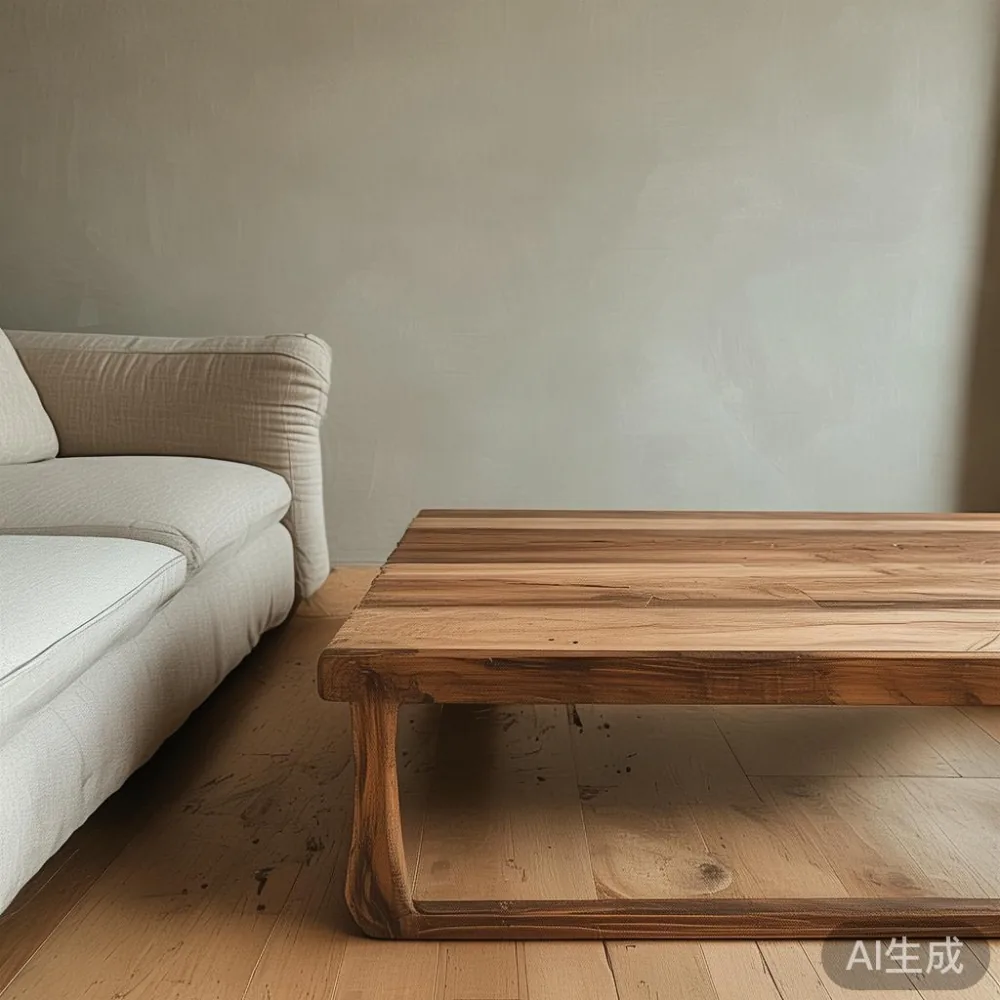
Understanding Wood's Natural Response to Moisture
Wood is a hygroscopic material, which is a scientific way of saying it absorbs and releases moisture from the air. Think of it like a sponge, but one that breathes very slowly. In Singapore, where the relative humidity often hovers between 70% and 90%, wood is constantly in a state of absorbing moisture. This process causes the wood fibres to expand. Conversely, during drier periods, though less common here, the wood would contract. This natural swelling and shrinking is a fundamental characteristic of wood, not a defect.
The extent to which wood moves depends on its species. Hardwoods like oak, walnut, and teak are generally more stable than softwoods like pine. A solid wood coffee table made from a stable species will show less movement, but it will still react to the environment. The changes are often most noticeable in the width of the planks. For example, a 120 cm wide tabletop might expand by 1-2 mm during a particularly humid month. This might seem insignificant, but over time, this movement can lead to visible effects if the furniture isn't properly designed and cared for.
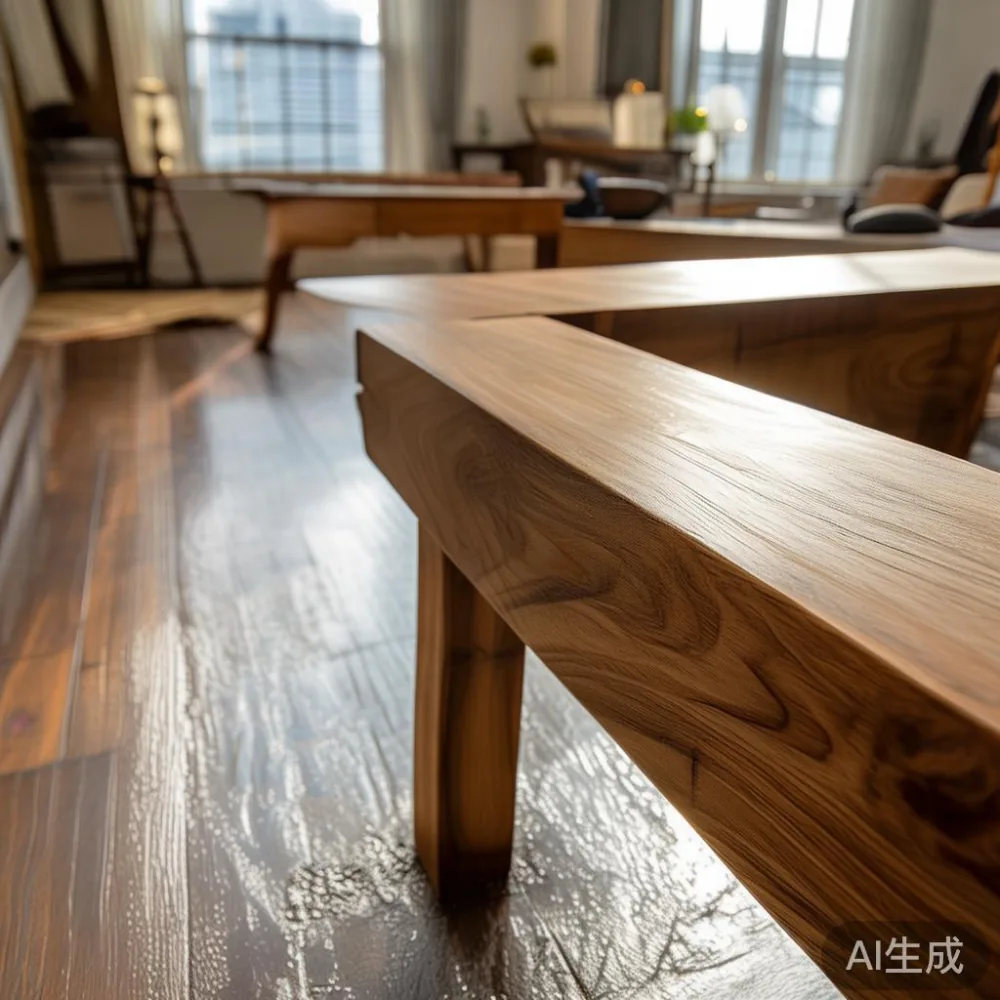
Visible Signs of Humidity Stress on Your Coffee Table
When a solid wood coffee table absorbs too much moisture too quickly, the effects can become visible. The most common sign is the appearance of gaps between the wood planks. In a well-made table, the top is constructed from multiple boards glued together. During high humidity, these boards expand. If they are not given enough space to move, the stress can cause the wood to split or the glue joint to fail, creating unsightly cracks. A quality piece of furniture, like those from makers established in 2008, will have been designed with expansion and contraction joints to allow for this natural movement.
Another tell-tale sign is a 'cupping' or 'crowning' effect. This happens when the surface of a board warps, with the edges curling up (cupping) or the middle rising (crowning). This is often caused by one side of the wood absorbing more moisture than the other, which can happen if a table is placed too close to an air-conditioning vent or a frequently opened window. For a coffee table in a living room, maintaining a consistent environment is key to preventing this warping.
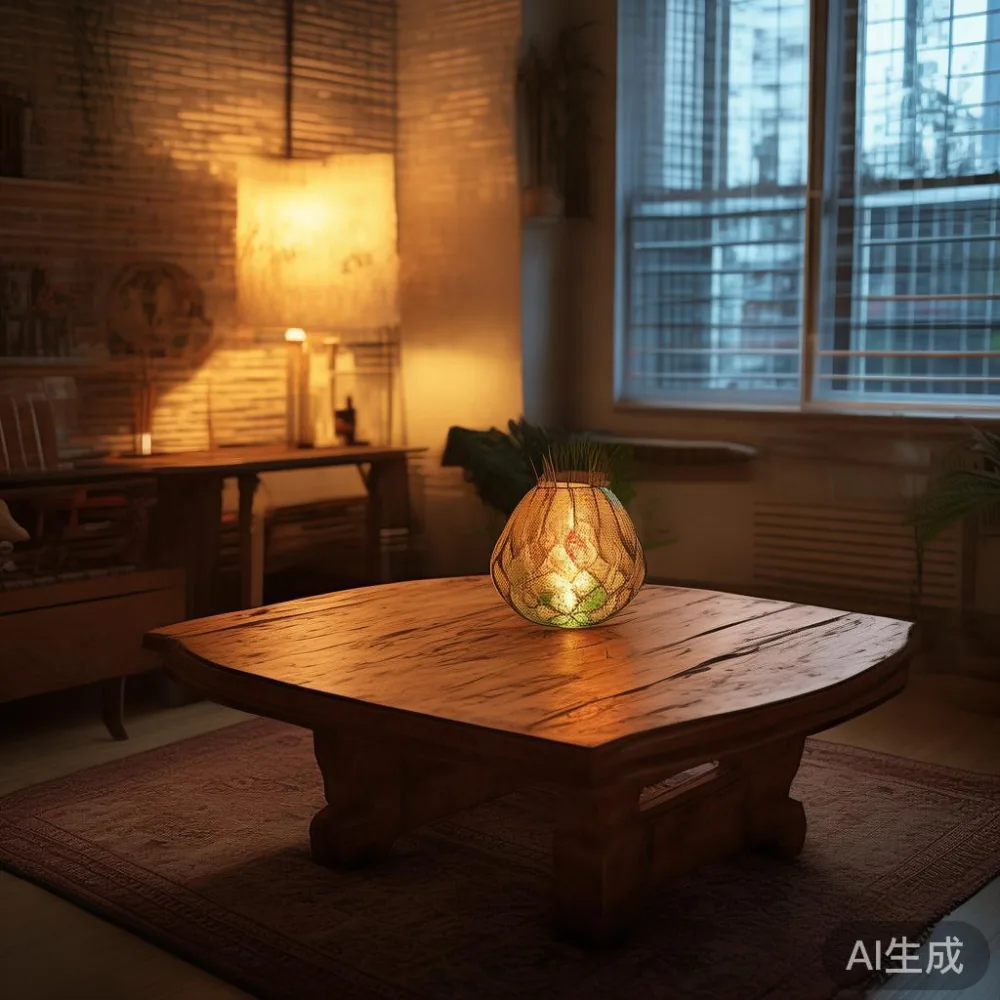
How Singapore's Specific Living Conditions Exacerbate the Problem
Singapore's unique housing landscape presents specific challenges for wood furniture. Consider a typical HDB flat in Tampines or a condominium in Punggol. The spaces are often compact, with a living room area that flows into a dining area. A coffee table might be positioned near a balcony door, exposing it to direct bursts of humid air whenever the door is opened. Also, the use of air-conditioning is a daily reality. The stark contrast between the cool, dry air-conditioned room and the humid outdoors creates a micro-climate that puts significant stress on wood.
Logistics and delivery also play a role. When a new coffee table is delivered to your home in Bedok, it has likely travelled from a factory in Foshan. The journey involves different climates and humidity levels. The wood may have been acclimatised in a drier environment before shipping. When it arrives in Singapore's high humidity, it will begin to absorb moisture. It is always recommended to let a new piece of furniture acclimatise in its final room for at least 48 hours before placing heavy objects on it. This allows the wood to adjust slowly, minimising the shock of sudden humidity change.
Is a Marble Top Coffee Table a Better Choice for Humid Singapore?
This is a question we hear often from homeowners. The short answer is that a marble table top offers a different set of advantages and disadvantages compared to solid wood. Marble is an inorganic stone, so it does not absorb moisture or expand and contract like wood. This makes it highly stable in Singapore's humidity. You will never see a marble slab crack due to humidity. However, marble is porous and can be stained by acidic substances like wine, coffee, or fruit juice. It also requires regular sealing to maintain its resistance to stains and etching.
A solid wood coffee table, on the other hand, is prized for its warmth and character. It can be sanded down and refinished if it gets scratched, a process that is often referred to as a 'lifetime refinishing' service by some manufacturers. The choice between wood and marble often comes down to personal preference: the natural, evolving beauty of wood versus the cool, classic elegance of stone. For those who love the look of wood, proper care can mitigate most humidity-related issues.
Practical Care Tips for Your Solid Wood Coffee Table in Singapore
Maintaining a solid wood coffee table in Singapore is less about fighting humidity and more about managing it. The first step is placement. Avoid placing your coffee table in direct sunlight, near air-conditioning vents, or in front of open doors that lead to the outdoors. Consistency is your best friend. Using a dehumidifier in a closed room can help reduce humidity levels to a more stable 50-60%, which is ideal for wood.
Regular cleaning is also important. Dust your table with a soft, dry cloth every few days to remove abrasive particles that can scratch the finish. For a deeper clean, use a slightly damp cloth followed immediately by a dry one. Never let water or cleaning solutions sit on the surface. To nourish the wood and protect it from drying out in air-conditioned rooms, apply a high-quality furniture polish or oil every 3-6 months. This replenishes the natural oils in the wood and creates a protective barrier against moisture fluctuations. A colleague of mine tested this routine on a teak coffee table for a full year in her Punggol apartment, and the result was a table that looked as good as the day it was delivered, with no signs of stress.
What to Look for When Buying a Humidity-Resistant Coffee Table
When shopping for a new coffee table, paying attention to construction details can make a world of difference. Look for tables made from 'kiln-dried' wood. This process involves drying the wood in a special chamber to a specific moisture content, making it more stable and less likely to warp after purchase. A reputable manufacturer will always specify the moisture content of their wood.
Examine the joinery. Dovetail or mortise-and-tenon joints are strong and allow for wood movement. A simpler butt joint with screws is less forgiving. Check for expansion gaps. A well-designed table will have small gaps between the top and the apron (the vertical piece just below the tabletop). This gives the wood room to expand horizontally without cracking the surface or the frame. For peace of mind, look for a company that offers a structural warranty of at least 10 years. This indicates confidence in their construction methods and materials. Many consumers searching for the best French provincial furniture find that reputable brands prioritise these quality details.
Understanding Pricing and Value for Singaporean Buyers
The price of a solid wood coffee table in Singapore can vary significantly. A simple, smaller table might start from around SGD 800, while a larger, more intricate piece from a well-known brand can cost several thousand dollars. The price reflects the quality of the wood, the complexity of the design, and the craftsmanship involved. It's an investment in a piece of furniture that can last for decades.
When considering the cost, factor in the value-added services. Many brands offer free shipping for orders over SGD 350, which is a significant saving given the logistics costs in Singapore. A 14-day return policy provides a safety net if the piece doesn't fit your space or style. Remember to factor in the 9% Goods and Services Tax (GST) on your final purchase. For example, a coffee table listed at SGD 1,000 will cost SGD 1,090 at checkout. These details are part of the total ownership experience. Understanding the differences between styles, like a European sofa vs Mid-century modern sofa, can also help in making a more informed decision about the aesthetic of your living space.
Final Thoughts: Living with Wood in a Humid Climate
Owning a solid wood coffee table in Singapore is a rewarding experience. The rich patina that develops over time, the unique grain patterns, and the sturdy feel under your hands are qualities that mass-produced furniture cannot replicate. The challenges posed by humidity are real, but they are not insurmountable. By understanding the nature of wood, making informed purchasing decisions, and providing simple, consistent care, you can ensure your coffee table remains a beautiful and functional part of your home for a lifetime.
It’s about appreciating the material for what it is: a natural, living element that adapts to its environment. The small gaps that might appear in the winter are a proof of the table's ability to withstand the climate, not a flaw. For those who appreciate this philosophy, a well-crafted piece of furniture becomes more than just an object; it becomes a part of the home's story. Many homeowners in Singapore, when researching options like the top 10 French provincial furniture or the best Japanese sofa for 2026, ultimately choose solid wood for its timeless appeal and durability, understanding that a little care goes a long way in preserving its beauty. For any inquiries, feel free to reach out at midhillco@gmail.com.