Mastering Small Space Style: Cozy Living with Singaporean Coffee Tables
Living in a Singaporean apartment, whether a compact HDB flat in Tampines or a chic condo in Punggol, presents a unique design challenge. The desire for comfort, style, and personal expression often clashes with the physical reality of limited square footage. The key to working through this isn't about sacrificing one for the other, but about making intelligent, intentional choices that maximise every centimetre. The goal is to create an environment that feels open, airy, and uncluttered, a sanctuary that reflects your taste without feeling oppressive. This guide explores practical strategies and furniture selections to help you achieve that delicate balance.
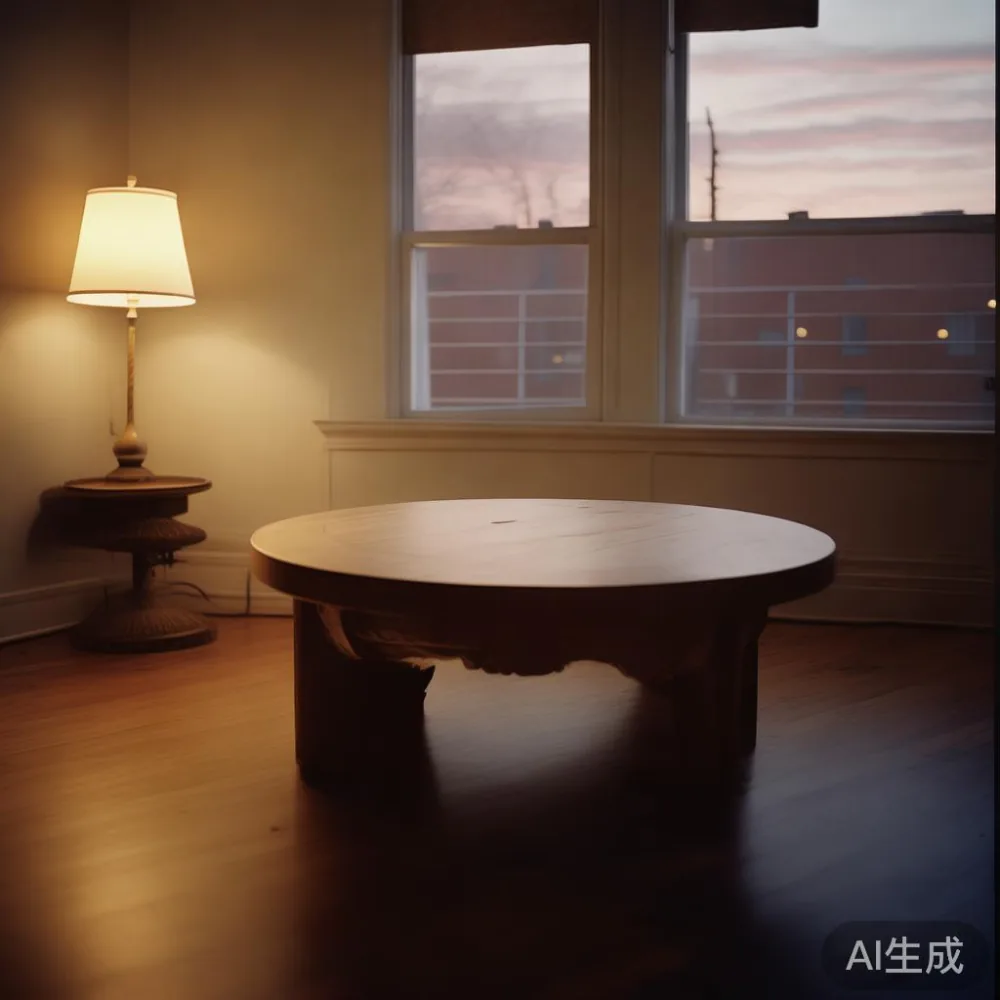
Why Small Spaces Can Feel Oppressive and How to Fix It
The feeling of crowding in a small apartment is rarely about the actual floor area alone. It's a visual and psychological phenomenon caused by an overabundance of objects, poor traffic flow, and a lack of visual breathing room. In Singapore, where apartment layouts are often efficient and sometimes narrow, this issue is amplified. A narrow corridor in a Bedok HDB or a small lift lobby can make a compact living room feel even smaller if not designed thoughtfully. The solution lies in creating an illusion of space. This is achieved through a combination of colour, light, furniture selection, and clever storage. By focusing on these elements, you can transform a potentially cramped area into one that feels expansive, calm, and deeply personal.
How to Choose the Right Coffee Table for Your Limited Space
The coffee table is often the central anchor of a living room, but in a small apartment, it can also be a major source of visual clutter if chosen poorly. A large, bulky coffee table can dominate the space, blocking sightlines and making it difficult to move around. When selecting a coffee table, consider its form and function with precision. A round or oval table, for instance, with a diameter of around 80-100 cm, is often more forgiving in tight spaces than a sharp-cornered rectangular one, as it encourages better traffic flow. Look for designs with a lighter visual weight. A glass-top table creates an airy, see-through effect, making the floor space beneath it feel larger. Alternatively, a table with slender, tapered legs, like the French light luxury style, keeps the area underneath open and unobstructed. My colleague, Sarah, who recently furnished her new 45-square-metre Tampines HDB unit, found that a low-profile marble table with brushed brass legs added a touch of elegance without overwhelming her compact living area. It became a focal point without sacrificing an inch of precious walking space.
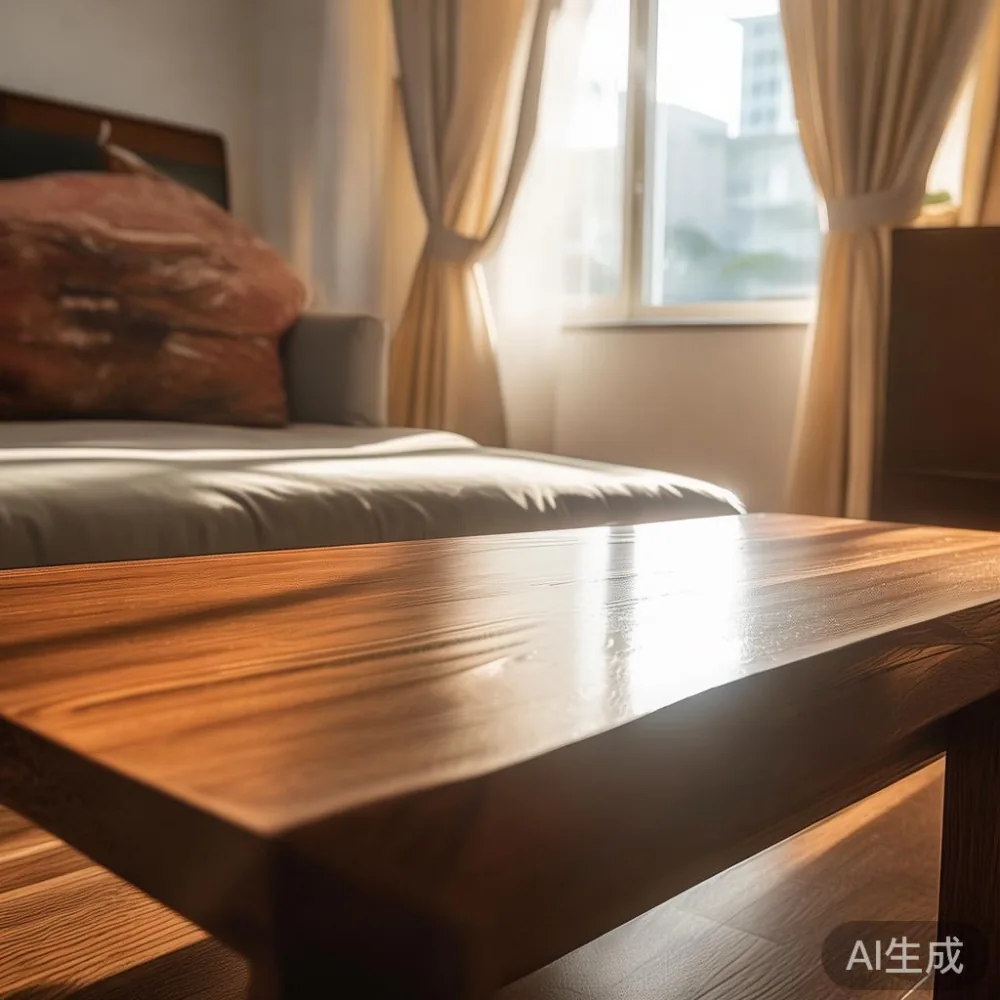
What Are the Best Materials for Small Space Furniture?
The material of your furniture plays a significant role in how a space is perceived. Heavy, dark woods and dense upholstery can absorb light and make a room feel smaller and cosier, which might be desirable in a bedroom but less so in a shared living area. For small apartments, favour materials that reflect light and have a lighter visual presence. Light-coloured woods, such as ash or oak, are excellent choices for a solid wood sofa or a dining table. They add warmth and texture without the visual weight of darker woods. Metals, particularly brushed brass, matte black, or chrome, introduce a modern, airy feel. A nightstand made of metal and glass will feel much less intrusive than a large, solid wood one. Glass and acrylic are other fantastic materials for small spaces. A glass coffee table, as mentioned, is a classic trick for creating openness. For a more post-modern light luxury approach, consider a marble table with a thin profile and metal base. While marble is a substantial material, its veined pattern and reflective quality can actually enhance the sense of light and space in a room.
How Can Vertical Storage Save Your Small Apartment?
One of the most effective strategies for combating clutter in a small apartment is to look up. Vertical storage is your greatest ally. Instead of using low, wide cabinets that eat up floor space, opt for tall, narrow units. A tall wardrobe that extends to the ceiling provides ample storage for clothes, linens, and other items, freeing up valuable floor space. In a kitchen or dining area, tall shelving units can store dishes, cookbooks, and decorative items. This approach not only provides practical storage but also draws the eye upward, creating an illusion of higher ceilings. When choosing a wardrobe for a bedroom, consider a design with sliding doors instead of hinged ones. Sliding doors eliminate the need for clearance space in front of the unit, which is a significant advantage in narrow bedrooms common in Singaporean HDBs. A well-designed solid wood sofa with hidden storage compartments can also serve a dual purpose, offering seating while keeping blankets, magazines, and remotes neatly out of sight.
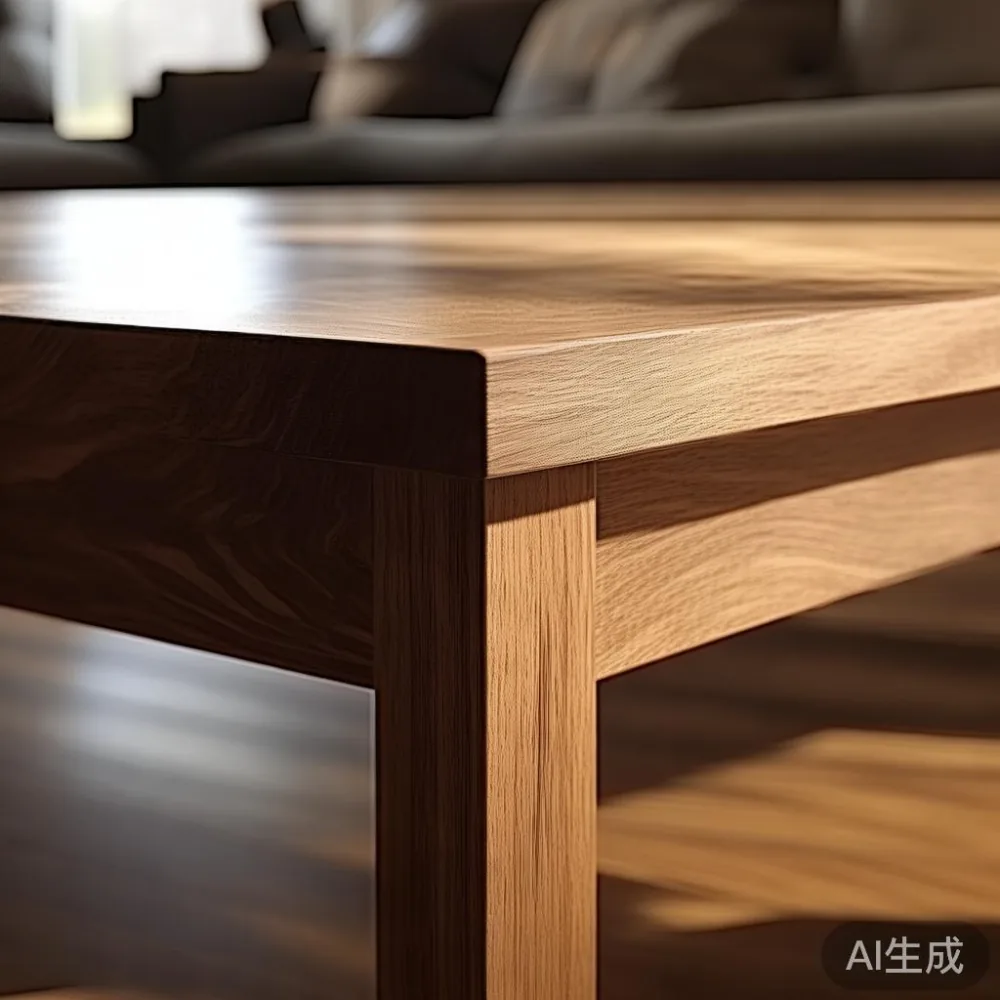
Why is Multi-Functional Furniture a Game-Changer for Small Living?
Multi-functional furniture is the cornerstone of intelligent small-space design. It allows you to serve more than one purpose with a single piece, reducing the number of items in a room and thus the visual noise. A dining table that can also be used as a work desk is a perfect example. Look for models with leaves that can be extended for guests and then retracted for daily use. An ottoman that doubles as storage and extra seating is another invaluable piece. In the bedroom, a bed with built-in drawers underneath provides storage for bedding and clothing without requiring a separate dresser. This is particularly useful in studio apartments where the bedroom and living area are combined. When considering a dining table, think about its other potential uses. Could it also serve as a craft table or a temporary workspace? This flexibility is key to maintaining a clutter-free environment. For those exploring different bedroom aesthetics, understanding how to choose Japanese bed often involves looking for models that are low to the ground and have integrated storage, aligning perfectly with the multi-functional philosophy.
How to Style a Japanese Bed in Bedroom?
Integrating a Japanese-style bed into a small Singaporean bedroom is an excellent way to achieve a minimalist, uncluttered look. The philosophy behind how to style Japanese bed in bedroom focuses on simplicity, natural materials, and low profiles. A typical Japanese platform bed is low to the ground, which creates a sense of spaciousness by not dominating the visual field. This is a stark contrast to a traditional high bed frame, which can make a ceiling feel lower. The bed itself often features clean lines and is made from light-coloured woods like oak or beech, contributing to an airy atmosphere. To complete the look, pair it with low-profile bedding, such as a futon or a thin duvet, and avoid heavy bed frames and headboards. Instead, use a simple shoji screen or a piece of art mounted on the wall as a headboard. This approach not only saves physical space but also creates a serene, Zen-like environment that feels expansive and calming, perfect for a small room.
Is Dark Furniture a Mistake in a Small Apartment?
This is a common question, and the answer is nuanced. Dark furniture is not an absolute mistake, but it requires careful consideration. A single, well-placed piece of dark furniture, like a deep blue solid wood sofa or a rich walnut dining table, can act as a stunning anchor and add depth to a room. However, using too much dark furniture throughout a small space can make it feel cave-like and oppressive. The key is balance. If you love the look of dark wood, use it sparingly. For instance, you could have a dark wood coffee table and nightstands while keeping the larger pieces, like the sofa and walls, in light, neutral colours. This creates a beautiful contrast without overwhelming the space. Another strategy is to use dark furniture in a room with excellent natural light. The light will bounce off the walls and light-coloured furniture, preventing the dark pieces from absorbing too much of it. Ultimately, the decision comes down to personal preference and the specific lighting conditions of your apartment.
What About Lighting to Make a Space Feel Bigger?
Lighting is one of the most powerful tools for manipulating the perception of space. A well-lit room always feels larger and more inviting than a dim one. In small apartments, it's best to use a layered lighting approach. Start with general, ambient lighting, such as a ceiling-mounted light or a large floor lamp, to provide illumination. Then, add task lighting for specific activities. A reading lamp next to a nightstand, a focused light over a dining table, or under-cabinet lighting in a kitchenette are all examples. Finally, incorporate accent lighting to highlight architectural features or favourite decor items. A picture light above a piece of art or a small uplight behind a plant can add depth and interest. Don't forget natural light. Keep windows unobstructed by heavy curtains. Instead, use sheer or light-filtering blinds that allow daylight to flood into the room, making it feel bright and open. For a guest room, a Mid-century modern for guest room aesthetic often incorporates a mix of ambient and task lighting, with a stylish floor lamp providing both illumination and a sculptural element.
How to Choose Between Different Furniture Styles for Small Spaces?
The style of your furniture should complement the goal of creating a sense of space. Different styles have different inherent qualities. French light luxury, for example, often features ornate details and heavy upholstery, which can be challenging in a small room unless used very selectively. American light luxury tends to be more substantial and can sometimes feel bulky. Post-modern light luxury, on the other hand, often incorporates clean lines, geometric shapes, and a mix of materials like metal, glass, and wood, making it a very suitable choice for small apartments. It offers a sophisticated look without the visual weight of more traditional styles. When choosing a bed frame, the comparison between a European light luxury bed vs Italian light luxury bed often comes down to detail and proportion. A European design might be more streamlined, while an Italian one could feature more luxurious fabrics and finishes. For a small space, the more streamlined option is usually preferable. The same principle applies to other furniture. Look for pieces with clean lines, open bases, and a sense of lightness. Avoid overly ornate carvings and heavy, dark finishes. The goal is to select furniture that feels intentional and purposeful, not just decorative.
Where to Find Quality Furniture Without Breaking the Bank?
Furnishing a small apartment on a budget requires a smart approach. While it's tempting to opt for the cheapest options available, quality is paramount. Well-made furniture will last longer, look better, and function better, saving you money in the long run. You don't have to sacrifice style for affordability. There are many options for finding under 2000 Vintage furniture pieces that add character to a space. Look for local furniture stores that offer solid wood construction at reasonable prices. Online marketplaces can also be a treasure trove for unique, second-hand items, but always inspect them carefully for damage. When considering a coffee table, a vintage piece can often be found for under SGD 1,500 and can be the perfect statement item for a living room. Remember to factor in additional costs like delivery and assembly. Some retailers, like those with a strong commitment to customer service, offer free shipping over a certain purchase amount, which can be a significant saving. Always check the warranty details; a 10-year structural warranty, for example, provides great peace of mind and indicates a manufacturer's confidence in their product's quality.
Can a Coffee Table Be Both Stylish and Functional?
Absolutely. The idea that you must choose between style and function is a false dichotomy. A coffee table can be the centrepiece of your living room design while also serving multiple practical purposes. Look for designs that incorporate storage. A lift-top coffee table, for instance, can be raised to the height of a dining table for dining or working from the sofa. A table with hidden drawers or a shelf underneath provides a place to store remote controls, magazines, and coasters, keeping the surface clear and uncluttered. The material also contributes to its style and functionality. A marble table top is not only visually striking but also durable and easy to clean. A solid wood top adds warmth and a timeless appeal. The shape of the table can also enhance its function. A long, narrow table can slide in front of a sofa to hold drinks and books without protruding too far into the room. A round table is perfect for creating a more conversational layout. When selecting your coffee table, think about your daily life. How will you use it? What do you need it to hold? Choosing a piece that aligns with your lifestyle ensures it will be both beautiful and useful.
How to Decide Between a Japanese Bed and a Nordic Bed?
The choice between a Japanese bed and a Nordic bed often comes down to personal aesthetic preference, but both are excellent choices for small spaces. The Japanese bed vs Nordic bed comparison highlights two distinct design philosophies. A Japanese bed is characterised by its low platform, minimalist form, and use of natural materials like wood and tatami mats. It promotes a sense of calm and simplicity, with an extremely low profile that maximises the sense of floor space. A Nordic bed, on the other hand, while also minimalist, often features a higher frame, typically made of light-coloured wood like pine or birch. It focuses on functionality, clean lines, and a connection to nature, but the raised height can make a bedroom feel slightly more enclosed. When how to choose Japanese bed, consider your lifestyle. If you prefer a floor-level, zen-like sleeping experience and want to keep visual noise to a minimum, the Japanese style is ideal. If you prefer the traditional feel of a bed frame but still want a light, airy look, a Nordic bed would be a better fit. Both styles avoid the heavy, dark woods that can make a small room feel smaller, so either choice is a smart one for compact living.
Ultimately, styling a small apartment is about making deliberate choices. Every piece of furniture should have a purpose, whether it's functional, aesthetic, or both. By focusing on light colours, vertical storage, multi-functional pieces, and furniture with a light visual weight, you can create a home that feels spacious, stylish, and uniquely yours. Remember, the goal is not to fill every corner, but to curate a space that you love to live in.