Unraveling Furniture Warranties: Singapore's Ultimate Guide
A solid wood coffee table may look simple from across the room, yet its warranty can contain some surprisingly important details. The timber species, finish, drawer components, load rating, assembly method and coverage period may all be treated differently. For homeowners in Singapore, where HDB flats and condos place tight limits on lift access and corridor turning, those practical issues can matter as much as the written terms.

I reviewed one recent warranty because a colleague had ordered a coffee table for a Tampines HDB flat. The headline promised “10 years” of structural coverage, but the exclusions referred to “normal wear” without defining it. A rubbed corner and a split joint could therefore look very different to the manufacturer. The table measured 120 × 60 × 42 cm, weighed 28 kg and had a lower storage shelf. The 10-year promise covered structural failure, while scratches, finish fading and movement caused by an uneven floor sat outside that promise. That distinction shaped the whole purchase.
This guide explains how to read a furniture warranty before paying for a coffee table, how to record delivery condition, and which questions to ask. It also shows where light-luxury design language changes the risks. MIDHILL’s warranty is presented here as a practical example because its 10-year structural coverage, lifetime refinishing service and 14-day returns policy illustrate several kinds of protection that are often confused with one another.

What does a 10-year furniture warranty actually cover?
Start with the length and the event. A 10-year warranty may cover structural failure in the frame or main solid wood components, but it does not necessarily cover every scratch, stain, screw or finish defect for 10 years. Look for headings such as “structural warranty,” “finish coverage,” “commercial use exclusions,” “parts and labour” and “claim procedure.” If one section promises structural cover for 10 years and another gives finish cover for only 1 year, record both dates rather than reducing the policy to one number.
For a coffee table, define the structural parts. These might include the top, apron, legs, stretcher and load-bearing shelf. A drawer, if fitted, may have separate hardware coverage of 5 years. Some warranties restrict use in commercial hotels or rental properties to 3 years, while normal residential use receives the full 10 years. Check whether the warranty transfers with the property or follows the original purchaser only.
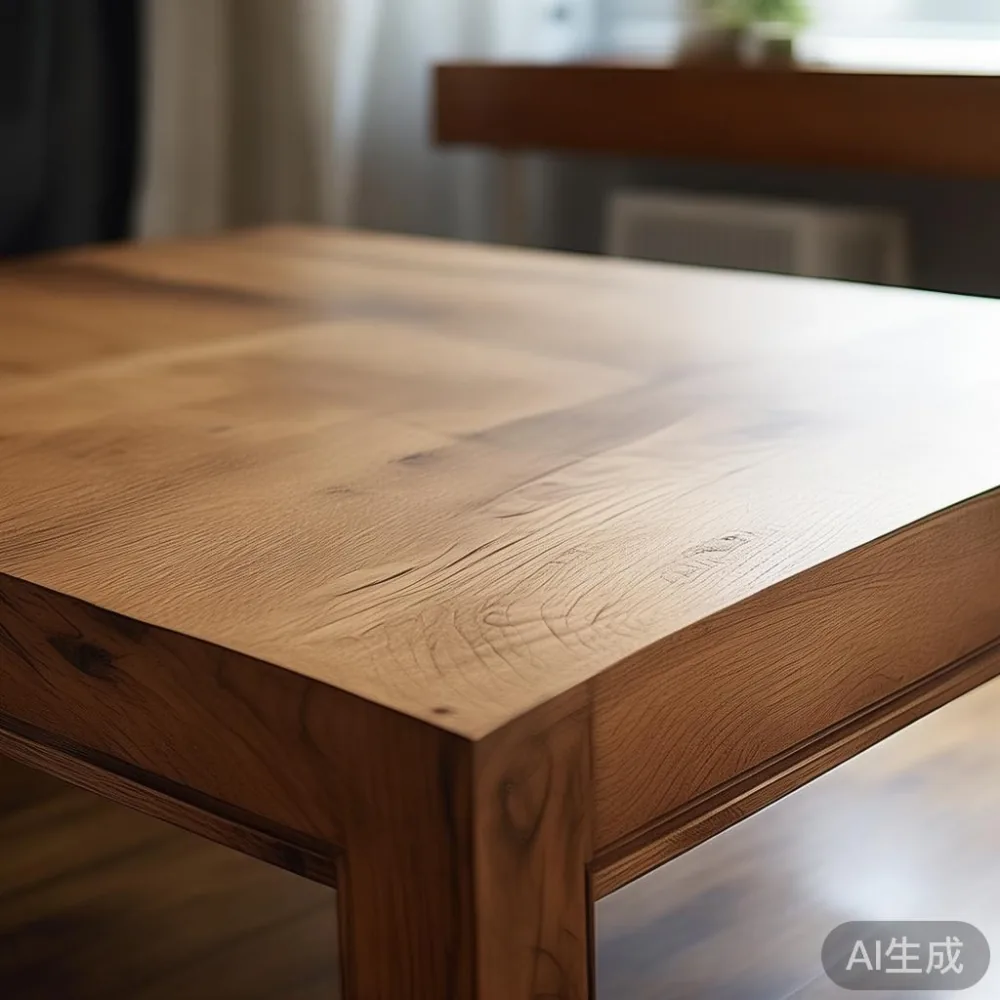
Read who pays for freight. One policy may provide replacement parts, while another sends a technician or asks the owner to arrange collection. In Singapore, a replacement leg weighing 2.4 kg and arriving in a 60 × 40 × 30 cm carton should fit a standard HDB lift, but a full replacement coffee table may not. Confirm the carton dimensions and the party responsible for lifting at either end of the journey.
Also establish whether GST is included. At a SGD 980 coffee table, 9% GST equals SGD 88.20, making the GST-inclusive total SGD 1,068.20. A warranty that appears generous can still leave you with SGD 120 return freight, SGD 85 labour and a 2-day service appointment if those costs are not stated.
Is a lifetime refinishing promise the same as a lifetime warranty?
No. Lifetime refinishing usually means that the maker will refinish eligible wood surfaces at some point during the product’s useful life. It may cover sanding, stain matching and applying a new protective coat. It may not cover replacement of a cracked top, water damage, deliberate bleaching, pet urine, a damaged drawer mechanism or labour after the first service.
Ask how many refinishing services are included. “Lifetime” could mean one service in the first 5 years, 3 services across the product’s life, or indefinite access to the refinishing service. Confirm that solid oak, ash, walnut and other finishes remain refinishable. Some metal hardware, stone or composite panels cannot be treated in the same way as solid wood.
The distinction becomes clearer with a real example. Last month I visited my colleague’s Bedok condo, where the family’s 110 × 55 × 40 cm solid wood coffee table had a pale water ring after a hot mug was left on it. The maker’s representative explained that a refinishing service would address the surface mark, but a deep split through the 4 cm top would fall under structural terms only if it were not caused by impact or improper use. That 4 cm thickness was relevant because repairability depends on the amount of sound timber remaining.
Ask for the expected turnaround. A refinishing service may take 14 to 21 days, and the owner may need to store or use a temporary table. Some services require an approved colour system; an exact colour match cannot be promised on wood that has darkened over 5 years. Keep the original finish sample and photographs for reference.
What does “solid wood” mean—and which parts are covered?
Solid wood identifies a material, not a complete construction description. A coffee table may have a solid oak or ash top and solid wood legs, while its drawer boxes use plywood, its back uses a thinner board and its hardware uses steel. A 10-year structural warranty may apply only to the listed solid wood components. The warranty should identify veneer, engineered board, MDF, stone, marble table panels, metal supports and other non-wood sections.
Check whether panels are solid or engineered because replacement methods differ. A 2 cm solid oak top may be refinished; a 18 mm MDF panel with a walnut veneer usually cannot be sanded back to raw wood. If the listing shows “solid wood construction,” request a component drawing or a photograph of the underside. Pay attention to screw placement, corner joints, shelf supports and the way the apron meets the legs.
Do not assume “solid wood sofa,” “bed frame,” “dining table” or “wardrobe” warranties automatically cover a coffee table. Each product has its own load, component and use assumptions. A nightstand drawer with a 15 kg rated slide should not be compared directly with a heavy coffee table top rated for 60 kg. The weight limit matters because overloading can invalidate a claim.
For design comparisons, European light luxury sofa vs Italian light luxury sofa discussions often focus on timber finish, joinery and the visual rhythm of the frame. Apply the same precision to a coffee table: note whether the grain is continuous, whether a shelf is load-bearing and whether the finish can be renewed. These are product facts, not decorative adjectives.
What should you check before the delivery team leaves?
Inspect the coffee table while it is still in the building. Photograph all 6 sides, including the underside, shelf, joints, corners and any marble table or stone insert. Record the dimensions with a tape measure: 120 cm in length, 60 cm in width and 42 cm in height are common targets. Use a phone video with the date visible and ask the driver to state the condition in the footage.
Look for existing damage rather than assuming every scratch occurred in transit. Check for chips longer than 5 mm, splits wider than 2 mm, loose joints, raised veneer, cloudy finish and drawer movement. A level can help identify a warped top: place it at 3 points and check the gaps. If the table has storage, load the shelf with books totalling about 20 kg, then remove the load and check for sagging or joint movement.
Record the serial number, order number, invoice, product specification and warranty download. Keep these with a photograph of the assembled table in its final position. If your flat has narrow access, note the lift door and internal dimensions. A 120 × 60 cm table may turn through a lift, but a boxed diagonal length of 139 cm may not fit a lift with a 140 cm internal diagonal and only 110 cm depth.
Do the same for a bed frame or wardrobe delivery: photograph the carton, retain the packaging and note any puncture. For a coffee table, however, the assembly and floor checks are particularly important because uneven flooring and tight levelling feet can concentrate stress at the joints. Place a 2 mm shim under a high leg rather than forcing the frame flat.
Does the warranty cover delivery, assembly and normal household use?
Delivery coverage should be separated from product coverage. A warranty might cover manufacturing defects but say nothing about a driver damaging a lift lobby panel. A separate delivery policy may cover items that arrive with visible transit damage if it is reported within 24 or 48 hours. Missing the deadline can make the responsibility much harder to settle.
Assembly coverage also varies. A table arriving with one loose screw may be corrected under a 14-day return policy, while a joint that split during assembly may not. Follow the manual, use the specified tools and avoid over-tightening. The typical torque for an M6 joint is around 10 to 15 Nm, but the maker’s instructions take priority because improper tension can damage threaded inserts.
Normal use includes placing a 2 L water jug, a laptop and daily magazines on the table. It should not include standing on the top, hanging 40 kg from the shelf or dragging the table across a tiled HDB corridor. Keep pets from repeated claw contact near the grain, and use coasters rather than wet rings. A protective mat can reduce finish wear, but it must remain stable and must not trap moisture against the wood.
Check the stated environment. Some warranties require indoor use with humidity between 40% and 65%. Singapore’s monitored relative humidity often remains around 60% to 75%, so air conditioning and ventilation deserve attention. A hygrometer placed beside the table can help you notice sustained high readings. This does not mean every wood movement is a defect; seasonal movement of 3 to 6 mm across a 120 cm solid wood top may occur if the product is designed for it.
How do light-luxury finishes affect replacement and repair?
Light-luxury styling changes the materials and repair conversation. French light luxury often uses pale oak, ash or walnut tones, slim profiles and gentle contrast. American light luxury tends toward wider solid wood forms, rounded edges and a more relaxed finish. Post-modern light luxury may mix timber, metal and stone with more visible geometry. In all 3 styles, the finish may be the first thing you notice and the first thing to be affected by heat.
Look at the coating description. “Natural oil” may require periodic care and can show water rings; water-based matte lacquer may resist staining but can chip at an edge; a 2K polyurethane finish may offer stronger protection but needs professional treatment for deep damage. Ask whether touch-up kits are available and whether local application is permitted. A repair kit for 5 small marks should not be confused with refinishing the entire top.
Storage adds another design and functional consideration. European light luxury with storage may use a deeper coffee table with drawers or a lift-top compartment. Italian light luxury with storage may place a cabinet or concealed compartment beneath the top. Check the drawer travel, the maximum shelf load and the hinge warranty. A 90 cm compartment holding 12 kg of magazines affects the top’s sag differently from a low open shelf holding the same weight.
For shoppers comparing Italian light luxury with storage, focus on serviceability as well as appearance. Can the compartment be repaired without replacing the coffee table? Are the slides replaceable? Does the warranty list their brand and rated load? Product comparisons such as Modern light luxury TV console vs solid wood coffee table are not warranties, but the same component-level questions apply: ask for the exact substrate, fitting method and coverage period.
What questions should you ask before paying?
Ask the seller for the full warranty, not only a summary beneath a product page. Request clarification in writing if terms such as “wear,” “minor defects” or “force majeure” are undefined. Keep the answer in the same email thread or attached to your order, and check that the seller and manufacturer are responsible for the promise.
Useful questions include:
• “Does the 10-year structural warranty cover the top, legs, apron, shelf and drawer box, and what is the finish coverage period?”
• “Is the lifetime refinishing service included once, and what are the labour, return freight and turnaround charges?”
• “Are replacement parts supplied, or must my unit be collected from my Bedok, Tampines or Punggol address?”
• “Can I claim under the warranty if the table is assembled by your own delivery team?”
• “What happens if a part is discontinued after 8 years?”
Also confirm the delivery and return terms. MIDHILL states free shipping over US$350, although that threshold is separate from its 14-day returns policy. The delivery promise for Singapore should be confirmed in SGD and working days, including whether a lift booking or access fee applies. The returns policy should say whether a table must be in original packaging, who arranges collection and how many days are allowed for inspection.
For wholesale enquiries, MIDHILL dining table wholesale buyers should ask whether the same structural coverage applies to volume orders and whether component specifications change. A showroom finish may be custom, and custom finishes sometimes carry different repair terms. Obtain the signed specification before approving a production sample.
Keep records for at least the stated claim period. Save the invoice, warranty, serial number, delivery images and maintenance notes in 1 PDF file. Date surfaces monthly with the same lighting, and take close photographs of any mark within 48 hours. If a joint begins to move, stop placing load on it, keep people from using the table and contact the maker promptly rather than waiting for a complete failure.
Which warranty terms should make you pause?
Pause when coverage depends on a condition that is difficult to verify. Examples include “no visible cracks,” “no signs of improper assembly” or “subject to inspection approval.” These are not necessarily unfair terms, but they mean your documentation can affect the outcome. Insufficient photo evidence of the original condition weakens a claim, as my colleague’s Tampines delivery experience demonstrated.
Also look for limits that conflict with ordinary homes. A 10-year residential warranty that excludes furnished rental units may not suit a property investor. A finish warranty of 90 days may be too short for a table beside a west-facing condo window receiving 3 hours of afternoon sun. A commercial-use period of 2 years may not apply to a home office, so ask for a written answer if the table will also serve as a work surface.
Review the claim procedure. A warranty offering 3 years of parts but requiring photographic evidence within 7 days creates a specific deadline. Confirm whether advance approval is required before a technician visits. Singapore GST should appear on invoices, but warranty-related refunds and replacement charges can create another taxable or non-taxable transaction depending on the replacement terms, so request a breakdown rather than assuming the original invoice rules will apply.
Look at company information and contact responsiveness. MIDHILL was established in 2008, exports to more than 15 countries, offers a 10-year structural warranty and provides lifetime refinishing for eligible furniture. Details are available at www.midhill.co, and support should be able to explain how a claim is handled rather than merely repeat the headline. The age and reach of a maker are signals, but the written terms and accessible service process carry more weight.
A good warranty is not an excuse to ignore the product. It is a shared agreement about what is protected, for how long and at whose cost. For a coffee table, the most important line is not simply “10 years.” It is the sentence that names the covered components, defines the defect, states the claim deadline and explains who will handle freight, labour and repair. Read that sentence carefully, photograph the delivery, and keep the evidence for the life of the furniture.