Coffee Table Costs Over 5 Years in Singapore: Veneer vs Solid Wood
A 120 × 60 cm coffee table sits at the centre of many Singapore homes, but its material choice affects purchase price, care, repairs and resale value. Veneer can deliver the appearance of timber on a controlled budget, while solid wood offers a different repair and refinishing story. Because furniture purchasing decisions extend beyond the showroom, the fairest comparison is the expected cost over 5 years rather than the invoice alone.
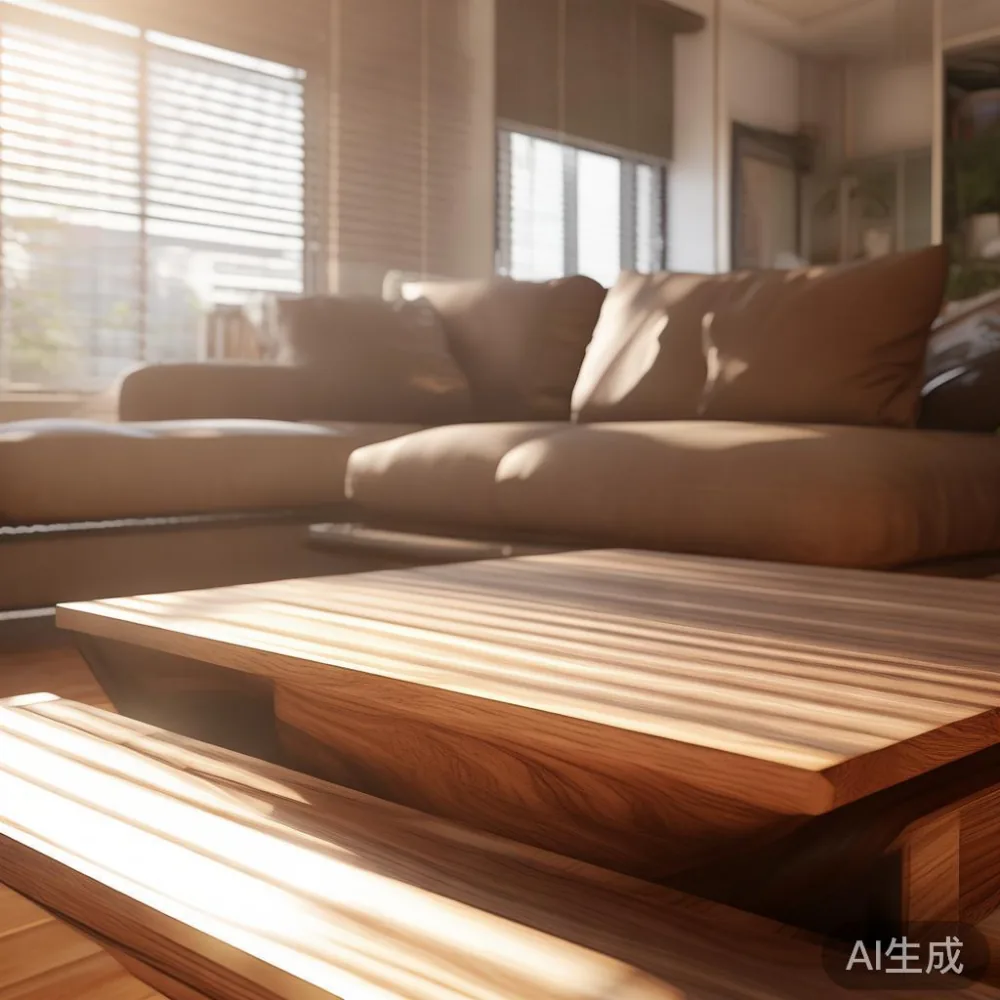
This comparison uses SGD prices, Singapore delivery conditions and local household dimensions. It covers a 120 × 60 cm rectangular coffee table weighing about 28 kg in solid wood and roughly 24 kg in a typical engineered-wood core with veneer. The figures are planning estimates rather than quotations; timber species, thickness, finishes, access conditions and retailer pricing can change the result.
What does a coffee table cost over 5 years?
A Singapore buyer might pay SGD 680 for a medium-grade solid-wood coffee table with a clear lacquer finish. A comparable veneer model may cost SGD 260. Those amounts exclude GST? No: for a consumer purchase in Singapore, displayed retail prices normally include GST. A 9% GST line can still appear on commercial invoices or business purchases, so buyers should confirm whether a quoted figure is tax-inclusive.
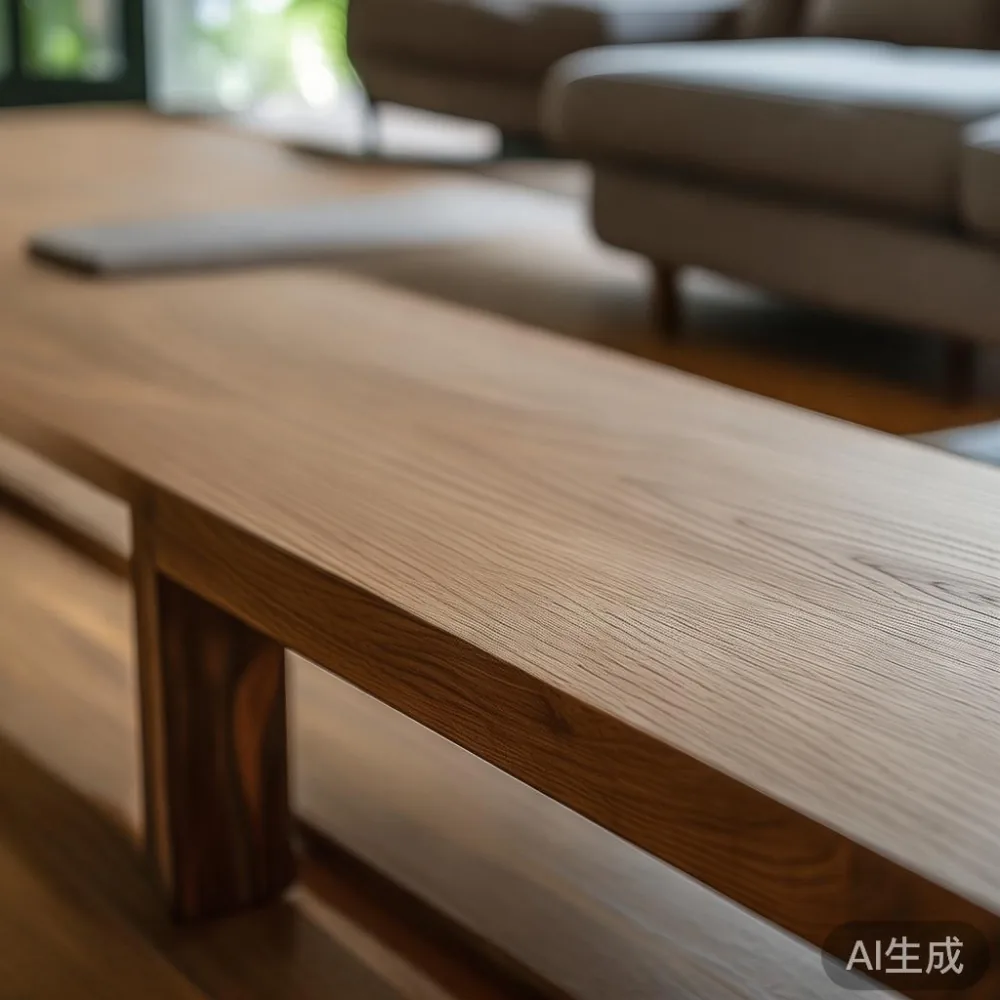
Over 5 years, the veneer example includes one SGD 45 delivery charge and two SGD 60 repair or refinishing allowances. Its estimated total is SGD 425. The solid-wood example includes free delivery above SGD 350, one SGD 90 delivery charge for a smaller order, and three SGD 80 care or refinishing allowances, producing SGD 1,010. The difference is SGD 585 over the period, or SGD 117 per year.
This is not a promise that every owner will incur those exact charges. It is a way to compare common scenarios without pretending that maintenance happens on a fixed calendar. A dry living room may need less intervention than one near an open kitchen, while direct afternoon sun can shorten the life of any finish.
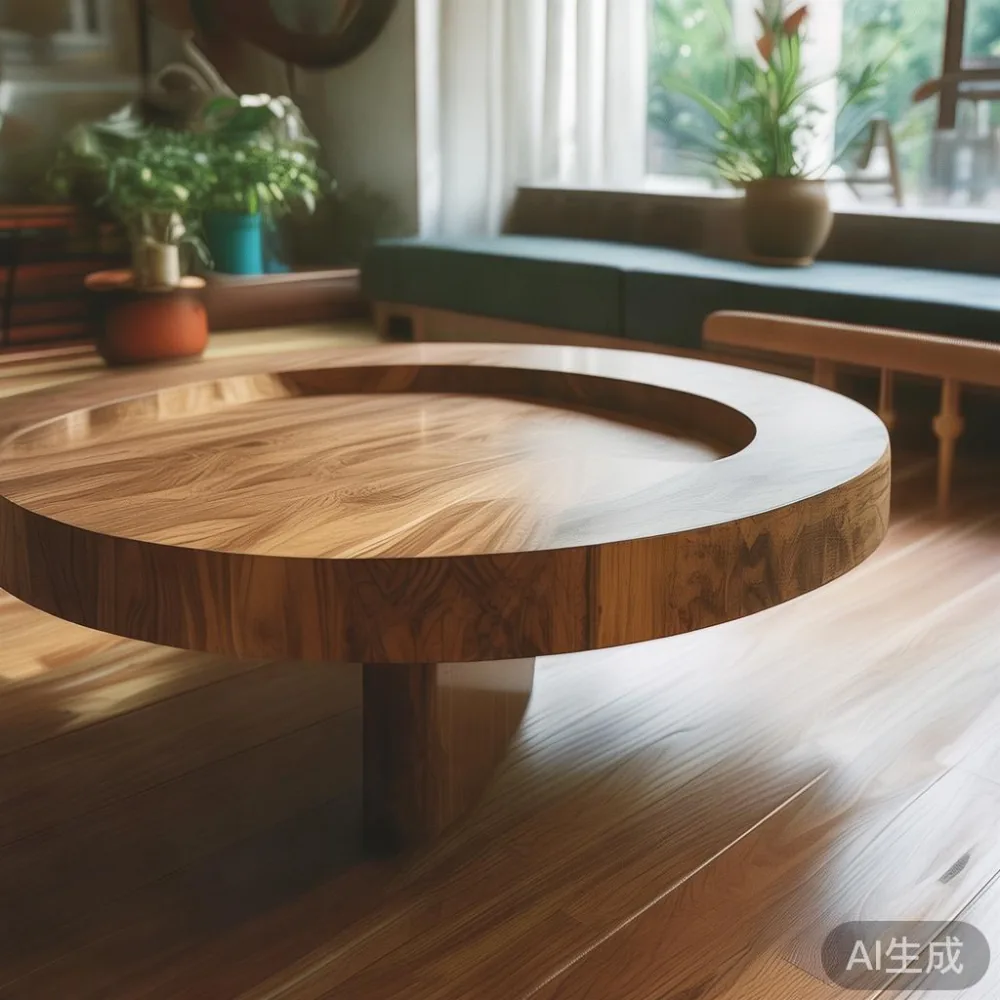
Is veneer cheaper than solid wood for a coffee table?
Usually, yes at purchase. For the example above, veneer saves SGD 420 before use. That lower entry price does not automatically make it the more economical choice over 5 years, because repair methods, edge treatment and finish renewal differ.
Real veneer is a thin layer of timber, commonly about 0.3–0.6 mm, bonded to a plywood or engineered-wood panel. A 120 × 60 cm table may use 15–20 mm panels. The visible grain can be convincing, especially under restrained light-luxury styling. However, moisture exposure can cause swelling, lifting or edge separation if the panel is not well made.
Solid wood uses timber through the visible top and edges, subject to normal construction variations. A kiln-dried hardwood table might use 20–25 mm tops and substantial rails. It generally tolerates localized scratches and sanding better. For a coffee table that receives cups, remote controls and occasional feet, that repairability can matter.
My colleague tested both approaches last month in a Tampines HDB flat. He placed one 120 × 60 cm veneer table beside a similar solid-wood table near a west-facing window. After 4 weeks and regular wiping, neither showed obvious moisture damage. He then used a coin to create a shallow mark: the veneer top marked at the coating, while the solid-wood sample could be spot-sanded. The test was small, but it demonstrated why material thickness matters.
How much should I budget for delivery in Singapore?
Delivery in a compact HDB flat may cost SGD 40–90 for a normal lift booking. A larger table, stairs or a narrow corridor can add SGD 30–120. A standard lift lobby may measure about 90–120 cm wide, and lift doors on older buildings can be around 80–90 cm. A 120 cm table top may fit diagonally, but the packaged dimensions and turning space still need checking.
For a Bedok condo, a concierge-managed delivery window may reduce coordination, while a Punggol HDB unit with a tight corridor may require the table to be carried in its component sections. Ask for the packed length, width and weight before ordering. A 120 × 60 cm solid-wood table in a carton could weigh 30–40 kg, so two-person handling is sensible.
MIDHILL states free shipping over US$350 on qualifying orders; for a Singapore purchase, confirm the local delivery amount and GST treatment before payment. A five-year budget should include one delivery event unless the retailer explicitly includes it. Delivery is an operational cost, not evidence of material quality.
What maintenance does each material need?
Both coffee table types benefit from coasters, felt pads and a stable indoor environment. Keep them away from air-conditioning vents and direct sunlight where practical. Wipe spills promptly and avoid soaking the edges. Use a pH-neutral wood cleaner rather than ammonia or silicone-heavy products, and test it on a hidden area first.
For solid wood, plan a light refresh every 18–30 months depending on use. A DIY cleaning kit might cost SGD 15–35, while professional refinishing can range from SGD 120–300 for a small coffee table. Full stripping exposes the natural colour; partial refinishing preserves more of the original tone.
Veneer requires gentler edge care because the thin decorative layer can chip. A small repair kit may cost SGD 10–25, but a lifted edge may need SGD 60–150 in workshop labour. Avoid steam cleaning and repeated wet wiping. If the substrate begins to swell, stop applying moisture and ask a furniture specialist to inspect it.
Neither material should be treated as maintenance-free. A 5-year allowance of SGD 120 for veneer and SGD 240 for solid wood is reasonable for a low-use table, but heavy household use can increase it. Keep the receipt, care instructions and finish sample; they help a repairer match the surface.
Is a solid-wood coffee table worth the higher price?
The answer depends on how long you keep it and how you use it. If the table remains in one Tampines flat for 5 years and receives moderate use, veneer may suit a restrained budget. If it moves between a Bedok condo and a family home, or if you value sanding and refinishing, solid wood has a stronger practical case.
Consider a small daily-use calculation. A veneer coffee table at SGD 260 over 5 years equals SGD 52 per year. A solid-wood table at SGD 680 plus the allowances in this example equals SGD 202 per year. That solid-wood figure is not automatically superior; it represents a different service life and repair pathway.
Ask what “solid wood” means in the sales description. Some products combine solid timber components with plywood or engineered panels. The top, rails, legs, joinery and finish all affect performance. A lower-cost model with engineered supports may still be sensible if the design is stable and the exposed surfaces are clearly described.
For a matching home, compare the table with a solid wood sofa, bed frame or dining table rather than judging it alone. A solid wood coffee table can carry the same material language through a room. If the rest of the home uses veneer, a well-finished veneer table may create a more consistent visual result at lower cost.
Can I compare French light luxury with American light luxury?
Yes. French light luxury often leans toward refined proportion, soft contrast and crafted detail; American light luxury tends to emphasise comfort, generous scale and relaxed finish combinations. In a Singapore flat, these are stylistic directions, not strict national rules.
A French light-luxury room might pair a 120 × 60 cm coffee table with curved edges, a cream sofa, warm oak tones and one marble table nearby. An American light-luxury arrangement might use a broader solid wood coffee table, a deep seat and warmer lamps. Post-modern light luxury can combine several periods through proportion and material rather than decorative excess.
For shoppers researching a complete home, a search for the top 10 Nordic furniture ideas can clarify pale woods, simple silhouettes and practical storage. A wardrobe should be measured before the coffee table is chosen: a 60 cm wardrobe depth and a 100–120 cm aisle can affect circulation. Questions such as how to style Japandi bed in bedroom and how to style Japandi wardrobe in room can help you coordinate the coffee table with adjacent furniture.
The term “light luxury” does not mean fragile. A solid-wood coffee table with a durable satin finish can suit both restrained Scandinavian rooms and more layered post-modern schemes. The material should support the room’s use, not merely its photograph.
What should I inspect before choosing?
Inspect the underside, not only the showroom top. Check that joints are tight, legs are aligned and the surface is flat within a few millimetres over 120 cm. Look at the edge under side lighting. Veneer should be continuous where practical, with no open chips or visible gaps. Solid wood may show minor knots, grain changes and small checks that are part of timber.
Tap the top gently and listen for a hollow response. More importantly, inspect the construction and ask how the piece is serviced. A marble table has different care needs, and a solid wood sofa has different cleaning needs; do not transfer care assumptions between categories. For the coffee table, remove coasters and cups before moving it.
Measure the route from the delivery van to the lift, then from the lift to the living room. Leave 10–20 cm of maneuvering space where possible. Confirm whether assembly requires tools, how many people are needed and whether the warranty covers structural failure rather than accidental damage.
MIDHILL offers a 10-year structural warranty and lifetime refinishing for qualifying products; confirm the exact scope, finish exclusions and local service arrangements for your order. A 14-day return policy can provide useful reassurance, yet returns also involve time, packaging and delivery. Read the return terms before ordering.
Which option fits a 5-year Singapore budget?
For a low-cost first home, a veneer coffee table at roughly SGD 200–400 can be a practical choice when humidity is controlled and the construction is sound. Allow SGD 50–150 for delivery, consumables and one repair over 5 years. This creates a planning range of SGD 250–550.
A solid-wood coffee table at roughly SGD 600–1,200 may suit households seeking repairability and a stronger material story. Add SGD 80–250 for delivery and refinishing over 5 years, producing a broad range of SGD 680–1,450. Mid-range solid-wood models often fall near SGD 680–900, while unusual sizes, detailed joinery or premium finishes can exceed SGD 1,200.
These ranges are more useful than a single verdict because species, thickness and finish vary. Oak, ash, walnut and rubberwood have different prices and maintenance profiles. Veneer quality also varies by substrate, adhesive and edge sealing. Ask for the panel specification, timber species, top thickness, finish type and repair policy in writing.
A Singapore buyer evaluating Italian-style rooms may ask whether is Italian light luxury sofa worth it; the same budget discipline applies to a coffee table. The sofa may be the visual centrepiece, but the coffee table is touched daily and should fit the HDB or condo route. A solid-wood sofa, solid wood bed frame or solid wood dining table can be coordinated with it without copying every detail.
Choose veneer when the priority is a controlled starting price and straightforward replacement. Choose solid wood when the priority is long-term repairability, tactile authenticity and willingness to maintain the finish. Over 5 years, the lower-priced table may still be the rational choice, while the solid-wood table may deliver greater satisfaction in a carefully planned room.
Before checkout, measure twice, request the packed specifications and compare the 5-year total rather than the purchase price alone. That small amount of preparation can prevent a narrow-corridor delivery problem, a finish mismatch or an avoidable repair charge.