How to Style a Small Singapore Apartment Without It Feeling Crowded
Last month I visited my colleague Priya in her 689 sqft HDB flat in Bedok. She had spent S$14,000 on furniture that arrived in four separate deliveries over six weeks, and the result was a home where she could barely swing a cat around the dining table. Two months later, after returning a wardrobe and swapping a 180cm dining table for a 140cm one, the same flat felt airy, calm, and frankly nicer than the showroom she had originally visited in Tampines. The lesson stuck with me: in Singapore, where the average new BTO is around 93 sqm of gross floor area and corridor widths in newer condos like Punggol's Treasure Crest can squeeze to 1.2m, the furniture you choose matters more than the paint colour on the wall. Below is a room-by-room approach I now recommend to anyone furnishing a compact home between Tampines and Toa Payoh.
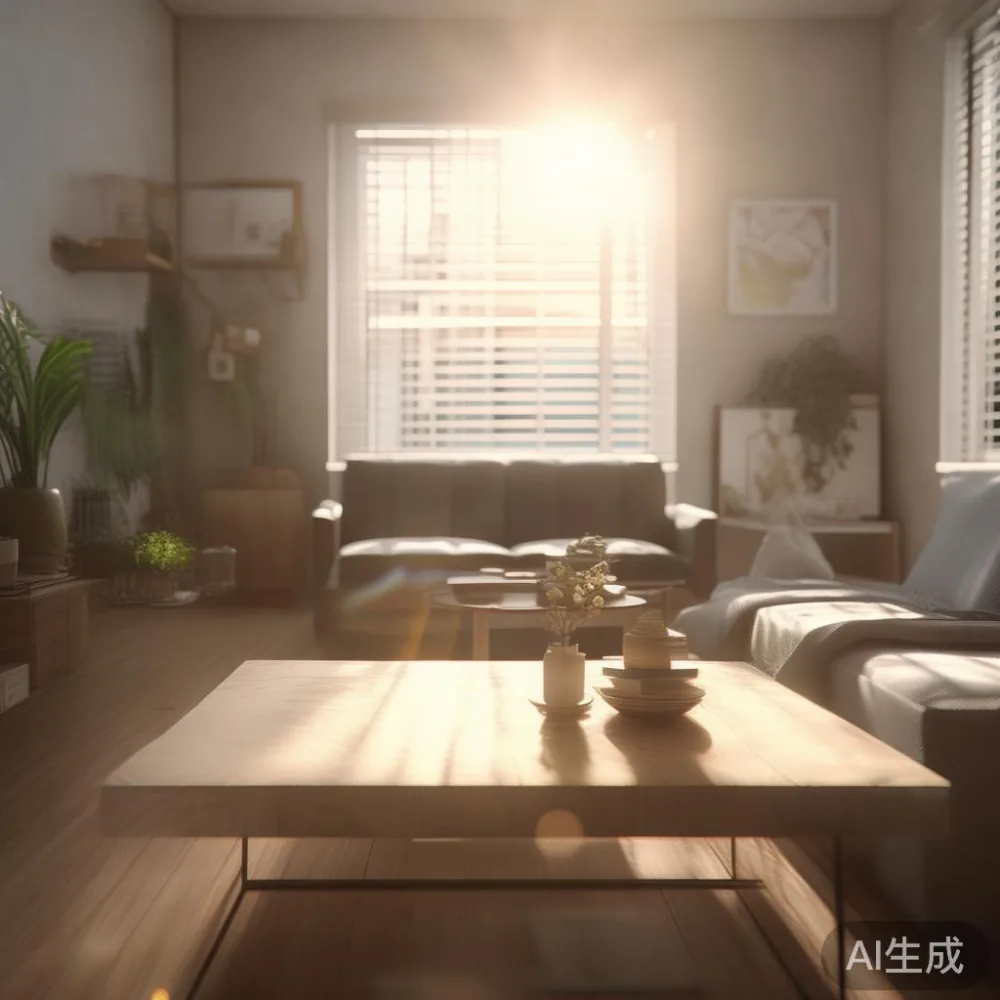
Why do compact Singapore flats punish oversized furniture?
Local constraints shape every buying decision before you ever consider style. Most HDB service lifts measure 1.1m wide by 1.4m deep, and the residential door openings are usually 0.9m wide. If your solid wood sofa or bed frame cannot pass through these dimensions, you are paying for furniture you literally cannot get inside the unit. Standard 3-seater sofas at 220cm simply do not fit diagonally in many service lifts, which is why returns of bulky items cost S$120–S$180 in courier fees alone, before any restocking charge. Add the 9% GST that landed in January 2024 and the 14-day return window most retailers honour, and the cost of getting it wrong adds up quickly. The trick is to design around the lift, the corridor, and the door before you fall in love with a piece on a shop floor in Sultan Gate or Tai Seng.
Beyond access, there is the humidity. HDB flats sit in an ambient relative humidity of 70–85% for most of the year, which is why hollow-back wardrobes warp within 18 months and why MDF dining tables start to swell at the edges after two wet seasons. Solid wood pieces, properly kiln-dried to a moisture content of 8–12%, hold their shape because the grain moves as one piece rather than as a layered sandwich. That is also why a well-made solid wood coffee table feels different under your palm when you rest your kopi on it.
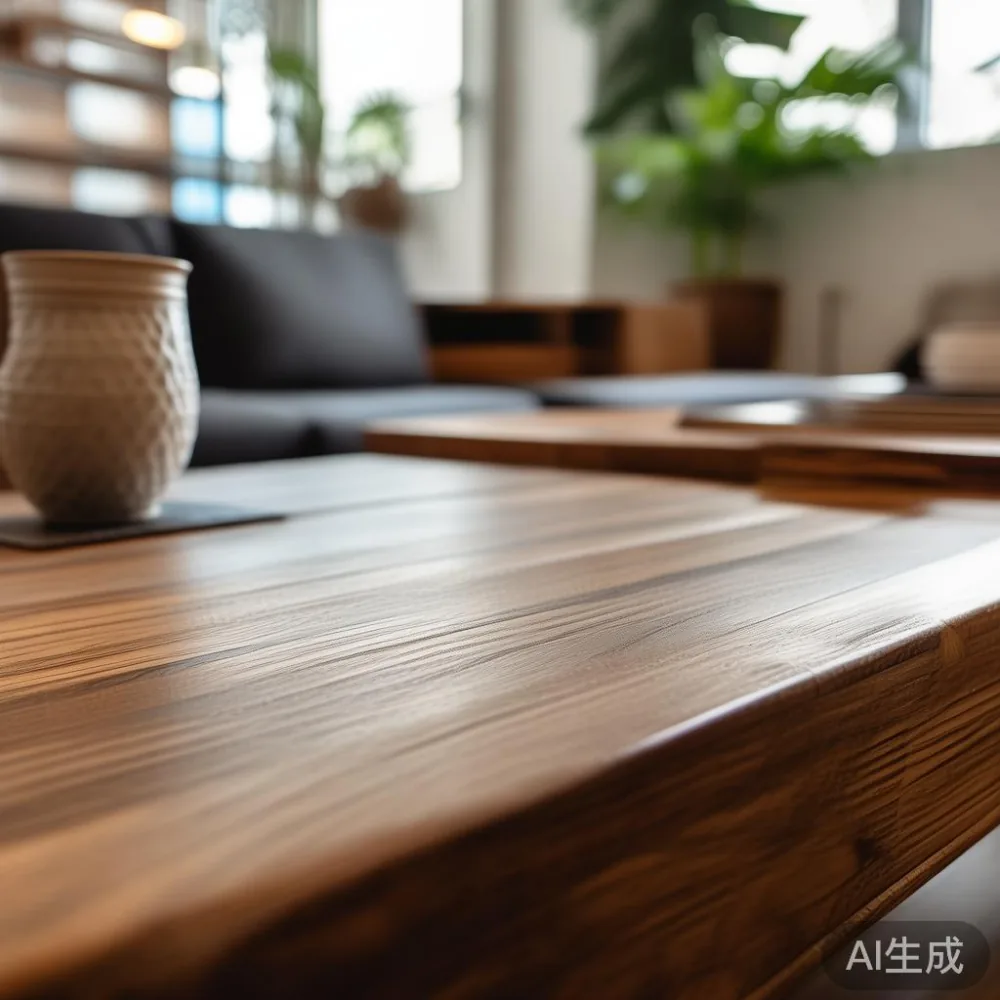
Why is the coffee table the centre of gravity in a small living room?
In a 4m x 3.5m living area, the coffee table does more work than any other piece. It holds your feet, your laptop, your mug, and at 6pm it becomes a dining surface when the whole family is too lazy to walk to the table. I have spent the last three months measuring coffee tables in Tampines retail outlets, and the sweet spot for a Singapore HDB living room is a rectangle between 100cm and 120cm long, 50cm to 60cm deep, and 38cm to 42cm tall. That footprint gives you a usable surface of roughly 0.55 sqm without dominating the rug.
A round coffee table at 80cm diameter works even better in narrow layouts, because there are no sharp corners to clip your shin when you walk past. Avoid glass-topped units under 12mm thick; they flex and look cheap, and you will notice every fingerprint within three days of HDB humidity. A solid marble table or a solid wood coffee table on a slim powder-coated steel base reads as light luxury without visual weight, which is exactly the trick French light luxury houses have popularised for small European apartments. MIDHILL's solid wood coffee tables, for reference, are typically 110 x 55 x 40 cm and weigh between 18kg and 24kg depending on the species, which is light enough for one person to reposition but heavy enough to feel planted under your palms.
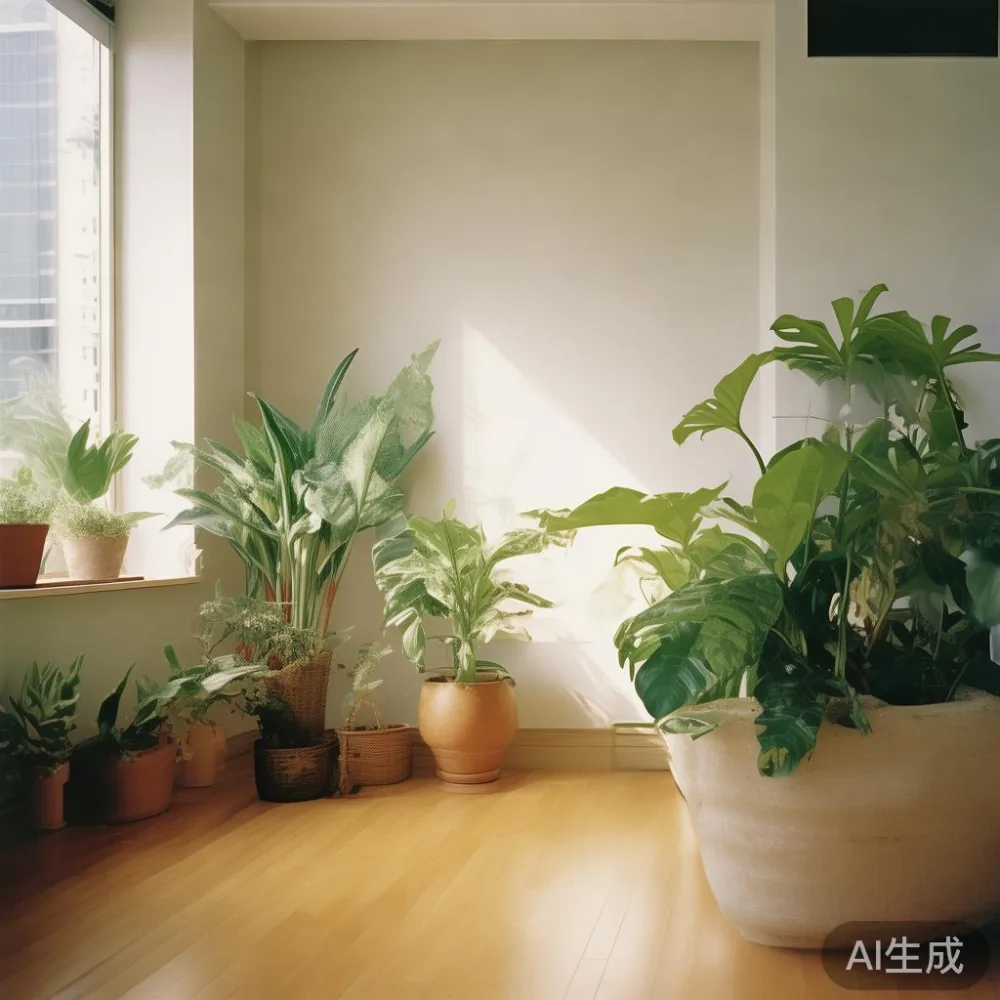
Is a rattan wicker worth the price in Singapore?
A rattan or wicker piece is only worth the price in Singapore if the rattan is genuine Indonesian or Malaysian honey rattan, kiln-cured, and mounted on an aluminium or solid wood frame with a powder-coat finish rated for tropical humidity — anything else will blacken, sag, or split within 12 to 18 months under HDB conditions. Genuine rattan costs roughly S$280–S$480 per dining chair versus S$60–S$110 for a synthetic PE wicker chair, so you are paying two to four times more for the natural version. The trade-off is breathability on a hot afternoon, a noticeably lighter visual footprint in a 12 sqm bedroom, and a texture that softens the look of a solid wood dining table or bed frame.
If your budget is tight, use rattan on a single accent piece — a peacock chair in a reading corner, a small side table beside the sofa, or the seat of one dining chair among four — and keep the rest in solid wood for longevity. If your budget is healthy, an all-rattan dining set of four chairs at S$1,400–S$1,800 paired with a 140cm solid wood dining table gives you the post-modern light luxury look that designers charge S$4,000+ for at Orchard showrooms. The piece to avoid is rattan-fronted wardrobes or TV consoles: the weave traps dust, and you will struggle to clean it with anything other than a crevice tool and patience.
How do I scale a sofa, dining table, and bed frame without losing comfort?
The rule I give friends is simple: leave 70cm of walking corridor between any two pieces of furniture, and leave 35cm between the edge of the coffee table and the front of the sofa. If you cannot hit both numbers, the room will feel crowded even with perfect styling.
For seating, a 2-seater sofa at 160–180cm wide is almost always enough for a couple in a 2-room Flexi flat; a 3-seater at 200cm is the ceiling. For the dining table, a 4-seater at 120–140cm by 70–80cm fits four adults comfortably without elbows touching. If you regularly host six, a 160cm extendable dining table with a single butterfly leaf is a better buy than a permanent 180cm unit, because the leaf stays in the garage 350 days of the year.
The bed frame follows the room: a queen at 152 x 190cm fits two adults plus a 60cm nightstand on each side in a master bedroom of at least 3.2m x 3.0m. Anything smaller and you start pushing wardrobes into the door arc. A solid wood bed frame from a maker like MIDHILL typically weighs 45–60kg for a queen, so plan your lift access before delivery day — two delivery men, a tail-lift lorry, and a 30-minute window is the realistic minimum for any 4th- to 12th-storey HDB block.
What size replacement hardware do I need if parts go missing?
If a piece arrives with a missing shelf pin, dowel, cam lock, or drawer runner, measure the hole diameter in millimetres with a digital caliper and the depth with a thin ruler, then order the part by those two numbers plus the thread pitch. Most wardrobe cam locks are 15mm diameter with an M6 thread, and shelf pins for 18mm-thick panels are typically 5mm x 12mm. Post-modern mixed-material shipping damage is the usual culprit on rattan and marble accent pieces, where small hardware migrates inside the carton during container handling.
Keep a small ziplock of spare dowels, felt pads, and a hex key set in the same drawer as your warranty paperwork. If the warranty covers 10 years on structure and lifetime refinishing, you will want the proof of purchase handy when you call, and you will want the spare hardware when a single shelf pin shears off during assembly at 11pm on a Sunday.
Wardrobes, nightstands, and the storage you actually need
Singapore bedrooms rarely exceed 12 sqm, so built-ins are tempting but expensive at S$1,800–S$3,500 per wall. A freestanding wardrobe at 180cm tall, 120cm wide, and 55cm deep gives you roughly 1.2 cubic metres of storage for coats, linens, and the boxes of cables everyone accumulates. Make sure the back panel is at least 9mm thick, because hollow-back units warp in HDB humidity within 18 months.
For nightstands, a 45cm-wide unit with two drawers is plenty. Anything bigger steals floor space you will need when you change the sheets. The same logic applies to the dining table: a 140cm unit seats four, but a 160cm one seats four and forces you to push the table 20cm closer to the wall, which nobody notices until the chair hits the skirting.
- Wardrobe: 180cm H x 120cm W x 55cm D, with a 9mm back panel and soft-close hinges rated for 100,000 cycles.
- Nightstand: 45cm W x 40cm D x 55cm H, two drawers, full-extension runners.
- Bed frame (queen): 152 x 190cm, slats no more than 7cm apart to support a pocket-sprung mattress.
- Dining table (4-seater): 120–140cm x 70–80cm, with at least 65cm of clear edge from any wall.
- Coffee table: 100–120cm x 50–60cm x 38–42cm, kept 35cm from the front of the sofa.
Light luxury styling without the Orchard price tag
American light luxury and post-modern light luxury aesthetics lean on three textures: warm solid wood, brushed brass or matte black metal, and a single accent of stone or marble. You do not need a S$6,000 console to get the look. A marble side table at 50cm diameter as an accent, a solid wood dining table in walnut or white oak, and one brass floor lamp does the same job for under S$2,400 total. Stick to a palette of two wood tones plus one metal plus one textile. Anything beyond that and the room starts to look busy, which is the opposite of what a 12 sqm bedroom needs.
Consider the style cues from American mid-century modern uae interiors — clean lines, low profiles, walnut and white oak, tapered legs, and a single statement material such as travertine or terrazzo. The same vocabulary translates perfectly into a Punggol or Bedok flat because the visual weight is light and the silhouettes stay slim. A tapered-leg solid wood dining table, a 1.4m low-profile sideboard, and a low-slung platform bed frame together deliver the look for roughly 60% of what an Orchard showroom would charge, leaving budget for one genuinely good dining chair instead of four mid-tier ones.
A quick reference table for small-space sizing in Singapore
| Room size (HDB/condo) | Sofa width (cm) | Dining table (cm) | Coffee table (cm) | Bed frame |
|---|---|---|---|---|
| 2-room Flexi (~45 sqm) | 160–180 (2-seater) | 120 x 70 (4-seater) | 80 round or 90 x 50 rect. | Single 90 x 190 |
| 3-room (~65 sqm) | 180–200 (compact 3-seater) | 130 x 75 (4-seater) | 100 x 50 rect. | Queen 152 x 190 |
| 4-room (~93 sqm) | 200–220 (3-seater) | 140–160 (4–6 extendable) | 110 x 55 rect. | Queen or King 180 x 200 |
| 5-room / Exec (~115 sqm) | 220–240 (3- to 4-seater) | 160–180 (6-seater) | 120 x 60 rect. | King 180 x 200 |
Delivery, returns, and the boring logistics that decide everything
Most Singapore furniture retailers offer free delivery above S$350, with a 3–7 working-day window for in-stock pieces and 4–8 weeks for custom or container-fresh solid wood. International makers shipping from Foshan typically quote 30–45 days by sea freight plus 7–14 days for last-mile delivery and lift-up, so plan your renovation timeline backwards from move-in day. If a piece arrives damaged, photograph the carton before opening it, then photograph the piece, then email the carrier and the seller within 48 hours — the claim window is shorter than you think.
For HDB blocks above the 10th floor, budget S$40–S$80 extra for a second delivery man if the lift cannot fit the carton diagonally, and ask whether the seller offers a white-glove service that includes unboxing, assembly, and carton removal. A 10-year structural warranty on a solid wood bed frame or wardrobe is meaningless if the first assembly cracks a dowel because no one read the manual. Keep the manual, the spare hardware, and the warranty card in one labelled ziplock taped to the back of the piece — you will thank yourself at the first refinishing visit a decade later.
Three habits that keep a small flat feeling open after year one
- Edit every six months. Anything you have not touched since the last Chinese New Year probably belongs in a storage unit, not in your living room.
- Rotate the coffee table styling. One tray, one plant, two books, and a single ceramic object is enough; remove the rest.
- Re-oil solid wood once a year. A 30-minute session with a tin of hard wax oil (around S$28 for 250ml) keeps the grain from drying out and refreshes the colour without sanding.
The whole point of choosing the right coffee table, the right dining table, the right bed frame, and the right wardrobe is that you stop noticing the furniture and start noticing the room. A flat in Bedok or Punggol that breathes is worth more than a fully styled Orchard showroom that suffocates — and a S$2,000 saving on smarter sizing will buy a lot of kopi at the void deck for the next ten years.