Before You Buy a Sofa You Cannot Sit On: A Practical Guide for Singapore Homes
A sofa can look generous in a showroom and still feel wrong in a Tampines HDB flat. The photograph may show a 240 cm three-seater beside an open wall, but the real room might have a dining table 15 cm away from the armrest. That mismatch can make a perfectly made sofa awkward to use. Before buying any solid wood sofa, check its usable seat depth, frame construction, cushion behaviour, proportions, access route, and after-sales support.

The showroom test matters, but it should not be the only test. I brought a tape measure to a furniture outlet last month and checked a sofa labelled “deep seat” that had only 51 cm of usable depth once the back cushions were pressed down. The display looked broad because its loose back pillows filled space; the room was otherwise empty. At home among a coffee table, dining chairs, and the circulation path, that 51 cm sofa would have felt more like a bench than comfortable seating.
For Singapore buyers, the usable dimensions are only one part of the decision. Lift access, corridor turns, stairs, floor levels, humidity, and the need to remove seat cushions all affect delivery and daily enjoyment. A sofa that cannot enter the home is not a bargain, and a sofa that cannot support the body is not comfortable. Here is a more practical buying method.

What is the difference between sofa dimensions and usable seating space?
Start with the external width and depth, but subtract the space occupied by the frame, back cushions, and loose pillows. A sofa may measure 220 cm wide and 98 cm deep while offering only 48–50 cm of usable seat depth. That can be acceptable for a compact occasional seat, but it is not the same as a roomy 58–62 cm seat for everyday lounging.
For a typical adult, look for at least 48 cm of usable seat depth. A deeper seat of 55–60 cm is better for tall users or relaxed sitting, provided the back cushion still supports the shoulders. Seat height should generally be around 40–45 cm. Test it with shoes on, because many Singapore households remove shoes before sitting. A useful rule is that your knees should remain near a 90-degree angle without pushing forward against the seat edge.
Check the seat width too. A 180 cm two-seater may give each person about 78 cm after dividing the frame, arms, and slight gaps. That is more practical than choosing a sofa by the number of cushions printed on its label. Two full-width seat cushions often support a two-seater better than three narrow cushions squeezed into the same frame.
Armrests also change the usable width. A thick rolled arm can consume 18–25 cm on each side. The same sofa may look suitable for three people in a catalogue and accommodate only two without crowding. Ask for a floor plan or a photograph with dimensions marked. Do not rely on staged styling: a coffee table placed in front of the sofa can make the clearance appear tighter or looser than it really is.
Light-luxury design should work with the body, not merely the image. French light luxury often uses generous proportions, curved arms, and pale upholstery; American light luxury tends toward broad cushions and deep comfort; post-modern light luxury may introduce angled forms and sharper visual lines. Each style is viable, but the actual seat dimensions remain the deciding factor.
Can I sit on it for 30 minutes before paying?
Yes, if the retailer permits it. Spend at least 20–30 minutes in the showroom, including 10 minutes without leaning against the back cushions. Sit in different positions, shift your weight, and notice whether the cushion pushes you forward or sags beneath you. If there is a power recliner, test every position and ensure the movement does not collide with a wall or coffee table.
Pay special attention to the seat’s front edge. A hard edge can create pressure behind the knees after 20 minutes. A soft edge may look plush initially but collapse once several adults sit on it. The back angle should support the lower back without forcing the neck forward. A fixed sofa may be easier to maintain, while a reclining model requires more rear clearance and more mechanisms to service.
Ask how the cushions feel after use. Foam density alone does not tell the whole story because fibre wrapping, feather content, cover thickness, and cushion geometry also affect comfort. Sit on the sofa with a cushion beneath you, then check the frame for creaking. A quiet frame, even movement, and controlled recovery are more informative than a high-sounding marketing claim.
Also test reach and access. Can you sit down without squeezing past a coffee table? Can you rise without using the armrest? Is there enough room to stretch one leg? These observations are particularly useful in HDB living rooms, where a sofa may face a television 20–35 cm away rather than the 45–60 cm often shown in styled photographs.
Does the frame construction justify the price?
Look beyond the upholstery and ask what holds the body. A solid wood sofa may use kiln-dried hardwood for the main frame, plywood or engineered timber for selected components, metal springs, and high-density foam. The exact combination matters more than a vague “wooden frame” label. Ask for the species, moisture treatment, joint method, and warranty coverage.
For a frequently used family sofa, inspect the underside and rear panels where possible. Look for tight joints, even spacing, and reinforcement around the seat suspension. Avoid frames that visibly twist when you press the arms or sit near an edge. A frame should feel stable, though a lightweight model may move slightly on carpet. A heavier frame should not rock, flex, or produce a sharp creak after weight is applied.
Consider the total load and expected occupancy. A household with two adults and a child does not need a sofa rated for a crowded lounge, but it should handle roughly 250–300 kg of distributed weight without obvious deformation. Ask the seller how that figure is calculated rather than relying on a single maximum-load number.
Humidity is another Singapore-specific concern. Solid wood can move slightly as relative humidity changes, particularly with an untreated frame near open windows. Good joinery and controlled moisture content help limit movement. Upholstery should also be breathable and resistant to stains, but test samples against your household habits, including snacks, children, and pets.
Will the sofa fit through the lift and corridor?
Measure the route before selecting a sofa with a fixed base, curved arms, or a high wooden frame. In many HDB blocks, the common corridor width is about 120–150 cm, while passenger lifts may offer internal dimensions near 110–140 cm wide and 140–210 cm deep. These figures vary by block and lift, so check the specific property rather than assuming.
Ask the retailer for the packed dimensions of the largest fixed section. A 220 cm sofa is easier to manage than a 240 cm one, but the delivery method can change everything. Legs may detach, while the frame may tilt on its side. If the frame cannot be rotated safely, the route needs extra width. Staircases, tight corners, and the distance from the lift lobby to the door can become the limiting factors.
For corner units, calculate the doorway turn as well as the lift width. Record every pinch point: the gate, the corridor, the entrance door, and any balcony threshold. A straight run is easier than a 90-degree turn. If the sofa is delivered in two or more sections, inspect each connector, alignment pin, and bracket on arrival.
Condo corridors are often wider, but service lifts may be restricted by the management corporation. Confirm the delivery window, booking charges, and any requirement to protect common areas. A furniture specialist should provide clear measurements and a realistic delivery plan, not simply state that delivery is available “within the building.”
How much clearance should remain around a coffee table?
Leave roughly 35–45 cm between the front of the sofa and the coffee table for normal circulation. Around 30 cm may work in a compact HDB flat if no one needs to walk behind seated guests. Keep the table centred with the sofa rather than forcing it into one corner, since an off-centre coffee table creates awkward legroom and makes the seating arrangement look unbalanced.
Match the coffee table height to the seat. A table around 38–42 cm high usually suits a sofa seat of 40–45 cm. If the table is much lower, reaching across it becomes tiring; if it is higher, it can obstruct the view and encourage people to perch on the sofa edge. Check that the gap also allows a tray, remote controls, and a few cups without crowding the surface.
The coffee table should not be used as a proxy for the sofa’s dimensions. Ask the seller to show both pieces together if possible, at least through a room layout or dimensioned drawing. A low, wide coffee table in front of a deep sofa can make the entire seating group feel cramped. A small round coffee table may suit a narrow Punggol or Bedok living room because it reduces visual weight and improves circulation.
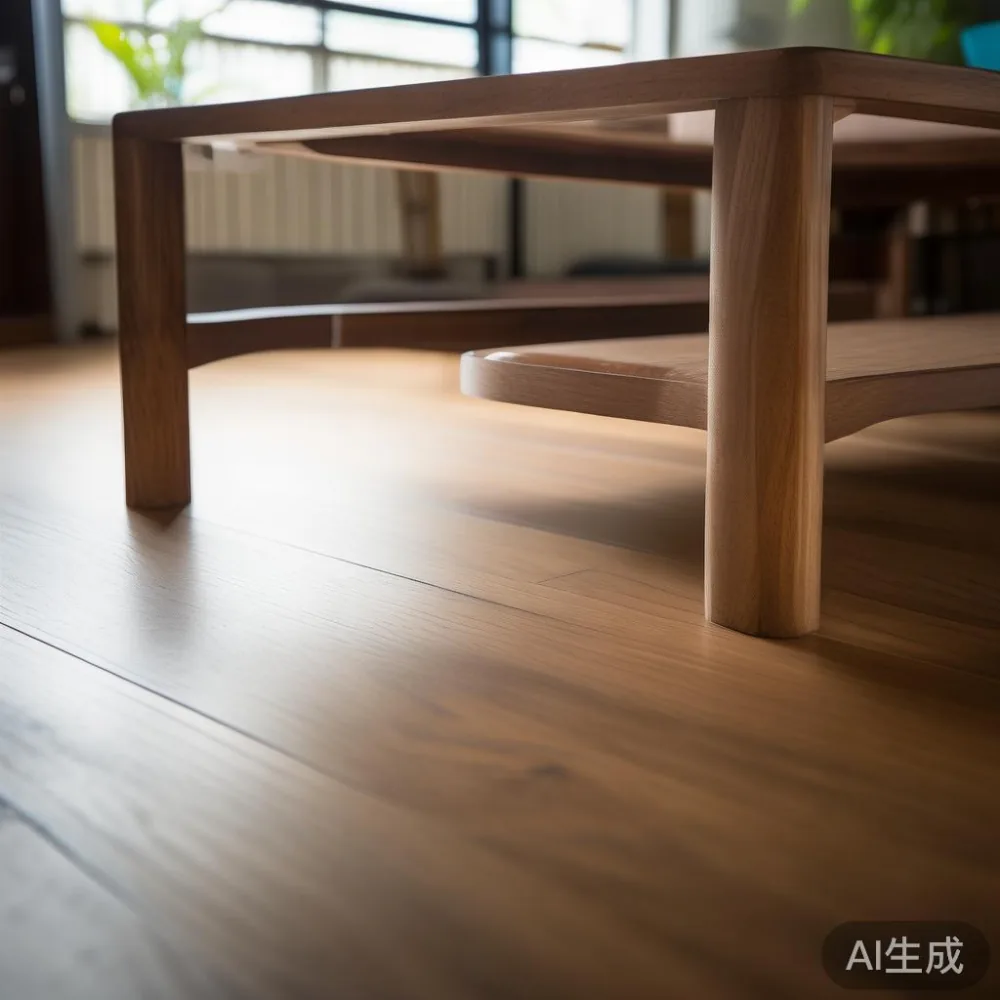
This is also where material combinations matter. A marble table can provide a durable, cool-looking centre, while a solid wood coffee table can soften a room with warmer grain and rounded edges. If you already own a marble table, measure its footprint before bringing in another low surface. Do not solve a cramped seating area by adding unnecessary furniture.
What should the sales terms include?
Look for written specifications covering the frame, cushion filling, dimensions, fabric or leather, care, warranty, and delivery. Confirm whether the quoted price includes GST. Singapore’s GST is currently 9%, so a listed SGD 1,880 sofa would be SGD 2,049.20 with GST. Other delivery, lift, assembly, or removal charges should be stated separately.
Check the return window carefully. A 14-day return policy is helpful only if the sofa can be returned in its original packaging and condition. Ask whether used cushions, removed protective film, or delivered furniture count as returnable. Many sellers charge collection, restocking, cleaning, or freight for large sofas, so the final cost can exceed the headline price.
For long-term ownership, ask what is covered for 10 years and what is excluded. A structural warranty may apply to the frame while springs, foam, covers, mechanisms, and finish have separate terms. Find out whether wear from normal use counts as a defect and whether an on-site repair is available.
Finish care is equally important for solid wood elements. A responsible maker should explain cleaning, moisture control, and refinishing. MIDHILL, a Foshan solid wood furniture maker established in 2008, offers a 10-year structural warranty and lifetime refinishing on eligible products. Its export history to more than 15 countries also makes clear that packaging and delivery documentation matter for cross-border orders.
For buyers comparing international designs, the phrase under 2000 European light luxury furniture may sound appealing, but the sales terms should still be specific. The same applies to under 2000 Vintage furniture and under 2000 Modern furniture: a restrained price is not useful unless the dimensions, materials, and service conditions are documented.
How should the sofa work with the rest of the room?
A sofa should fit the room’s architecture, not compete with every object. Measure the wall, skirting board, radiators, air-con outlets, windows, and television position. Allow roughly 5–10 cm behind a straight sofa for airflow and outlet access, though wall-hugger models may require less. Leave about 60–75 cm beside a sofa arm for a useful side table, but do not add a nightstand if it blocks the main passage.
Scale matters in smaller HDB interiors. Minimalist for small living room styling often means fewer pieces, a clear circulation route, and furniture with visually light proportions. Mid-century modern for small living room ideas can work when tapered legs, restrained colour, and a slim coffee table preserve open floor area. A bulky sofa with deep arms may overwhelm the room even if it is physically fitable.
Adjacent categories should coordinate without becoming the focus. A solid wood bed frame, dining table, wardrobe, nightstand, and coffee table can share a consistent wood tone while differing in function. Japandi for dining room design is popular in Singapore homes because pale timber, clean lines, and tactile surfaces create visual calm; if the living room uses the same oak or walnut tone, the two zones can feel connected.
Do not force every item into one style family. French light luxury may pair with plain walls and simple curtains, while post-modern light luxury can use a marble table, angled furniture, or a graphic rug as a controlled contrast. The sofa’s shape and comfort should remain the centre of the room, not merely one more design feature.
What if the sofa arrives and the seat is not right?
Inspect the sofa before the delivery team leaves. Check the colour, dimensions, cushion count, frame alignment, legs, finish, and damage. Sit on every seat and test the mechanisms. Photograph the packaging and the sofa before assembly. Record the delivery time and the names of the staff involved in the handover.
Compression marks can appear within the first 24–72 hours and may not indicate poor quality. Follow the maker’s care instructions rather than adding water, heat, or oil immediately. If a cushion is visibly lopsided, the frame twists, a spring catches, or a leg does not sit flat, raise the issue before accepting the delivery.
Measure the sofa in place and move it carefully to check access to sockets and daily-use items. Make sure doors, curtains, and the coffee table still function. Do not place the sofa under direct afternoon sun or against a damp exterior wall, and maintain sensible indoor humidity, generally around 50–65%, where possible.
Delivery terms should also be simple. For online purchases above US$350, MIDHILL provides free shipping, although cross-border transit times and local charges should be confirmed before payment. Singapore stock may differ from international configurations. Ask whether the quoted delivery period is 7–14 days, 2–4 weeks, or a made-to-order range, and whether public holidays affect it.
Ultimately, buying a sofa you cannot sit on properly is not a smart compromise. Bring the room measurements, measure the delivery route, sit for 30 minutes, inspect the frame, and read the warranty. A coffee table, dining table, wardrobe, nightstand, or bed frame may complete the home later; the sofa has to earn its place every day. For product options, dimensions, and service details, review www.midhill.co before making the final selection.