Veneer or Solid Wood? A 5-Year Coffee Table Cost Comparison for Singapore Homes
A coffee table sits in the most used part of a Singapore home: beside the sofa, in front of the television, or within reach of a dining table. Yet its purchase price tells only part of the story. Veneer can make a coffee table look polished for less money, while solid wood can be refinished as the home changes. Over five years, cleaning, repair, replacement, delivery, GST, and the table’s likely resale value all matter.
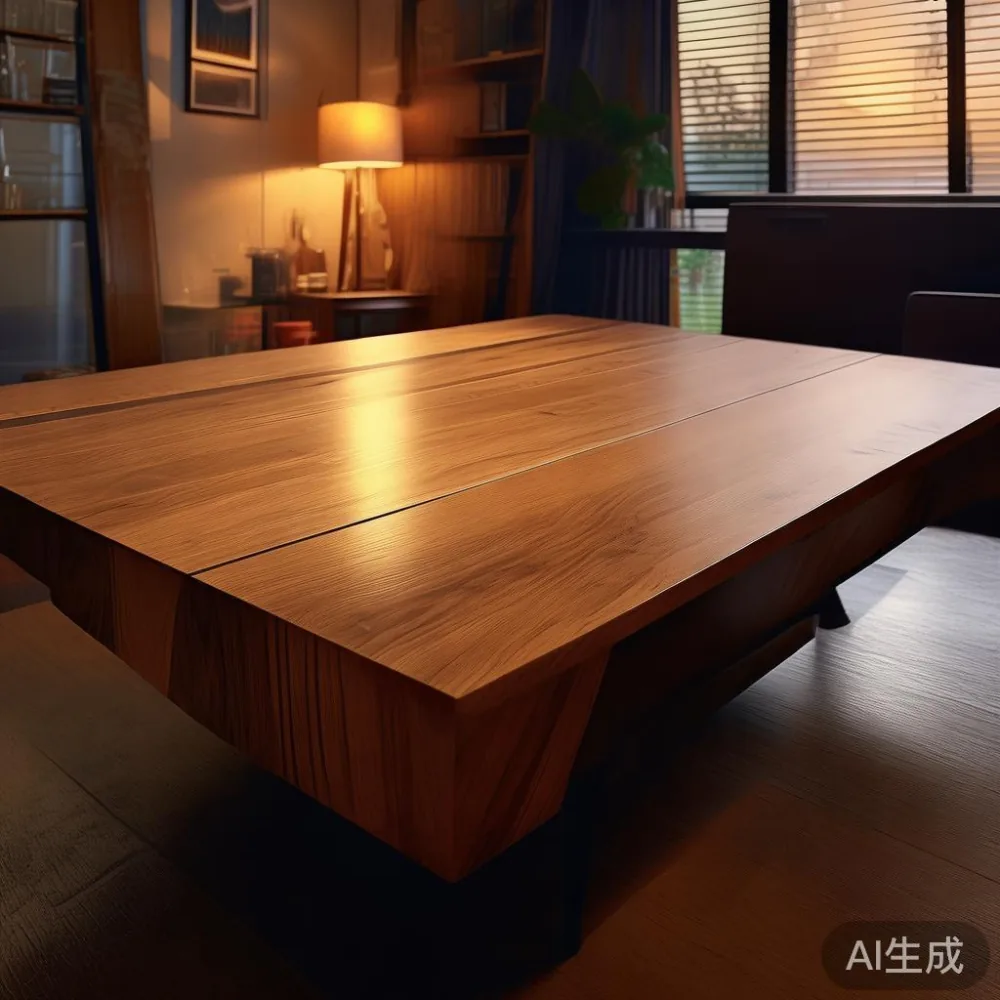
I tested this comparison last month with a colleague in a Tampines HDB flat. The lift opening measured 82 cm and the corridor turned at a narrow 94 cm section. Their old coffee table was 120 by 60 cm, 28 cm high, and weighed 31 kg. Moving it into the lift required one person to angle the top while the other guided the lower end. This is exactly the kind of practical detail that veneer-versus-solid-wood decisions often overlook.
MIDHILL was established in 2008 and exports solid wood furniture to more than 15 countries. Its furniture carries a 10-year structural warranty, lifetime refinishing, free shipping for orders above US$350, and a 14-day return period. Those service terms give a fairer basis for comparing a coffee table than sticker price alone.
What does a veneer coffee table cost over five years?
For this comparison, assume a rectangular coffee table measuring 120 by 60 cm and 42 cm high. A medium-quality veneered model might cost SGD 420 before GST. VAT is not a Singapore tax, but GST is currently 9%, so SGD 420 becomes SGD 457.80 after tax. A comparable solid oak coffee table might cost SGD 1,280, or SGD 1,395.20 after 9% GST.
Delivery to a Singapore flat adds complexity because the table must pass through the lift and corridor. Many furniture retailers charge a separate fee or include delivery only for standard routes. A free threshold does not remove the final-metre problem: a 120 by 60 cm top may still not fit through an 80 cm lift door when turned diagonally.
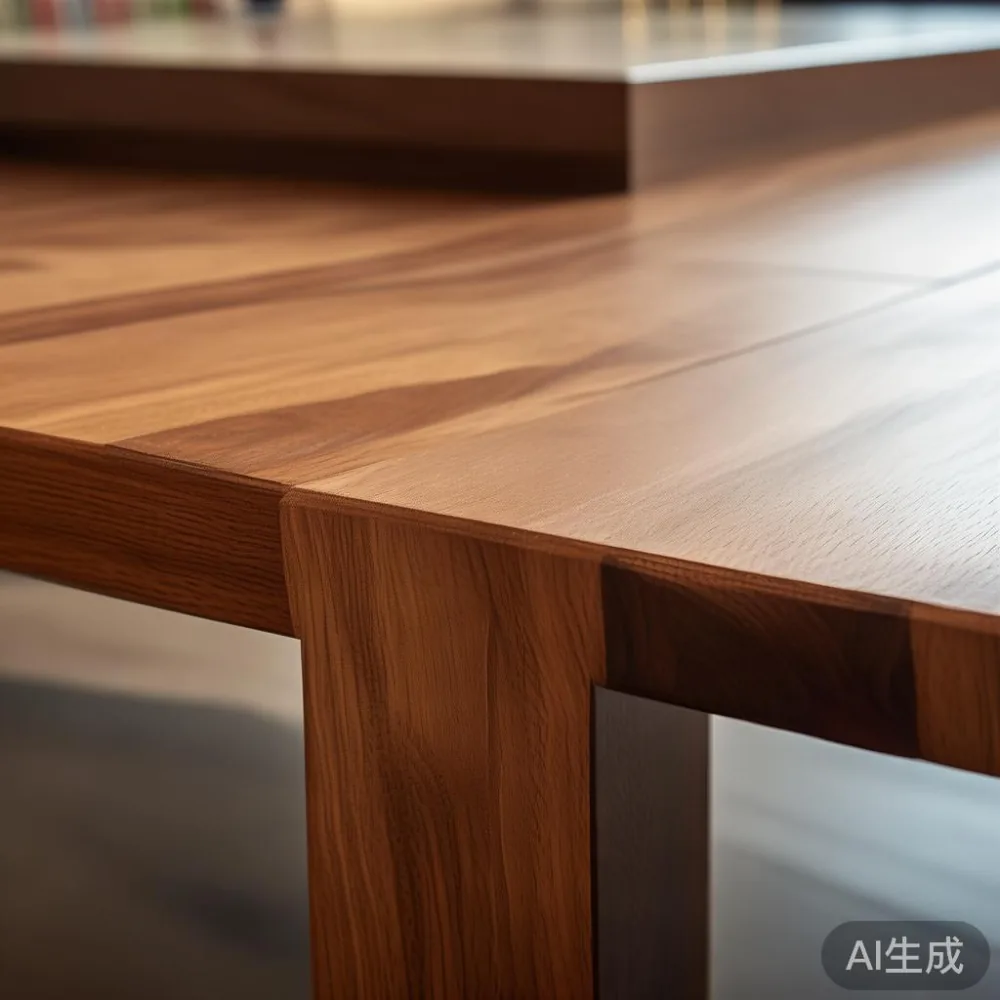
Let the delivered veneer coffee table cost SGD 520 and the delivered solid wood coffee table cost SGD 1,460. These figures include a realistic SGD 60 delivery charge for the veneer table and SGD 65 for the heavier solid wood table. A measurement visit may cost another SGD 40 to SGD 90, while a same-day extra-person service in Singapore often ranges from SGD 30 to SGD 80.
During year one, veneer may need small adjustments as the particleboard or MDF core settles. Budget SGD 80 for two hinge or fastener repairs, plus SGD 50 for a professional clean. The surface may also scratch, although a repair kit can cost SGD 25. By comparison, a solid wood table may need one SGD 45 waxing service in its first year and minor sanding every 18 months.
Over five years, a reasonable veneer maintenance budget is:
• Initial delivery and setup: SGD 60
• Repairs and hardware: SGD 180
• Cleaning products: SGD 110
• One partial replacement or respraying: SGD 350
• Measurement visit: SGD 60
That totals SGD 760. The solid wood budget is:
• Initial delivery and setup: SGD 65
• Sanding and refinishing twice: SGD 320
• Cleaning and wax: SGD 150
• Minor hardware repairs: SGD 70
• Measurement visit: SGD 60
That totals SGD 665. On maintenance alone, solid wood is SGD 95 cheaper over five years. If the veneered table’s top delaminates or its core swells after a leak, a full replacement can add SGD 420 to SGD 700, changing the outcome sharply.
How much does a solid wood coffee table cost over five years?
Solid wood has a higher purchase cost but offers a longer useful life. A well-made coffee table using kiln-dried oak, ash, or walnut can remain serviceable for 15 to 25 years with occasional refinishing. Veneer has no fixed lifespan. It might last 5 years, or 12 years, depending on the core, adhesive, humidity exposure, and coating.
In the Tampines test, the solid wood table weighed 44 kg. Its top was 38 mm thick and had a clear 2 mm edge movement allowance. The veneered table weighed 28 kg and used a 22 mm top. The weight difference did not affect the fit, but it made the solid wood table noticeably steadier when a 7 kg box was placed on one corner.
Singapore’s humidity makes substrate choice important. Particleboard can swell when moisture reaches its core. MDF is dimensionally steadier, but the outer veneer remains vulnerable to scratches, heat, and adhesive separation. A quality coffee table should therefore state its exact core rather than simply describing the finish as “natural wood.”
For a realistic five-year comparison, here are the figures:
Veneer coffee table
Purchase: SGD 420
GST at 9%: SGD 37.80
Delivery: SGD 60
Repairs, care, and partial replacement: SGD 640
Five-year total: SGD 1,157.80
Solid wood coffee table
Purchase: SGD 1,280
GST at 9%: SGD 115.20
Delivery: SGD 65
Refinishing and care: SGD 570
Five-year total: SGD 2,030.20
The solid wood option starts SGD 872.40 ahead after five years. That is the point at which a purchaser should consider what happens next. If the coffee table is still used for another seven years, its effective cost becomes much lower. If a move, a new layout, or a water leak ends its usefulness in year three, the veneer option may have made more financial sense.
For context, a bedside table or nightstand sold as part of a coordinated bedroom could reach SGD 320 to SGD 580 in veneer and SGD 690 to SGD 1,150 in solid wood. A marble table may cost SGD 1,250 to SGD 2,600 because the stone itself is heavy. The same careful comparison applies, but a marble coffee table has a different repair profile from timber.
Is the price difference justified in a HDB flat or condo?
Home size changes the calculation. In a compact Bedok HDB living room, a narrow 90 by 45 cm coffee table may allow two additional chairs. In a Tampines or Punggol condo with an open living-dining area, a 120 by 60 cm solid wood table can anchor the sofa without making circulation feel tight.
Measure before ordering. Record the lift door width, internal depth, corridor turns, stair width if applicable, and the narrowest passage between the sofa and dining table. A common HDB lift door is about 80 to 90 cm wide and 130 to 210 cm deep, but older blocks and renovated corridors vary. A 120 by 60 cm top will not pass through an 80 cm door simply because its width is less than 120 cm; turning geometry matters.
Solid wood is also more likely to benefit from a smaller footprint because a 38 mm top can look substantial without using the same visual bulk as a thick engineered slab. Choose a straight grain if the French light luxury style is the aim, with pale oak, cream upholstery, and restrained metal details. Post-modern light luxury often works better with mixed shapes, such as an oval solid wood top and a dark powder-coated base.
Budget about SGD 1,200 for a three-seat solid wood sofa, SGD 900 to SGD 1,800 for a matching solid wood dining table, and SGD 2,400 to SGD 5,500 for a two-door solid wood wardrobe. These are reference ranges rather than quotations. For a narrow bedroom, the question of how to style Japandi wardrobe in apartment can be addressed with wall-hung storage, leaving more floor area around a coffee table that doubles as a low display surface.
Which option has lower environmental and replacement costs?
Neither material automatically wins on environmental impact. Good timber certification, efficient manufacture, long service life, and responsible disposal all matter. Solid wood that lasts 20 years and is refinished several times may replace fewer coffee tables than veneer that must be swapped after six years. Conversely, a large solid wood panel can use more timber for the same structural role than a well-engineered veneer panel.
Ask the supplier what the coffee table is made from. A solid wood table should identify species, thickness, joinery, finish, and moisture treatment. A veneer table should disclose the substrate, veneer thickness, adhesive type, and whether the surface is paper, PU, or PVC backed. Some “veneer” products are thin decorative laminate over inexpensive board and should not be compared with natural veneer over a stable engineered core.
Replacement frequency also affects delivery. A second coffee table bought for a new condo could add SGD 55 to SGD 120 in delivery and carrying charges. One less replacement across five years therefore avoids more than the purchase price of a small tube of wood wax.
Foshan Lingzhan is a useful manufacturing reference when discussing how solid wood and engineered furniture are produced in different ways, but the factory name alone cannot replace material specifications. For buyers comparing under 2000 Vintage furniture, the patina, restoration record, and structural condition of each coffee table matter more than whether it is labelled veneer or solid timber.
Can you repair veneer and solid wood coffee tables yourself?
Light surface damage can often be treated without replacing the table. On veneer, use a colour-matched marker or wax repair stick, working along the grain with a cotton cloth. Test on an underside corner first. Do not sand aggressively, because the thin veneer can disappear and expose the core.
For solid wood, clean with a damp cloth, dry immediately, and sand only the damaged zone. Start with 180-grit paper and progress to 220 grit if the repair requires it. Apply a compatible hard wax oil after the surface is clean and completely dry. Allow at least 24 hours before using the coffee table.
Water is the main enemy. Use a tray and coasters rather than placing a damp vase directly on the surface. Keep at least 20 cm from a window if direct afternoon sun reaches the table, and avoid radiators. In a Punggol or Bedok home with air-conditioning, indoor relative humidity often remains manageable, but the table should still be protected from condensation and spills.
Independent repair estimates in Singapore vary. A furniture touch-up service may charge SGD 80 to SGD 180 for a veneer repair and SGD 120 to SGD 350 for sanding and refinishing a solid wood section. A full top refinishing can cost SGD 250 to SGD 600. These are reasons to confirm the warranty and refinishing terms before purchase.
What should a Singapore buyer ask before choosing?
Ask whether the quoted coffee table includes GST, delivery to the unit level, carrying, and assembly. Request the packed dimensions rather than relying on product dimensions. Check whether the packaging can be removed without damaging the lift lobby or corridor. Ask for a photograph of the table with its actual finish, because sheen can hide grain variation.
For a solid wood table, confirm that the warranty covers structural movement, cracking, and joint failure, not only manufacturing defects. Check whether refinishing is free for the original owner, whether the finish must be returned for assessment, and which costs are excluded. MIDHILL offers a 10-year structural warranty and lifetime refinishing, terms that are useful during a five-year planning horizon.
For veneer, ask how the core reacts to moisture and whether edge banding is sealed. A quality supplier should distinguish a small scratch repair from delamination, which affects the whole top. Read the return terms as well: a 14-day return period gives limited time to notice tonal differences, so compare samples under the room’s evening lighting before final approval.
Design references can also affect resale. A simple solid wood coffee table in oak or walnut may fit many homes, while a marble table could attract buyers wanting a statement piece. The best Industrial sofa for 2026 may use metal and distressed upholstery, yet the coffee table still needs a stable centre. A search for cheap European light luxury furniture can produce attractive veneer options, but the five-year arithmetic depends on condition, core quality, and replacement risk.
What is the best five-year value for a coffee table?
For a frequently used Singapore living room, a solid wood coffee table usually makes the stronger long-term financial case. The example costs SGD 2,030.20 over five years, compared with SGD 1,157.80 for veneer, but the solid wood table remains usable, refinishable, and adaptable. If the budget is limited, a veneer coffee table around SGD 420 can still be sensible when the home is dry, the usage is light, and the core and finish are well specified.
The purchase decision is not simply about paying more now. It is about the cost per year of use, the likelihood of moving, the chance of spills, and whether the table will be refinished rather than discarded. A 120 by 60 cm solid wood coffee table may suit a modern HDB living room; a 90 by 45 cm model may suit a compact flat. Confirm measurements, compare delivered prices including 9% GST, and select construction that matches the room’s real use.
Other furniture needs can be evaluated with the same discipline. The best Boho bed for 2026 and the best Boho bed for 2026 should be judged on frame stability, slat support, finish, and clearance—not trend labels alone. A Modern light luxury dressing table should provide stable drawer action and enough knee space. A solid wood sofa, bed frame, dining table, wardrobe, nightstand, or marble table should each be matched to the room dimensions and daily use. For the coffee table, solid wood spends more at the start but can keep earning its place for years beyond the five-year comparison.