What Actually Drives the Price of Solid Wood Coffee Tables?
A solid wood coffee table can range from about SGD 180 to more than SGD 2,500, yet the material label alone does not explain the difference. Two tables described as solid oak can cost SGD 600 or SGD 1,800. The gap may come from board selection, construction, finish, size, hardware, packaging, and the retailer's warranty. For Singapore homes, those factors also affect whether the table can pass through a lift, fit in a corridor, and remain practical in an HDB flat or condo.
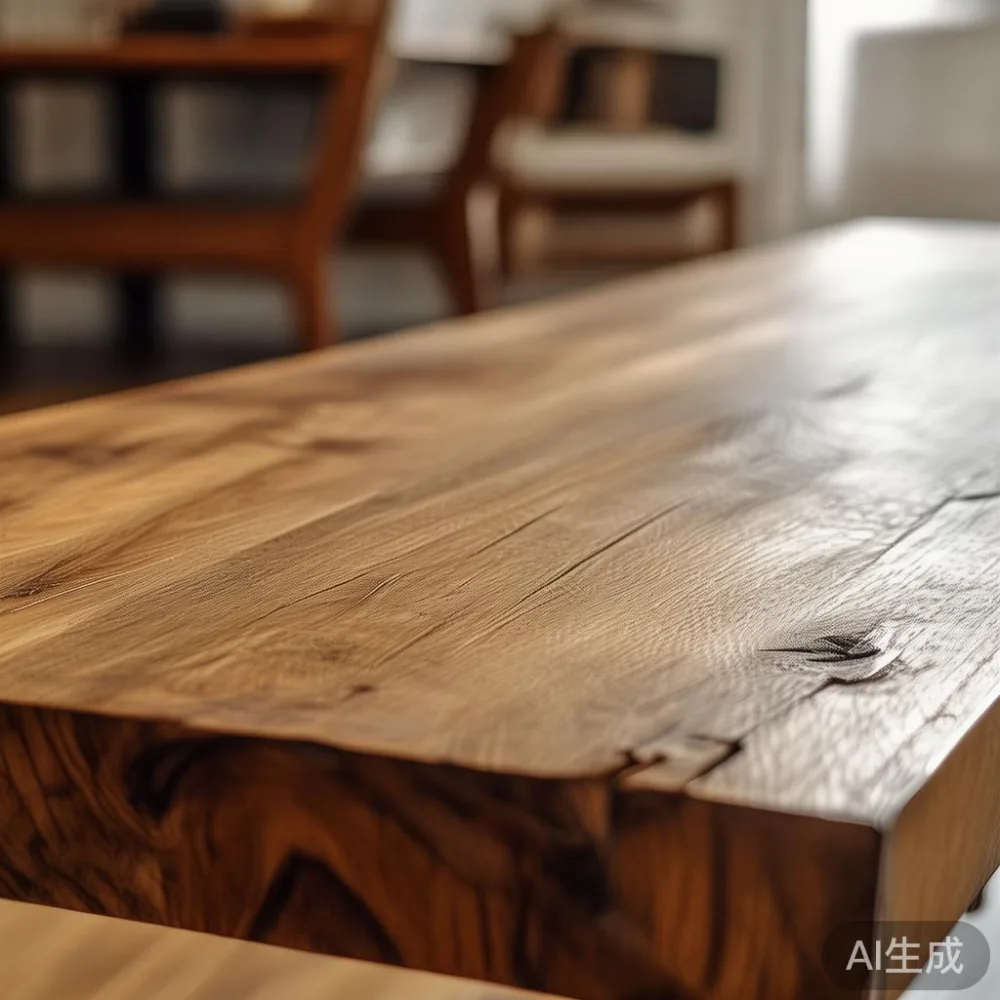
This guide breaks down what actually drives the price of solid wood furniture through the example of a coffee table. The same pricing logic applies to a solid wood sofa, bed frame, dining table, wardrobe, nightstand, or marble table, although each category has its own material and labour profile.
Why do two solid wood coffee tables cost so much?
The answer is rarely one feature. Price is the combined result of timber species and grade, solid-wood coverage, thickness, joinery, finish, dimensions, branding, and overhead. A coffee table made from kiln-dried oak with mitred corners and a hand-rubbed oil finish will require different stock and labour from one assembled from finger-jointed boards, routed edges, and a sprayed lacquer.
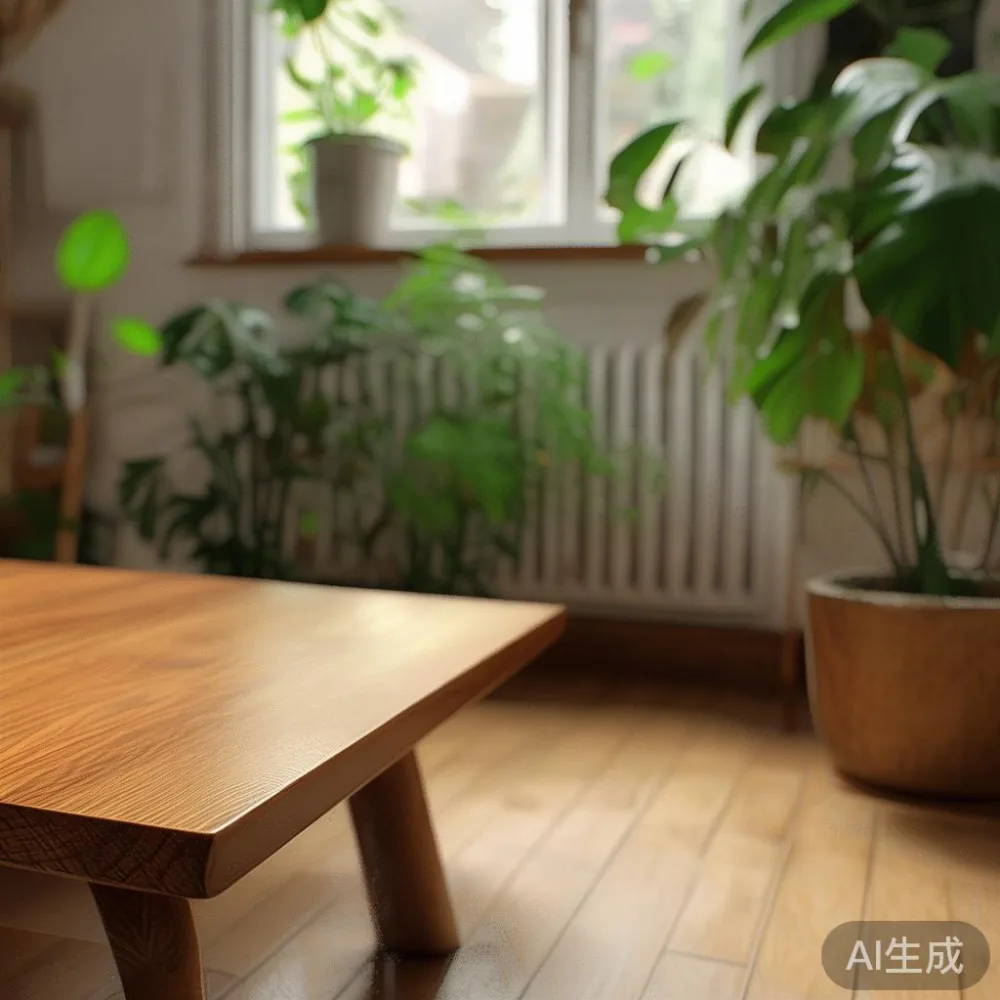
Here is a simple example. A 100 × 55 cm coffee table in basic solid rubberwood might sell for around SGD 180. A similar table in wide-plank white oak could retail for SGD 750. Add a book-matched top, shaped legs, hand-finished edges, and a ten-year structural warranty, and SGD 1,200 becomes plausible. None of these costs proves superior quality; they explain the price.
MIDHILL was established in 2008 and exports to more than 15 countries. Its practical offer includes a 10-year structural warranty, lifetime refinishing, free shipping above US$350, and a 14-day return window. These services can affect pricing, but they should be compared with material specifications rather than treated as substitute proof of craftsmanship.
How much does the wood species change the price?
Wood species matters because boards differ in yield, seasoning requirements, hardness, appearance, and market demand. Not every piece labelled “solid wood” has the same value. A 3 cm solid oak top may contain broad, continuous grain, while a 3 cm engineered top may use a thin oak veneer over manufactured board. Both can look convincing at first glance.
Common price bands for mid-sized coffee tables provide a useful guide:
- Rubberwood, pine, or other economical hardwoods: usually SGD 180–450.
- Ash, acacia, or mixed solid hardwoods: usually SGD 350–800.
- North American white oak or walnut: usually SGD 700–1,800.
- Large, rare, figured, or highly selected solid timber: SGD 1,200–2,500 or more.
“All solid wood” also requires clarification. It may apply only to the tabletop, with legs and aprons made from another timber or from finger-jointed components. Ask whether every visible structural part is solid timber, whether panels are plywood or particle board, and whether back panels are real veneer. For a coffee table, the top normally carries most of the visual and structural importance.
Thickness is measurable. Moving from an 18 mm top to a 25 mm top increases timber use, but it does not automatically double the price. A thick table made with stable finger-jointed construction may cost less than a thin table made from wide, defect-free boards. Weight can indicate volume, but mass alone is not quality: moisture, density, and reinforcement all affect it.
Does joinery and construction really justify a higher price?
Yes, when the construction is visibly and functionally better. A well-made coffee table should resist movement, joint failure, and repeated lifting. Look for dowels plus glue, mortise-and-tenon joints, or screwed and glued frames that remain serviceable. Avoid tables held together mainly by small dowels, surface screws, or brackets hidden beneath the top.
Last month I visited a Singapore supplier's workshop and compared two tables priced within SGD 150 of each other. The lower-priced table had a 20 mm solid top, 55 × 80 mm legs, and corner blocks screwed from below. The other had a 25 mm top, tapered legs, recessed fixings, and reinforced aprons. The second table weighed about 16 kg against 11 kg, and its top thickness increased from 2 cm to 2.5 cm. Neither table was automatically right for every flat, but the labour difference was clear.
Legs and aprons should match the intended use. A family coffee table carrying books, trays, and daily items needs a stable frame. A narrow accent table for a 90 cm sofa needs less footprint but should still resist tipping. Dimensions change labour and timber costs more than some shoppers expect: scaling a top from 90 × 50 cm to 120 × 70 cm can add roughly 30–50% more surface area.
Hardware also has a price. Hidden fasteners, quality cams, felt pads, and adjustable feet add perhaps SGD 8–35 per table. A drawer with solid timber sides, dovetail joints, and a quality slide may add SGD 90–250 compared with a simpler open shelf. These are specific parts shoppers can inspect, rather than vague claims of superior construction.
How much do shape, finish, and colour add?
Shape determines machining time. Straight-edged rectangular tables are economical to produce. Rounded corners, bevelled tops, tapered legs, curved aprons, and sculpted bases add setup, waste, and hand-finishing. A circular 90 cm top may use more timber than a rectangular table of the same footprint because the board layout is less efficient.
Finishing can add SGD 40–300 or more. Water-based lacquer is efficient and usually easier to maintain. Oil and wax offer a tactile, repairable finish but need periodic attention. French light luxury styling often calls for pale oak, cream tones, refined profiles, and understated elegance. American light luxury tends toward broader proportions, darker contrast, and substantial-looking forms. Post-modern light luxury can mix geometric tops with angled or mixed-material details.
The finish question is practical: can a scratch be repaired? An oil-finished surface can often be spot-treated, while a sprayed lacquer may require sanding and recoating. MIDHILL includes lifetime refinishing, which is useful for long-term ownership, although consumers should confirm whether refinishing applies to a specific product and which surfaces are covered.
Colour matching across a coffee table, side table, and TV console also costs more than producing one standalone table. Custom stain matching might add SGD 80–250 per order. Consistent factory batches reduce that risk.
What should Singapore buyers measure before paying?
Measure the route, not only the room. Standard HDB lift doors are often about 80–90 cm wide, though building-specific dimensions vary. Internal lift depth may be roughly 100–140 cm, and corridor turns can be tighter than expected. A boxed coffee table longer than 105 cm may not turn through a common corridor even if its narrow width fits the lift.
Record the sofa-to-wall distance too. A 90 cm sofa usually leaves 35–45 cm for a coffee table if walking space is needed. For a compact HDB living room in Tampines, Bedok, or Punggol, a 90 × 45 cm table can be more usable than a 120 × 70 cm model. The latter may look generous but could obstruct circulation.
Weight matters when carrying furniture upstairs. A 100 × 55 cm solid oak table can weigh 20–30 kg. Add protective foam, corner guards, and a carton, the delivered package may reach 25–35 kg. Two people and a lift should make this manageable. A narrow corridor may still require turning the package vertically. Request the packaged dimensions and weight before purchase.
Singapore prices normally include GST. Compare the final checkout amount rather than an overseas catalogue price, and check import or delivery charges if buying from another seller. A quoted SGD 900 table becomes SGD 981 after 9% GST. Conversion rates and overseas freight can create additional differences that have nothing to do with the furniture itself.
How are delivery, warranty, and returns reflected in the price?
Delivery is part of the landed cost. A local Singapore order might be delivered in 3–7 days after stock confirmation, while a made-to-order piece may take 6–10 weeks. A freight charge of SGD 35–120 for a small coffee table is common; bulky furniture or upstairs delivery can cost more. MIDHILL advertises free shipping above US$350, but Singapore buyers should verify the local threshold, customs treatment, and delivery quote rather than assuming the overseas figure applies.
A 14-day return policy has an operational cost, even if no individual customer notices it. It requires inspection, protective handling, and inventory space. A 10-year structural warranty likewise involves documentation and replacement reserves. These benefits are more meaningful when the written terms identify what counts as structural failure and how claims are assessed.
Compare the complete package. One seller may charge SGD 650 for a basic oak table with a 1-year warranty. Another may charge SGD 850 for thicker stock, concealed fixings, a longer warranty, and local delivery. The second option can offer better value if the extra SGD 200 buys measurable construction rather than vague marketing.
Is a marble table worth more than a solid wood coffee table?
Not automatically. Marble prices depend on the stone type, thickness, cut, reinforcement, edge treatment, and weight. A 100 × 55 cm sintered marble or marble-look surface table may retail for SGD 400–1,000, while genuine marble can reach SGD 1,200–2,500. A natural slab has variation and needs careful support; a thicker surface also adds lifting weight.
Stone is often chosen for French light luxury or post-modern light luxury interiors because of its visual impact. Solid wood offers warmth, repairability, and a different tactile character. A timber table may blend better with a solid wood bed frame, dining table, or wardrobe in a bedroom-heavy condo. Stone may suit a sharper, cooler living room scheme.
Buyers should ask about the actual substrate. “Marble table” might describe the top while the base uses metal, MDF, plywood, or veneer. That is not a defect if disclosed, but it changes the expected price and care requirements.
How do light-luxury styles affect furniture prices?
Light luxury is a visual direction, not a fixed material specification. French light luxury commonly uses pale woods, gentle curves, cream upholstery, and balanced proportions. American light luxury often features oak, walnut, broad surfaces, and rounded or softened forms. Post-modern light luxury mixes references rather than following one historical pattern.
Styling affects the coffee table through design complexity. A minimal rectangular oak slab can be inexpensive. A sculptural base, inset stone, matched veneer, or coordinated lacquer may raise the price. Decorative detailing also increases finishing time. Popular searches such as top 10 Vintage furniture are useful for identifying references, but a listing number says nothing about timber grade or construction.
Likewise, comparisons framed as Japanese bed vs French provincial bed or light luxury bed vs Mid-century modern bed concern bedroom silhouettes, not one universal price. They help define visual taste; they do not replace dimensions, joinery details, and material disclosures. For the coffee table, the same rule applies: a French provincial-style turned leg can cost more to machine and finish than a straightforward tapered leg.
What should you ask before buying a solid wood coffee table?
Ask for the full specification: wood species, top thickness, whether every visible part is solid timber, board width, joinery, finish type, dimensions, unloaded weight, packaged dimensions, and warranty coverage. A serious seller should be able to answer without relying on “premium,” “heirloom,” or similar labels.
Request photos of the underside and one sample from the batch you will receive. Check seasonal movement gaps, sanding marks, colour variation, and whether the top has been reinforced for transport. Confirm that felt pads and assembly hardware are included. Ask how the table is protected during delivery and whether refinishing covers scratches, moisture marks, and normal wear.
For a guest bedroom, a European for guest room design may call for a slim oak or walnut nightstand rather than a large coffee table. A search for the best Modern light luxury wardrobe for 2026 can help with visual planning, but wardrobe pricing follows the same logic as a coffee table: timber grade, drawer and interior hardware, panel construction, finish, and size determine much of the cost. Solid wood sofa pricing then depends on frame timber, suspension, foam density, and upholstery, so no single “wood” label predicts the final figure.
The most useful price comparison is not between two glossy catalogue photographs. It is between two tables with written specifications, shipped dimensions, local GST-inclusive pricing, warranty terms, and realistic delivery times. That comparison reveals what your money buys and where savings are genuinely available.