Singapore's Humidity and Your Solid Wood Coffee Table
Living in Singapore, the air is thick with a constant, invisible presence: humidity. For residents of HDB flats in Tampines, condos in Punggol, or any of the city's countless homes, this moisture in the air is a fact of life. It feels on the skin, fogs up your glasses, and condenses on a cold drink. But for a piece of furniture as central to your living space as the coffee table, humidity is more than just a feeling; it's a silent, persistent force that can alter its form, finish, and function over time. Understanding this relationship is the first step toward preserving the beauty and integrity of your furniture investment.
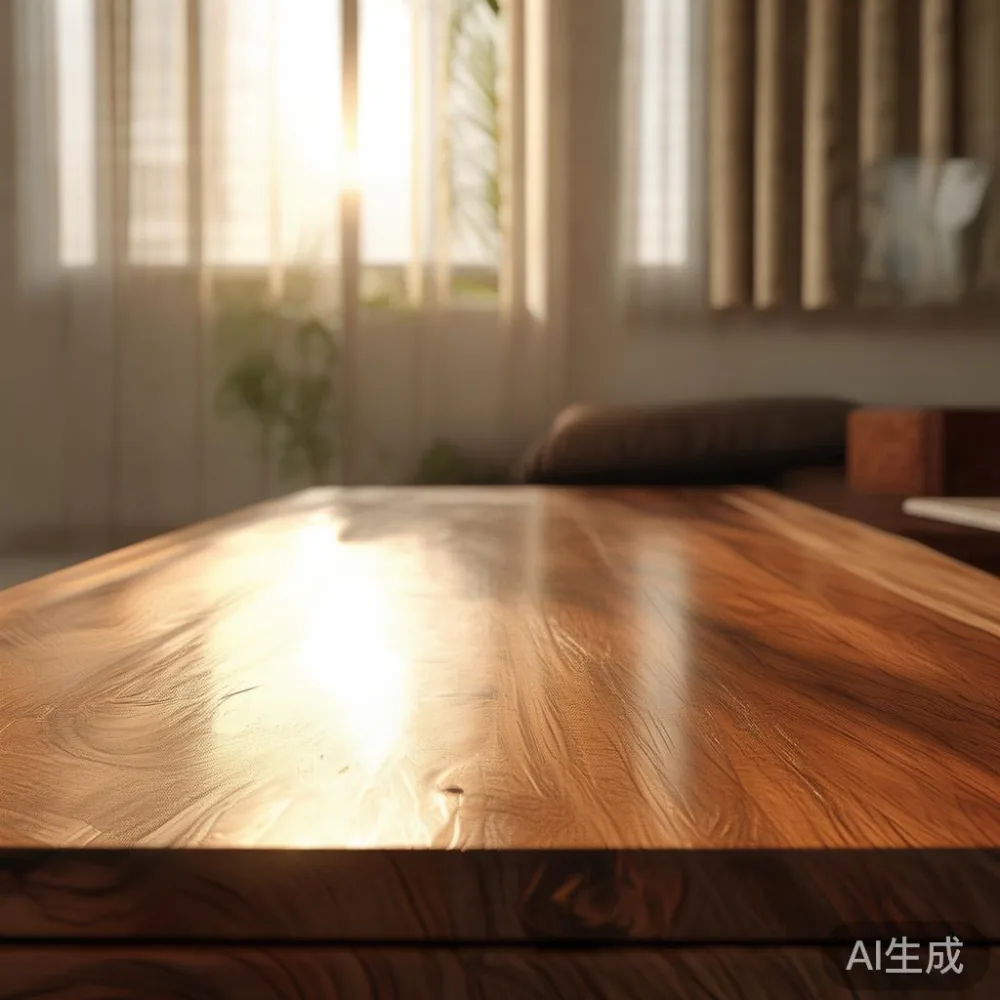
Understanding the Science: Wood and Water in a Tropical Climate
At its core, wood is a hygroscopic material. This scientific term simply means it naturally absorbs and releases moisture from the surrounding environment. Think of it like a living sponge. In a temperate climate, this process is relatively gentle. But in Singapore, where average relative humidity hovers between 70% and 80% year-round, the amount of moisture wood is exposed to is immense. This constant saturation forces the wood fibers to swell. A solid oak coffee table, for instance, can expand by as much as 3-5% in width during the wetter months, a change that is not uniform across the entire piece.
This uneven expansion is the root of many problems. As the outer layers of the wood absorb moisture and swell, while the core remains relatively stable, internal stresses build up. The result? You might notice small, hairline cracks appearing on the surface. These are not defects in the wood itself, but rather the wood's natural response to being pushed beyond its comfort zone. The problem is particularly acute in air-conditioned environments. The air-conditioning in a Bedok HDB flat might be set to 24 degrees Celsius, but it also strips moisture from the air, causing the wood to contract. This cycle of expansion and contraction, day after day and season after season, puts a tremendous strain on the furniture's structure.
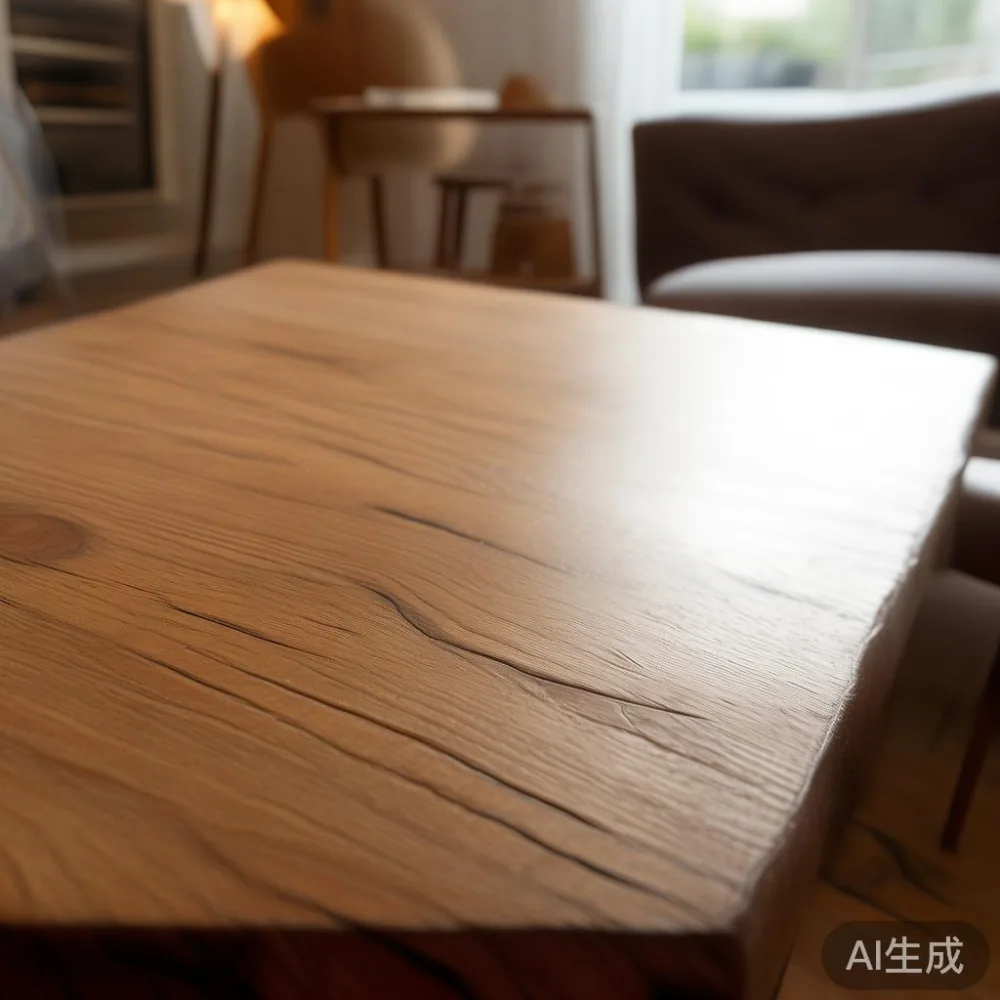
What Damage Looks Like: From Minor Annoyances to Major Issues
The effects of humidity on a coffee table can manifest in several ways, ranging from cosmetic concerns to structural damage. The most common and least severe issue is a sticky or gummy surface. When humidity is extremely high, the natural oils and resins in the wood can migrate to the surface, making it feel tacky to the touch. This can attract more dust and grime, creating a film that dulls the wood's natural lustre.
p>More visually apparent are the small cracks, or 'checks,' that can form on the table's surface or edges. These often start as fine lines but can deepen over time, especially if the wood is not properly finished. A poorly sealed coffee table in a humid Punggol condo might develop these cracks within a year, while a well-protected one might remain smooth for a decade.
How to Choose the Right Coffee Table for Singapore's Climate?
When selecting a coffee table for your Singapore home, material choice is paramount. Solid wood is a beautiful and durable option, but it requires a high level of craftsmanship to withstand the local climate. The key is not the type of wood itself—whether it's teak, mango, or oak—but rather how it has been processed and finished. A well-made coffee table will have been kiln-dried to a specific moisture content, typically between 8-10%, to minimize its tendency to expand and contract after it leaves the workshop.
p>The finish is just as important as the wood. A high-quality, multi-layered lacquer or oil-based finish creates a protective barrier that slows down the absorption of moisture. This finish should be applied evenly and penetrate deep into the wood grain. For those who appreciate a more natural aesthetic, a penetrating oil finish can be effective, but it requires more frequent maintenance to maintain its protective qualities. The goal is to find a coffee table where the wood and finish work in harmony to resist the environmental pressures of a Singapore apartment.Can a Solid Wood Coffee Table Survive a Singapore HDB Flat?
This is a question we hear often from customers living in high-rise apartments. The answer is a resounding yes, but with a clear understanding of the conditions. A colleague of mine, who lives in a 5-room HDB flat in Tampines, recently moved into a new unit. She purchased a stunning solid wood coffee table from a reputable maker. Within three months, she noticed small cracks forming on the underside of the table. Upon inspection, we discovered her living room window was always open, allowing direct, humid sea air to circulate constantly around the furniture. The solution was simple: she started keeping the window closed during the afternoon and used a dehumidifier in the room for a few hours each day. The cracks stabilised, and the table has been perfect ever since. This real-world example shows that while the climate is a challenge, it is entirely manageable with the right care and environment.
p>For those living in condos with large, open-plan layouts, managing humidity can be trickier. The air circulation is greater, but so is the exposure. Placing a coffee table away from direct sources of humidity—like an open balcony door, an air-conditioning vent that blows cold, dry air, or even a large indoor plant that releases a lot of moisture—can make a significant difference. The key is to create a stable microclimate around your furniture.Practical Care and Maintenance for Your Coffee Table
Protecting your coffee table from humidity is an ongoing process of care. The first rule is consistency. Avoid rapid, extreme changes in temperature and humidity. Don't move a coffee table from an air-conditioned room directly onto a balcony on a humid day. Allow it to acclimatise gradually.
p>Regular cleaning is also a form of protection. Dust your coffee table once a week with a soft, dry cloth. This removes abrasive particles that can wear down the finish. For deeper cleaning, use a slightly damp cloth followed immediately by a dry one to prevent moisture from soaking into the wood. Never use harsh chemical cleaners or excessive water, as these can strip the finish and damage the wood.p>Periodically, you may need to recondition the wood. For tables with an oil finish, applying a specialised wood oil every 6-12 months can help replenish the protective layer. For lacquered surfaces, a good quality furniture polish can restore the shine and provide a barrier against moisture. This simple maintenance routine, taking no more than 15 minutes every few months, can extend the life of your coffee table for years to come.Why Quality Craftsmanship Makes All the Difference
When the humidity is high, the difference between a well-made and a poorly made coffee table becomes glaringly apparent. A piece of furniture from a maker established in 2008, like MIDHILL, has spent over a decade refining its process for the global market, including humid climates. Their approach involves meticulous wood selection and a rigorous kiln-drying process that brings the wood to a stable moisture content before it is even shaped. This preparation is the foundation of a coffee table that can withstand Singapore's environment.
p>Joinery is another critical factor. A coffee table held together with staples or simple screws will fail under the stress of wood movement. High-quality furniture uses traditional joinery techniques like mortise and tenon or dovetail joints. These interlocking methods allow the wood to expand and contract naturally without compromising the table's structural integrity. For example, a coffee table with a solid wood top should be attached to the base with a system of clips and screws that permits the top to move independently, preventing it from cracking or pulling the frame apart. This attention to detail in construction is what separates a coffee table that lasts a lifetime from one that may need replacement in just a few years.Is a Marble Coffee Table a Better Choice for Humid Singapore?
While this article focuses on solid wood, it's worth addressing a popular alternative: marble. A marble coffee table is non-porous and completely unaffected by humidity. It will not crack, warp, or expand. In a sense, it is immune to the silent enemy that plagues wood. This makes it a practical choice for high-humidity areas. However, marble comes with its own set of challenges. It is heavy, a large marble slab can weigh over 50 kg, making it difficult to move. It is also prone to staining from acidic substances like wine, coffee, or fruit juice, which can leave permanent marks if not cleaned immediately. Also, a cold marble surface can feel unwelcoming in a Singaporean home, lacking the warmth and organic feel of solid wood. The choice ultimately comes down to personal preference: the enduring warmth of wood that requires care, or the cool, impervious nature of stone that requires vigilance against stains.