The Silent Enemy: How Humidity Affects Your Solid Wood Coffee Table in Singapore
For many Singaporeans, our homes are our sanctuaries. They are the backdrop for family dinners in a condominium in Punggol, quiet afternoons reading in an HDB flat in Tampines, or weekend gatherings with friends in a Bedok apartment. The furniture we choose, especially a statement piece like a coffee table, is not just for function; it’s an extension of our personal style. However, the very air that keeps us comfortable in our tropical climate poses a constant, subtle threat to our beloved solid wood furniture. Understanding this relationship between humidity and wood is the first step towards preserving the beauty and integrity of your investment for years to come.
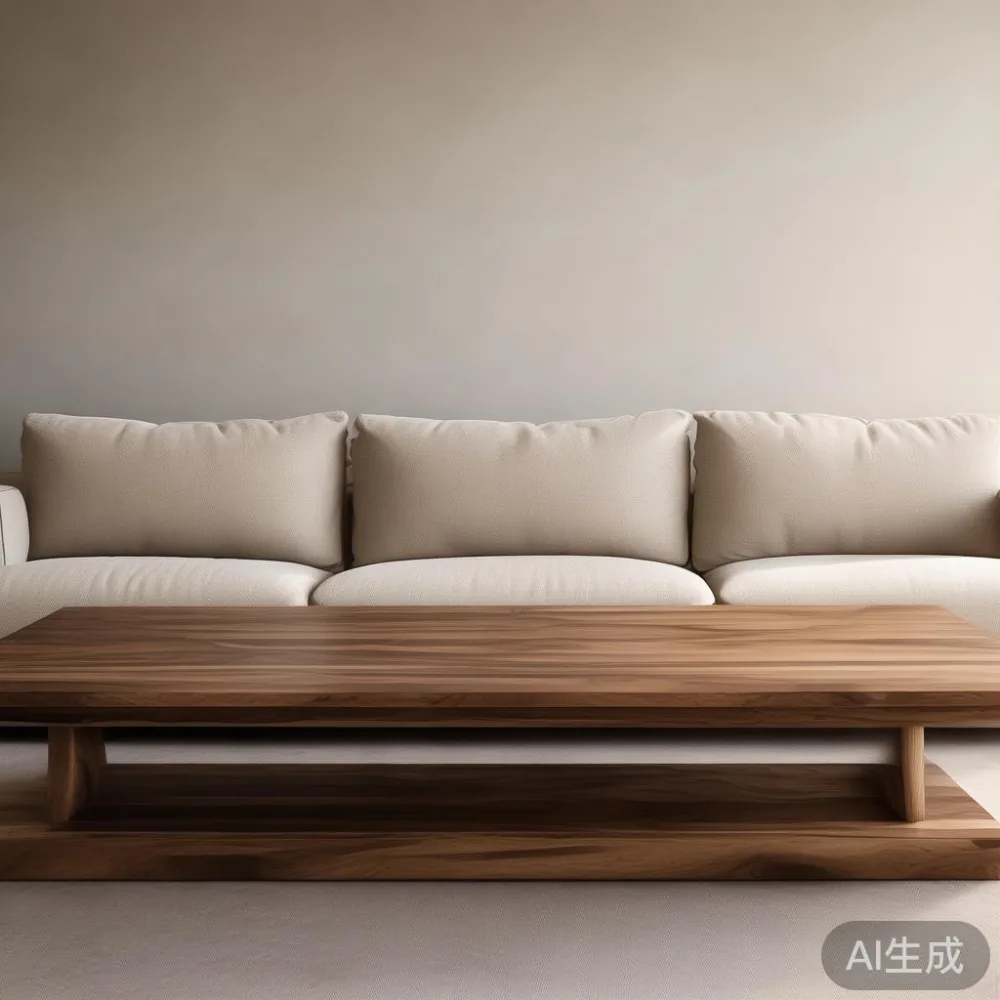
Understanding the Science: Wood and Water
At its core, wood is a hygroscopic material. This scientific term simply means that wood naturally absorbs and releases moisture from the surrounding air. Think of it like a living sponge. When the humidity is high, the wood fibers absorb moisture, causing them to swell and expand. Conversely, when the air is dry, the wood releases moisture, causing the fibers to contract and shrink. This natural process is called movement, and for solid wood furniture, it is an unavoidable characteristic.
In a place like Singapore, where the relative humidity often hovers between 70% and 90%, our solid wood furniture is in a constant state of expansion. This is particularly true for large pieces like a solid wood coffee table or a dining table. The amount of movement is not insignificant. For example, a solid wood plank that is 120 cm wide can expand and contract by as much as 1.5 cm over the course of a year, depending on the humidity fluctuations. While this may sound small, this repeated cycle of expansion and contraction puts stress on the wood's structure.
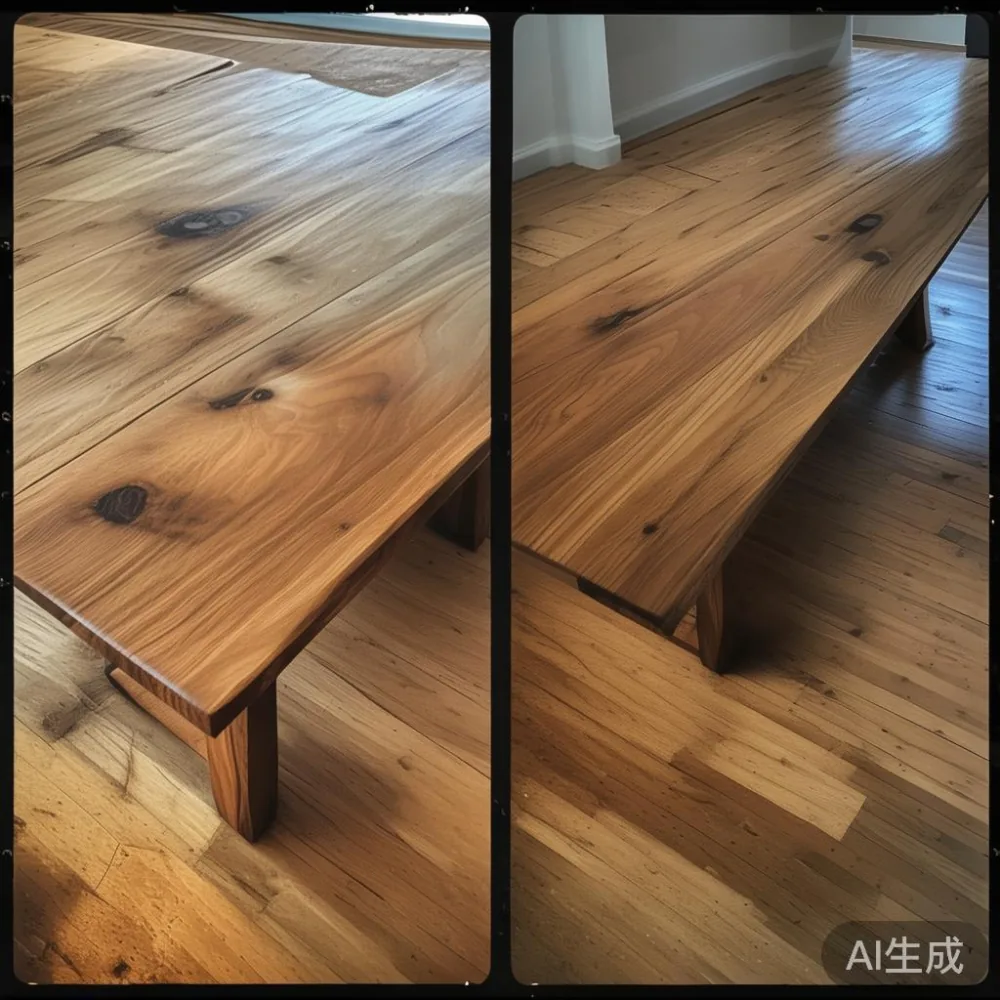
Most of us have experienced this firsthand. You might have noticed that a drawer in your wardrobe or nightstand becomes slightly harder to close during the wetter months, or that small gaps between panels on a solid wood bed frame seem to disappear. These are all signs of wood responding to its environment. For a coffee table, this movement can manifest as panels pulling apart slightly or the finish showing signs of stress. The key is not to stop this natural process, but to manage it with furniture that is designed to handle it gracefully.
Why Singapore's Climate is a Unique Challenge for Wood Furniture
Singapore’s climate presents a perfect storm for wood furniture. The combination of high baseline humidity, frequent rainfall, and the use of air conditioning creates an environment of constant change. Air conditioning, while important for comfort, acts as a dehumidifier. It can cause localized areas of dry air, especially near vents or in rooms where the unit runs for long periods. This means a piece of furniture might experience high humidity in the morning and lower, drier conditions in the afternoon, forcing it to expand and contract rapidly within a single day.
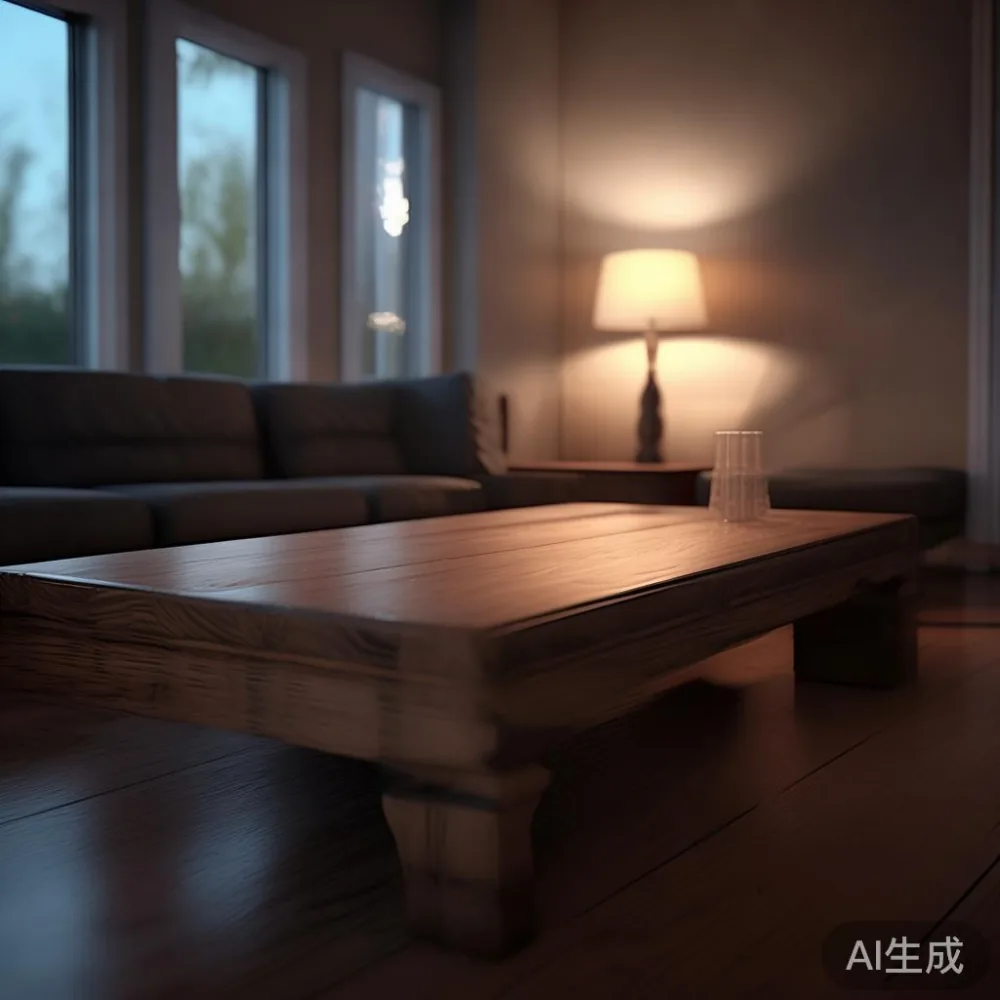
The design of our living spaces also plays a role. Many HDB flats and condos have open-plan layouts where living rooms, dining areas, and even kitchens flow into one another. This allows humidity to move freely, but it also means that furniture is exposed to varying conditions from one room to another. A coffee table in an air-conditioned living room might experience a different humidity level than a solid wood wardrobe in a non-air-conditioned bedroom.
Consider the logistics of moving furniture. The standard width of a lift corridor in many HDB estates is about 120 cm. A coffee table that is 100 cm wide will fit, but it’s a tight squeeze. If that same coffee table expands by 1.5 cm due to humidity, it could become wedged in the corridor, making it difficult to move or position. This practical issue highlights how the physical effects of humidity go beyond aesthetics and can impact daily life.
What Happens When Humidity Damages Your Coffee Table?
The effects of unmanaged humidity on a solid wood coffee table can be both cosmetic and structural. Cosmetically, the most common issue is the appearance of cracks, known as 'checks,' in the wood's surface. As the wood dries too quickly or unevenly, the surface contracts faster than the interior, causing it to split. This is particularly common in tabletops, which have a large surface area exposed to the air.
Structurally, the problems can be more severe. The constant swelling and weakening of wood joints can lead to a loose or wobbly coffee table. The glue used in joinery can be compromised as the wood it holds moves around, leading to joints that fail over time. The finish on the table, whether it's a natural oil or a lacquer, can also be affected. It may become cloudy, develop white spots, or even begin to peel away from the wood surface as the wood underneath expands and contracts.
A colleague of mine recently shared an experience that perfectly illustrates this. He purchased a beautiful coffee table for his new condo in Tampines. After a few months, he noticed a small, hairline crack on the top. He dismissed it as a minor flaw. But during the particularly humid Northeast Monsoon season, the crack widened significantly. What started as a small aesthetic blemish became a structural concern, as the crack ran along a seam in the wood. This forced him to either repair the piece or replace it, a costly and frustrating outcome that could have been prevented with the right knowledge and product choice.
How to Choose a Coffee Table That Can Handle Singapore's Humidity
So, what can a discerning homeowner do? The solution lies not in avoiding wood, but in choosing the right kind and the right construction. The first and most important factor is the type of wood. Hardwoods like teak, oak, and walnut are generally more stable and less prone to extreme movement than softer woods like pine. They have a denser grain structure, which allows them to absorb and release moisture more slowly and evenly.
Construction methods are equally critical. A well-made coffee table will use techniques that accommodate wood movement. Look for features like 'floating' panels, where the tabletop is attached to the base with clips or brackets that allow it to expand and shrink without cracking. The use of solid wood for all structural parts, rather than veneers over particleboard, is also a mark of quality. A solid wood frame will hold its integrity much better than one made of engineered wood, which can swell and delaminate when exposed to moisture.
When shopping, it’s wise to ask specific questions. A reputable manufacturer will be transparent about the wood they use and the construction techniques they employ. You can also look for furniture that has been finished with a high-quality, moisture-resistant sealant. A good finish acts as a protective barrier, slowing down the rate at which moisture enters and exits the wood, thus minimizing movement and stress.
Is a Marble Coffee Table a Better Choice for Singapore's Humidity?
Given the challenges with solid wood, it's natural to consider alternatives like marble. A marble table top is, in many ways, impervious to humidity. It will not expand, contract, crack, or warp. It offers a cool, sophisticated aesthetic that can be very appealing. However, a marble coffee table comes with its own set of considerations. Marble is a porous stone, which means it can absorb liquids like wine, coffee, or even oily fingerprints, potentially leading to stains.
Marble is also significantly heavier than wood. A standard marble coffee table can weigh between 40 kg and 70 kg, making it difficult to move or clean underneath. In Singapore's HDB flats, where many homes are on higher floors, this weight can be a logistical challenge for delivery and installation. Also, marble is cold and hard, which can be uncomfortable if you have young children who might bump into it. It also lacks the warmth and organic feel that solid wood brings to a space.
Ultimately, the choice between wood and marble depends on your lifestyle and priorities. If you value a warm, natural look and are prepared to care for it properly, a well-constructed solid wood coffee table from a brand like MIDHILL furniture can be a stunning and durable centerpiece. If you prioritize a minimalist, cool look and low maintenance, marble is an excellent option. The key is to make an informed decision based on a clear understanding of the material's properties.
Practical Tips for Caring for Your Wood Coffee Table in Singapore
Owning a solid wood coffee table in Singapore requires a bit more attention than it might in a more temperate climate, but the rewards are worth it. The most important rule is to avoid extreme and rapid changes in humidity. Try to maintain a relatively stable environment in your home. If you use air conditioning, avoid setting the temperature so low that it creates a very dry microclimate around the furniture.
Regular dusting with a soft, dry cloth is important. This prevents dust and grime from settling into the wood's pores. For cleaning, use a slightly damp cloth followed immediately by a dry one to remove any moisture. Never let water sit on the surface. It's also a good idea to use coasters under all drinks to prevent water rings and heat mats under hot dishes to prevent scorch marks, which can permanently damage the wood's finish.
Every few months, consider applying a high-quality furniture polish or oil that is appropriate for your table's finish. This helps to nourish the wood and replenish the protective layer. For those looking for a specific style, finding a 'European light luxury sofa' to complement your coffee table can create a cohesive and sophisticated living space. The key is consistent, gentle care that respects the nature of the material.
What About the GST and Long-Term Value of a Quality Coffee Table?
When considering a significant purchase like a solid wood coffee table, it's natural to think about the price. In Singapore, the final cost includes the 9% Goods and Services Tax (GST). While a high-quality, humidity-resistant coffee table might have a higher initial price point—often ranging from SGD 800 to over SGD 2,500 depending on the size, wood, and design—it's important to consider its long-term value.
A cheaper, mass-produced coffee table might seem like a bargain, but it may not be constructed to handle Singapore's climate. It could warp, crack, or require replacement in just a few years. In contrast, a well-made piece from a reputable manufacturer is an investment. Many companies offer extensive warranties, such as a 10-year structural warranty and a lifetime refinishing service. This means that if you ever need to restore the table's finish due to wear or humidity-related issues, the service is covered. Over 10 or 15 years, the cost-per-year of a durable table is significantly lower than repeatedly replacing a cheaper one.
Also, a quality coffee table holds its value better. It becomes a timeless piece in your home. When you are browsing for items to complete your home, you might see 'top 10 American furniture' lists, but it's important to look beyond the hype and focus on construction and suitability for your local environment. A 'french light luxury sofa' or a '2026 Italian light luxury furniture' piece might be aspirational, but a solid, well-built coffee table is the foundation of a living room. It’s the piece upon which style, function, and family memories are built.
How to Choose a Japanese Bed and Other Furniture for a Humid Climate
The principles of selecting furniture for Singapore's climate apply beyond just the coffee table. When choosing a bed frame, for instance, the same rules of wood stability and construction quality apply. If you are considering a 'how to choose Japanese bed' guide, you'll find that many traditional Japanese designs feature solid wood platforms with simple, sturdy joinery. This minimalist approach often results in furniture that is both beautiful and resilient, as there are fewer complex joints that can be compromised by humidity.
For storage solutions like a wardrobe, the focus should be on solid wood construction and smooth-gliding drawers. A 'best Modern wardrobe for 2026' will likely prioritize not just aesthetics but also functional design that accounts for the environment. Solid wood side panels and a sturdy frame will prevent the doors from warping or sticking. Similarly, a nightstand should be made from a stable hardwood and feature a drawer that operates smoothly, regardless of the season.
The goal is to create a home where every piece of furniture works in harmony with its environment. By choosing solid wood pieces that are designed to move and breathe, you can enjoy the natural warmth and beauty of wood without the worry of damage. It’s about making informed choices that respect both your personal style and the unique challenges of our tropical climate.