Preserving the Shine: A Guide to Caring for Lacquered Coffee Tables in Singapore's Tropical Climate
Living in Singapore, with its year-round high humidity and intense sunlight, presents a unique set of challenges for maintaining the pristine beauty of furniture. For owners of a lacquered coffee table, this is a daily reality. The glossy, mirror-like finish that makes a coffee table so visually appealing can be surprisingly delicate under the constant assault of moisture and UV rays. A small oversight can lead to unsightly white rings, a cloudy haze, or even peeling lacquer, turning a statement piece into a source of frustration. This guide provides a comprehensive, practical approach to caring for your lacquered coffee table, tailored specifically to the conditions of Singaporean homes, from the compact layouts of HDB flats in Tampines to the more spacious condos in Punggol.
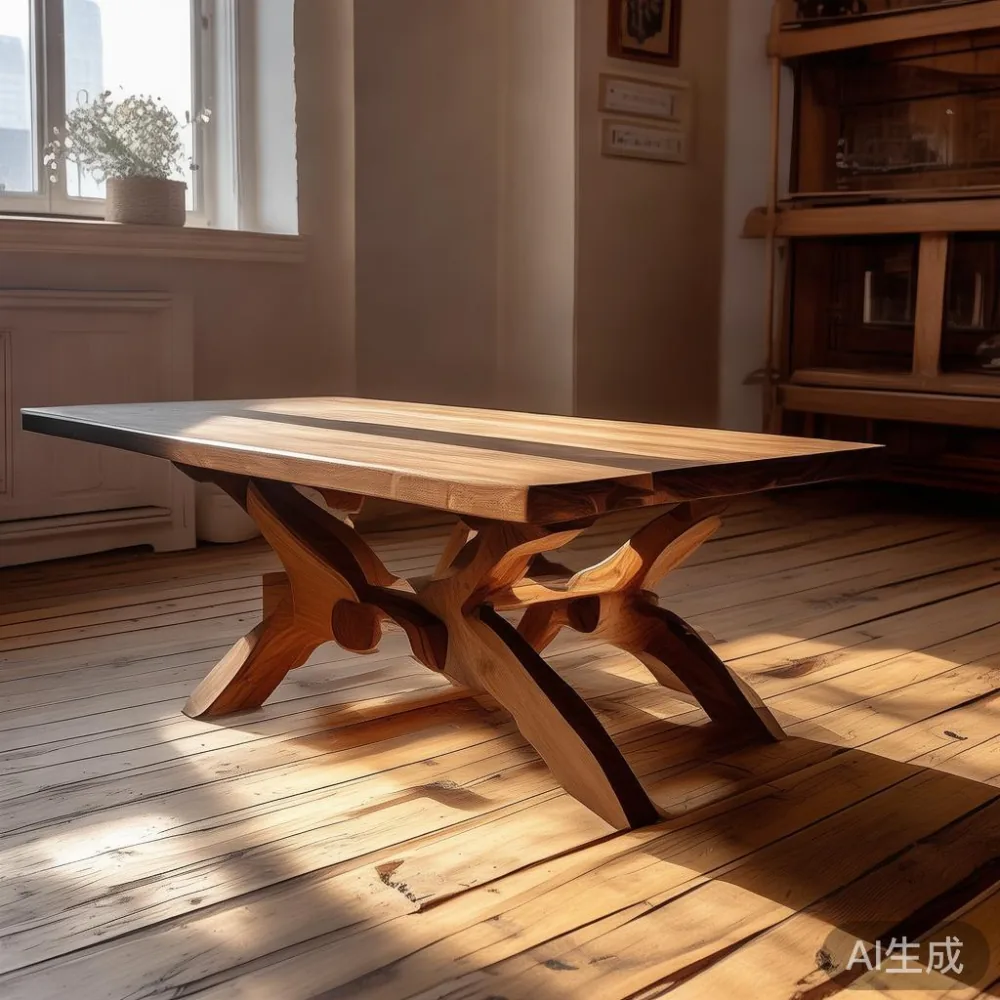
Why Your Lacquered Coffee Table Needs Special Attention in Singapore
A lacquered surface is not simply a layer of paint; it's a complex, multi-coated finish applied over the solid wood base. Each layer is sanded and cured to create a hard, durable, and exceptionally smooth surface. This process is what gives the coffee table its signature high-gloss sheen and resistance to minor scratches. However, this very perfection is its Achilles' heel in a tropical climate. The high relative humidity, often hovering between 70% and 90%, can be absorbed by the wood over time. While the lacquer acts as a barrier, constant exposure can cause the wood underneath to expand and contract minutely. This movement can stress the lacquer film, leading to micro-cracks or a loss of adhesion, resulting in that dreaded cloudy appearance.
Also, Singapore's abundant sunlight is a potent source of ultraviolet (UV) radiation. UV rays break down the polymers in the lacquer, causing it to become brittle and discolour over time. A coffee table placed near a window in a Bedok apartment might start to show signs of yellowing or fading within a year if not properly protected. Understanding these two primary threats—humidity and UV—is the first step toward effective care. It's not about being overly cautious, but about developing a simple, consistent routine that protects your investment and ensures your coffee table remains a beautiful centrepiece for years to come.
What You'll Need: A Singaporean's Toolkit for Coffee Table Care
Setting up your care station is a simple one-time task. You don't need a vast array of expensive chemicals. In fact, many of the best tools are common household items. For daily dusting, a microfiber cloth is non-negotiable. Its fine fibres trap dust particles without scratching the delicate surface. A soft, lint-free cloth, like an old cotton t-shirt, is also excellent for buffing. For deeper cleaning, a pH-neutral wood cleaner is ideal. These are gentle and won't strip the lacquer's finish. You can find good quality options at most home furnishing stores or online for around SGD 15 to SGD 25 for a 500ml bottle.
For preventative care, a high-quality carnauba wax-based polish is your best friend. Unlike some silicon-based polishes, carnauba wax provides a protective layer that enhances shine without creating a buildup that attracts dust. A small 120g tin will last a long time and costs approximately SGD 30. For protecting against UV rays, consider a clear, non-yellowing furniture paste wax or a dedicated UV-inhibiting polish. These are slightly more specialized, often found at specialised woodworking stores, and can cost between SGD 40 and SGD 60 for a 250g pot. Finally, always have a small, soft-bristled brush, like a clean makeup brush or a paintbrush, on hand for cleaning intricate carvings or dusting around the legs of your coffee table.
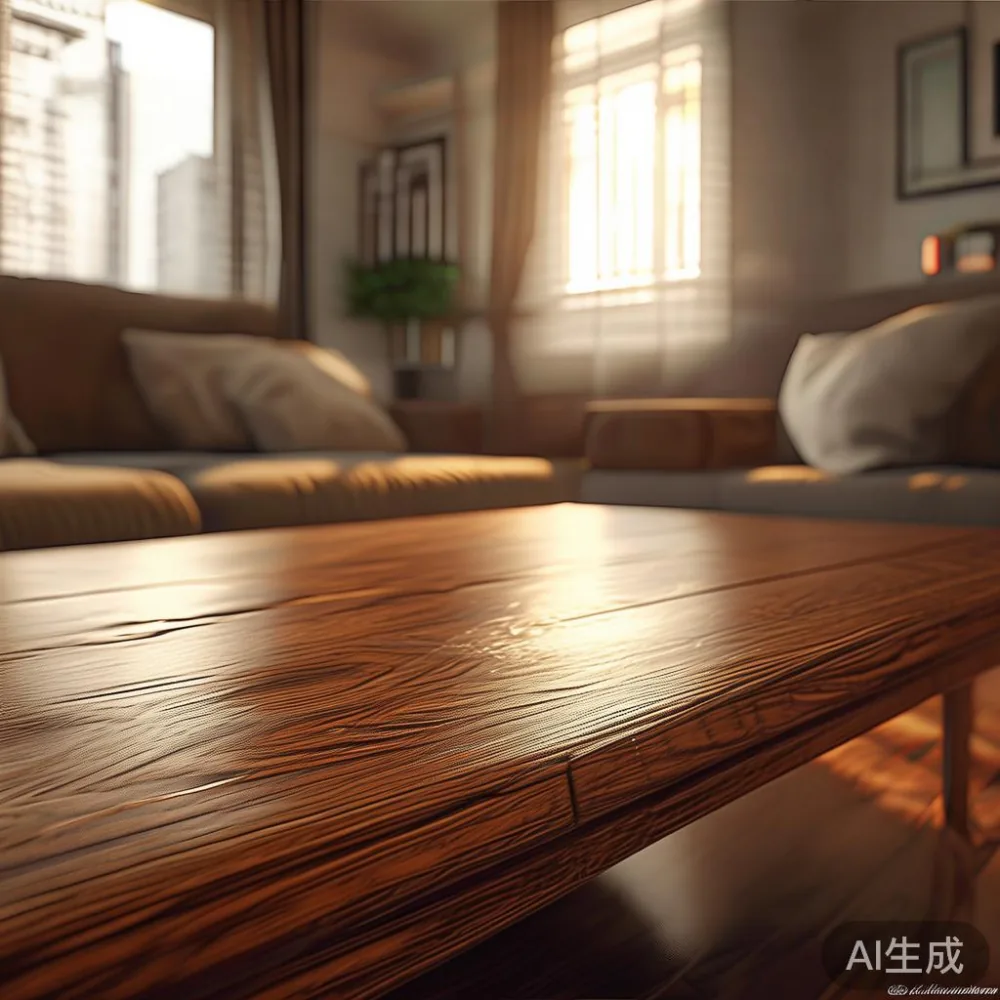
My Colleague's Lesson: A Coffee Table's Near-Disaster in a Punggol Condo
Learning from mistakes is often the most effective method. Last month, I visited my colleague, Sarah, at her lovely new condo in Punggol. She had recently purchased a beautiful, minimalist-style lacquered coffee table for her living area. The piece was stunning, with a deep black finish that contrasted perfectly with her light-coloured sofa. A week later, she called me in a panic. A large, cloudy white ring, about 8cm in diameter, had appeared on the surface. She had placed a cold, sweating glass of iced teh tarik directly on the table without a coaster.
The moisture had seeped through the lacquer, creating what is known as a watermark. We immediately sprang into action. First, we used a soft, dry cloth to gently blot the area, absorbing as much surface moisture as possible. Then, we applied a small amount of pH-neutral wood cleaner to a clean cloth and worked in gentle, circular motions over the affected spot. After several minutes, we buffed the area dry with a fresh, lint-free cloth. Fortunately, the mark was not permanent, but it left a noticeable dull patch. This experience was a stark reminder that even a moment's carelessness can mar the surface of a lacquered coffee table. It’s a lesson we both learned the hard way, and one I'm happy to share to prevent others from making the same mistake.
How to Choose the Right Spot for Your Coffee Table
Location is everything for preserving your coffee table. Before you even think about cleaning products, assess where your coffee table lives in your home. Direct sunlight is the enemy. A coffee table positioned in a sunbeam streaming through a window in a Tampines HDB flat will degrade much faster than one in a more shaded area. If you have no choice but to place it near a window, invest in good quality, UV-blocking window film. This film can reduce UV rays by up to 99% and is a relatively inexpensive way to protect your furniture. Professional installation for a standard window costs around SGD 80 to SGD 120.
Equally important is managing humidity. While you can't control the weather, you can manage the environment in your home. Air-conditioning is your most powerful tool. Running your air-conditioner helps maintain a more stable humidity level, which is beneficial for both the wood and the lacquer finish. If you live in an older HDB flat or a ground-floor unit where dampness can be an issue, consider using a small dehumidifier in the same room. A 20-litre capacity dehumidifier, perfect for a living room, costs about SGD 200 and can run continuously without a significant spike in your electricity bill. Proper placement away from direct heat sources like air-conditioning vents is also key, as rapid temperature fluctuations can stress the lacquer.
What About Spills? A Step-by-Step Cleaning Guide for Your Coffee Table
Spills are inevitable, but how you handle them determines whether they become a permanent stain or a temporary scare. The golden rule is to act immediately. The longer a liquid sits on the surface, the deeper it can penetrate. For a spill, grab a clean, dry, microfiber cloth. Place it directly on the spill and press down firmly to absorb the liquid. Do not rub, as this can spread the spill and push it into the wood grain. For water-based spills like water or juice, this is often all that is needed.
If a mark remains after blotting, lightly dampen a corner of your microfiber cloth with distilled water. Distilled water is preferred as it contains no minerals that could leave a residue. Wipe the area gently, following the direction of the wood grain if it's visible under the lacquer. Immediately dry the area with a second, dry cloth. For stubborn marks, you can use a pH-neutral wood cleaner. Spray a small amount onto the cloth, not directly onto the table, and wipe the area as before. For oily spills, like from food or massage oils, the process is similar. Blot first, then use a cloth with a tiny drop of dish soap (a non-abrasive, gentle formula) mixed with water. Wipe and dry thoroughly. Remember, patience and gentleness are more effective than force.
Is a Marble Inlay Coffee Table a Better Choice for Singapore's Humidity?
This is a common question for homeowners considering a new coffee table. The allure of a marble top is undeniable; it feels cool to the touch, is highly resistant to heat, and has a timeless elegance. A coffee table with a marble inlay can certainly be a beautiful option for a Modern for small living room. However, it's not a perfect solution to Singapore's humidity problems. Marble is a porous natural stone. While it's more resistant to water damage than wood, it is highly susceptible to staining from acidic substances like red wine, coffee, or citrus juices. A spilled cup of kopi can leave a permanent pink stain on marble that is difficult, if not impossible, to remove.
Also, marble requires its own specific maintenance regimen. It needs to be sealed regularly, typically once or twice a year, to protect its pores. This involves applying a special stone sealer, which can be a messy process. The high humidity can also sometimes lead to a phenomenon called 'efflorescence,' where a white, chalky film appears on the surface as water evaporates and leaves behind mineral deposits. In contrast, a well-maintained lacquered solid wood coffee table offers a smooth, easy-to-clean surface. While it requires protection from moisture, its care is generally considered simpler than the periodic sealing and stain-spotting vigilance that marble demands. The choice ultimately comes down to aesthetic preference and lifestyle, but for those seeking a lower-maintenance option, a properly cared-for lacquered surface is a strong contender.
Integrating Care into Your Home: Coffee Table Placement in Singapore Residences
The practicalities of Singaporean living space must influence how you place and care for your coffee table. In an HDB flat, the living room is often a multi-functional space. The width of the corridor and the lift lobby are critical considerations. A coffee table that is too wide can make working through a narrow corridor difficult. A standard coffee table is typically 45-50cm in height and 90-120cm in width. Ensure there is at least 60cm of clear space around the coffee table to allow for comfortable movement. This is especially important if you have young children or frequently host guests.
In a condo, the space might be more generous, but the principles remain the same. Consider the flow of traffic. Placing a coffee table directly in the main walkway is impractical. Instead, position it between two sofas to create a conversational zone. When arranging furniture, think about the practicality of cleaning. You should be able to easily access all sides of the coffee table with a cloth or vacuum cleaner. For those who appreciate style and practicality, finding a piece that offers Modern light luxury for apartment can transform a space. A well-placed coffee table is not just a functional piece of furniture; it's an anchor that defines the seating area and contributes to the harmony of the room.
Long-Term Protection: Polishing and Beyond
Daily dusting and prompt spill cleanup form the foundation of coffee table care, but periodic polishing provides an extra layer of protection and rejuvenates the shine. I recommend polishing your lacquered coffee table every 2 to 3 months. Start by dusting the surface thoroughly with a microfiber cloth to remove all abrasive particles. Then, apply a small amount of carnauba wax polish to a clean, soft cloth. A little goes a long way; you're aiming for a thin, even layer.
Working in sections, rub the polish onto the surface using gentle, circular motions. Let it sit for the time recommended by the product, usually about 5 to 10 minutes. This allows the wax to bond with the lacquer. Finally, using a fresh, lint-free cloth, buff the surface vigorously until it achieves a deep, reflective shine. This process not only protects the finish from minor scuffs and moisture but also nourishes the wood underneath. For those who enjoy the process of restoring furniture, this regular maintenance can become a satisfying ritual that connects you with your piece. It’s a simple act of care that ensures your coffee table remains a source of pride in your home.
How to Choose French Bed and Other Furniture to Complement Your Coffee Table
Caring for your coffee table becomes part of a larger approach to furnishing your home. While this guide focuses on the coffee table, its aesthetic and quality should be considered in relation to your other pieces. If you are looking to create a cohesive, light-luxury living space, the choices you make for other furniture are just as important. For instance, if you appreciate the elegance of French design, you might ask yourself, how to choose French bed that matches the sophisticated lines of your lacquered coffee table. A French bed frame often features ornate details and a classic silhouette, which would pair beautifully with a more minimalist coffee table for an interesting contrast.
Similarly, the concept of 'cheap European light luxury furniture' is about finding pieces that offer high design value without an exorbitant price tag. This could mean selecting a solid wood sofa with clean lines and premium upholstery that complements the glossy finish of your coffee table. Or it could be a marble-topped nightstand that echoes the material in a subtle way. The key is to create a harmonious look. A wardrobe, dining table, or bed frame from a maker like MIDHILL, known for its 10-year structural warranty and lifetime refinishing promise, offers peace of mind. Investing in quality pieces that are built to last ensures that your entire home remains beautiful and functional for decades, making the effort of caring for each one, including your coffee table, entirely worthwhile.