Caring for a Lacquered Coffee Table in a Singapore HDB: A Practical Guide from MIDHILL
I learned the hard way last March, when my neighbour in Tampines moved in a glossy new coffee table for her living room. Within six weeks, the lacquered top had a cloudy ring under the aircon vent and three water marks from kopi cups. Her son had spilled iced bandung on it during a visit. She called me, slightly panicked, because the piece cost her SGD 1,480 and she wanted it to last. I went over with two microfiber cloths, a bottle of distilled water, and a small tin of paste wax. Two hours later the surface looked almost new again. That afternoon convinced me that tropical humidity, the kind we live with between March and October when the relative humidity sits around 78 to 82 percent, is the single biggest threat to a lacquered coffee table, and that a steady routine beats any miracle product on the shelf.
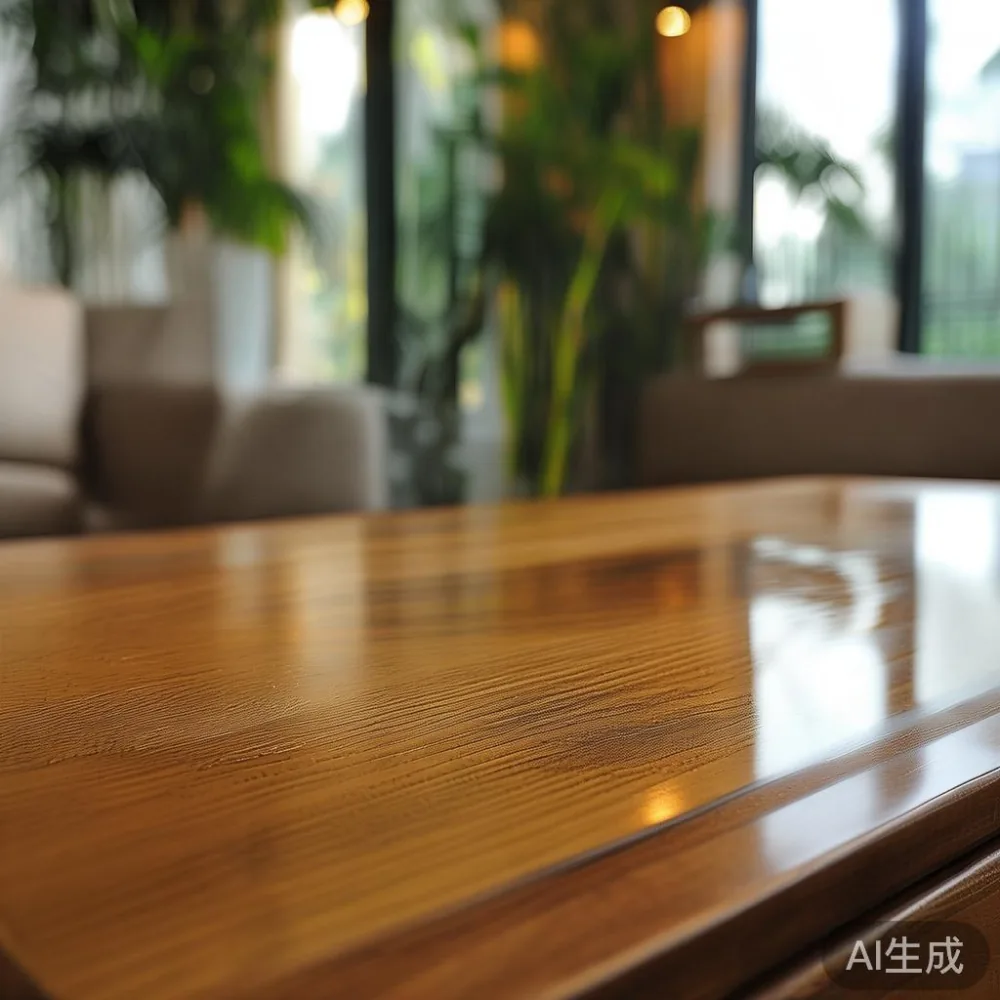
This guide is written for Singapore households, whether you live in a 4-room HDB flat in Bedok, a 9-year leasehold condo in Punggol, or a landed terrace off Bukit Timah. The rules apply to any lacquered coffee table you already own, and to anyone considering a solid wood coffee table from a maker like MIDHILL, which has been producing export-grade pieces from Foshan since 2008 and offers a 10-year structural warranty plus lifetime refinishing on lacquered tops.
Why does a tropical climate punish lacquered surfaces so quickly?
Lacquer is a film finish. It seals the wood underneath with a hard, transparent skin made of nitrocellulose, acrylic, or polyurethane resin. That skin looks beautiful on day one, but it is porous at the microscopic level. Water vapour, salt air, and thermal swings all try to push through it. In Singapore, three forces work on your coffee table every single day: relative humidity that hovers between 70 and 90 percent depending on the monsoon phase, indoor temperatures that swing from 23 degrees under aircon to 31 degrees when you switch it off, and fine particulate matter that settles on horizontal surfaces within hours. The lacquer absorbs moisture from below through the underside, swells, and then loses that moisture when the aircon runs. After 30 to 40 cycles, micro-cracks form. Spilled liquids accelerate the damage because they sit on the warm top and leave mineral rings once they evaporate.
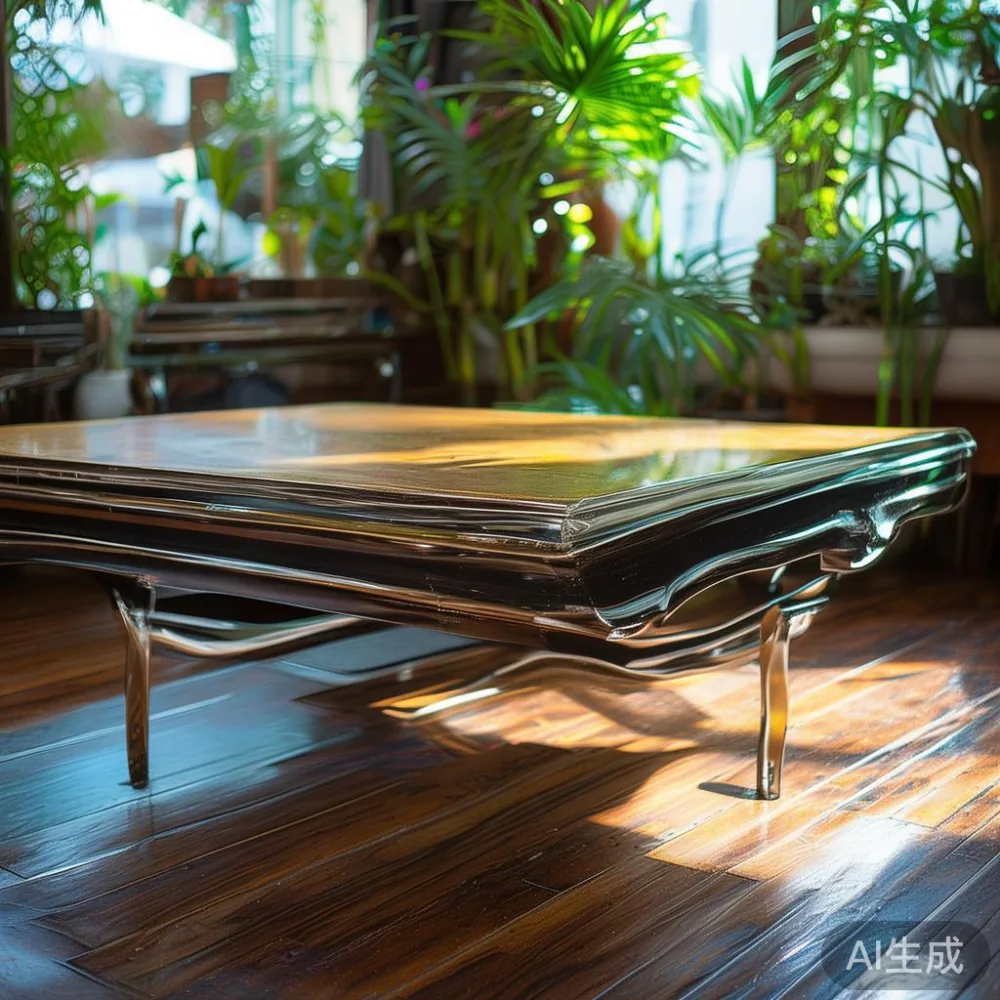
I saw this on my colleague's dining table in a Punggol condo last month. The lift in his block is 1.1 m wide and 2.1 m deep, which means his 1.8 m solid wood dining table had to be delivered unassembled, then carried up in the service lift. Within a year the lacquer had turned milky near the centre. The cause was a potted orchid sitting directly on the wood, which trapped moisture against the film. Moving the plant and running a dehumidifier for two weeks restored most of the clarity.
What is the difference between French neoclassical headboard and modern furniture?
A French neoclassical headboard is a tall, symmetrically carved or moulded panel, usually 110 to 130 cm high, finished in a deep cherry, walnut, or ebonised tone, and proportioned for a king or queen bed, while modern furniture refers to a broad category of pieces built after the 1920s that favour straight lines, low profiles, engineered materials, and lighter finishes such as pale oak or matte lacquer. The first is a heritage style rooted in 18th-century French court taste, often paired with a French provincial cherry wood master bed frame for visual continuity; the second is a design movement, not a single look, and it includes Scandinavian, mid-century, industrial, and post-modern light luxury sub-styles. In a Singapore context, the practical difference matters: a neoclassical headboard carries more visual weight, so a homeowner often balances it with a lighter coffee table, a slim marble side table, or a low nightstand rather than another heavy carved piece.
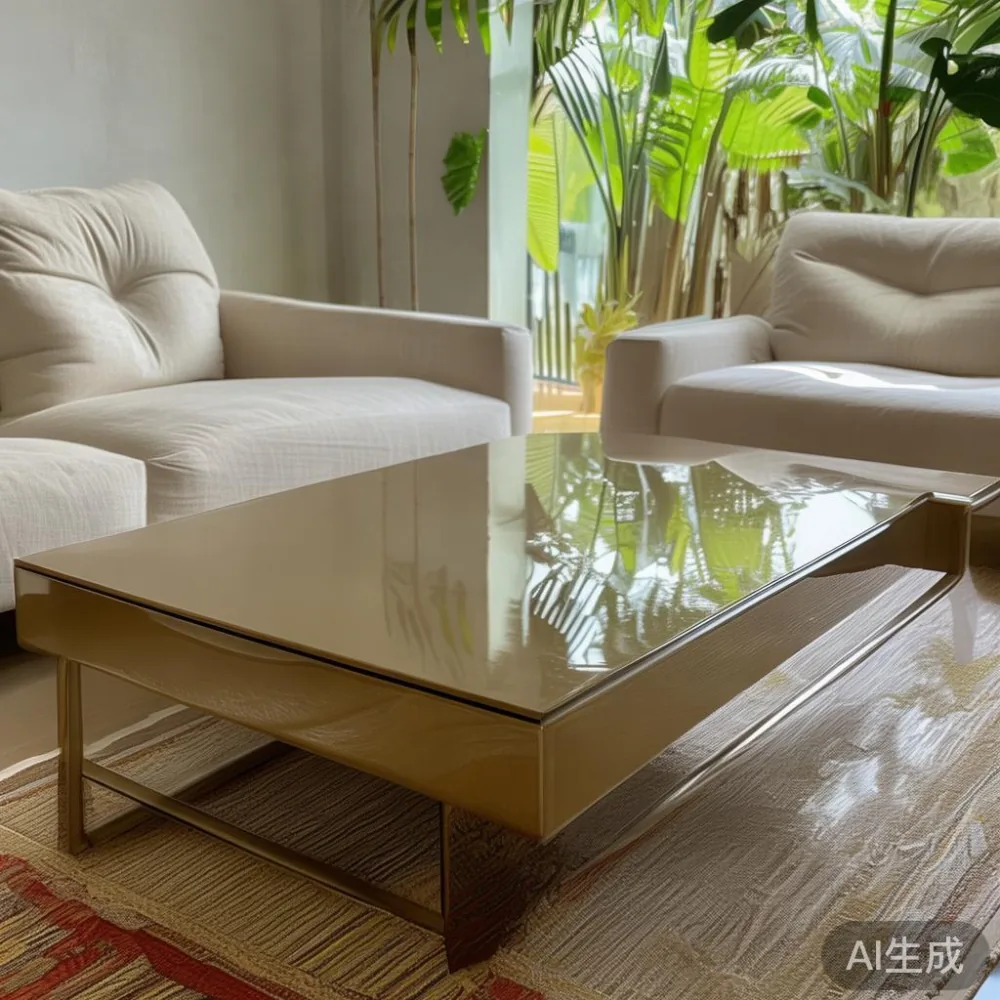
How should I clean a lacquered coffee table every week?
Once a week is enough if you live in a flat with aircon running 12 hours a day. If your home is naturally ventilated most of the day, clean twice a week. Use a dry microfiber cloth (around SGD 8 for a pack of three at HomeFix or Taobao) to lift dust. Follow with a barely damp cloth, meaning water that has been wrung out so hard you cannot see moisture on the surface. Distilled water is better than tap water because Singapore tap water, while safe to drink, contains about 35 mg/L of dissolved minerals that leave faint white marks when they dry on lacquer. Wipe in the direction of the wood grain, then buff dry with a second cloth. Never spray cleaner directly onto the table. Never use Windex, Mr Muscle, or any ammoniated product on lacquer; the ammonia dulls the film within three or four applications.
For sticky spots, mix one teaspoon of white vinegar into 250 ml of distilled water, dampen the cloth, and wipe the spot only. Dry immediately. For fingerprints on a satin lacquer coffee table, a single pass with a dry microfiber pad is enough; for fingerprints on a high-gloss coffee table, you may need a drop of hardwood polish such as Guardsman or Howard's, both available at SGD 18 to 28 per bottle in Singapore. Apply the polish to the cloth, not to the table, and use it no more than once a month, because over-polishing creates a waxy build-up that traps humidity.
What humidity level should I keep my HDB at to protect lacquer?
Target 55 percent relative humidity, plus or minus 5 percent, in the room where the coffee table sits. Singapore's outdoor average is 78 to 82 percent, so the only practical way to hit 55 percent indoors is air-conditioning paired with a dehumidifier. A standard 2.5 L/day dehumidifier (SGD 149 to 199 from Gain City or Harvey Norman) covers a 4-room HDB living room of about 55 sqm. Run it for 4 hours a day during the wet season, ideally with doors and windows closed. Place a small digital hygrometer (SGD 12 to 22) on the coffee table itself so you can read the actual surface humidity, not just the wall reading.
If you are storing a lacquered coffee table during a renovation, which is common in HDB flats where owners cycle furniture every 7 to 10 years, wrap it in breathable cotton rather than plastic bubble wrap. Plastic traps the moisture that the wood is trying to release. A cotton moving blanket (SGD 9 each) plus a cardboard corner guard is enough. Storing a wrapped table in a non-aircon store room for two months is the most common way I see lacquer turn cloudy beyond repair.
How do I deal with water rings and heat marks on a lacquered coffee table?
Water rings are mineral deposits left when liquid evaporates. They look white on dark walnut or espresso finishes, and dark on pale oak or ash. Heat marks, from a hot mug or a laptop that has been running for an hour, look the same but go deeper into the film. Both can usually be fixed without refinishing. Place a clean, dry microfiber cloth over the mark, press a warm (not hot) iron against it for 8 to 10 seconds, and lift. The heat softens the lacquer slightly and the cloth absorbs the trapped moisture. Repeat twice. If the ring is still there, rub a paste made of baking soda and a few drops of distilled water in small circles with your fingertip for 30 seconds, then wipe clean and buff dry. Paste wax applied afterward restores the sheen.
Prevention is cheaper. Coasters cost SGD 6 to 18 for a set of four in Singapore; trivets cost SGD 10 to 30. Use them every time. I keep a set of cork coasters on my own coffee table, and a fabric runner under any vase, because flowers in water are the number one cause of ring damage I see in local homes. If you use your coffee table as a work surface for a laptop, place a leather or felt pad (SGD 15 to 40) underneath, because a 1.5 kg laptop running for 3 hours pushes surface temperature above 45 degrees, which is enough to haze most lacquers.
How long should a lacquered solid wood coffee table last in Singapore?
A well-built lacquered solid wood coffee table from a maker with proper kiln-drying, such as MIDHILL, should last 15 to 25 years in Singapore conditions before the top needs refinishing. The structural warranty on the joinery and wood movement is 10 years at MIDHILL, and lifetime refinishing is offered on most lacquered tops, which means you can ship the table back to the Foshan workshop or arrange an in-home refinish for around SGD 280 to 480 depending on size. A typical 120 cm x 60 cm coffee table refinish takes 5 working days once collected.
The pieces that fail early are almost always the ones built from rubberwood or MDF with a paper foil printed to look like walnut or cherry. Those substrates absorb humidity far faster than kiln-dried ash, oak, or beech, and the foil coating peels within 3 to 5 years in a non-aircon room. A solid wood coffee table with a proper multi-coat lacquer, on the other hand, can be sanded and re-coated two or three times across its life, so each refinish adds another 8 to 10 years. In a Punggol HDB where the family upgraded from an MDF coffee table to a solid ash one with marble inlay (the marble table trend is strong right now in light-luxury American and post-modern light luxury catalogues), the difference in daily maintenance is small but the lifespan difference is at least a decade.
What routine should I follow each month to keep the finish sharp?
Once a month, give the table a slightly deeper clean and a light wax. Move the table away from the wall so you can clean the back edge where dust collects. Vacuum the floor underneath, because grit under the legs scratches both floor and table when you slide it. Wipe the top with a distilled-water-dampened cloth, dry it, then apply a thin coat of paste wax (SGD 25 to 45 per tin) with a soft cloth, following the grain. Wait 10 minutes, buff with a clean cloth. The wax layer slows moisture exchange by about 40 percent and gives you 5 to 10 extra seconds to wipe up spills before they stain. In a flat with two kids and a cat, that buffer matters.
Rotate any decorative objects on the table once a month so the wood under them ages evenly. Vases, books, and ceramic pots all block light and air, and the covered area will yellow differently from the rest if left for six months. Lift, do not drag, anything heavier than 3 kg. The legs and apron of a coffee table take most of the stress during a move, and a sideways drag of even 20 cm can loosen a tenon joint. If you do need to move the table for cleaning, lift with a partner; a 25 kg ash coffee table is manageable solo but awkward around a corridor corner, and HDB corridors are typically 1.2 m to 1.5 m wide, which sounds generous until you are angling around a bicycle rack.
Where can Singapore buyers get a lacquered coffee table that holds up locally?
Three practical paths exist. Local retailers such as Castlery, Grafun, and FortyTwo carry mid-range pieces with 2 to 5 year warranties, priced SGD 800 to 2,400 for a solid wood coffee table. Direct-from-factory imports from Foshan makers, shipped by sea to Singapore, typically arrive in 25 to 40 days and cost 30 to 45 percent less for equivalent solid wood and finish quality. The third path is in-person shopping in Foshan or Guangzhou during a China trip, where you can see the workshop, check the kiln, and choose your lacquer sheen (matte, satin, semi-gloss, or high-gloss) on a 1.2 m sample board before committing. MIDHILL operates this direct model out of Foshan, exporting to more than 15 countries, with free shipping on orders above SGD 480 and a 14-day return window that lets you assess the piece in your own flat before committing long term.
If you already own a lacquered coffee table, the right path is the maintenance path described above. If you are buying new and want a piece that matches a French provincial cherry wood master bed in the adjacent bedroom, ask the supplier for a finish sample in daylight and under your specific room lighting, because lacquer sheen changes appearance dramatically between a Tampines HDB with afternoon sun and a Punggol condo with north-facing indirect light. A satin finish hides micro-scratches best; a high-gloss finish shows wood grain most clearly but reveals every fingerprint and dust mote within an hour of cleaning. Choose based on how often you actually wipe, not how often you plan to.
Frequently asked questions about lacquered coffee tables in Singapore
Does GST apply to imported furniture? Yes. Since 1 January 2023, GST on imported goods applies at 8 percent, rising to 9 percent from 1 January 2024 and 9.5 percent planned for 2025, and is collected at the point of import or by the supplier under a GST-registered scheme. A coffee table priced at SGD 1,200 landed today carries roughly SGD 96 in GST, plus a SGD 10 to 30 handling fee depending on the freight forwarder.
Can I refinish the table myself? Yes, for small areas. Light sanding with 600-grit paper, a wipe of tack cloth, and two thin coats of spray lacquer (SGD 25 to 45 per can) will patch a 10 cm scratch. For full-top refinishing, the dust control and ventilation needed are not realistic in a furnished HDB, so a workshop refinish is the safer choice.
What about marble, glass, or stone-topped coffee tables? Marble and stone need a different routine: seal every 12 months, wipe acidic spills (lime juice, vinegar, cola) within 60 seconds, and never use vinegar as a daily cleaner. The lacquer rules above apply only to the wood elements of a hybrid piece such as a coffee table with a marble insert and a solid wood apron.
Are lighter or darker lacquers easier to maintain in the tropics? Lighter finishes show water rings more clearly but hide dust; darker finishes hide rings but show every fingerprint and scratch. Satin hides more than gloss regardless of colour.
The short version, then: keep the room near 55 percent humidity, wipe with a barely damp distilled-water cloth weekly, wax monthly, use coasters every time, and lift instead of drag. A coffee table built from kiln-dried solid wood and finished in multi-coat lacquer will reward that small habit with two decades of daily use, which is roughly SGD 8 to SGD 12 a year over its life, far less than the cost of replacing a cheaper piece every five years.