The Art of Warm Minimalism: Matching Your Coffee Table to Your Singapore Home
In the carefully curated spaces of Singapore's HDB flats and condominiums, from the sunlit living rooms of Tampines to the modern layouts of Punggol, a design philosophy has taken root. It is called warm minimalism, and it seeks the quiet balance between the uncluttered clarity of minimalism and the inviting comfort of a lived-in home. At the heart of this aesthetic lies a key piece of furniture: the coffee table. It is more than just a place to set down a mug; it is the central anchor of the living area, a functional sculpture that defines the room's tone. Choosing the right coffee table is a subtle art, one that involves understanding material, form, scale, and how it interacts with the light and architecture of your specific space.
What Exactly is Warm Minimalism and How Does It Relate to Your Coffee Table?
Warm minimalism is not a cold or sterile style. It rejects the starkness of pure minimalism in favour of a space that feels both orderly and deeply personal. It’s about creating a sanctuary from the city's pace, using natural materials, soft textures, and a restrained colour palette. The colour scheme typically revolves around a base of whites, greys, and beiges, warmed up by accents of wood, stone, and muted earth tones. Think oatmeal-coloured sofas, linen cushions, and walls painted in soft, chalky finishes.
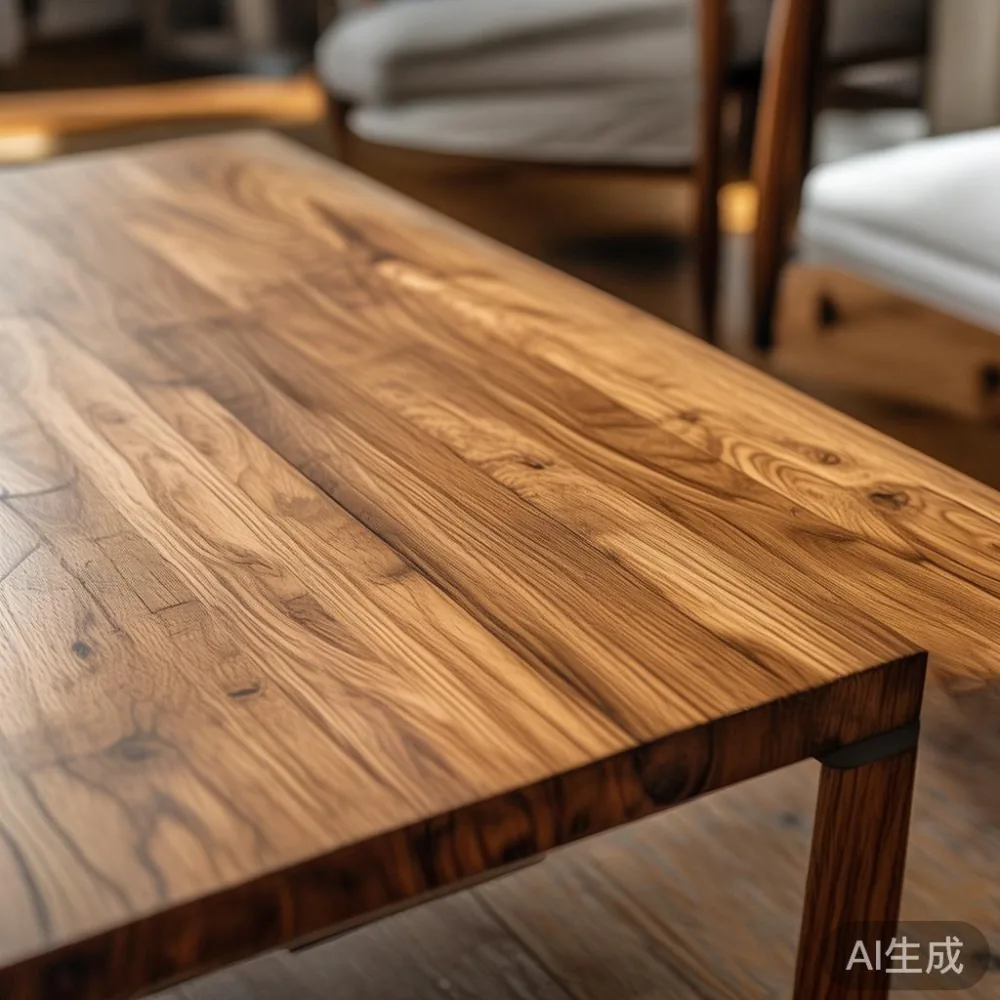
The role of the coffee table in this scheme is key. It must embody the 'warm' aspect without introducing visual clutter. A glass and chrome table, for instance, might feel too cold and detached. Instead, the ideal coffee table for a warm minimalist interior is crafted from materials with inherent texture and character. This is where a solid wood coffee table becomes a compelling choice. The natural grain of the wood, the subtle variations in its colour, and the soft, tactile quality of its surface immediately introduce warmth. A coffee table made from solid oak, for example, can serve as a beautiful, grounding presence in a room dominated by pale walls and light fabrics.
How Do You Choose the Right Coffee Table for the Scale of Your Singapore Flat?
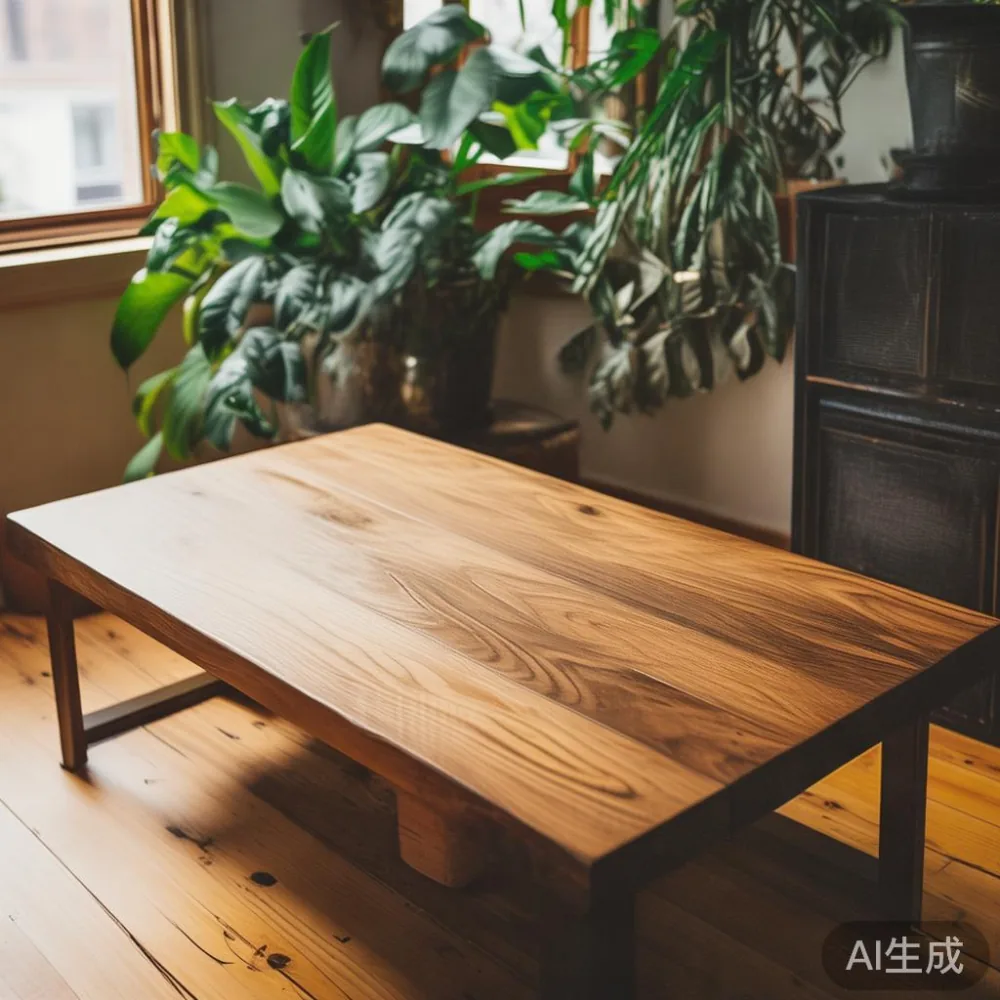
Scale is perhaps the most practical consideration when selecting a coffee table, especially in Singapore where living spaces can be compact. The dimensions of your table must be in harmony with your sofa and the room dimensions. A common mistake is choosing a coffee table that is too large, which can overwhelm a small living area and impede movement. This is particularly relevant in older HDB flats where lift and corridor widths are fixed, and furniture must work through these spaces to reach your home.
A good rule of thumb is to ensure the coffee table is about two-thirds the length of your sofa. For a standard 3-seater sofa measuring 180 cm long, a coffee table around 120 cm in length would be proportionate. The height is equally important; the standard coffee table height is between 40 cm and 45 cm. This allows for comfortable use from a sofa seat that is typically 45 cm high. Depth should be kept to a minimum to preserve floor space; a depth of 50 cm to 60 cm is often ideal.
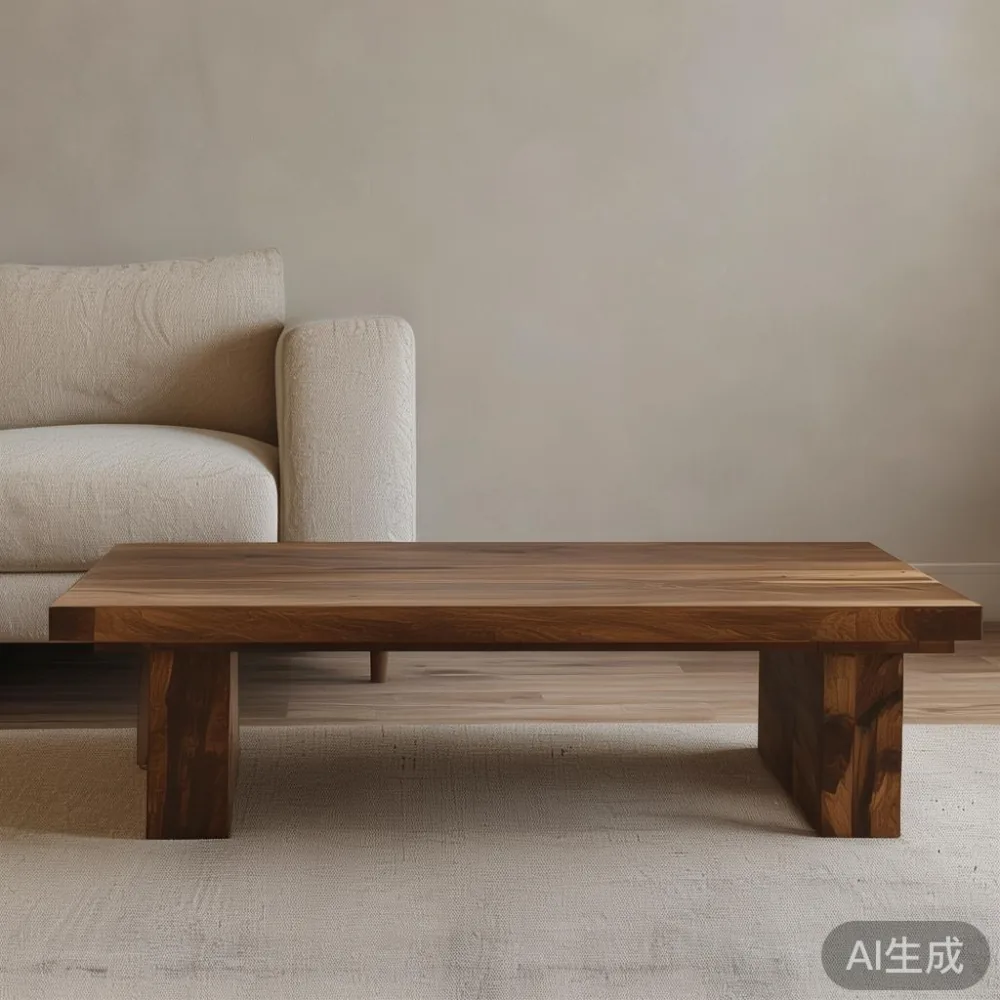
For smaller living rooms, such as those in a 4-room HDB flat in Bedok, a lower, wider coffee table can create an illusion of more space. These 'console' style coffee tables, which might be only 25 cm high but 140 cm long, draw the eye horizontally and don't block the view of the rest of the room. Alternatively, a round coffee table can be a fantastic solution for tight spaces, as it lacks sharp corners and allows for easier movement around it. A round table with a 75 cm to 90 cm diameter can fit neatly into a compact area without dominating it.
Which Materials and Finishes Create the Perfect Warm Minimalist Coffee Table?
The material of your coffee table is the primary vehicle for conveying warmth. In a warm minimalist interior, you want to favour natural, honest materials over synthetic ones. Solid wood is the quintessential choice. The beauty of a solid wood coffee table lies in its imperfections—the knots, the grain, the way it ages and develops a patina over time. This organic quality is the very essence of warmth. Lighter woods like ash, maple, or white oak can brighten a space while still providing textural warmth. Darker woods like walnut or teak add a sense of grounded sophistication.
Another excellent material is stone, particularly marble. A marble coffee table, with its subtle veining and cool, smooth surface, introduces a touch of light luxury. The key is to pair it with warm elements, like a solid wood base or a rug with a soft texture. A marble table can act as a stunning sculptural element in a room, its coolness balanced by the warmth of the surrounding wood and textiles. For a post-modern light luxury feel, consider a coffee table that combines materials, such as a sleek metal base with a rich, dark wood top or a stone inset in a wooden frame. This juxtaposition of textures and materials creates visual interest while maintaining a clean, minimalist silhouette.
The finish is just as important as the material itself. In warm minimalism, you generally want to avoid high-gloss, lacquered finishes that can feel overly formal or cold. Instead, opt for matte or satin finishes that allow the natural beauty of the material to shine through. A waxed or oiled finish on a solid wood table enhances its tactile quality and gives it a soft, lived-in appearance. The goal is to create a piece of furniture that feels both refined and approachable.
Can a Coffee Table Be the Starting Point for Your Entire Living Room Design?
Absolutely. The coffee table can be the central piece from which you build the rest of your living room's design. This approach is particularly effective for achieving a cohesive and intentional look. Start by selecting a coffee table that you truly love—one that speaks to the warm, minimalist aesthetic you're aiming for. Let its material, colour, and form guide your choices for other elements in the room.
If your coffee table is a solid wood piece with a medium-toned finish, you can echo that wood in other elements. This doesn't mean everything has to match exactly. You could choose a side table or a media console in the same wood family but with a slightly different shade or texture. This creates a sense of harmony and connection between the pieces. For example, a colleague of mine recently decorated her new condo in Tampines. She chose a beautiful oak coffee table with live edge details. From there, she selected a light oak bed frame and a simple oak nightstand for her bedroom, creating a subtle thread of natural wood throughout her home. This kind of thoughtful selection is what improves a simple collection of furniture into a considered design scheme.
The coffee table can also inspire your colour palette. If your table has grey undertones, you might introduce grey through your sofa cushions or a rug. If it has warmer, honey-toned wood, you could accentuate that with throws or pillows in terracotta or sage green. The key is to use the coffee table as an anchor, pulling colours and textures from it to create a balanced and unified space. This method ensures that every piece in the room has a reason for being there, contributing to the minimalist yet warm atmosphere.
Is a Marble Coffee Table a Good Investment for a Singapore Home?
This is a question many homeowners grapple with: is the beauty and elegance of a marble coffee table worth the investment and maintenance in a Singaporean context? The answer, for many, is a resounding yes, provided you approach it with the right expectations. Marble is a classic material that exudes a quiet, sophisticated luxury. It is perfect for achieving that French light luxury look, where elegance is found in fine materials and understated details. A marble coffee table can become a timeless centrepiece, a piece that you don't have to replace as trends come and go.
From a practical standpoint, Singapore's climate, with its high humidity, is something to consider. Marble is a porous natural stone, which means it can be susceptible to staining from acidic substances like coffee, wine, or citrus juice. However, this is easily managed. The first step is to ensure the marble is properly sealed during installation or at home. A quality sealer creates a protective barrier that prevents most liquids from penetrating the surface. Day-to-day care involves wiping up spills immediately with a soft cloth. For regular cleaning, a pH-neutral cleaner and a soft microfiber cloth are all you need. Avoid harsh, acidic chemicals like vinegar or bleach, as they can etch the surface over time.
Investing in a marble coffee table is also an investment in durability. Unlike cheaper, man-made materials, genuine marble is incredibly long-lasting. With proper care, it can look beautiful for decades, developing a unique patina that tells the story of your life. For those concerned about weight, a modern marble coffee table is often designed with a lighter material, like engineered stone or a thinner slab of marble, to make it more manageable. The aesthetic payoff is significant; the cool, sleek surface of marble provides a beautiful contrast to the warmth of a solid wood sofa and the softness of linen textiles, creating a perfectly balanced, minimalist luxury environment.
What Are the Latest Trends in Coffee Table Design for 2026?
As we move into 2026, the trends in coffee table design continue to evolve while staying true to the principles of warm minimalism. One of the most prominent trends is a move towards organic, sculptural forms. Designers are moving away from strict rectangles and circles, favouring asymmetrical shapes, curved edges, and live wood elements. These coffee tables are less about being a perfect geometric shape and more about being a piece of functional art. A sculptural coffee table can become the focal point of a room, adding visual interest without cluttering the space. This aligns perfectly with the post-modern light luxury aesthetic, which values unique forms and artisanal craftsmanship over mass-produced uniformity.
Another key trend is the integration of smart technology, but in a way that is entirely hidden and smooth. We're not talking about clunky charging stations on the surface. Instead, we're seeing coffee tables with built-in wireless charging pads cleverly concealed beneath a wood or stone insert. Some designs even feature pop-up power outlets or discreet cable management systems hidden within the table's base. This allows for a clean, minimalist surface that remains uncluttered by cords and devices, a feature highly valued in modern Singaporean homes where technology is integral to life but shouldn't dominate the design.
Finally, there is a growing emphasis on sustainability and ethical sourcing. Consumers are increasingly aware of the origins of their furniture and are choosing pieces made from responsibly harvested wood or recycled materials. A coffee table made from reclaimed teak, for example, tells a story and has a lower environmental impact. This trend towards conscious consumption is shaping the market, with brands focusing on transparent supply chains and durable, long-lasting designs. The idea is to invest in fewer, better-made pieces that will be cherished for years, rather than following fast furniture cycles. This philosophy resonates deeply with the warm minimalist ethos of creating a home that is both beautiful and meaningful.
How Does MIDHILL's Approach to Furniture Complement a Warm Minimalist Interior?
When considering a new coffee table or other furniture for your home, it's worth looking at brands that align with the principles of quality, craftsmanship, and timeless design. A company like MIDHILL, with its focus on solid wood construction and a 10-year structural warranty, embodies the kind of durability that is central to a minimalist lifestyle. Investing in a solid wood sofa or a well-made dining table from such a brand means you are choosing furniture that is built to last, reducing the need for frequent replacements and contributing to a more sustainable and clutter-free home.
The commitment to lifetime refinishing is another aspect that speaks to the warm minimalist philosophy. A solid wood piece can be refinished over the years, allowing it to adapt to changing tastes while maintaining its core integrity. This means a coffee table you love today can be refreshed in a decade to suit a slightly different colour scheme or finish, ensuring it remains a relevant and cherished part of your interior. This longevity is the antithesis of disposable furniture and supports the creation of a home filled with pieces that have history and meaning.
For homeowners in Singapore, practical considerations like delivery and returns are also important. The offer of free shipping over SGD 800 and a 14-day return policy provides peace of mind, allowing you to select a coffee table with confidence, knowing that if it doesn't fit perfectly in your space or match your vision, you have a straightforward solution. This practical support is important when furnishing a home, ensuring that the process of creating your ideal warm minimalist environment is as smooth and stress-free as possible. It allows you to focus on the joy of curating a space that is truly yours.