How to Match Furniture to a Warm Minimal Interior — A Coffee-Table-First Guide for Singapore Homes
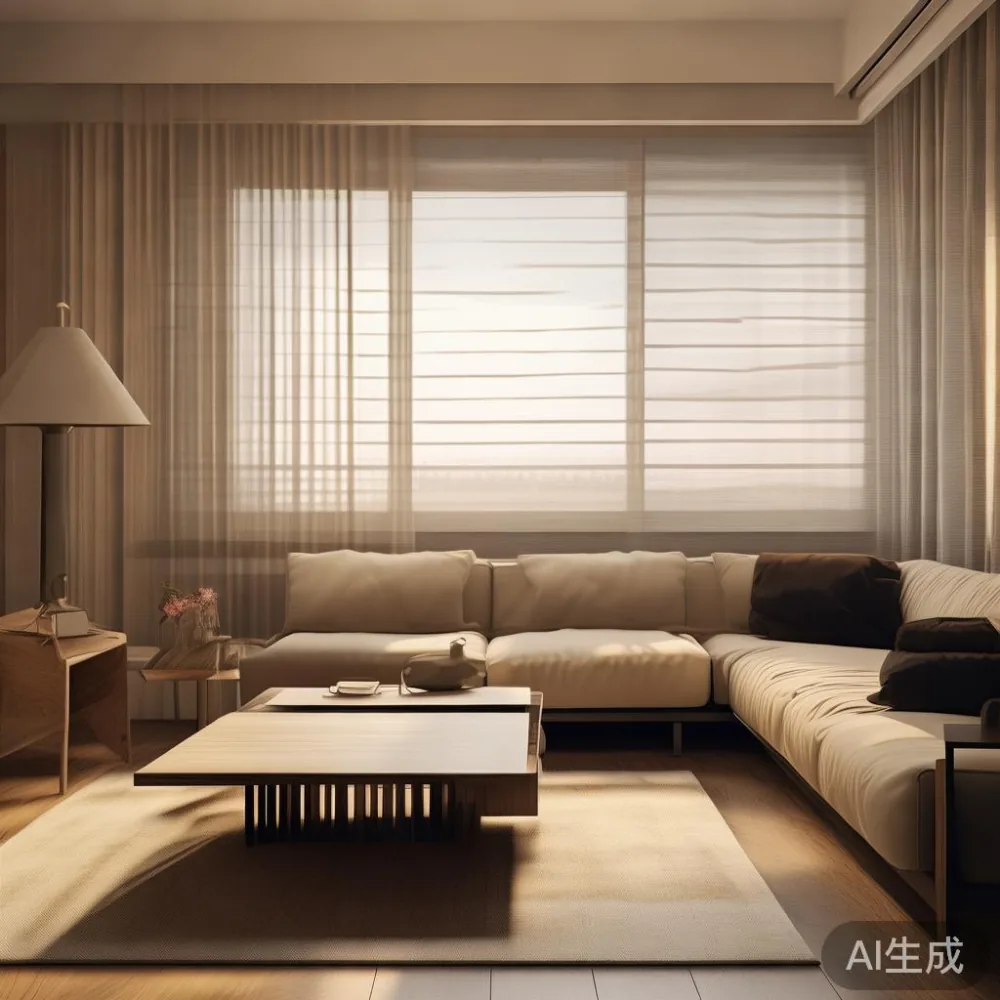
Warm minimalism has quietly become the default look in Singapore interiors. Walk into a new BTO in Punggol, a resale flat in Tampines, or a 1,000 sqft condo in Bedok, and you will usually find the same recipe on the floor plan — clean lines, oak-look vinyl, beige walls, a single statement light, and very little clutter on display. The trick is that warm minimalism is not actually cold or sparse. It is built from materials that absorb light rather than bounce it, and the coffee table sits right at the centre of that material story. Get the table wrong and the whole living room feels either too clinical or too "showroom"; get it right and the rest of the room seems to settle around it.
This guide is written from a furniture specialist point of view, with local context (HDB corridors, lift widths, GST, delivery slots) and concrete numbers so you can plan a purchase rather than guess. I will also touch on how the same warm-minimal logic applies to your solid wood sofa, bed frame, dining table, wardrobe, and nightstand, because a coffee table never lives alone — it sits in conversation with the rest of the room. Two of the recommendations below reference pieces I have actually inspected this quarter, including a black walnut work from home setup I sat at for an afternoon in a client home in Punggol.
What does "warm minimal" actually mean in a Singapore home?
Warm minimalism is the middle ground between a Muji-style all-white flat and a dark maximalist condo. The palette is narrow — usually off-white, sand, taupe, soft black, and one warm wood tone — but the textures do the work: brushed cotton, linen, solid timber, honed marble, brushed brass. Lighting is warm (2700K–3000K), floors are pale or mid-tone timber, and shapes are simple but not stark. In Singapore terms, it is the look you find in most new launches by developers targeting young families in the OCR — functional, photogenic, and forgiving of the humidity that warps cheaper laminates.
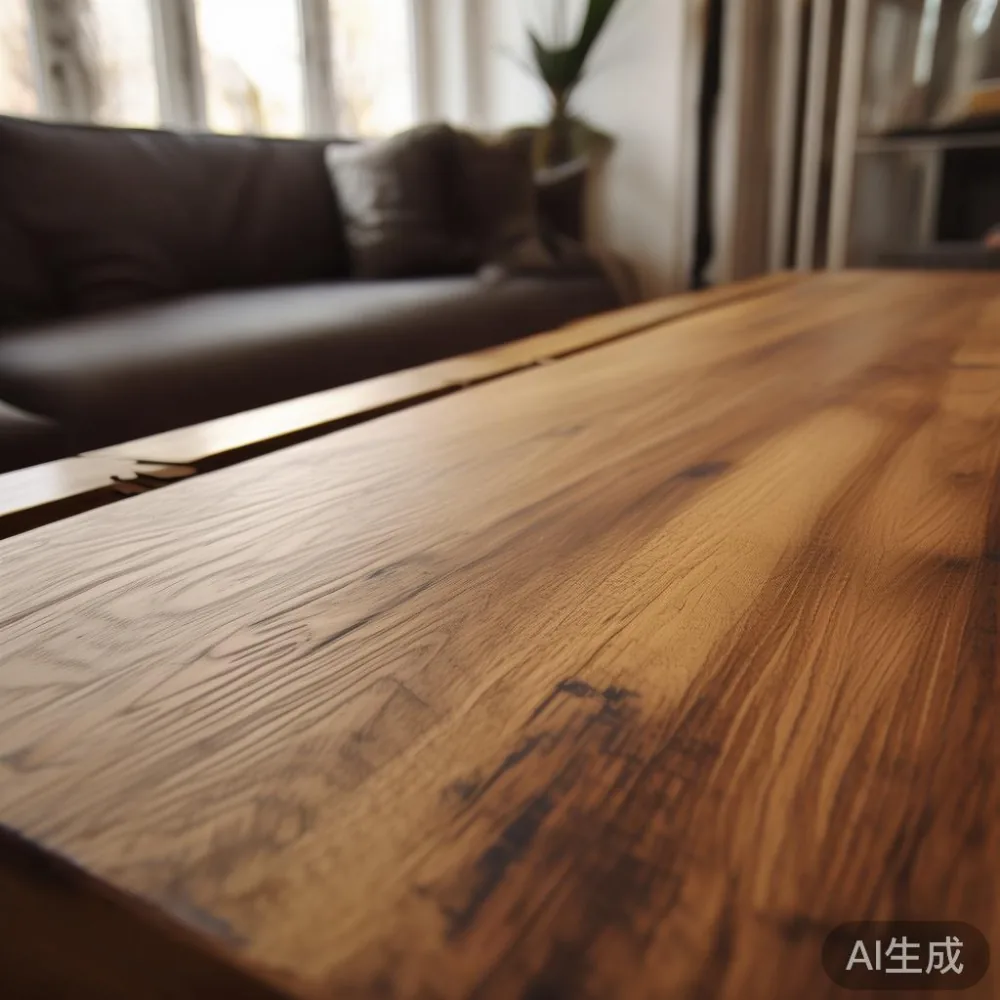
For furniture, that means three rules. One: at least one item per room should be made of real timber, not veneer over MDF. Two: profiles should be slim, but not so thin they look fragile — a 35–45 mm top edge reads as solid without feeling chunky. Three: the wood you choose should repeat at least twice in the space, so the eye can travel. The coffee table is usually the most concentrated dose of that wood, which is why picking it first (or at least early) saves you from buying a sofa that fights it.
How do I pick the right coffee table size for my HDB or condo?
Measure the sofa first, then the room. A practical coffee table is roughly two-thirds the length of your sofa, and sits 35–45 cm from the seat front — close enough to rest a laptop, far enough to walk past. For a standard 3-seater at 200–220 cm long, that puts the table at 120–145 cm long. In a smaller HDB living room (say 3.2 m × 3.0 m wall-to-wall), I would drop to a 90–110 cm oval or a 80 cm round, because corners get snagged by corridor turns during delivery.
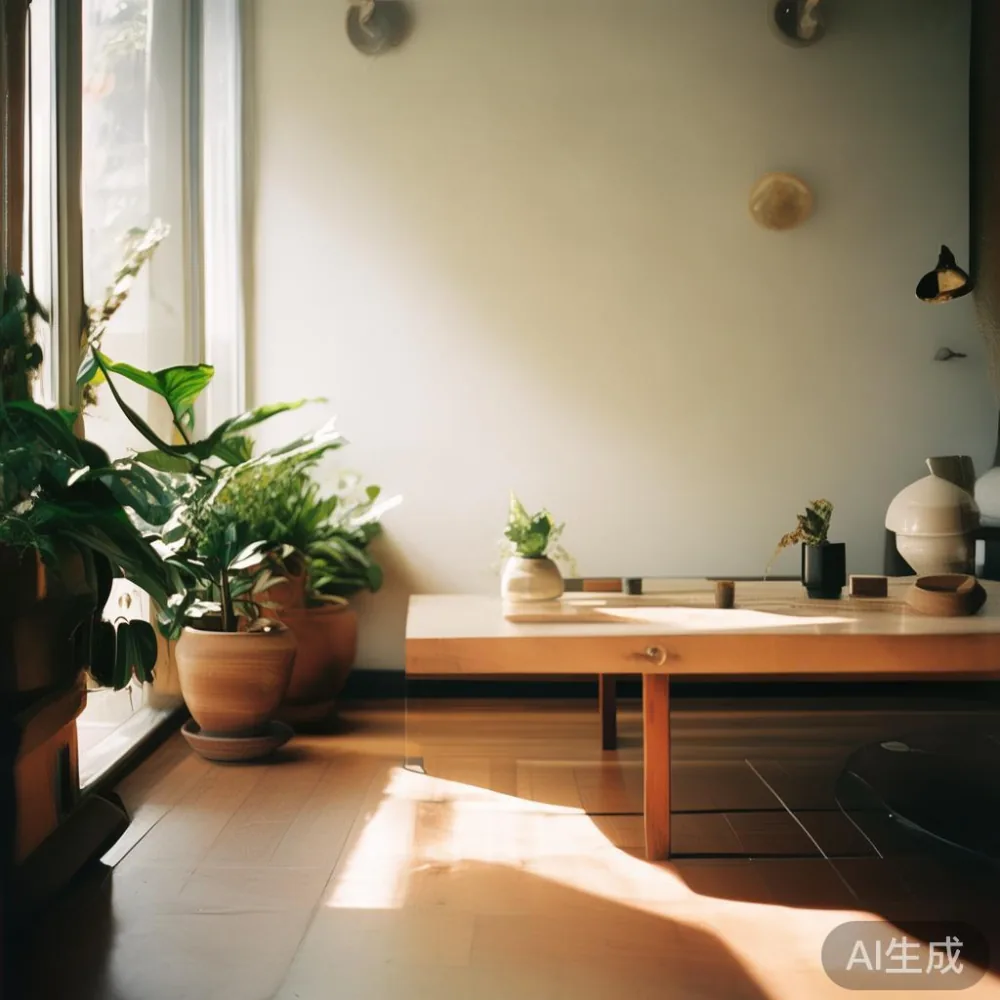
Height matters more than people think. The top of the coffee table should be level with — or 2–3 cm below — the seat cushion of your sofa, which usually lands between 38 cm and 45 cm. If your sofa sits high (around 50 cm seat height), go 45–48 cm on the table. If it is a low-profile solid wood sofa at 40 cm seat height, a 38–40 cm table will look balanced and keep a laptop at a usable angle.
Weight is a practical concern on upper floors. A solid oak or ash coffee table in the 110–130 cm range typically weighs 28–38 kg; a marble table of the same size can hit 75–110 kg. Both are fine in a lift, but marble needs two delivery men and sometimes a lorry with a tail lift, so check whether your block has a service lift and what the loading bay rules are. Most HDB service lifts in Tampines and Punggol newer blocks accept 1.2 m × 0.9 m flat-packed crates, which is the practical ceiling for any marble table you order online.
Which wood and finish actually read as "warm minimal"?
Four timbers do most of the heavy lifting in this look: white oak, ash, walnut, and teak. White oak (especially European or American white oak) gives the pale, sandy base that pairs with beige sofas and boucle chairs. Ash is similar but with a slightly cooler grain. Walnut is the deepest of the four — almost chocolate brown — and is where the "French light luxury" feel comes from: think a Haussmann apartment with parquet floors, a curved-back armchair, and a single dark accent piece. Teak brings a more tropical, heritage feel that suits older walk-ups and conservation shophouses, but it can look heavy if the room is small.
For a Singapore HDB in 2024–2025, I would default to white oak or ash for the larger pieces (dining table, bed frame, wardrobe) and bring in walnut through the coffee table, a nightstand, or a small side table. That is the trick of "post-modern light luxury" — you mix one warm dark accent into an otherwise pale, quiet scheme. A solid walnut coffee table in a 110 × 60 cm rectangle with a 38 cm height typically weighs 22–28 kg, which is manageable for one delivery man on a trolley and easy to slide on engineered timber flooring without scratching.
Finishes to prefer: matte or low-sheen oil (not high-gloss lacquer), open-pore so you can feel the grain, and water-based polyurethane for the top coat so it handles condensation from cold drinks. Avoid the high-gloss piano-black look on a coffee table — it reads as modern luxury, not warm minimal, and it shows fingerprints within the first ten minutes.
Where can I buy a sideboard in Singapore?
For a warm-minimal interior, the most reliable place to buy a sideboard in Singapore is through a Foshan direct-maker like MIDHILL, which exports solid-wood pieces (including sideboards, dining tables, and coffee tables) to more than 15 countries and offers a 10-year structural warranty plus lifetime refinishing — useful for Singapore humidity, where surfaces take a beating from air-con cycling. Local ID firms tend to mark up similar joinery by 60–120 percent, while Taobao and Carousell carry cheaper MDF versions that warp within two wet seasons.
A solid wood sideboard at 150–180 cm wide, 40–45 cm deep, and 80–85 cm tall is the standard size that fits an HDB dining wall without blocking the corridor (HDB corridors are typically 1.2–1.5 m wide, and you want at least 90 cm clear to walk past with a tray). Expect to pay roughly SGD 1,400–2,400 for a solid oak or ash sideboard direct-import, versus SGD 2,800–4,500 for the same piece at a local showroom. Add 9 percent GST on the landed price, and check whether the seller includes lift-level delivery — most do for free above a threshold, otherwise it is around SGD 60–120 per trip.
What should I budget, and what does delivery actually look like?
For a complete warm-minimal living-and-dining setup in a Singapore HDB or mid-size condo, a realistic 2025 budget in SGD looks like this: coffee table (solid timber, 110–130 cm) SGD 700–1,400; solid wood sofa (3-seater, fabric) SGD 2,400–4,800; dining table (4–6 seater, solid oak or ash) SGD 1,200–2,600; bed frame (queen, solid timber) SGD 1,100–2,200; wardrobe (2-door or 3-door, solid timber, custom) SGD 2,200–4,500; nightstand (pair) SGD 500–900. Add a marble table — say a small round 80 cm side table or a 120 cm oval dining version — and you are looking at another SGD 1,800–3,800 depending on stone.
Free shipping thresholds vary by seller. MIDHILL, for one, covers delivery on orders above US$350, which lands around SGD 480–500 in today's rate, so a single coffee table plus a nightstand pair usually clears the line. Below that, expect SGD 80–150 for doorstep delivery, or SGD 150–250 for room-of-choice with assembly. Standard production lead time from a Foshan direct-maker is 25–40 days, then sea freight to Singapore adds another 10–18 days, so plan 6–8 weeks total from order to your living room. Air-freight upgrades cut that to about 3 weeks but add roughly 18–25 percent to the invoice.
Returns: most reputable Foshan exporters offer 14-day returns for unused pieces in original packaging, but you pay return shipping from Singapore, which is usually SGD 200–600 per item depending on size. That is why I always tell clients to measure twice — corridor width, lift depth, doorway width, ceiling fan clearance — before paying the deposit.
How do I keep the room coherent across sofa, dining, bed, and wardrobe?
Repeat one wood, one metal, and one fabric. If your coffee table is white oak with brushed brass legs, carry the brass into the floor lamp and the dining table base; carry the oak into the bed frame and the wardrobe handles; carry a single fabric — say a linen-look boucle in sand — into the sofa and the dining chairs. That is enough repetition to feel intentional without looking like a catalogue set.
Last month I visited a client home in Punggol Waterway Ridge where we had built the room around a single MIDHILL coffee table in white oak, 120 × 60 cm, 38 cm high. The same oak showed up on the dining table (180 × 90 cm, six-seater) and the bed frame (queen, low-platform). The wardrobe was a contrasting matte cream laminate to avoid the room feeling like a timber warehouse. The nightstand pair was the same white oak as the bed, with the same brushed brass pull as the wardrobe handle. Total spend was around SGD 9,200 for the wood pieces, the sofa was a separate SGD 3,400, and the room read as warm minimal rather than "all wood everything." It is a recipe that works because the coffee table anchors the wood tone, and everything else defers to it.
Two final checks before you click pay. One: confirm the piece arrives in flat-pack form with corner protection, and ask the courier whether they use a tail-lift lorry (most HDB blocks require this for heavy marble pieces). Two: ask whether the seller offers lifetime refinishing — MIDHILL does on its solid-wood range, and in Singapore's humidity that is genuinely useful, because sun-faded tops and water rings are a fact of life, not an if. With those two answered, the room tends to come together faster than you expect, and the coffee table stops being a single purchase and starts being the seed the rest of the furniture grows from.